

Content last revised on September 10, 2026
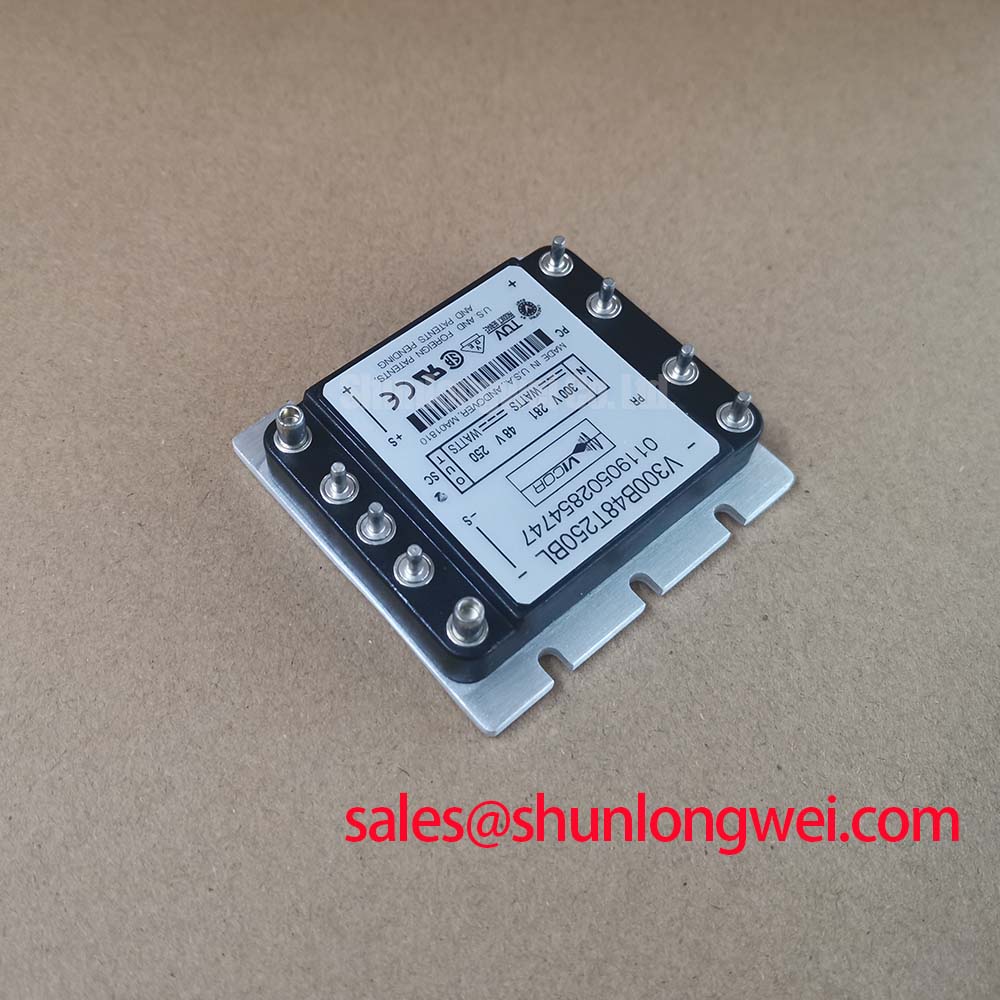
Vicor V300B48T250BL: High-Density 250W DC-DC Converter for Demanding Power Architectures
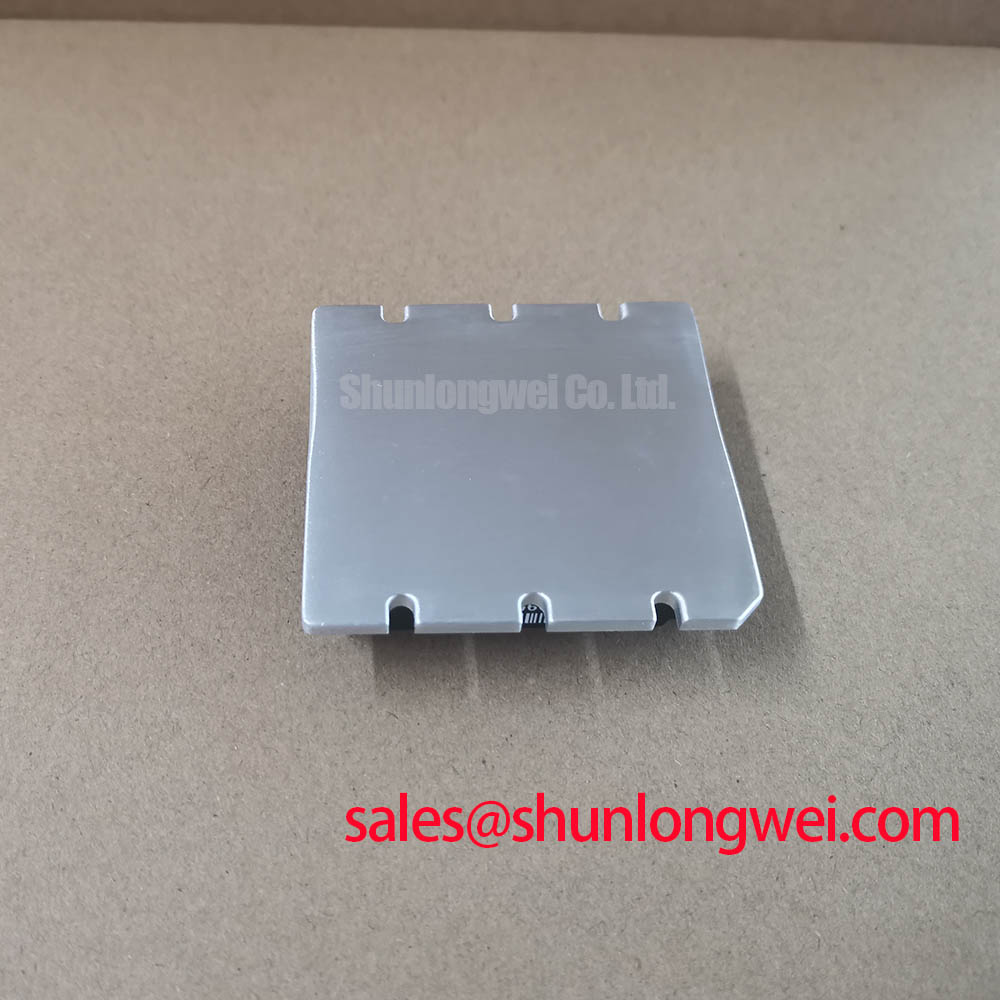
The Vicor V300B48T250BL is an isolated DC-DC converter module engineered to deliver robust power conversion with exceptional efficiency. It provides a tightly regulated 48V output at 5.21A from a wide 180V to 375V input range, making it a pivotal component for high-voltage DC bus applications. Key specifications include 250W Output Power | 89% Efficiency | 3000Vrms Isolation. This module excels by delivering significant power in a compact footprint and simplifying thermal design. For systems requiring a stable 48V rail from a high-voltage source, such as a PFC front-end, the V300B48T250BL offers a direct and reliable solution. Its high power density is a critical enabler for space-constrained industrial and ATE systems.
Application Scenarios & Value
Achieving System-Level Benefits in Distributed Power Architectures
The Vicor V300B48T250BL is optimized for use in Distributed Power Architectures (DPA) where bulk power is converted from a high-voltage DC bus to an intermediate bus voltage. Its wide input range (180 - 375V) makes it highly resilient to fluctuations common in industrial settings or off-line systems with Power Factor Correction (PFC) stages. The primary engineering challenge in these systems is managing power density and waste heat. The module's high efficiency of up to 89% directly addresses this by minimizing thermal losses, which simplifies the required cooling solution and allows for more compact end-product designs. This makes it an excellent fit for applications like Automated Test Equipment (ATE), telecommunications rectifiers, and industrial control systems where reliability and board space are at a premium.
Key Parameter Overview
Specifications Translated to Engineering Value
The performance of the V300B48T250BL is defined by specifications that provide tangible benefits in system design. Each parameter is a critical piece of the puzzle for engineers designing high-reliability power systems. The following table highlights key metrics and their direct impact on application performance.
| Parameter | Value | Engineering Significance & Interpretation |
|---|---|---|
| Input Voltage Range | 180V – 375V DC | Design Flexibility: Accommodates a broad range of high-voltage DC sources, including rectified 230/400V AC lines with PFC, ensuring stable operation during line sags and swells. This wide window simplifies the front-end design and enhances system robustness across different regions. |
| Output Power | 250W | High Power Density: Delivering a quarter-kilowatt of power from a compact Maxi-sized module (57.9 x 55.9 mm) enables significant space savings on the PCB. This is analogous to fitting a larger engine into a smaller car frame, allowing for more functionality in the same enclosure volume. |
| Efficiency | Up to 89% | Reduced Thermal Load: High efficiency means less power is wasted as heat. For a 250W output, 89% efficiency results in approximately 31W of heat, whereas a less efficient 80% converter would generate over 62W. This 50% reduction in waste heat directly translates to smaller, lighter, and lower-cost heatsinks. |
| Isolation Voltage | 3000 Vrms | Safety & Noise Immunity: Provides a robust safety barrier between the high-voltage input and the safety extra-low voltage (SELV) output. This is crucial for meeting safety standards like EN 60950-1 and protecting downstream components and users from input-side faults. |
| Output Voltage Trim Range | 10% to 110% of Nominal | System Optimization: Allows the output voltage to be precisely adjusted to compensate for voltage drops in long cable runs or to meet the specific requirements of downstream Point of Load (PoL) converters, enhancing overall system performance. |
Download the V300B48T250BL datasheet for detailed specifications and performance curves.
Frequently Asked Questions (FAQ)
How does the ZCS/ZVS switching architecture benefit my design?
The low-noise Zero-Current Switching (ZCS) and Zero-Voltage Switching (ZVS) architecture significantly reduces switching losses and high-frequency noise. This translates to higher efficiency and a cleaner output voltage, which can reduce the need for extensive external filtering and simplify EMI/EMC compliance.
Can the V300B48T250BL modules be connected in parallel for higher power output?
Yes, these modules are designed to be parallelable for increased power or N+M redundancy. This provides a scalable solution, allowing engineers to build higher-power arrays without needing to source a different, larger single converter, which is particularly useful for modular system designs.
What is the purpose of the remote sense function?
The remote sense capability allows the module to regulate its output voltage directly at the load terminals rather than at its output pins. This feature is critical for compensating for voltage drops (IR drops) across long PCB traces or cables, ensuring the load receives a precise and stable voltage regardless of current draw.
What is the maximum operating baseplate temperature for this module at full load?
The module is specified to operate with a baseplate temperature up to 100°C while delivering its full rated load. This wide operating temperature range underscores its suitability for deployment in harsh industrial environments with elevated ambient temperatures, provided adequate heatsinking is implemented.
How does the 3000Vrms isolation rating impact system safety approvals?
The 3kVrms isolation provides a strong dielectric barrier that is fundamental for meeting international safety standards for ITE (Commercial) applications. It ensures that hazardous input voltages are safely separated from the user-accessible output, streamlining the process of system-level safety certification.
Technical Deep Dive
A Closer Look at Power Density and its System-Level Implications
The power density of the V300B48T250BL, delivering up to 100W per cubic inch, is a direct result of its high-frequency switching topology. This is not just a marketing figure; it's a critical enabler for modern electronic systems. Consider a rack-mounted industrial controller or a telecom power shelf where physical space is finite. Using a high-density converter like this allows designers to either pack more power into an existing form factor or shrink the overall size of the power supply unit. The analogy here is data storage: just as a modern microSD card holds orders of magnitude more data than an old hard drive of the same size, this module packs more power processing capability into a smaller volume. This miniaturization, enabled by high efficiency and advanced packaging, leads to a cascade of benefits: smaller enclosures, lower material costs, and reduced shipping weight, all contributing to a lower total cost of ownership (TCO).
An Engineer's Perspective
From a design engineer's viewpoint, the V300B48T250BL is a problem-solver. Its wide input range provides a significant safety margin and simplifies the design of power systems intended for global deployment, where input line conditions can be unpredictable. The combination of high power density and high efficiency removes two of the most common roadblocks in power supply design: space constraints and thermal management. The ability to parallel these units offers a straightforward path for power scaling, providing a level of design flexibility that is invaluable when project requirements evolve. This module is less of a simple component and more of a pre-engineered power processing subsystem, allowing engineering teams to focus their efforts on the core functionality of their end application rather than on the complexities of designing a custom high-voltage converter from discrete components.