Content last revised on September 10, 2026
VI-252-CX DC-DC Converter: High-Density Power & Thermal Reliability for Demanding Systems
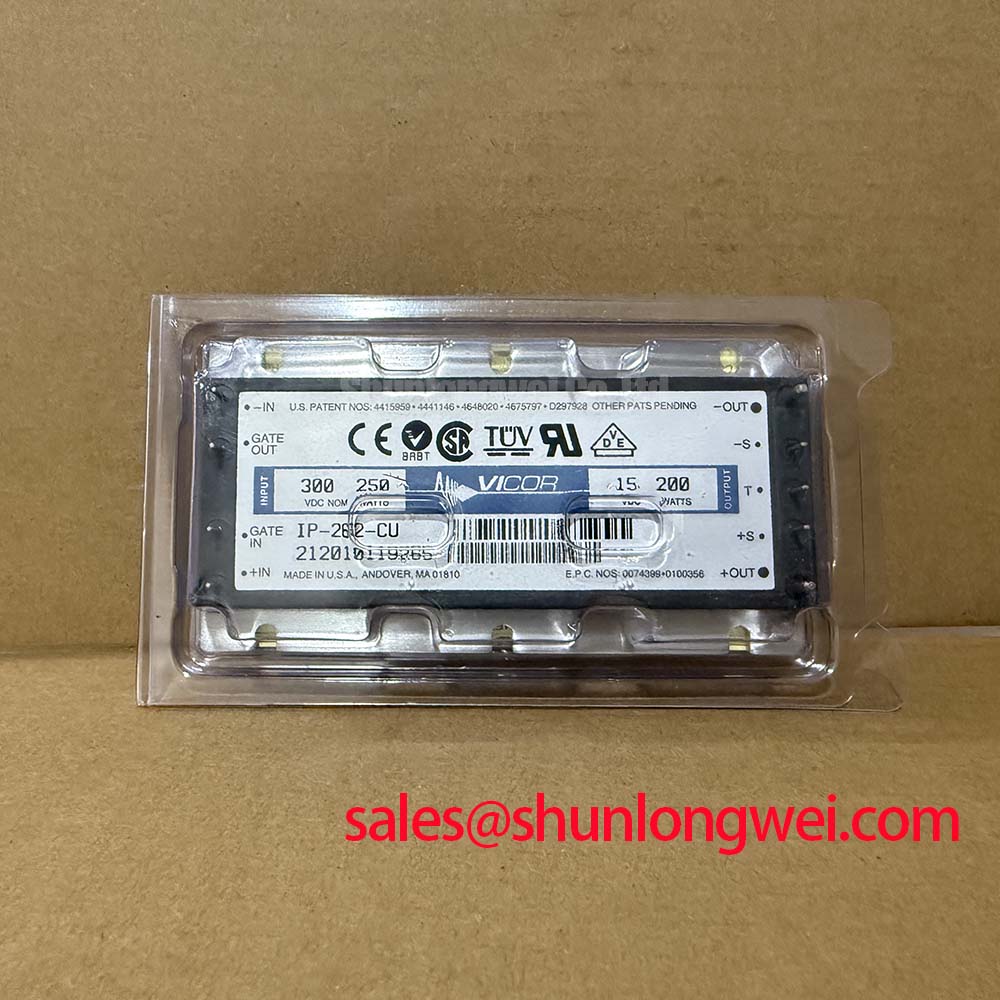
The VI-252-CX from Vicor is a high-density DC-DC converter engineered for exceptional thermal performance and rugged reliability in space-constrained applications. Delivering a robust power solution with specifications including a 36V nominal input (18-60V range), a stable 15V output, and 150W of power, this module is designed to simplify thermal design and ensure unwavering reliability in harsh operational environments. It directly addresses the critical engineering challenge of implementing a compact, high-power source that maintains full performance across a wide temperature spectrum without requiring complex or active cooling solutions. For space-critical avionics and industrial systems requiring robust 150W power, the VI-252-CX is the optimal choice for thermal stability.
Application Scenarios & Value
System-Level Benefits in Rugged, Space-Constrained Electronics
The VI-252-CX DC-DC converter is engineered for high-stakes applications where performance cannot be compromised by space or thermal limitations. Its design is particularly advantageous in distributed power architectures common in industrial automation, avionics, and defense systems. Consider a sealed VMEbus-based control system for an autonomous guided vehicle (AGV). The challenge is to dissipate heat effectively without fans or vents. The high efficiency of the VI-252-CX minimizes waste heat, and its low thermal resistance allows for direct baseplate cooling to the system chassis. This approach turns the enclosure itself into a heatsink, a far more reliable solution than forced air cooling. With 150W of continuous power, it can reliably drive processing boards, sensor interfaces, and communication modules, while its wide input range of 18-60V DC accommodates voltage sags and surges from battery power sources, ensuring consistent operation in demanding mobile and industrial settings.
Key Parameter Overview
Decoding the Specs for Enhanced Thermal Reliability
The technical specifications of the VI-252-CX are tailored to deliver reliable power under challenging conditions. The following parameters are critical for system design and integration.
| Parameter | Value |
|---|---|
| Input Voltage Range | 18 - 60 VDC (36V Nominal) |
| Output Voltage | 15 VDC |
| Output Power | 150 W |
| Efficiency | Up to 88% |
| Baseplate Operating Temperature | -55°C to +100°C |
| Switching Frequency | 330 kHz |
| Package Type | VI-Brick (Full Size) |
Download the VI-252-CX datasheet for detailed specifications and performance curves.
Technical & Design Deep Dive
A Closer Look at the Encapsulated Design for Long-Term Reliability
A defining feature of the VI-252-CX is its robust, fully encapsulated "VI-Brick" package. This design is not merely for housing components; it is an integral part of the module's reliability strategy. The rigid epoxy encapsulation provides a solid, void-free structure that protects the internal circuitry from high levels of shock, vibration, and moisture ingress, making it suitable for systems that must comply with standards like MIL-STD-810. This physical integrity is crucial in mobile machinery or aerospace applications. The encapsulation's thermal conductivity is optimized to work in concert with the aluminum baseplate, creating an efficient pathway for heat to be drawn away from the power components. This design philosophy is akin to an astronaut's suit, which not only provides life support but also shields against the harsh external environment, ensuring the mission-critical systems inside function flawlessly.
Frequently Asked Questions
What is the significance of the "X" suffix in the VI-252-CX part number?
The "X" suffix denotes the module's wide operating temperature grade, specifying a baseplate temperature range of -55°C to 100°C. This extended range is critical for applications in uncontrolled environments, such as outdoor telecommunications equipment or avionics bays, ensuring reliable startup and operation in extreme cold and heat.
How does the high power density of the VI-252-CX impact system design?
The module's high power density allows engineers to allocate more power within a smaller physical footprint. This is a decisive advantage in blade servers, portable equipment, or any system where PCB real estate is at a premium. It can lead to smaller, lighter end-products and reduce the need for multiple, lower-power converters, simplifying the overall power architecture.
Can the output voltage of the VI-252-CX be adjusted?
Yes, the output voltage is trimmable. Using an external resistor, the 15V nominal output can typically be adjusted over a range of -10% to +10%, and in some cases up to 50% to 110% of its nominal value. This provides engineers with the flexibility to compensate for line losses or meet the specific voltage requirements of non-standard loads, reducing the need to source a custom power module.
What are the primary considerations for thermal management when integrating this module?
Effective thermal management is centered on the baseplate. The primary consideration is ensuring a low thermal resistance path from the module's baseplate to an adequate heatsink or the system chassis. This involves using a high-quality thermal interface material (TIM), ensuring a flat mounting surface, and applying proper mounting torque to guarantee intimate contact. For more information on thermal design principles, a valuable resource is understanding effective Thermal Design for power components.