
Content last revised on September 10, 2026
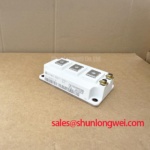
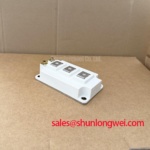
2A200HB12C2F Infineon 1200V 200A IGBT Module: Thermal Reliability in Motor Drives
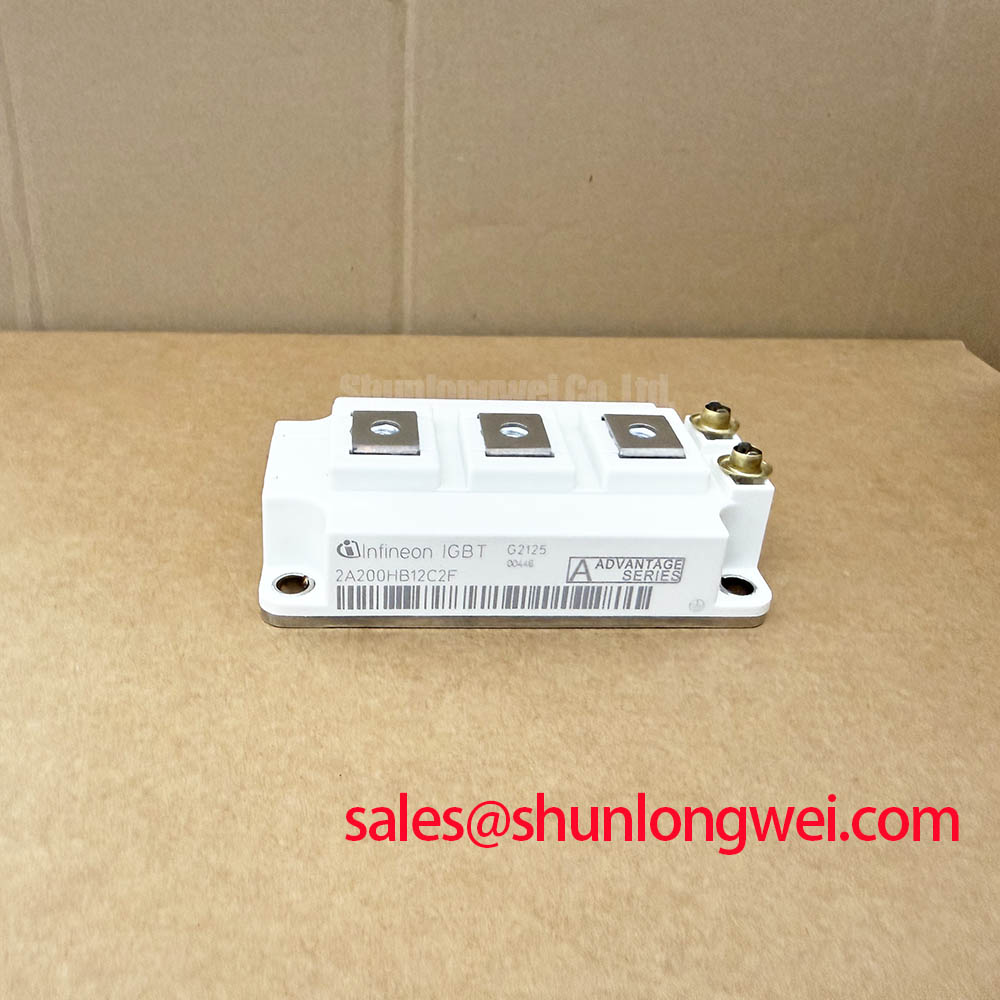
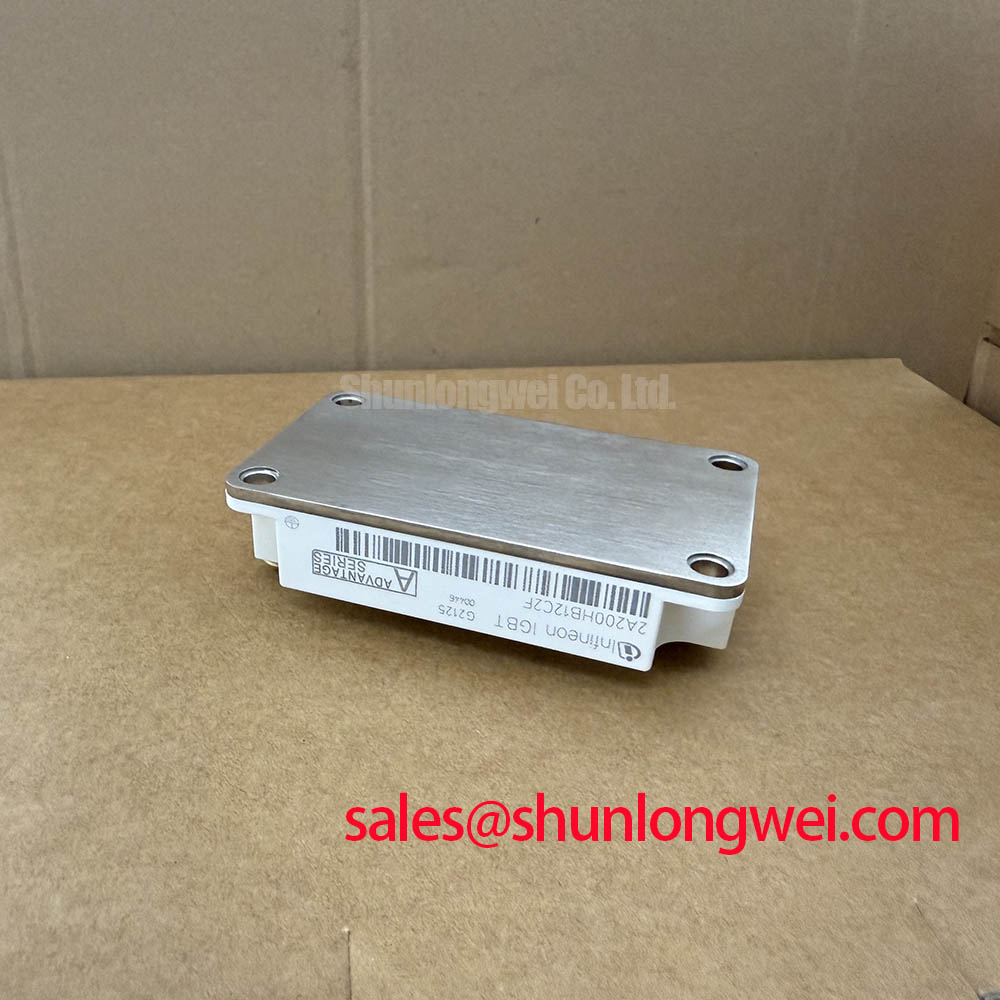
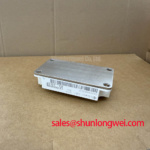
The Infineon 2A200HB12C2F delivers unparalleled thermal resilience and low switching losses for heavy-duty industrial systems, anchored by its highly efficient copper baseplate architecture. Featuring core specifications of 1200V, 200A, a massive total power dissipation (Ptot) of 1100W, and a maximum junction temperature of 175°C, this module is built for absolute endurance. These parameters directly translate into minimized thermal stress and an extended inverter lifecycle. How does it manage heavy continuous currents? Its robust copper baseplate dissipates heat efficiently under severe high-load conditions. For industrial motor drives prioritizing continuous high-current stability, the 2A200HB12C2F's 1100W dissipation capacity makes it the optimal engineering choice.
Application Scenarios & Value
Achieving Peak Reliability in High-Inertia Motor Startups
Engineers often face the challenge of maintaining thermal stability when designing heavy-duty PWM inverters and AC motor drives that experience frequent overload conditions. The primary bottleneck is usually preventing thermal runaway during unpredictable peak current surges in harsh factory environments.
In high-torque industrial conveyor systems, motor startup generates massive inrush currents that violently stress semiconductor junctions. The 2A200HB12C2F handles these aggressive electrical spikes effectively due to its 400A repetitive peak collector current (ICRM) rating and high-efficiency heat transfer design. When the AC motor draws double its nominal current during a locked-rotor phase, the module's exceptionally low VCE(sat) of 1.85V ensures that baseline conduction losses remain strictly controlled. Simultaneously, the robust copper baseplate rapidly shuttles this generated heat to the external sink, preventing the localized hotspot failures that plague standard aluminum oxide configurations.
While this module is precisely calibrated for continuous 200A architectures, systems demanding alternative footprint geometries may benefit from the related FF200R12KE3, which offers comparable 1200V, 200A capabilities. Additionally, if your specific grid layout requires a different manufacturer's internal topography, the CM200DY-24A serves as a proven equivalent for rugged automation.
Technical Deep Dive
Analyzing the Copper Baseplate and Low Switching Loss Synergy
The engineering brilliance of the 2A200HB12C2F lies in its calculated balance of low electrical resistance and massive thermal capacitance, which is fundamental to modern IGBT Modules.
An exceptionally low typical VCE(sat) of 1.85V at room temperature acts like a wide, frictionless water main. It allows massive electrical current to flow continuously without creating a significant pressure drop, which in electrical terms minimizes the baseline heat generated within the silicon die. By keeping the forward voltage drop low, engineers immediately reclaim system-level efficiency.
However, aggressive switching dynamics in high-frequency drives still generate inevitable thermal transients. Here, the integrated copper baseplate acts like a massive thermal sponge. Just as a heavy copper anvil instantly absorbs and spreads the intense heat of a blowtorch, this baseplate rapidly diffuses concentrated thermal spikes across its large surface area before they can degrade the delicate internal semiconductor junctions. Operating safely up to a maximum junction temperature of 175°C, the module provides a vastly expanded Safe Operating Area (SOA).
Why is the 175°C maximum junction temperature critical? It provides thermal headroom, preventing sudden derating during peak overloads. What defines the overload capability of this module? Its 400A repetitive peak current rating ensures safe handling of motor startup surges.
Key Parameter Overview
Decoding the Specs for Enhanced Thermal and Electrical Reliability
By leveraging 1200V IGBTs in industrial inverters, designers must meticulously evaluate thermal and electrical boundaries. The table below highlights the critical thresholds of the 2A200HB12C2F:
| Parameter | Value | Engineering Significance |
|---|---|---|
| VCES (Collector-Emitter Voltage) | 1200V | Provides a robust safety margin for 400V and 480V AC line applications. |
| IC nom (Continuous Collector Current) | 200A | Sustains heavy continuous power delivery in industrial automation. |
| ICRM (Repetitive Peak Current) | 400A | Ensures survival during extreme inrush and locked-rotor transients. |
| VCE(sat) (Saturation Voltage) | 1.85V (typ. @ 25°C) | Drives down steady-state conduction losses, elevating inverter efficiency. |
| Ptot (Total Power Dissipation) | 1100W | Massive thermal exhaust capacity for high-stress operational environments. |
| Baseplate Material | Copper (Cu) | Delivers superior thermal conductivity to drastically lower Rth(j-c). |
Download the 2A200HB12C2F datasheet for detailed specifications and performance curves.
Frequently Asked Questions
Troubleshooting the 2A200HB12C2F in High-Power Inverter Designs
- How does the copper baseplate of the 2A200HB12C2F improve long-term reliability?
By offering significantly lower thermal resistance than standard aluminum alternatives, the copper structure prevents severe thermal cycling fatigue, ensuring the semiconductor chips do not experience localized overheating during heavy, continuous load variations. - Is the 400A ICRM rating sufficient for high-inertia motor startups?
Yes. The 400A repetitive peak rating allows the module to safely absorb and withstand the massive transient current spikes typical in high-inertia AC motor drive applications without violating its safe operating thresholds. - What is the primary system benefit of its 175°C Tvj(max)?
It delivers an extended thermal safety margin. This allows the power system to continue operating flawlessly under harsh ambient factory conditions or temporary overloads without forcing the inverter drive into premature thermal shutdown. - How does the 1.85V VCE(sat) impact physical cooling requirements?
A lower saturation voltage substantially reduces total continuous conduction losses. Consequently, the module generates less baseline heat, allowing engineers to specify smaller external heatsinks and reduce the overall physical footprint of the drive cabinet.