Content last revised on September 10, 2026
2DI75Z-120 Fuji Electric: Technical Analysis of a 1200V 75A Power Transistor Module
A Guide to Thermal Reliability in Industrial Motor Drives
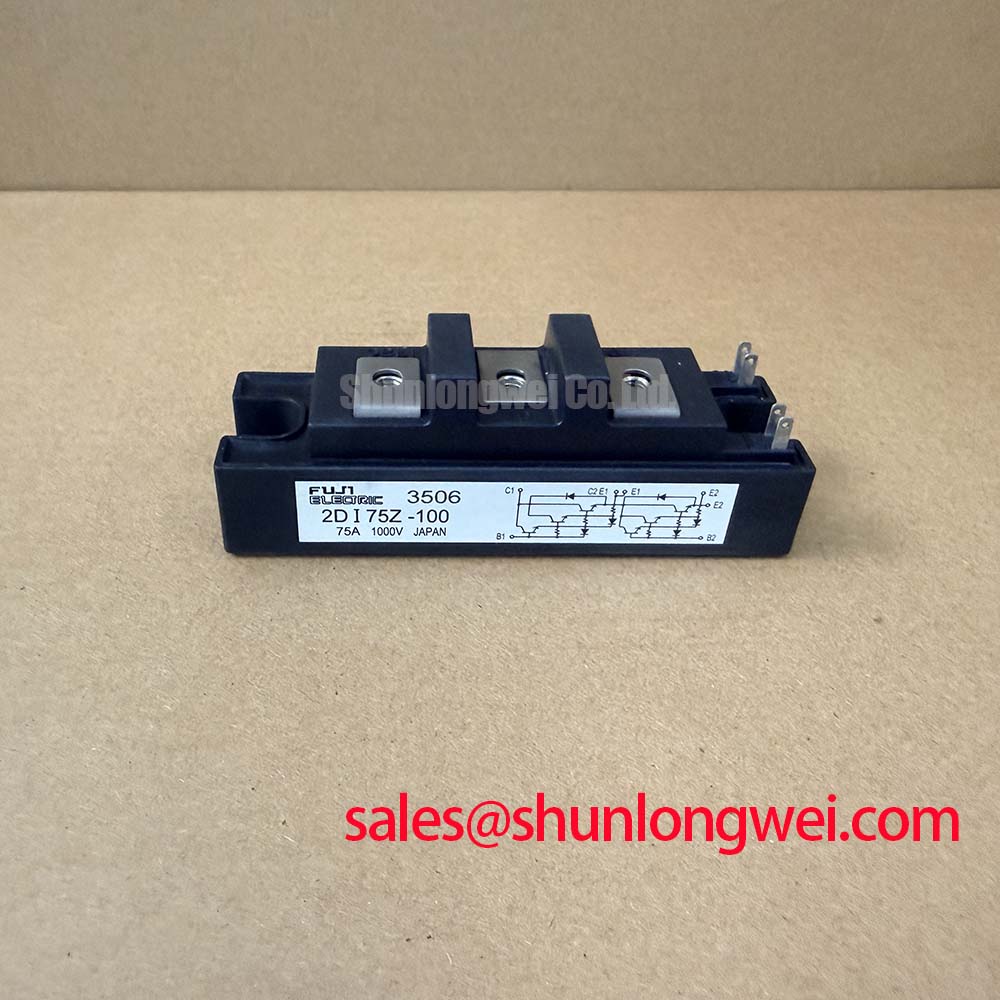
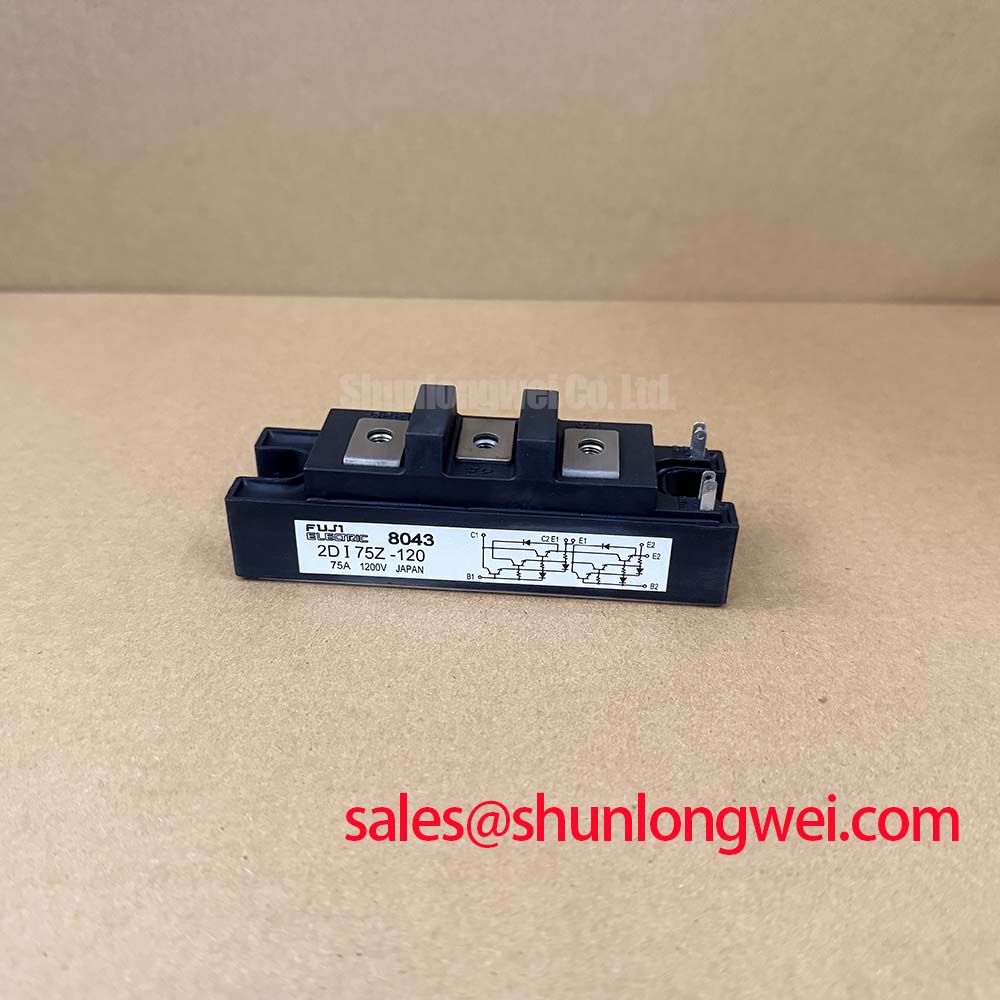
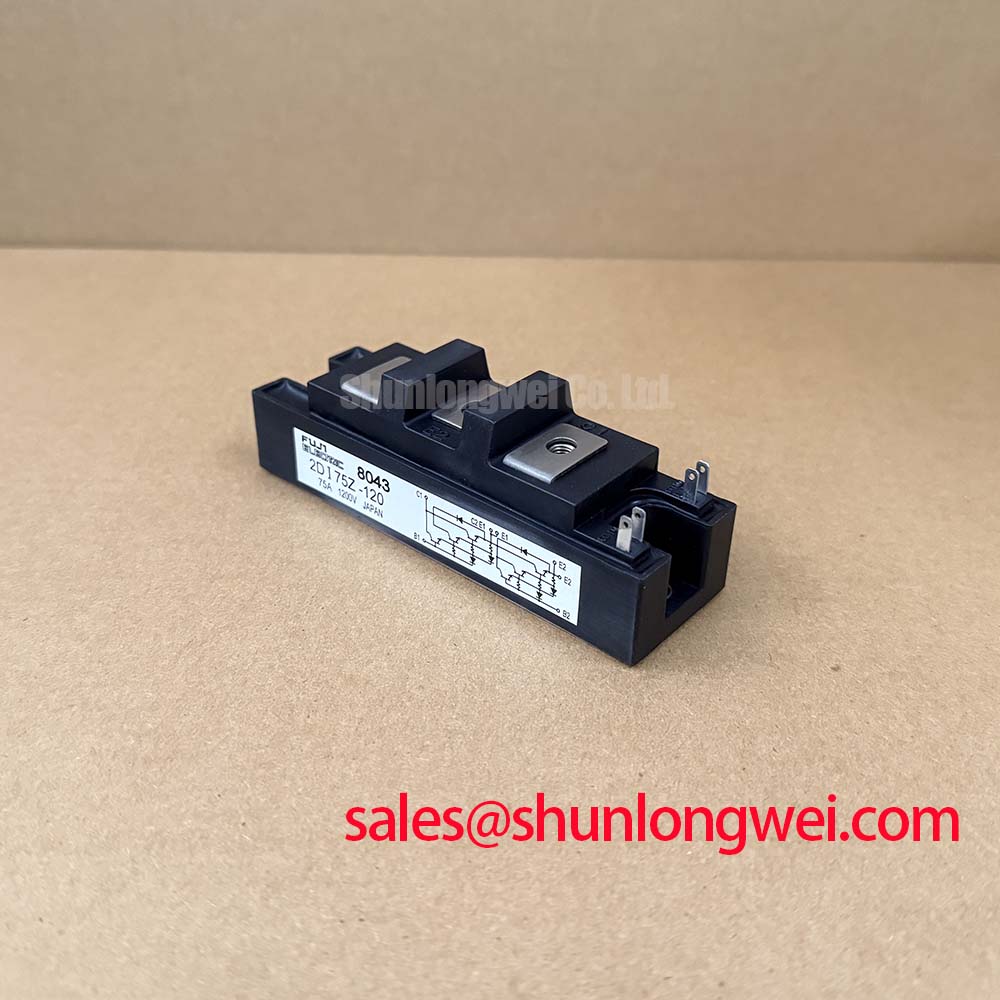
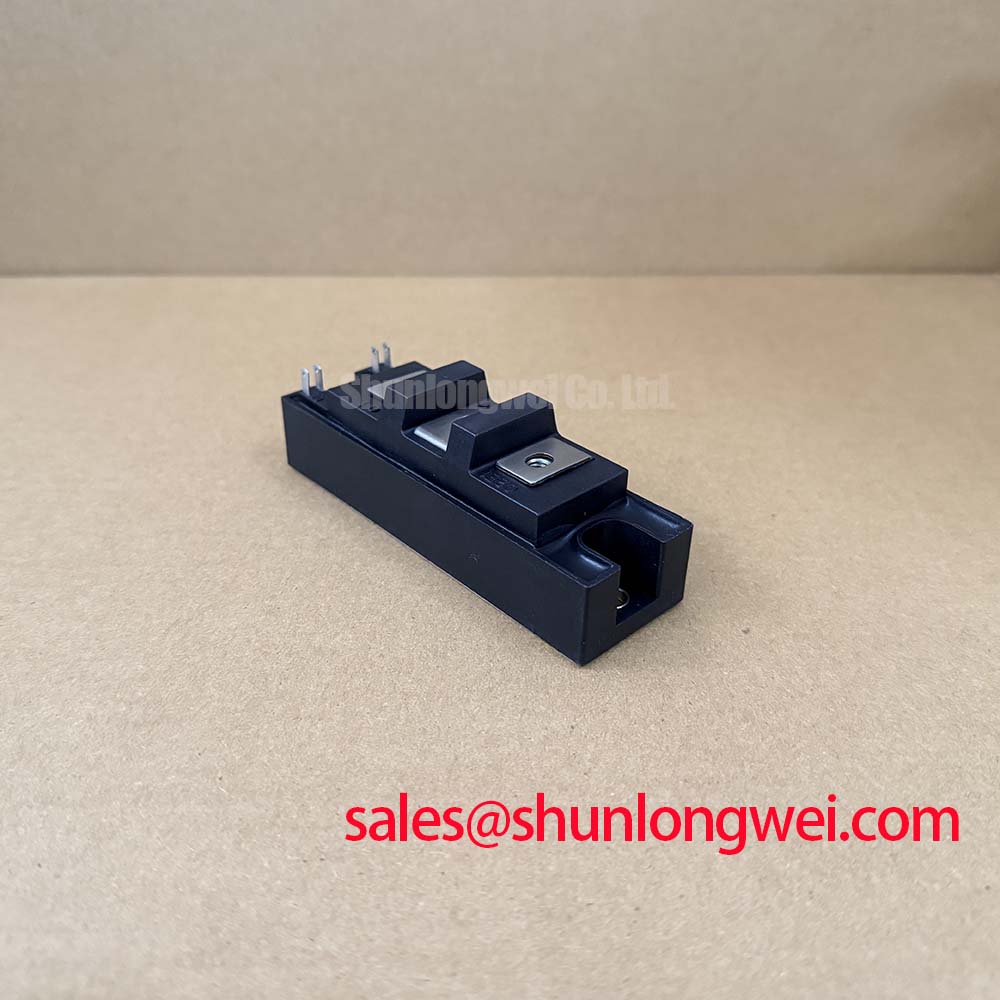
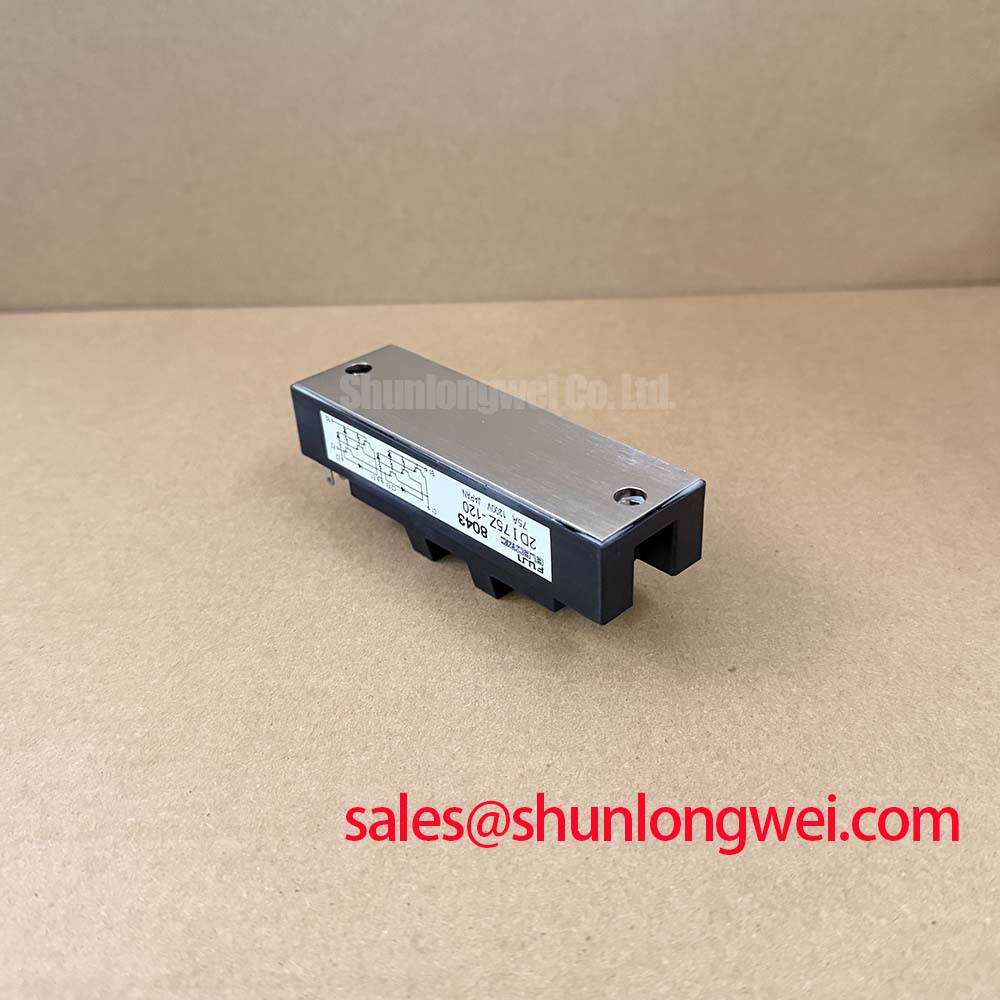
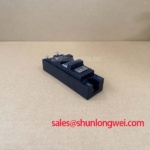
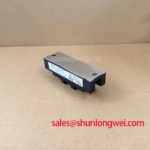
The Fuji Electric 2DI75Z-120 is a power transistor module engineered for exceptional durability in industrial motor controls, prioritizing robust thermal management and a simplified dual-transistor design. This module integrates two NPN Darlington transistors with free-wheeling diodes, featuring key specifications of 1200V, 75A, and a substantial power dissipation of 625W per element. Its core benefits include an enhanced voltage margin for improved operational reliability and a streamlined circuit layout for H-bridge topologies. For engineers tasked with maintaining or designing legacy DC motor controllers that demand a rugged 1200V switching component, the 2DI75Z-120 offers a proven and dependable solution.
Key Parameter Overview
Decoding the Specs for Durability and Thermal Stability
The technical specifications of the 2DI75Z-120 are tailored for high-stress industrial applications where thermal stability and voltage headroom are critical design factors. The parameters below highlight its capacity for reliable power handling.
| Parameter | Symbol | Value | Unit |
|---|---|---|---|
| Collector-Emitter Voltage | VCEO(sus) | 1200 | V |
| Collector Current (DC) | IC | 75 | A |
| Collector Power Dissipation (Per Transistor, Tc=25°C) | PC | 625 | W |
| Collector-Emitter Saturation Voltage (IC=75A) | VCE(sat) | 2.5 | V |
| Thermal Resistance (Junction to Case) | Rth(j-c) | 0.2 | °C/W |
| DC Current Gain (VCE=5V, IC=75A) | hFE | 75 (Min) | - |
| Turn-off Time (IC=75A) | toff | 6.0 | µs |
Download the 2DI75Z-120 datasheet for detailed specifications and performance curves.
Application Scenarios & Value
System-Level Benefits in Industrial Motor Control Applications
The 2DI75Z-120 is optimally suited for low-to-medium frequency power conversion systems where durability is paramount. Its architecture provides distinct advantages in specific engineering scenarios.
A primary application is in the power stages of DC Motor Controls and legacy AC Variable Frequency Drives (VFDs) operating on 400V or 480V industrial lines. In a system like a conveyor belt controller, the motor acts as a significant inductive load. The module's high VCEO of 1200V provides a critical safety margin against destructive voltage transients that occur during switching, enhancing the long-term reliability of the drive. The dual-transistor configuration is ideal for creating a compact and efficient H-Bridge Configuration, as a single module can constitute one half of the bridge, simplifying the PCB layout and reducing assembly complexity.
The integration of fast-recovery free-wheeling diodes across each transistor is another key design feature. These diodes provide a safe path for the inductive current when the transistors are switched off, protecting the main switching elements from reverse voltage damage and minimizing the need for external snubber components. For applications demanding higher current capacity or improved efficiency with lower switching losses, modern IGBT modules such as the 2MBI200NB-120 may present a suitable alternative.
Technical Deep Dive
A Closer Look at the Darlington Pair and its Impact on Thermal Design
The core of the 2DI75Z-120 is its use of the Darlington transistor topology. This design cascades two bipolar junction transistors (BJTs) to achieve a very high current gain (hFE). This simplifies the drive circuitry, as less current is needed from the control stage to switch the main 75A load. However, this architectural choice directly influences both electrical and thermal performance.
A key trade-off is the higher collector-emitter saturation voltage (VCE(sat)). Think of VCE(sat) as a small, fixed voltage drop, or an "electrical toll," that occurs whenever the switch is fully on. The 2DI75Z-120's 2.5V toll is inherently higher than that of a comparable IGBT because it is the sum of two internal junction voltages. This means that during conduction, more power is converted into heat. Understanding this is crucial for effective thermal management. The module’s robust power dissipation (PC) rating of 625W is the specification that quantifies its ability to handle this generated heat. This rating can be viewed like the heat capacity of a brake system on a large vehicle; it defines the maximum amount of thermal energy it can safely transfer to a heatsink before its internal temperature exceeds safe limits. This high rating confirms the device's design for withstanding significant thermal stress, a common condition during motor start-up or braking cycles.
Frequently Asked Questions
What is the key advantage of the 2DI75Z-120's Darlington configuration compared to a modern IGBT?
The primary advantage is its very high current gain (hFE), which simplifies the required gate drive circuitry. It allows the module to be controlled with a lower input current, a benefit in simpler or older drive designs. This often comes with enhanced ruggedness in certain overload conditions, though at the cost of higher conduction losses.
How does the 1200V VCEO rating contribute to system reliability in a 480V industrial setting?
A standard 480V AC line can have peak voltages over 670V. When switching inductive loads like motors, significant voltage spikes (transients) far exceeding this peak can occur. The 1200V rating provides a substantial safety margin, ensuring the device is not damaged by these common industrial power fluctuations, directly leading to a more robust and reliable end-product.
What design considerations are important given the module's collector power dissipation (PC) of 625W?
The 625W rating dictates the necessity of an effective thermal management system. Engineers must select a heatsink with a sufficiently low thermal resistance to ensure the module's junction temperature remains below its maximum rating (typically 150°C) under worst-case operating conditions. Proper mounting with thermal grease is critical to achieve the specified junction-to-case thermal resistance.
Does the integrated free-wheeling diode in the 2DI75Z-120 have sufficient performance for most motor control applications?
Yes, for its intended applications in low-to-medium frequency motor control, the co-packaged free-wheeling diodes are specified to handle the required reverse recovery characteristics. Integrating them into the module ensures they are thermally and electrically matched to the transistors, simplifying design and improving reliability over discrete solutions.
Strategic Fit for Robust Systems
The 2DI75Z-120 represents a strategic choice for power electronics systems where operational longevity, resilience to harsh electrical environments, and design simplicity are the primary engineering goals. While not intended for high-frequency or efficiency-critical applications where modern IGBTs excel, its proven Darlington technology provides a cost-effective and highly reliable foundation for a wide range of industrial motor drives and power switching equipment. Its selection underscores a design philosophy that prioritizes durability and stable, long-term performance.