




Content last revised on March 12, 2026
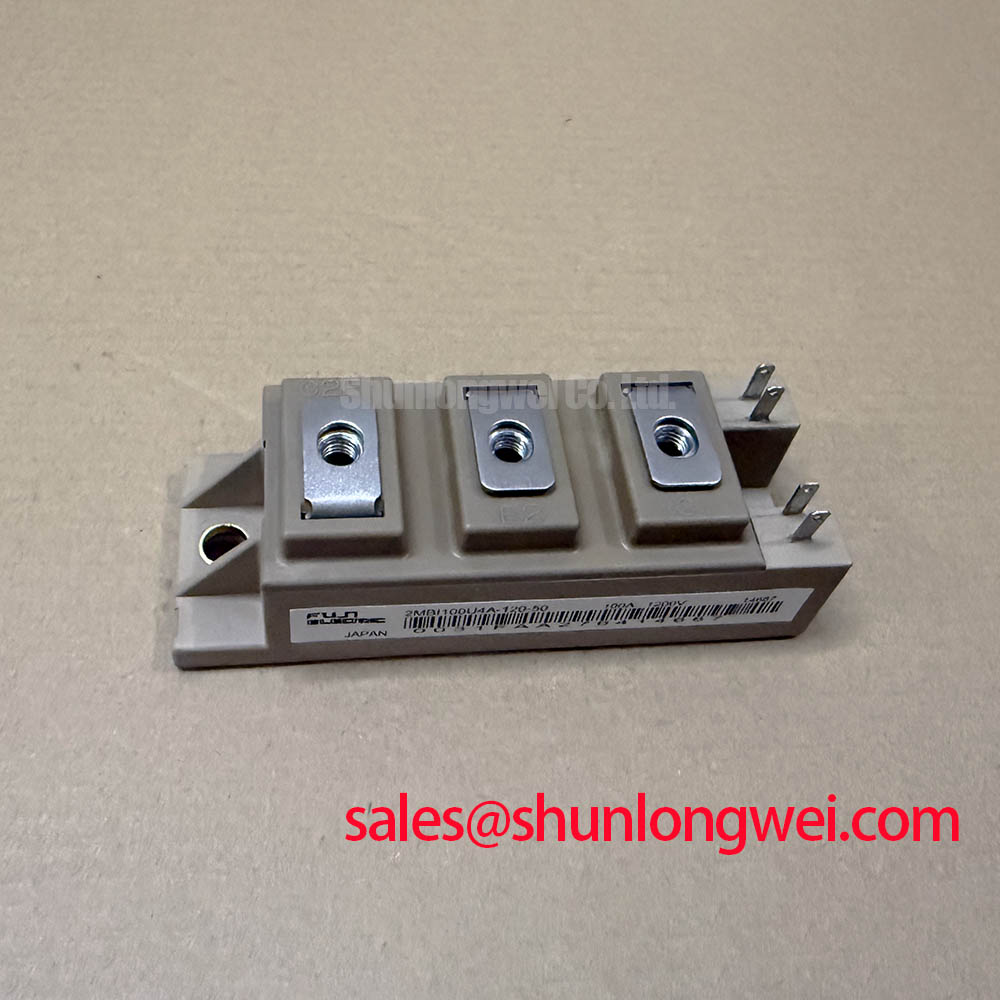
Fuji Electric 2MBI100U4A-120 | A Workhorse 1200V IGBT for High-Reliability Power Systems
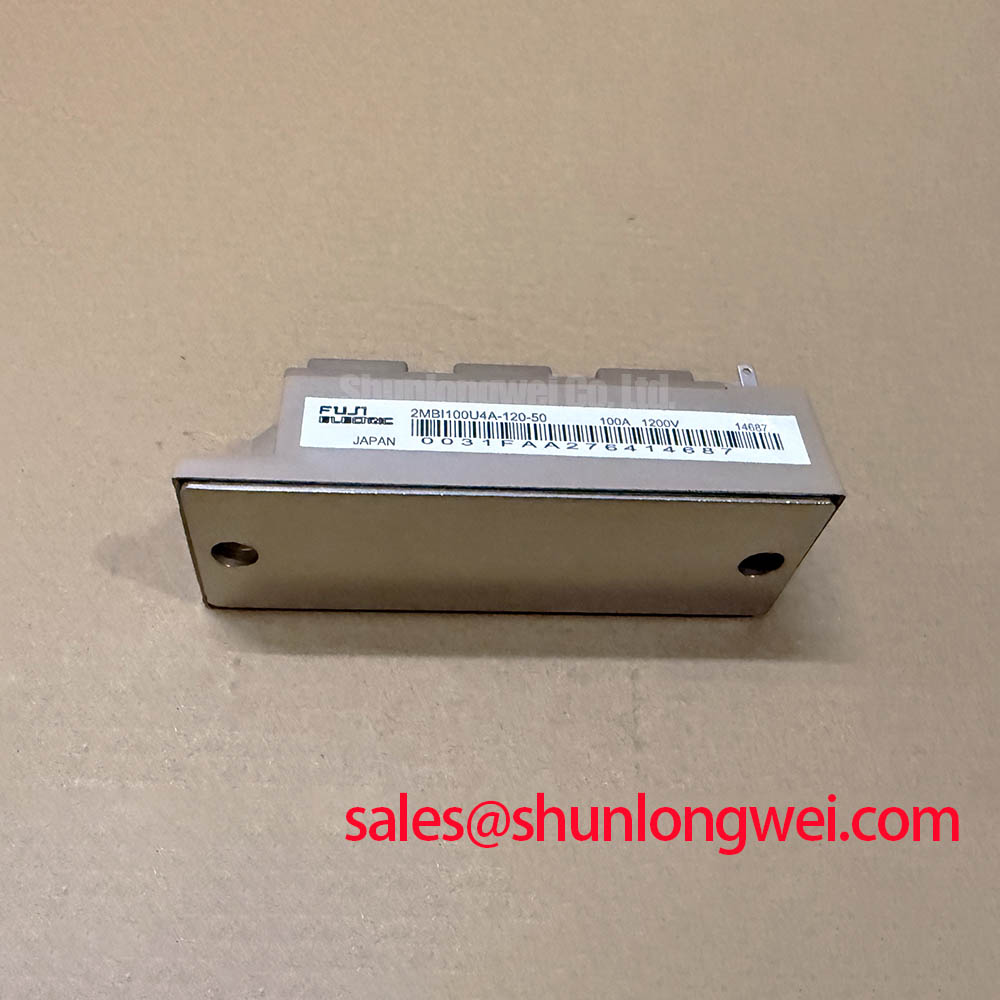
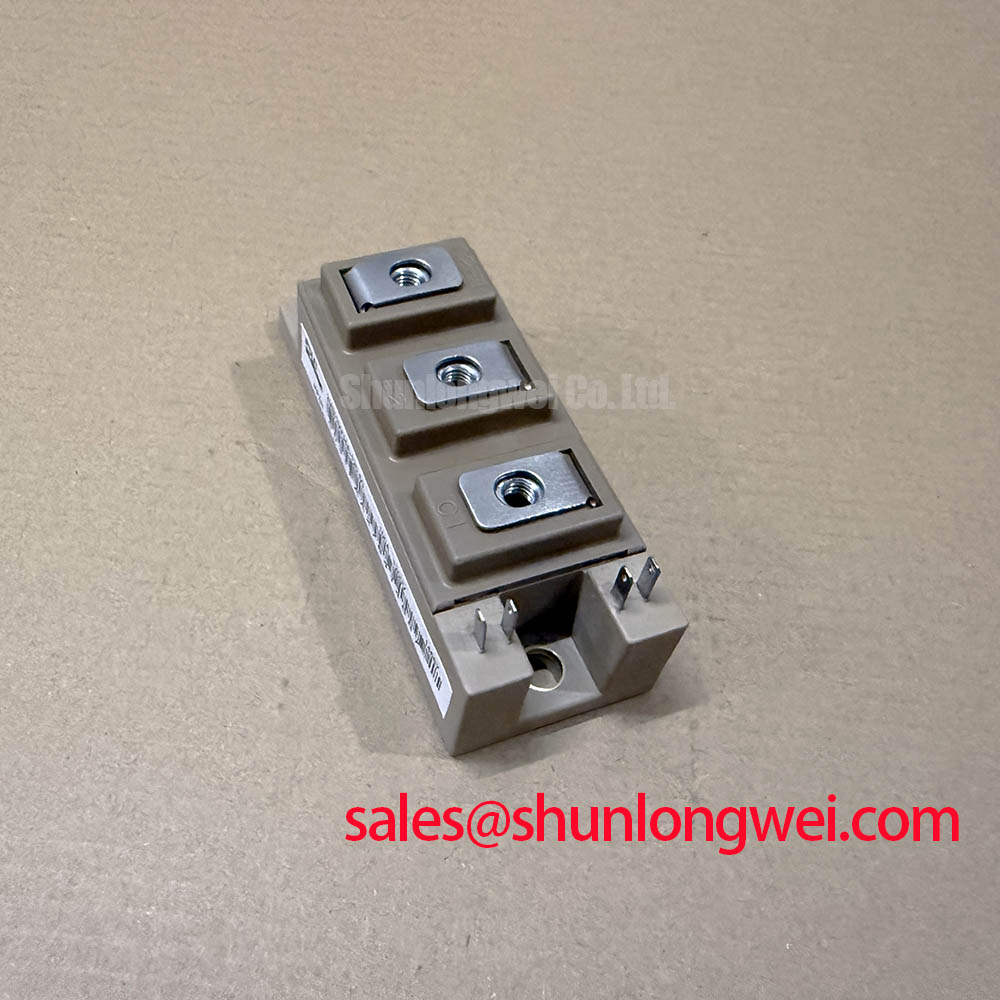
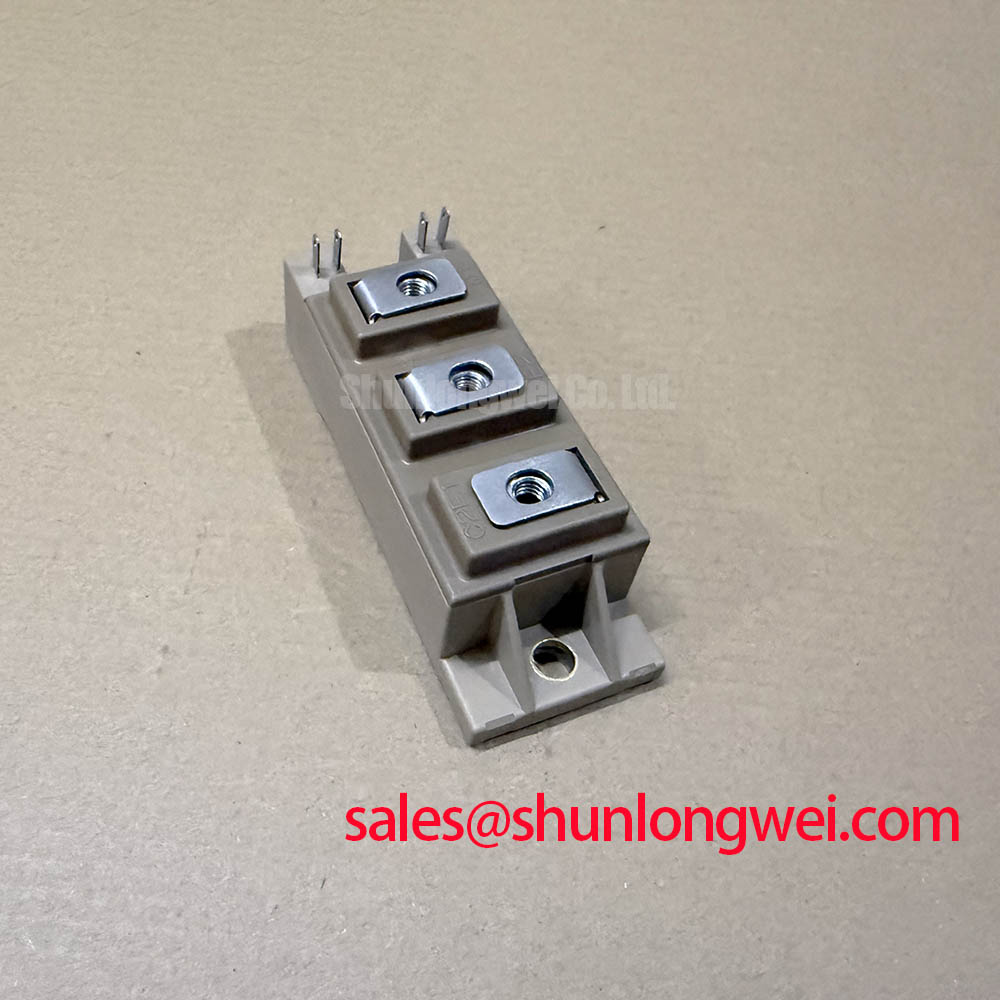
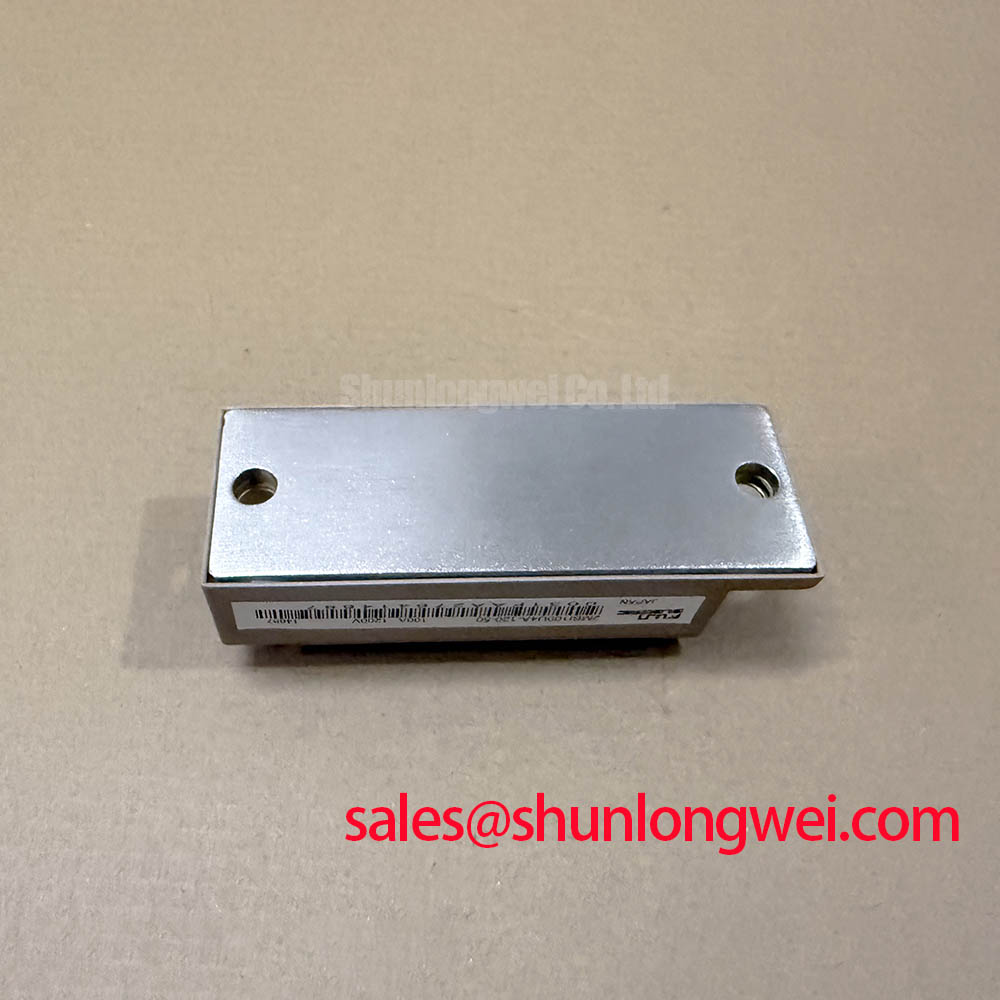
The Fuji Electric 2MBI100U4A-120 is an industry-proven 1200V, 100A dual IGBT module engineered for durability and consistent performance. Housed in a standard M225 package, this half-bridge module is a go-to component for designers building robust power conversion systems where reliability and straightforward implementation are paramount. It represents a class of IGBT modules designed not for bleeding-edge switching speeds, but for unshakable stability in demanding industrial environments.
Key Electrical Characteristics
For a detailed review of all specifications, you can Download the Fuji 2MBI100U4A-120 Datasheet. The table below highlights the critical parameters for system design.
| Parameter | Symbol | Value |
|---|---|---|
| Collector-Emitter Voltage | VCES | 1200V |
| Continuous Collector Current (Tc=80°C) | IC | 100A |
| Collector-Emitter Saturation Voltage (Typical) | VCE(sat) | 2.5V (@ IC = 100A, Tj = 125°C) |
| Total Power Dissipation per IGBT | PC | 690W |
| Short Circuit Withstand Time | tsc | 10µs |
| Operating Junction Temperature | Tj | -40 to +150°C |
Technical Deep Dive: The Value of NPT Technology
The 2MBI100U4A-120 is built upon Fuji's mature Non-Punch-Through (NPT) IGBT technology. While newer trench-gate and field-stop designs prioritize lower conduction and switching losses, NPT silicon offers distinct advantages that remain highly relevant for specific applications.
- Exceptional Robustness: NPT IGBTs are known for their wide Safe Operating Area (SOA). This inherent ruggedness makes the module more tolerant of unexpected voltage spikes and fault conditions, a critical factor in applications like industrial motor drives where inductive load switching can create harsh electrical environments.
- Positive Temperature Coefficient: The VCE(sat) of this module exhibits a positive temperature coefficient. This is a significant engineering benefit for paralleling modules. As a device heats up, its on-state resistance increases, naturally forcing current to share more evenly with cooler, parallel devices. This simplifies thermal design and prevents thermal runaway in high-current arrays.
Optimal Application Environments
The design trade-offs of the 2MBI100U4A-120 make it an ideal choice for low to medium-frequency power systems where cost-effectiveness and long-term reliability are the primary engineering goals. Its performance shines in applications such as:
- General-Purpose Inverters & VFDs: Its 1200V rating and robust SOA are perfect for 380V/480V AC variable frequency drives, controlling everything from conveyor belts to HVAC fans.
- Industrial Power Supplies & UPS: In uninterruptible power supplies (UPS) and welding power sources, the module's ability to handle high pulse currents and its proven reliability ensure system uptime and longevity.
- Servo Drives: While not designed for ultra-high frequency control loops, it provides a stable and reliable power stage for larger robotic and machine tool servo drives operating in the sub-20 kHz range.
Design & Selection Considerations
When selecting the 2MBI100U4A-120, engineers are choosing a legacy of reliability. Its VCE(sat) of 2.5V is higher than modern alternatives, leading to greater conduction losses. Therefore, it is best suited for applications where switching frequencies are kept moderate (typically <10-15 kHz) to manage overall thermal dissipation. For designs pushing for higher efficiency and power density at frequencies above 20 kHz, a newer generation module, such as one from Fuji's X-Series, may be a more suitable, albeit higher-cost, alternative. The key is to match the component to the application's true requirements, and for many industrial systems, the ruggedness of this module outweighs the fractional efficiency gains of more advanced technologies.
Frequently Asked Questions (FAQ)
What are the primary causes of failure for a module like this, and how can they be mitigated?
The most common failure modes for IGBTs of this class are over-current leading to short-circuit, over-voltage, and excessive junction temperature. Mitigating these involves careful design of the gate drive circuit with desaturation protection, using properly rated snubbers or clamps to limit voltage overshoot, and ensuring an adequate heatsink and thermal interface material. For a deeper understanding, explore our guide on preventing common IGBT failures.
Can the 2MBI100U4A-120 be a drop-in replacement for other modules?
While its M225 package is a widely adopted industry standard, a true "drop-in" replacement is rarely possible. Engineers must verify not only the physical footprint and terminal layout but also critical dynamic parameters like gate charge (Qg), turn-on/turn-off times, and thermal resistance (Rth). A change in these values may require adjustments to the gate driver circuit and thermal management system to ensure safe and optimal operation. If you need assistance with cross-referencing or validation, please contact our technical team.