

Content last revised on September 10, 2026
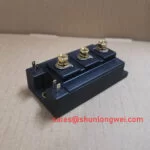
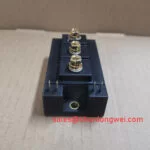
Fuji Electric 2MBI300N-060-04 IGBT Module: Engineering for Motor Drive Efficiency
Introduction: A Deep Dive into Performance
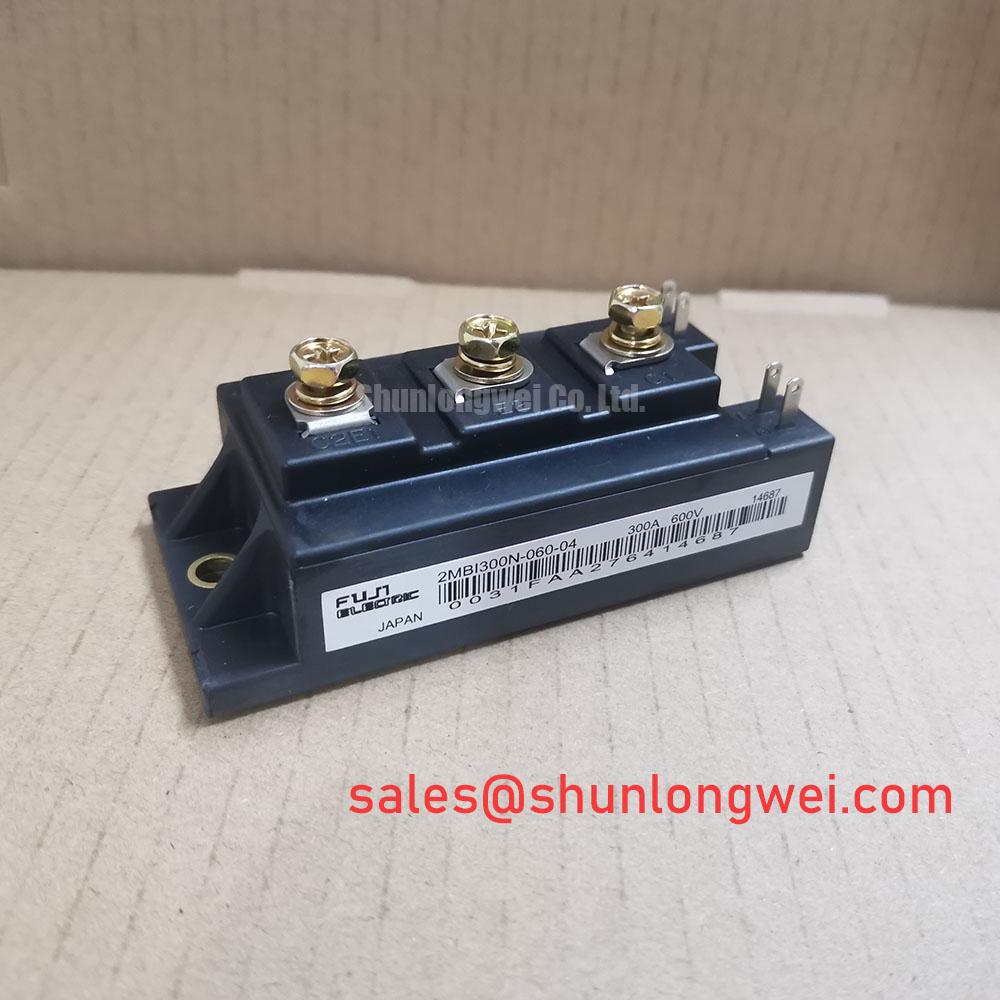
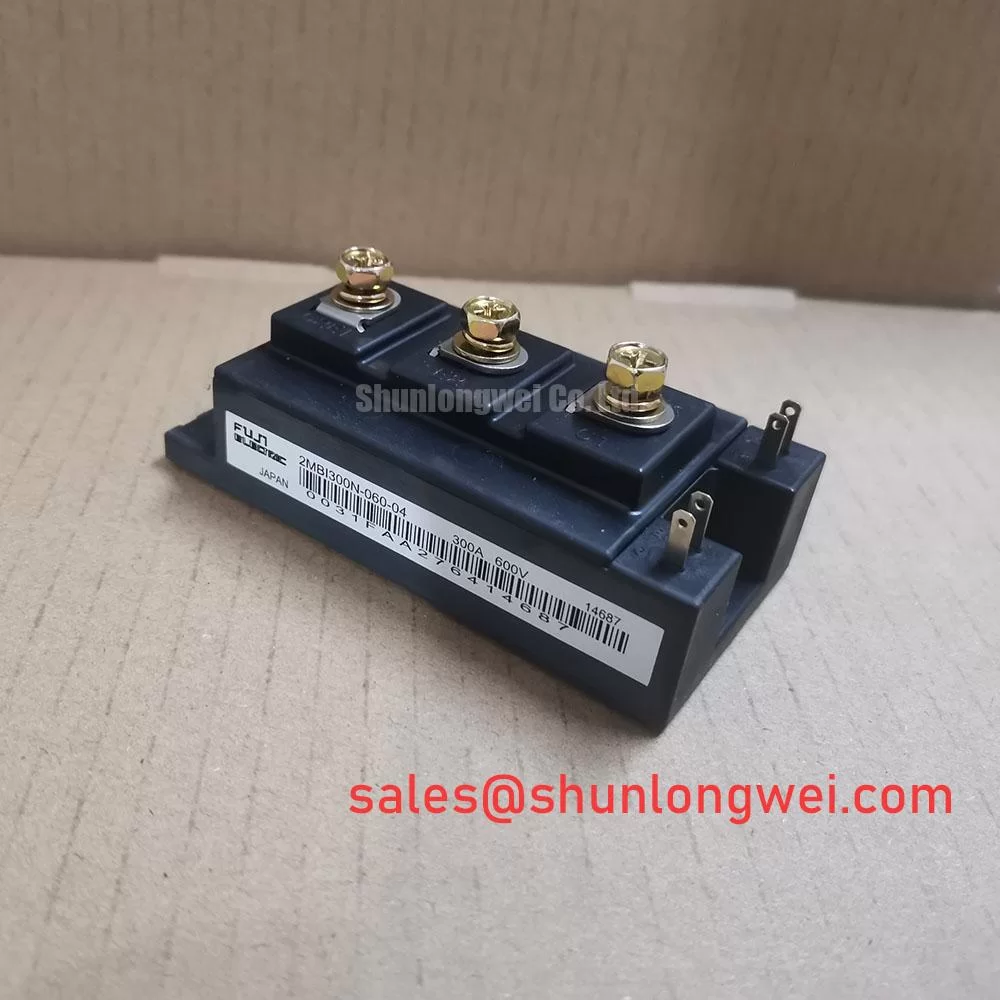
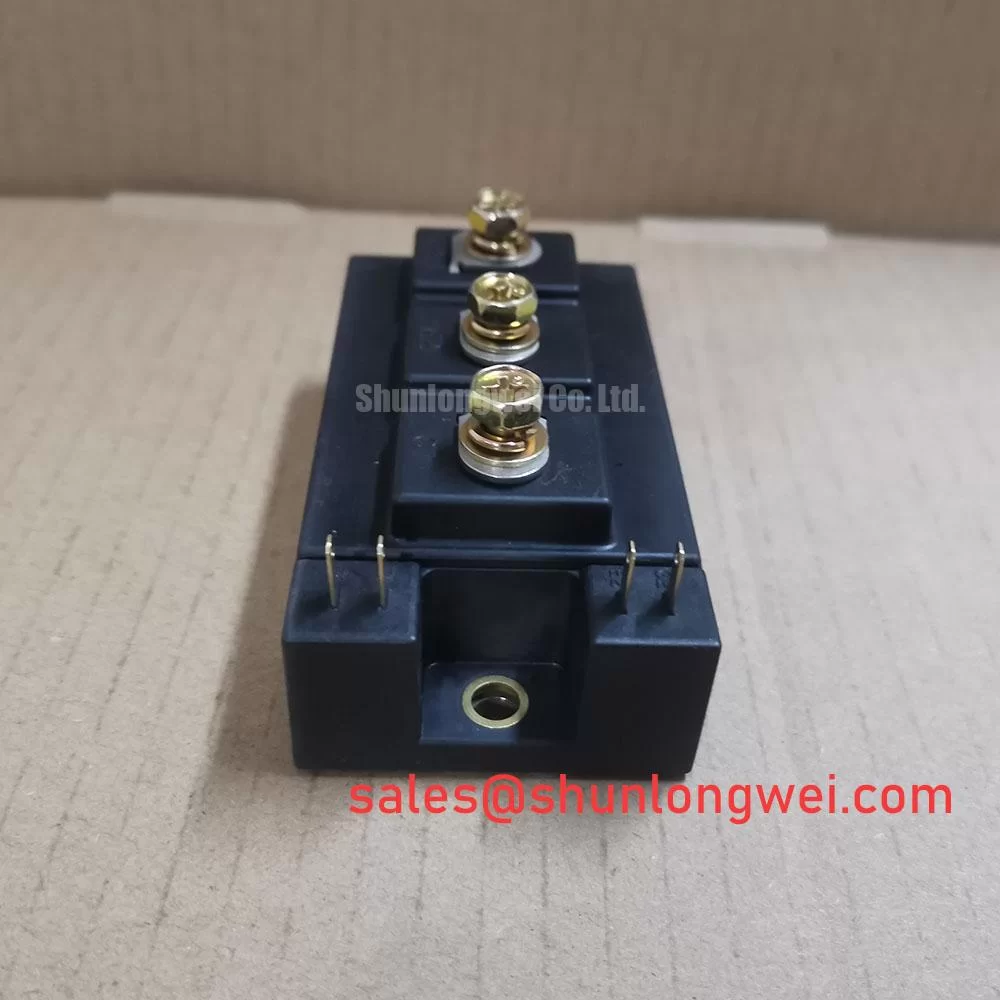
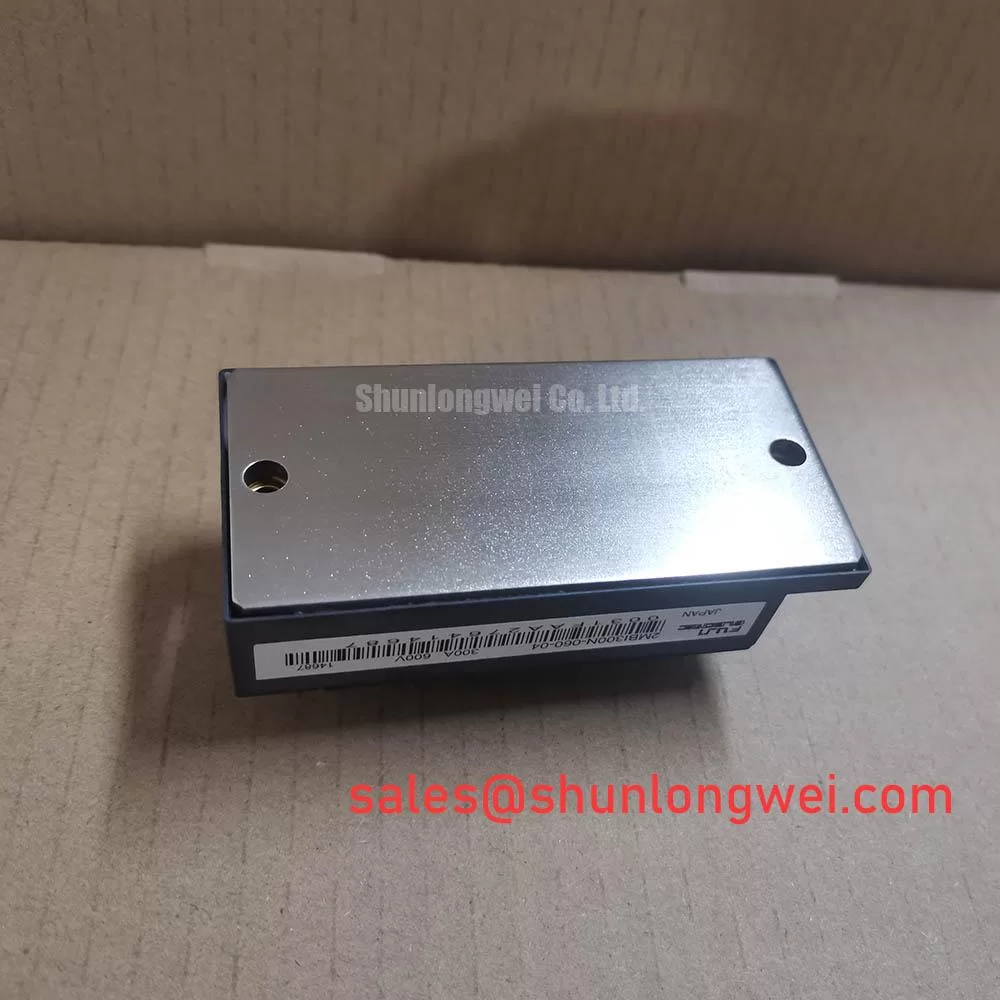
The Fuji Electric 2MBI300N-060-04 is a dual IGBT module engineered to deliver a precise balance of high-speed switching and low conduction losses for medium-power applications. With core specifications of 600V | 300A | VCE(sat) of 2.1V (typ), this device provides robust performance and simplifies thermal management. It offers the key benefits of optimized switching characteristics and a low-inductance package design. For engineers designing inverters for motor drives or uninterruptible power supplies, the classified VCE(sat) ratings facilitate straightforward paralleling to scale power output reliably. With its low thermal resistance, the 2MBI300N-060-04 is an optimal choice for systems where efficient heat dissipation and long-term reliability are paramount.
Key Parameter Overview
Decoding the Specs for Enhanced Thermal Reliability
The specifications of the 2MBI300N-060-04 are tailored for high-performance power conversion. Each parameter is a critical piece of the design puzzle, directly influencing system efficiency, thermal stability, and overall reliability.
| Characteristic | Symbol | Condition | Value | Engineering Value & Interpretation |
|---|---|---|---|---|
| Collector-Emitter Voltage | Vces | - | 600V | Provides a safe operating margin for standard 200/240V AC line applications, protecting against typical voltage transients. |
| Continuous Collector Current | Ic | Tc=80°C | 300A | Enables high power throughput, suitable for driving motors and power systems in the 50 kW to 100 kW range. |
| Collector-Emitter Saturation Voltage | VCE(sat) | Ic=300A | 2.1V (typ), 2.7V (max) | Efficiency Indicator: A lower VCE(sat) means less power is wasted as heat during operation. This value is akin to low resistance in a mechanical system, minimizing energy loss and reducing the need for extensive cooling. |
| Thermal Resistance (Junction-to-Case) | Rth(j-c) | IGBT | 0.11 °C/W | Reliability Indicator: This quantifies how effectively heat moves from the active silicon to the module's baseplate. A low value like 0.11 °C/W simplifies heatsink selection and ensures the device stays within its safe operating temperature, enhancing system longevity. |
| Turn-On Switching Energy | Eon | Ic=300A | 35 mJ/pulse | Defines the energy lost during the transition from off to on. This value is critical for applications with higher switching frequencies, as it directly impacts overall system efficiency. |
| Turn-Off Switching Energy | Eoff | Ic=300A | 30 mJ/pulse | Represents the energy lost when the device switches off. Balancing Eon and Eoff is key to optimizing performance in dynamic systems like Servo Drive applications. |
Download the 2MBI300N-060-04 datasheet for detailed specifications and performance curves.
Application Scenarios & Value
Achieving System-Level Benefits in Motor Drives and UPS
The 2MBI300N-060-04 is engineered for demanding power conversion systems where efficiency and reliability are not negotiable. Its primary application is in inverters for motor drives, which are the core of modern industrial automation. In a Variable Frequency Drive (VFD) controlling a 75 kW induction motor, the challenge is to minimize energy loss, which manifests as heat. The module's typical VCE(sat) of 2.1V at its nominal 300A rating directly addresses this. This low saturation voltage reduces conduction losses, leading to higher inverter efficiency, a smaller required heatsink, and ultimately a more compact and cost-effective system design. What is the primary benefit of its low VCE(sat)? It directly translates to lower power dissipation and improved thermal stability. This module excels in applications where consistent performance under continuous load is critical.
Another key area is in Uninterruptible Power Supply (UPS) systems. Here, the module's high-speed switching capability ensures a clean and stable AC output during a power failure. The low inductance module structure helps minimize voltage overshoots during fast switching events, protecting both the IGBTs and the downstream loads. While this module is ideal for 600V systems, for applications requiring higher blocking voltage, the related 2MBI300N-120 offers a 1200V rating. For systems with lower current requirements, the 2MBI200VA-060 provides a 200A alternative.
Frequently Asked Questions (FAQ)
How does the VCE(sat) classification of the 2MBI300N-060-04 benefit a design engineer?
Fuji Electric classifies or "bins" these modules based on their VCE(sat) performance. This ensures that modules within the same classification have very similar forward voltage drops. For engineers, this is a significant advantage when paralleling devices to handle higher currents, as it promotes better current sharing between the modules without requiring complex balancing circuits. This simplifies the design and enhances the reliability of the overall power stage.
What is the impact of the 0.11 °C/W thermal resistance on heatsink selection?
The Rth(j-c) value is a direct measure of the module's ability to transfer heat away from the IGBT junction. A lower number is better. At 0.11 °C/W, the 2MBI300N-060-04 demonstrates efficient heat transfer. This allows engineers to either use a smaller, less expensive heatsink for a given power dissipation or to operate the module at a higher power level while maintaining a safe junction temperature, thereby increasing the system's power density.
Is a negative gate voltage required to fully turn off this IGBT module?
While the datasheet specifies characteristics with a -15V gate voltage, applying a small negative voltage (e.g., -5V to -15V) to the gate at turn-off is a standard best practice. It provides a greater margin against unintended turn-on caused by noise or the Miller effect, especially in high-speed, high-current applications like inverter design. This enhances the system's immunity to electromagnetic interference (EMI).
How does the internal package inductance affect performance at high switching frequencies?
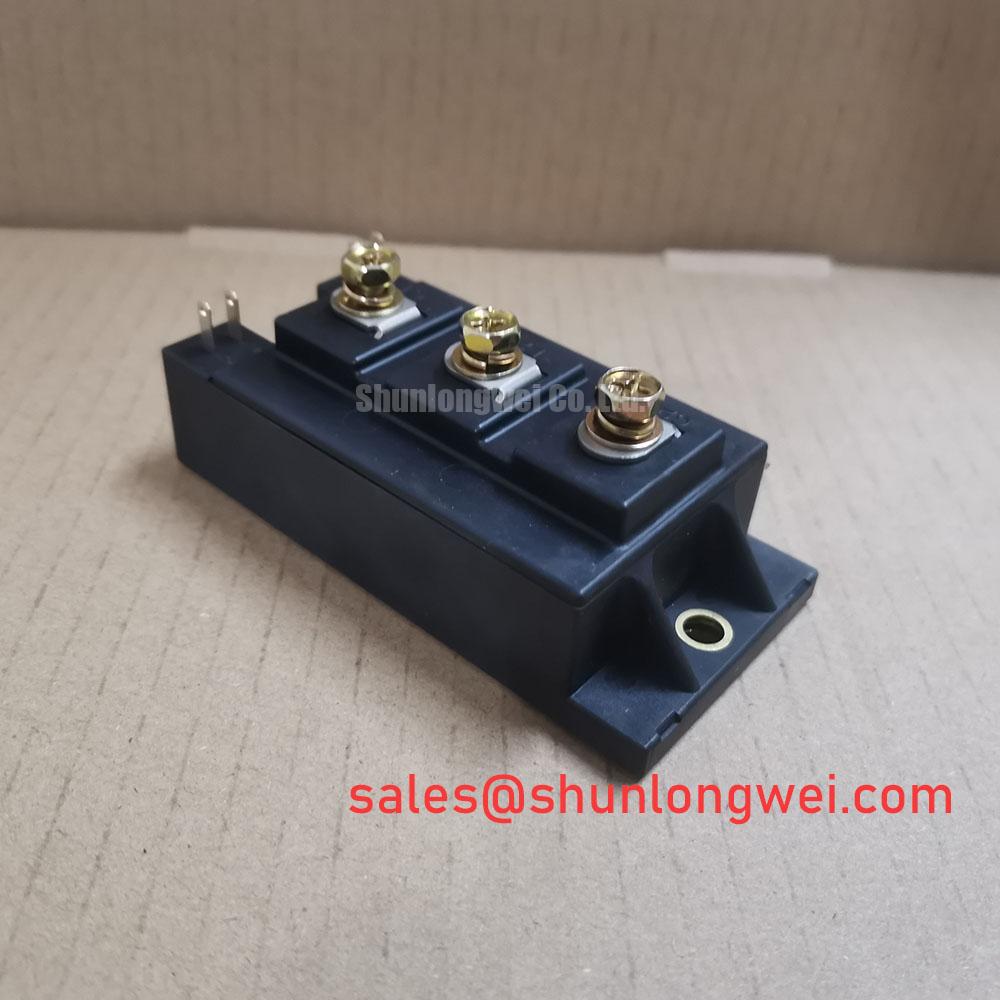
The module features a low-inductance structure. Stray inductance within a power module can cause significant voltage overshoots and ringing during fast switching transients. By minimizing this internal inductance, the 2MBI300N-060-04 reduces these destructive voltage spikes, allowing for cleaner switching waveforms, lower switching losses, and reduced EMI. This becomes increasingly important as designers push for higher switching frequency to reduce the size of magnetic components.
Can the 2MBI300N-060-04 be used in welding applications?
Yes, the datasheet explicitly lists industrial machines, such as welding power supplies, as a target application. Its ability to handle high currents (300A continuous) and its robust thermal performance make it well-suited for the demanding, pulsed-power nature of modern welding equipment.
From an Engineer's Perspective
When evaluating a workhorse component like the 2MBI300N-060-04, the focus shifts from headline numbers to the practical implications of its specifications. The real value lies in how parameters like a well-defined VCE(sat) and low thermal resistance streamline the design process. These characteristics remove variables, allowing for more predictable thermal modeling and simplified power stage design, especially when paralleling modules. It's a component designed not just to meet electrical targets, but to reduce design cycle time and enhance the manufacturability of the end system. In essence, it provides a solid, reliable foundation for any medium-power inverter platform.