Content last revised on September 10, 2026
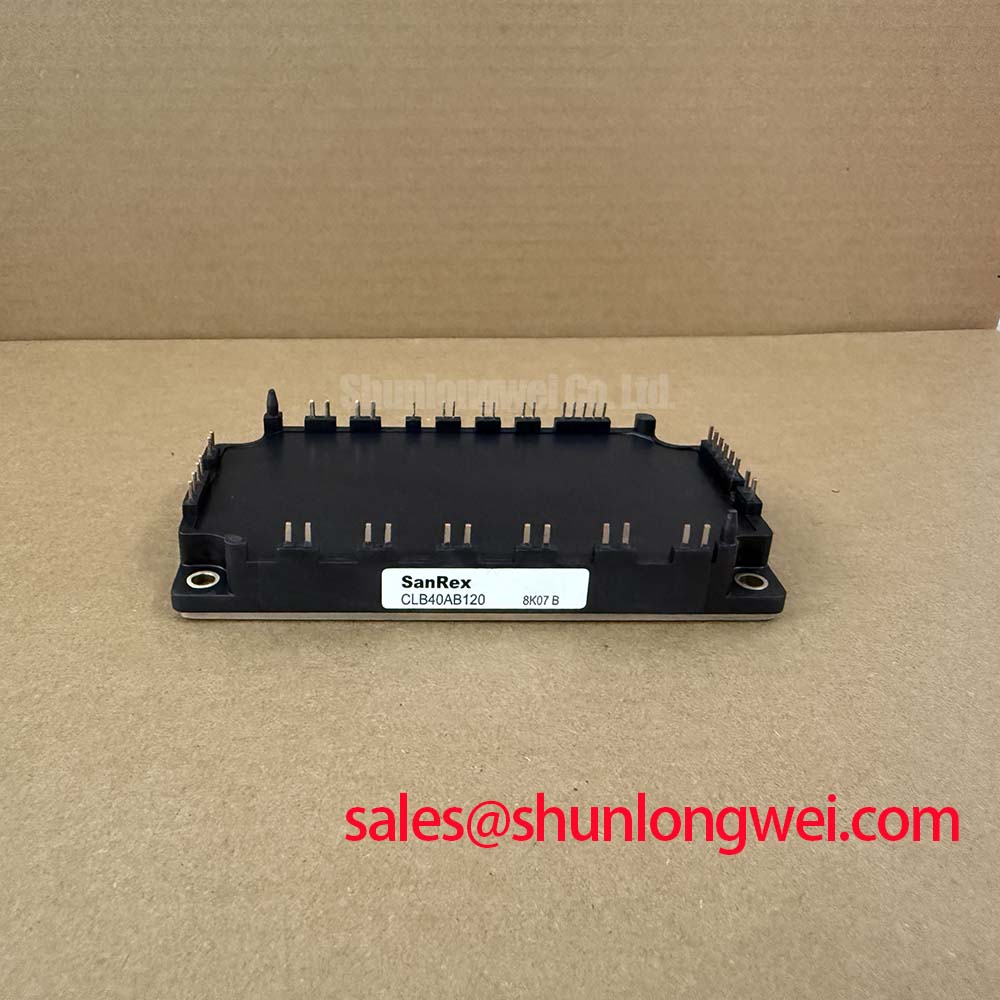
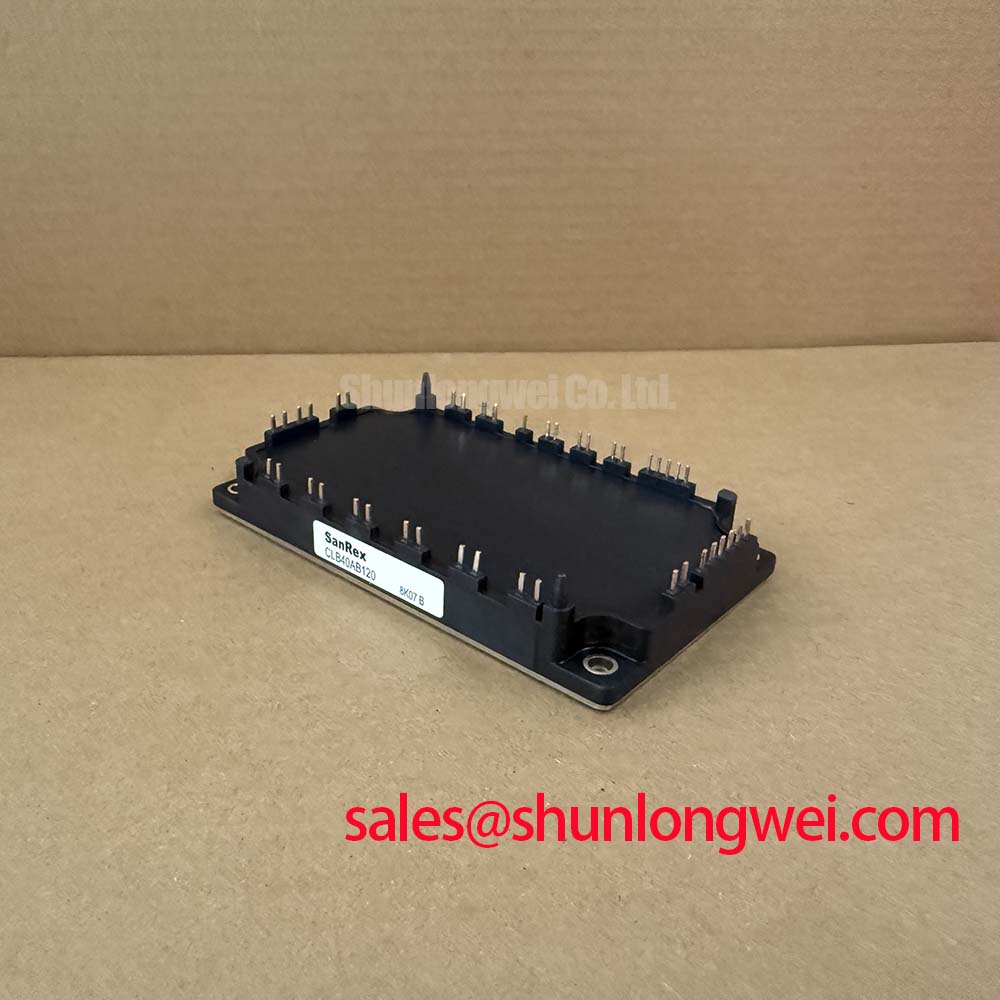
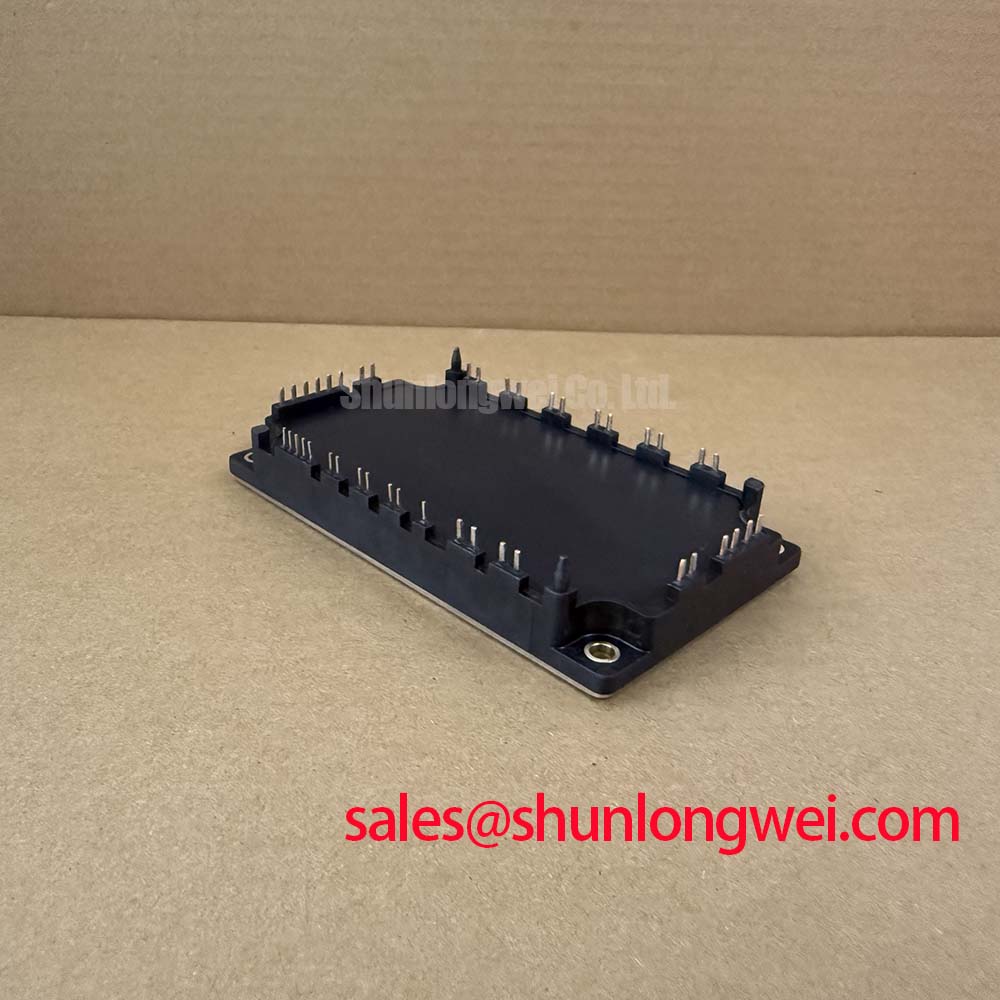
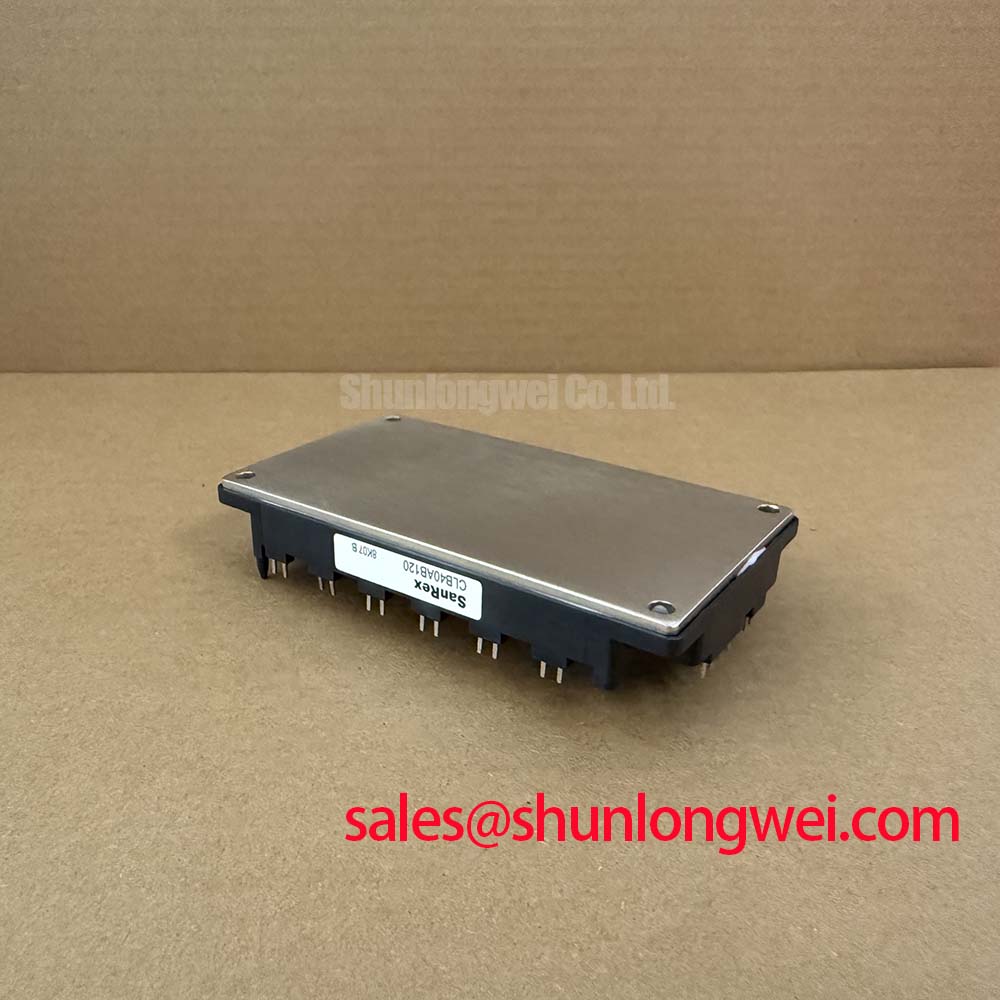
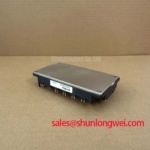
CLB40AB120 SanRex 1200V 40A Three-Phase Diode Bridge Rectifier
How can engineers eliminate the risk of voltage-spike-induced failures in 480V industrial input stages while maintaining a compact footprint? The CLB40AB120, a high-reliability three-phase diode bridge rectifier from SanRex, solves this challenge by offering a robust 1200V repetitive peak reverse voltage combined with advanced thermal transfer technology.
1200V | 40A | 2500V Isolation Voltage
- Enhanced Reliability: High surge current rating (400A) ensures survival during harsh motor startup conditions.
- Superior Thermal Management: An electrically isolated baseplate simplifies heatsink mounting and improves heat dissipation.
For industrial designers prioritizing electrical safety and thermal efficiency in power converters, the CLB40AB120 provides the necessary voltage overhead to handle line-side transients without requiring oversized external protection components.
Frequently Asked Questions
Engineering Queries for Power Rectification Design
How does the 1200V Vrrm rating of the CLB40AB120 benefit 480V AC line applications?
In a 480V system, the peak voltage is approximately 678V. The 1200V rating provides a safety margin of nearly 1.8x, which is critical for absorbing the inductive kickback and transient surges common in industrial environments. This overhead is vital for preventing avalanche breakdown during line switching events.
What is the impact of the 2500V isolation voltage on system safety and layout?
The 2500V AC isolation between the internal diode chips and the copper baseplate allows engineers to mount multiple CLB40AB120 modules on a single common heatsink. This reduces the total chassis volume and ensures compliance with international safety standards regarding creepage and clearance in high-voltage equipment.
How does the forward voltage drop (Vf) affect the thermal design of the HMI or motor drive?
The CLB40AB120 is optimized for a low forward voltage drop, typically around 1.2V. Think of the forward voltage as a "friction toll" on a highway; a lower toll means less kinetic energy is converted into heat. By minimizing this loss, the module reduces the burden on the cooling system, allowing for smaller heatsinks and higher power density.
Why is the Ifsm (Surge Forward Current) of 400A significant for industrial loads?
Industrial loads, particularly those with large capacitive filters in the DC link, experience massive inrush currents at power-on. The 400A surge rating ensures the CLB40AB120 can handle these non-repetitive cycles without degradation, ensuring long-term reliability in frequent power-cycling applications.
Can this module be used in high-frequency switching environments?
While the CLB40AB120 is a standard recovery diode bridge designed for line-frequency (50/60Hz) rectification, its low junction-to-case thermal resistance (Rth j-c) makes it an ideal front-end for high-frequency inverters. It provides a stable DC bus for downstream high-efficiency IGBT modules that handle the high-frequency pulse width modulation (PWM) stages.
Key Parameter Overview
Decoding the Specs for Enhanced Thermal Reliability
| Technical Specification | Official Value | Engineering Interpretation & Value |
|---|---|---|
| Repetitive Peak Reverse Voltage (Vrrm) | 1200V | Ensures robust performance in 440V-480V AC lines by providing ample surge headroom. |
| Average Rectified Output Current (Io) | 40A | Provides high-current handling for mid-range industrial power supplies and motor drives. |
| Surge Forward Current (Ifsm) | 400A | Withstands severe inrush currents during the charging of DC-link capacitor banks. |
| Isolation Voltage (Viso) | 2500V AC | Simplifies mechanical design by allowing direct mounting on grounded metal heatsinks. |
| Maximum Junction Temperature (Tj max) | 150°C | Offers a wide operating range, crucial for reliability in poorly ventilated enclosures. |
Technical & Design Deep Dive
A Closer Look at Three-Phase Topology Efficiency
The CLB40AB120 utilizes a compact, six-diode bridge configuration housed in a high-thermal-conductivity package. In industrial rectification, the efficiency of the front-end stage is often dictated by the ability to move heat away from the silicon junctions. SanRex employs a pressure-contact internal structure that minimizes thermal fatigue, a common failure mode in soldered assemblies where mismatching thermal expansion coefficients lead to micro-cracks over time.
By using an isolated copper baseplate, the module significantly reduces the parasitic capacitance to the ground, which is a critical factor in mitigating electromagnetic interference (EMI). This is particularly important when the rectifier feeds a high-speed inverter stage, as it prevents switching noise from coupling back into the AC mains. Engineers should note that while the CLB40AB120 is rated for 40A, proper thermal management and the use of high-quality thermal interface materials (TIM) are required to maintain the junction temperature below its 150°C limit under full load.
Application Scenarios & Value
Achieving System-Level Benefits in High-Frequency Power Conversion
The CLB40AB120 is specifically designed for the rectification stage of Variable Frequency Drives (VFD) and Uninterruptible Power Supplies (UPS). In these systems, the primary challenge is converting unstable three-phase AC into a clean DC bus. The 1200V rating of this module makes it a staple for equipment operating on global industrial grids, where voltage fluctuations are common.
In high-power industrial welding supplies, the CLB40AB120 acts as the first line of defense, providing steady current to the power factor correction (PFC) stage. Its compact form factor is a significant advantage for medical HMI systems and robotic controllers where internal cabinet space is at a premium. For engineers designing higher power systems requiring advanced switching, the CLB40AB120 serves as an ideal bridge, while for the output stage, the related SKM300GA123D offers a higher current handling capacity of 300A at 1200V.
From a system-level perspective, integrating the CLB40AB120 into a design ensures compliance with IEC 61800-3 standards for drive systems, specifically regarding the robustness of the power input stage. Its predictable performance across the -40°C to +150°C temperature range allows for a standardized design that can be deployed in diverse geographic climates, from cold-storage facilities to high-heat foundry floors.
From an engineering standpoint, the success of a power conversion system relies on the weakest link in the electrical path. By selecting the CLB40AB120, designers are choosing a component that prioritizes thermal stability and surge ruggedness. When laying out your PCB or busbar, remember that minimizing lead inductance to the DC link is just as important as the silicon's ratings. The SanRex package design assists in this by providing clear terminal access for low-inductance connections, ensuring that the module performs to its full 1200V/40A specification in the field.