
Content last revised on July 4, 2026
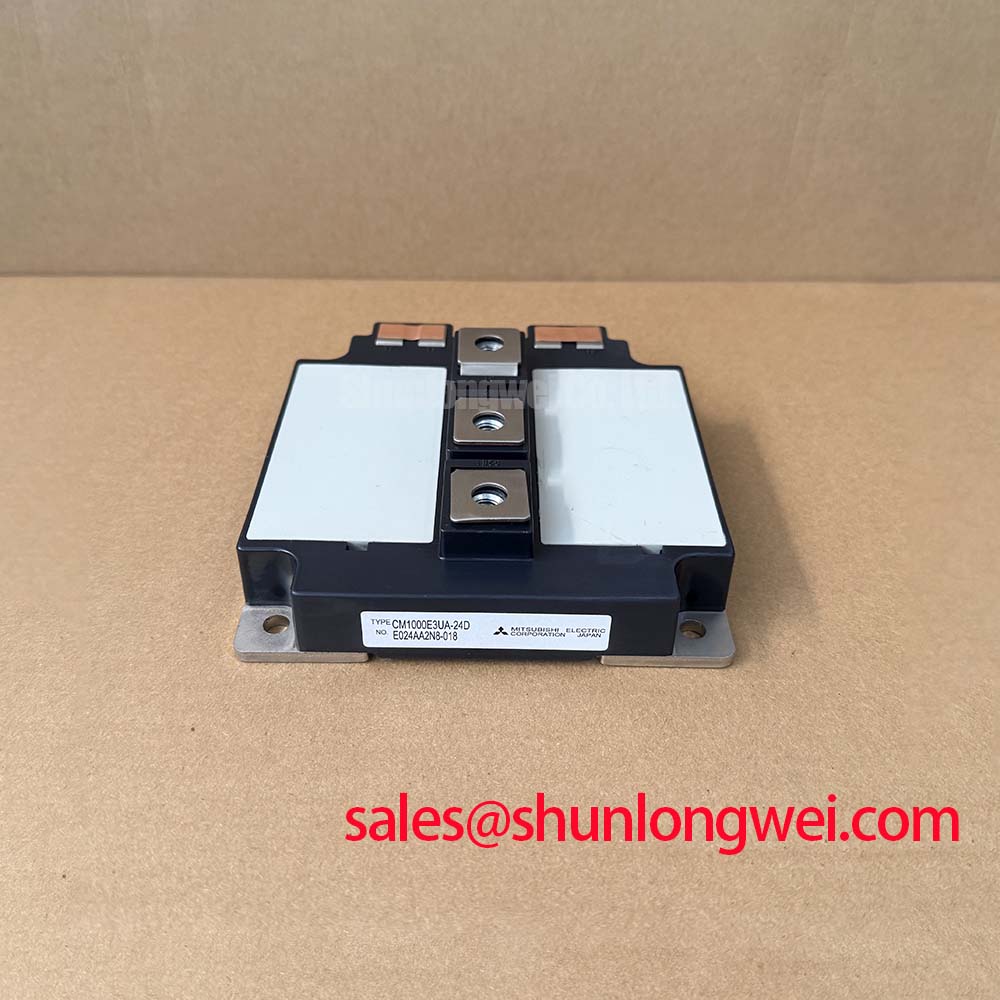
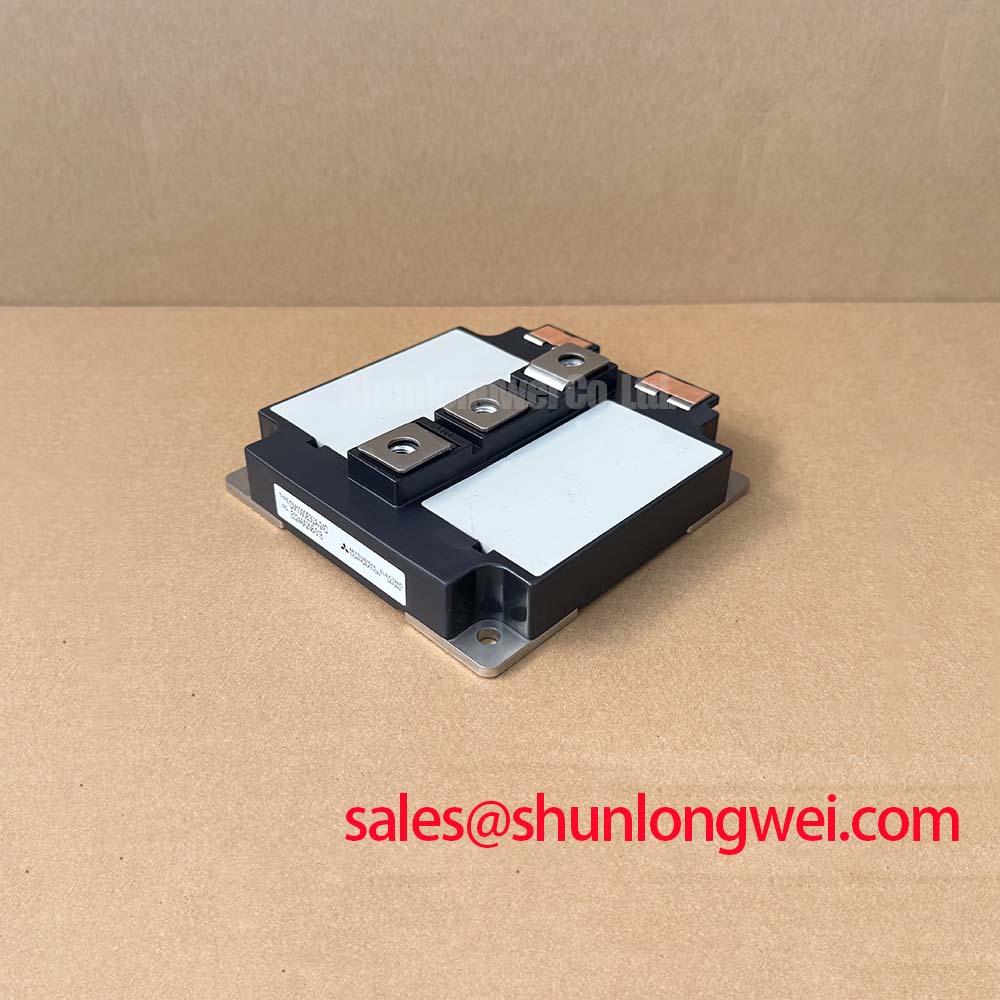
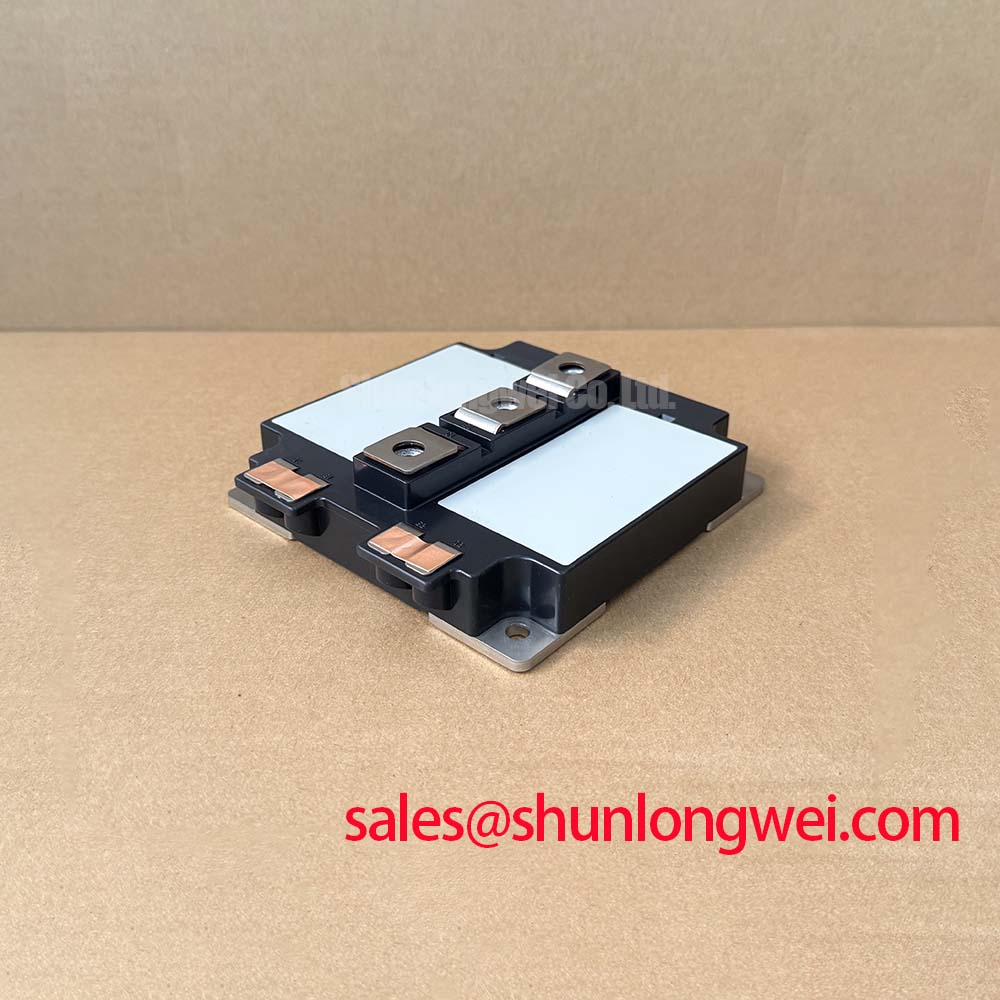
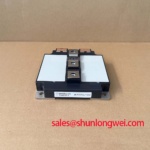
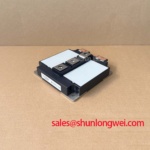
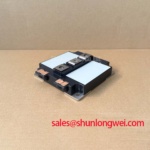
CM100E3UA-24D Mitsubishi IGBT Module: Maximizing Switching Integrity
The CM100E3UA-24D delivers optimized thermal path management and high-reliability switching for demanding industrial chopper and motor brake applications. Top Specs: 1200V | 100A | Rth(j-c) 0.24°C/W. Key Benefits: Low conduction losses. High isolation safety. How does the integrated freewheeling diode improve performance? It minimizes reverse recovery losses to protect the IGBT from voltage transients. For industrial brake circuits requiring high thermal margin, this 1200V 100A chopper module is the optimal choice.
Key Parameter Overview
Decoding the Specs for Enhanced Thermal Reliability
Selecting the right power semiconductor requires a precise evaluation of electrical boundaries. The CM100E3UA-24D by Mitsubishi is built to withstand high transient stresses while maintaining stable thermal performance under continuous load. Below is the functional classification of its key technical parameters, derived from official design specifications.
| Parameter Group | Specification Symbol | Technical Value |
|---|---|---|
| Absolute Maximum Ratings | Collector-Emitter Voltage (VCES) | 1200V |
| Continuous Collector Current (IC) | 100A | |
| Gate-Emitter Voltage (VGES) | ±20V | |
| Max Power Dissipation (PC) | 520W | |
| Electrical Characteristics | Collector-Emitter Saturation Voltage (VCE(sat)) | 2.1V (typical) / 2.7V (max) |
| Collector-Emitter Cutoff Current (ICES) | 1.0mA (max) | |
| Short Circuit Withstand Time (tsc) | 10μs (min) | |
| Thermal Characteristics | Thermal Resistance, Junction-to-Case (Rth(j-c)) | 0.24°C/W (IGBT) / 0.43°C/W (Diode) |
| Operating Junction Temperature (Tj) | -40 to +150°C |
Download the CM100E3UA-24D datasheet for detailed specifications and performance curves.
Application Scenarios & Value
Maximizing Thermal Margin in Medium-Frequency Chopper Topologies
In industrial environments, variable frequency drives (VFD) frequently experience heavy deceleration cycles. When a heavy motor slows down, it acts as a generator, feeding energy back into the system. This regenerative energy is routed through a brake chopper circuit, where the CM100E3UA-24D serves as the primary solid-state switch. Managing this repetitive surge energy presents a significant thermal challenge for system design engineers.
The CM100E3UA-24D addresses this issue through its low collector-emitter saturation voltage (VCE(sat)) of 2.1V. Think of VCE(sat) as the electrical "toll booth" that the current must pass through. By keeping this voltage drop low, the module minimizes the power dissipated as heat during conduction. This reduction in waste heat directly translates to greater system efficiency and lower thermal stress on adjacent components.
For systems demanding higher current handling capabilities within a similar 1200V class, the related CM150E3U-24H offers a 150A rating. Alternatively, the CM100E3Y-24E can be considered for specific design variations. Carefully review the ultimate guide to IGBT modules for a broader perspective on selecting appropriate packages.
Technical Deep Dive
Inside the Insulated Copper Baseplate for Advanced Heat Dissipation
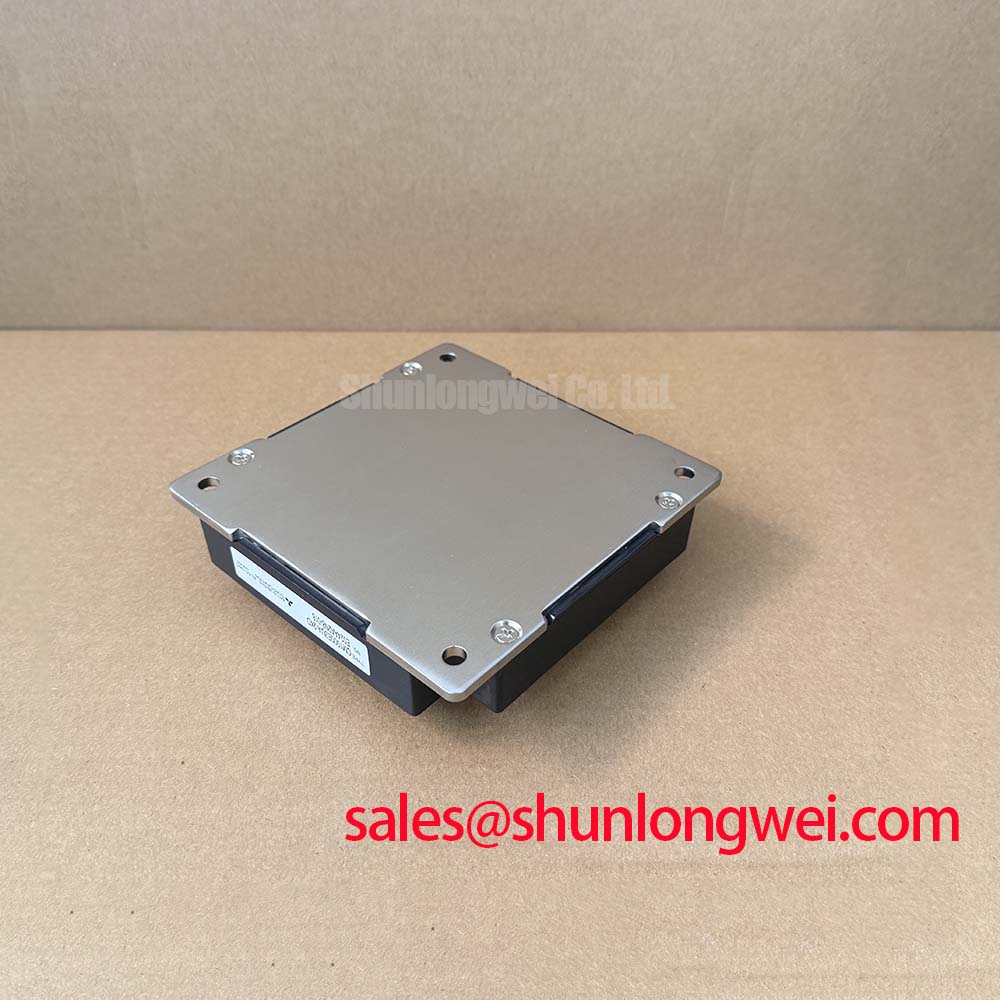
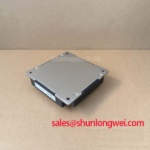
The layout and packaging of the CM100E3UA-24D are designed to support rapid heat removal. Power dissipation in industrial switches can cause rapid junction temperature spikes. To counter this, the module utilizes an insulated copper baseplate that provides an efficient thermal interface to the heatsink. This mechanical design offers 2500V isolation, simplifying layout isolation requirements.
The junction-to-case thermal resistance (Rth(j-c)) is rated at 0.24°C/W. Rth(j-c) behaves like the thermal insulation of a building. Instead of a thick thermal barrier, this low value acts as a thin sheet of glass, allowing heat to escape to the heatsink instantly. Rapid thermal dissipation keeps the junction temperature (Tj) well within its safe operating limits during active cycling.
What is the primary benefit of the module's insulated baseplate? It optimizes thermal dissipation and simplifies direct chassis mounting. How does CSTBT technology reduce conduction loss? By storing carriers in the drift region to lower collector-emitter saturation voltage. Understanding these parameters is crucial when decoding IGBT datasheets for high-power layouts. For further details on thermal limits, see this resource on why thermal resistance matters.
Gate drive reliability is further enhanced by the module's compatibility with standard negative gate bias configurations. This helps prevent parasitic turn-on events caused by high dv/dt transients. The module is fully tested to meet industry standard Short-Circuit Withstand Time requirements, ensuring robust protection under fault conditions. For engineers tracking technology iterations, comparing this platform with a Mitsubishi 7th Gen IGBT provides insight into evolving conduction profiles.
Frequently Asked Questions
Engineering Clarifications on Thermal and Electrical Limits
How does the thermal resistance Rth(j-c) of 0.24°C/W affect overall heatsink sizing?
A lower thermal resistance of 0.24°C/W limits the temperature difference between the internal silicon junction and the module case. This allows engineers to utilize a smaller heatsink while keeping the operating junction temperature comfortably below the maximum limit of 150°C under full load.
What is the significance of the ±20V gate-emitter voltage rating?
The ±20V gate-emitter voltage (VGES) rating provides a safe operational window. It protects the sensitive gate oxide layer of the IGBT from high-voltage transient spikes that can occur during rapid switching transitions in high dv/dt environments.
Is the 1200V rating of the CM100E3UA-24D suitable for 460V AC industrial grids?
Yes. In a standard 460V AC inverter, the DC bus voltage often rises to approximately 650V to 800V during regenerative braking. The 1200V rating of the module provides a safe blocking voltage margin to prevent dielectric breakdown during transient overvoltages.
To verify design compatibility or request pricing for the CM100E3UA-24D, contact our sales team today.