



Content last revised on September 10, 2026
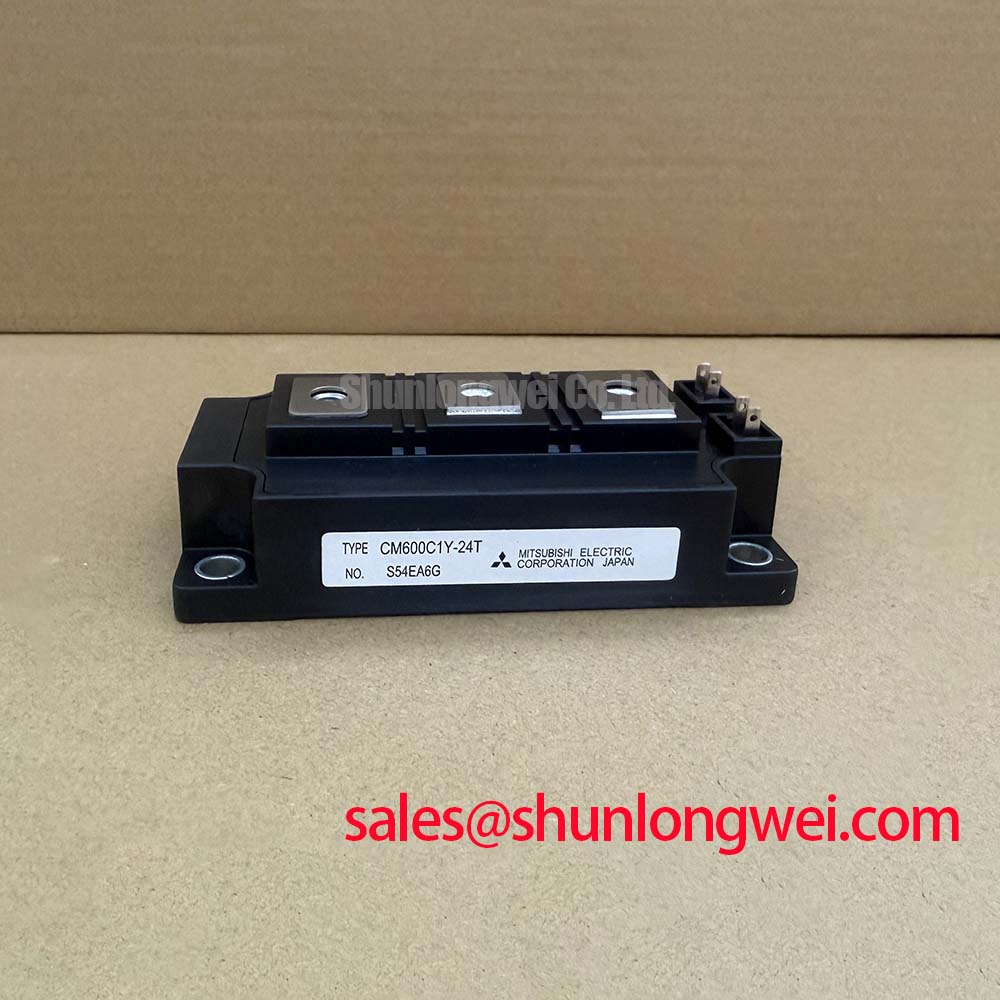
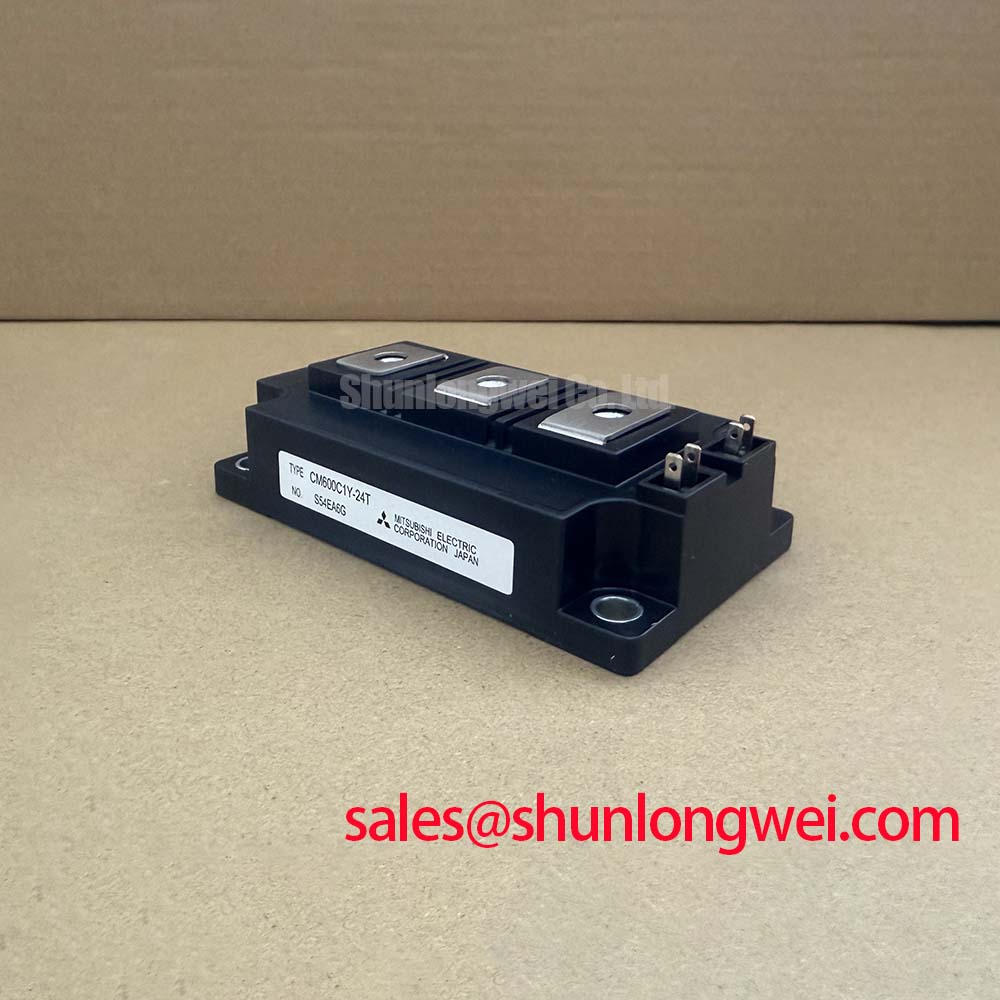
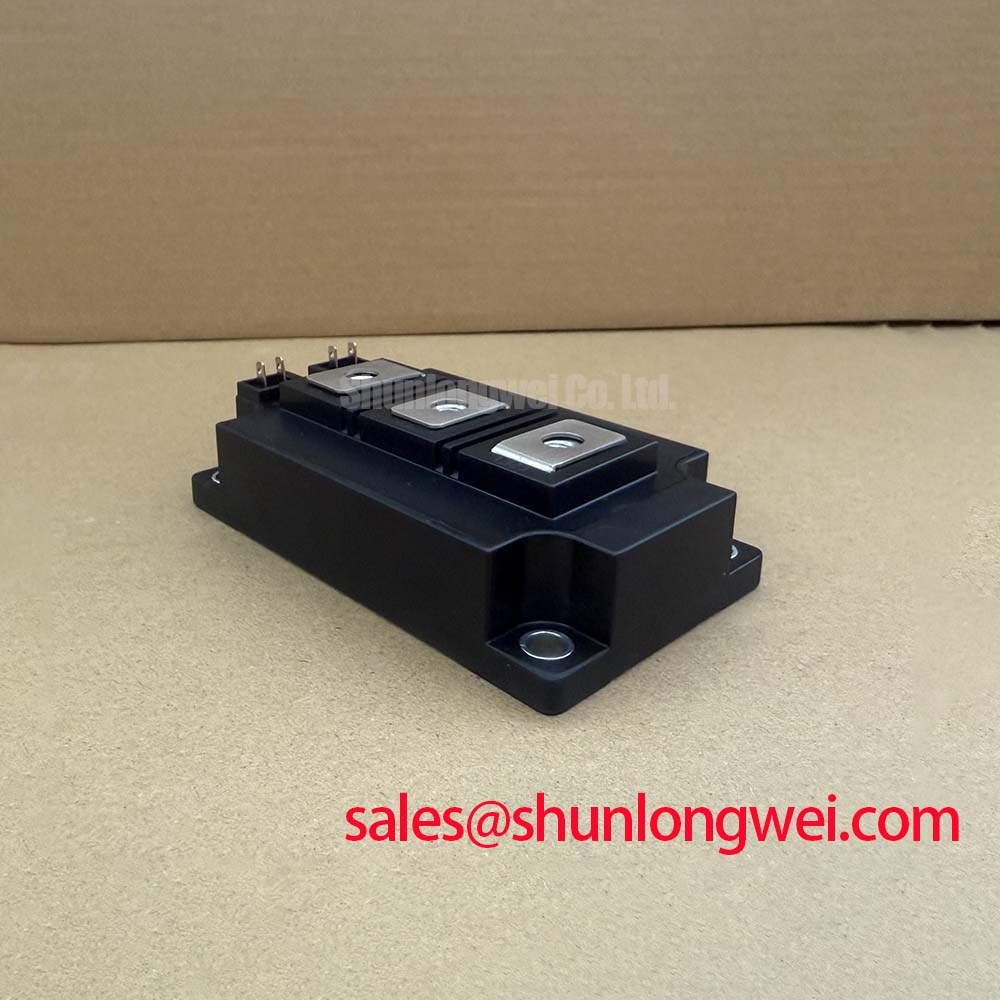
CM600C1Y-24T Mitsubishi Electric 1200V 600A IGBT Module
The CM600C1Y-24T, a flagship member of Mitsubishi Electric's 7th Generation T-Series, represents a pinnacle in IGBT Module engineering for high-power switching. Utilizing the proprietary CSTBT™ (Carrier Stored Trench-gate Bipolar Transistor) technology, this single-configuration module is specifically designed to minimize power loss while maximizing reliability in demanding industrial environments. With a Vces of 1200V and a continuous collector current rating of 600A, it offers the thermal headroom required for heavy-duty power conversion.
Top Specs: 1200V | 600A | Vce(sat) 1.55V (Typ.)
Key Benefits: Enhanced thermal cycling reliability and significantly reduced switching energy consumption.
Core Question: How does the 7th Gen T-series improve system efficiency? By optimizing the trade-off between conduction losses and switching speed, the CM600C1Y-24T enables higher switching frequencies without compromising thermal safety. For high-power VFDs requiring a 600A rating with minimized switching losses, the CM600C1Y-24T provides the necessary thermal headroom for 100% duty cycle operations.
Key Parameter Overview
Decoding the Specs for Enhanced Thermal Reliability
The following table summarizes the critical electrical and thermal characteristics of the CM600C1Y-24T as defined in the official Mitsubishi Electric technical documentation.
| Category | Parameter | Value / Condition |
|---|---|---|
| Electrical Rating | Collector-Emitter Voltage (Vces) | 1200V |
| Electrical Rating | Collector Current (Ic) | 600A (Tc = 125°C) |
| Voltage Drop | Collector-Emitter Saturation Voltage | 1.55V (Typ. at Tj = 125°C) |
| Thermal Spec | Thermal Resistance (Rth(j-c)) | 0.045 K/W (IGBT part) |
| Gate Spec | Gate-Emitter Threshold Voltage | 6.0V (Typ.) |
| Isolation | Isolation Voltage (Viso) | 2500V (AC, 1 minute) |
Download the CM600C1Y-24T datasheet for detailed specifications and performance curves.
Application Scenarios & Value
Achieving System-Level Benefits in High-Power Conversion
The CM600C1Y-24T is engineered for applications where current density and reliability cannot be compromised. Its single-switch (1-in-1) topology makes it the foundational building block for multi-phase bridge architectures in massive industrial systems. One of the primary engineering challenges in Variable Frequency Drive (VFD) design is managing the transient surge during motor start-up. The CM600C1Y-24T addresses this with a robust Short-Circuit Withstand Time of 10 microseconds, allowing the Gate Drive logic sufficient time to respond to desaturation events without catastrophic failure.
In the renewable energy sector, specifically for Solar Inverter central systems, the low Vce(sat) of this module directly translates to reduced heat dissipation requirements. This allows engineers to specify smaller heatsinks or reduce fan speeds, improving the overall Thermal Management and extending the life of the system. For systems requiring different current handling or dual configurations, related options like the CM600DX-24T or the CM450DX-24T offer alternative footprint and integration choices.
Technical Deep Dive
A Closer Look at the CSTBT™ Structure and Thermal Efficiency
The core innovation of the CM600C1Y-24T lies in its 7th Generation CSTBT™ chip architecture. Unlike traditional trench-gate designs, Mitsubishi has optimized the carrier concentration within the drift layer. Think of this like a highway system where the lanes have been widened specifically for peak-hour traffic; by increasing the carrier density near the emitter, the module achieves a lower forward voltage drop without increasing the chip size.
From a Thermal Design perspective, the module features a high-performance copper baseplate and an integrated thermistor for real-time junction temperature monitoring. The Rth(j-c) of 0.045 K/W is exceptionally low, functioning as a "thermal superhighway" that conducts heat away from the silicon die to the heatsink with minimal resistance. This is critical for preventing IGBT failure due to thermal runaway in high-ambient temperature environments. Furthermore, the Kelvin Emitter terminal reduces the influence of main circuit inductance on the gate drive signal, ensuring clean switching waveforms even at high current levels.
To further understand the underlying physics, you may explore our technical guide on deconstructing the IGBT structure or learn about the fundamentals of module selection.
Frequently Asked Questions
How does the low Rth(j-c) of 0.045 K/W impact heatsink selection?
The low thermal resistance of the CM600C1Y-24T means the temperature gradient between the junction and the case is significantly reduced. For an engineer, this translates to the ability to run the module at higher power densities or to use a smaller, less expensive heatsink while maintaining a safe junction temperature below the 175°C limit.
What are the advantages of the 7th Gen T-series over the earlier NF series?
The T-series offers a significant reduction in switching losses (Eon/Eoff) and a lower Vce(sat). This dual improvement increases overall efficiency by approximately 15-20% in typical Variable Frequency Drive applications, allowing for higher switching frequencies with lower EMI signatures.
Is a negative gate voltage required for turn-off with the CM600C1Y-24T?
While the CM600C1Y-24T is robust, utilizing a Negative Gate Voltage (typically -5V to -15V) during the OFF state is highly recommended in high-power 600A circuits to prevent parasitic turn-on caused by Miller capacitance ($dv/dt$) during the switching of the complementary device in a bridge circuit.
For engineering teams evaluating power semiconductors for next-generation industrial drives, the CM600C1Y-24T offers a proven, data-backed solution for high-efficiency energy conversion. For further insights into maintenance and testing, see our guide on testing IGBT modules in the field.