
Content last revised on September 10, 2026
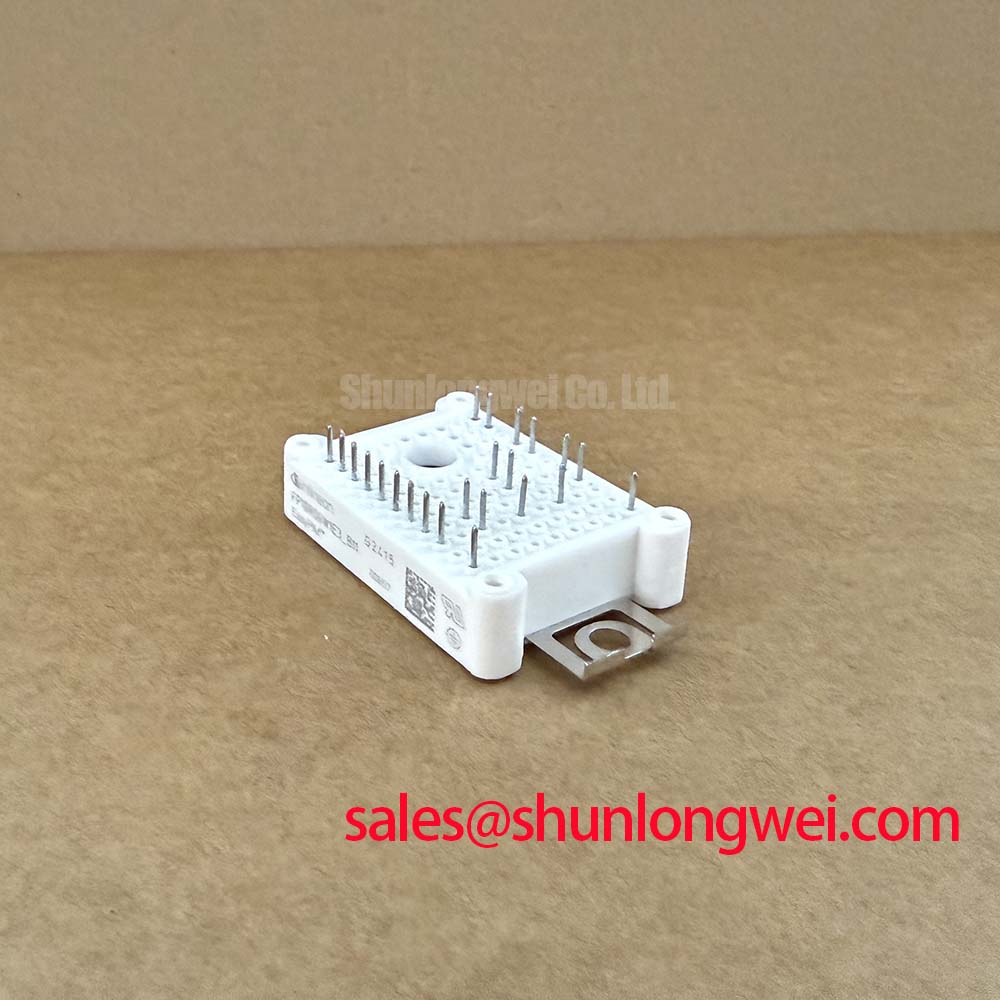
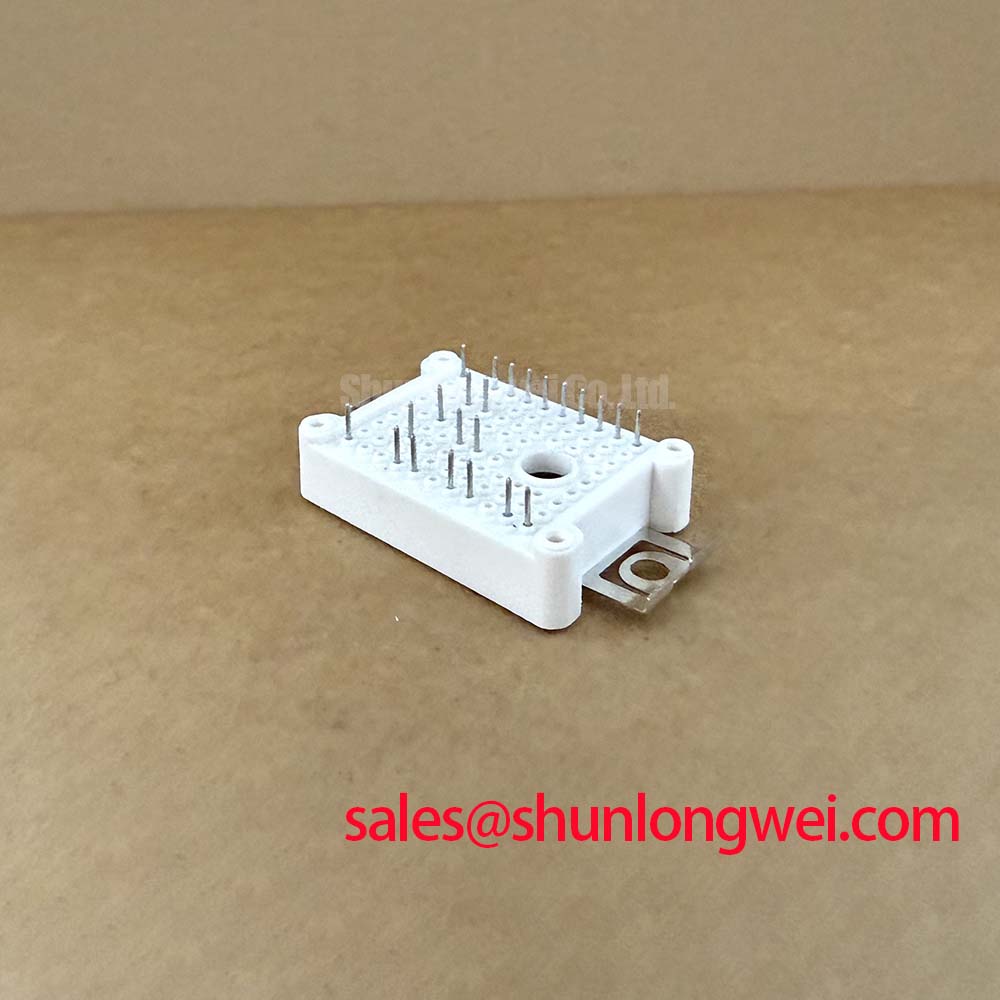
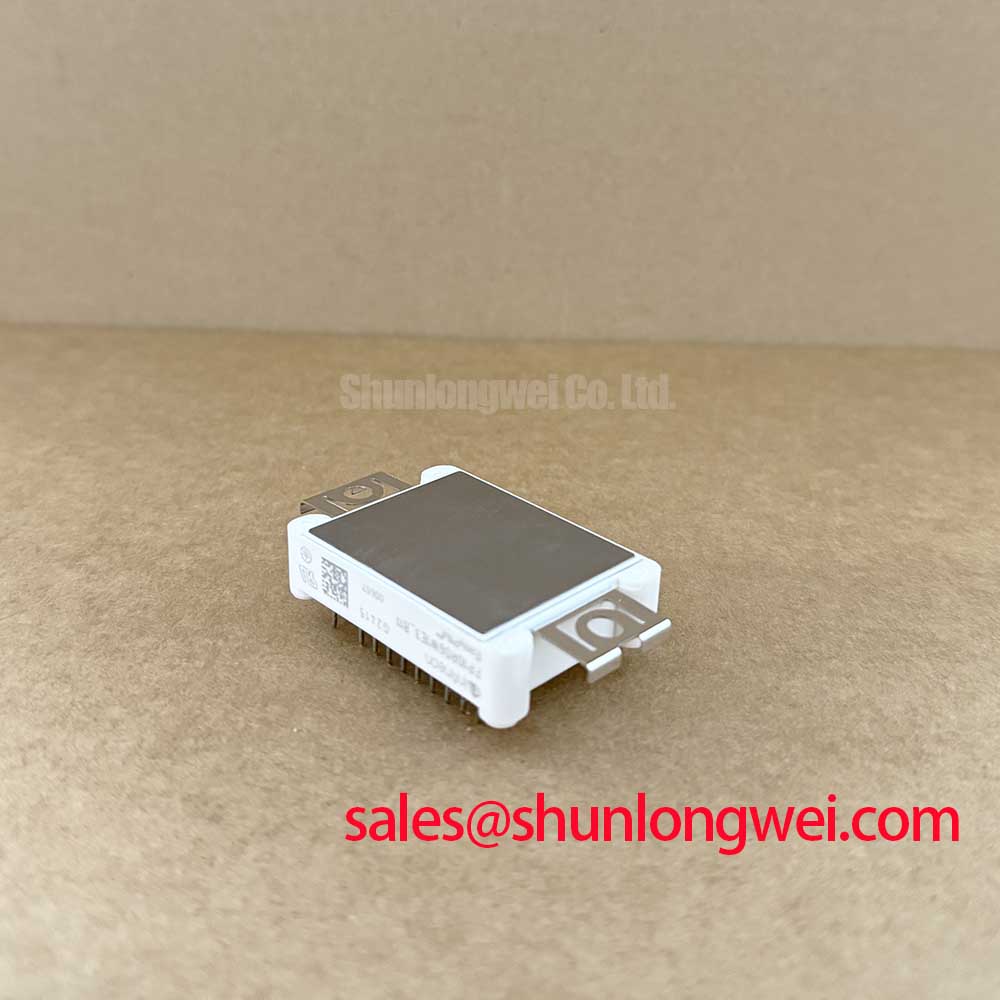
FP10R06W1E3_B11 Infineon EasyPIM™ 1B 600V 10A IGBT Module
The Infineon FP10R06W1E3_B11, a core component of the EasyPIM™ 1B family, represents a highly integrated Power Integrated Module (PIM) designed to optimize space and reliability in low-power industrial applications. By combining a three-phase input rectifier, a three-phase inverter stage, a brake chopper, and an integrated NTC thermistor into a single compact housing, it streamlines the design of small-scale motor drives. Utilizing TRENCHSTOP™ IGBT3 technology, the module delivers an exceptional balance between low switching losses and high robustness. For compact motor drives prioritizing assembly speed and long-term vibration resistance, this 10A module is the optimal choice.
What is the primary benefit of the PressFIT pins in the FP10R06W1E3_B11? It provides a solderless, gas-tight connection that significantly improves reliability by eliminating solder fatigue under mechanical and thermal stress. How does the integrated NTC thermistor assist engineers? It allows for precise, real-time temperature monitoring directly at the power stage to prevent catastrophic thermal runaway.
Key Parameter Overview
Decoding the Specs for Enhanced System Reliability
The following technical data is derived from the official manufacturer documentation to support engineering evaluation and procurement decisions.
| Technical Specification | Value / Rating |
|---|---|
| Collector-Emitter Voltage (Vces) | 600V |
| Continuous DC Collector Current (Ic) | 10A (at Tc = 80°C) |
| Repetitive Peak Collector Current (Icrm) | 20A |
| Configuration | PIM (Rectifier + Inverter + Brake + NTC) |
| IGBT Technology | TRENCHSTOP™ IGBT3 |
| Diode Technology | EmCon HE |
| Package Type | EasyPIM™ 1B |
| Pin Technology | PressFIT (Solderless) |
| Isolation Voltage (Visol) | 2.5 kV AC 1 min |
Download the FP10R06W1E3_B11 datasheet for detailed specifications and performance curves.
Application Scenarios & Value
Achieving High Power Density in Small-Scale Automation
The FP10R06W1E3_B11 is specifically engineered for cost-sensitive yet high-reliability environments such as Variable Frequency Drives (VFD) and Servo Drive systems. Its 600V rating makes it ideal for 230V AC line applications, providing sufficient overhead for voltage transients while maintaining high switching efficiency.
Consider a high-fidelity engineering scenario involving a compact robotic arm controller. Engineers often face the challenge of managing thermal dissipation within a sealed enclosure where traditional soldering might fail due to constant vibration and thermal cycling. The PressFIT technology of the FP10R06W1E3_B11 solves this by creating a cold-welded, gas-tight interface that remains stable even under intense mechanical stress. Furthermore, the low Vce(sat) characteristic of IGBT3 technology minimizes conduction losses, allowing for a smaller heatsink footprint.
In the context of modern industrial trends, such as the shift toward Decentralized Drive Technology and Smart Factory automation, the integration of the Brake Chopper directly in the module simplifies the implementation of dynamic braking in conveyor systems or small pumps. For systems requiring slightly higher power handling within the same Easy housing family, the related FP15R12W1T4 offers a 1200V capability for 400V grid applications.
Technical & Design Deep Dive
A Closer Look at PressFIT Assembly and Thermal Integration
The defining characteristic of the FP10R06W1E3_B11 is the "B11" suffix, denoting the PressFIT pin configuration. Unlike standard solder pins, PressFIT pins function like high-tension, spring-loaded electrical contacts. This can be compared to a high-quality mechanical press-fit joint in automotive engineering; it accommodates thermal expansion and contraction without the micro-cracking risks associated with rigid solder joints. This is crucial for maintaining the integrity of the Gate Drive signal path over a 10-year operational lifespan.
Thermally, the module utilizes an Alumina (Al2O3) substrate which provides a direct path for heat to move from the IGBT chips to the baseplate. The NTC thermistor is positioned in close proximity to the power chips. To use a simple analogy, the NTC acts like a built-in thermometer for a precision engine, allowing the controller to sense temperature spikes and adjust the PWM frequency or trigger a safe shutdown before the SOA (Safe Operating Area) is breached. This level of integration is essential for complying with IEC 61800-3 standards for drive reliability.
Frequently Asked Questions
Engineering Support for FP10R06W1E3_B11 Integration
What are the specific advantages of the PressFIT pins over traditional soldering for the FP10R06W1E3_B11?
The PressFIT pins eliminate the need for a manual or wave soldering process, reducing assembly time and avoiding the risk of "cold solder joints." Mechanically, the gas-tight connection is far more resistant to vibration and thermal shock, which is vital for drives mounted directly onto motors.
How does the TRENCHSTOP™ IGBT3 technology affect the overall efficiency of a 10A drive?
TRENCHSTOP™ IGBT3 technology provides a significantly lower Vce(sat), typically around 1.55V. This reduces conduction losses during the "on" state. When combined with the EmCon HE fast-recovery diodes, the module minimizes Switching Loss, allowing the system to operate at higher frequencies with less thermal overhead.
Is the integrated NTC thermistor sufficient for protecting the module against over-temperature?
While the NTC provides a highly accurate reading of the internal substrate temperature, it is intended to be part of a broader Thermal Management strategy. Engineers should use the NTC data to implement software-level derating or shutdown protocols. For comprehensive protection, this should be paired with accurate current sensing to detect short-circuit events within the SCSOA limits.
As a leading technical partner for power electronics, we provide comprehensive data to empower your engineering decisions. For detailed integration support or to verify the latest technical documentation regarding the EasyPIM™ series, please consult our technical resources or your project lead.
The Engineer's Ultimate Guide: An In-Depth Analysis of IGBT Modules