
Content last revised on September 10, 2026
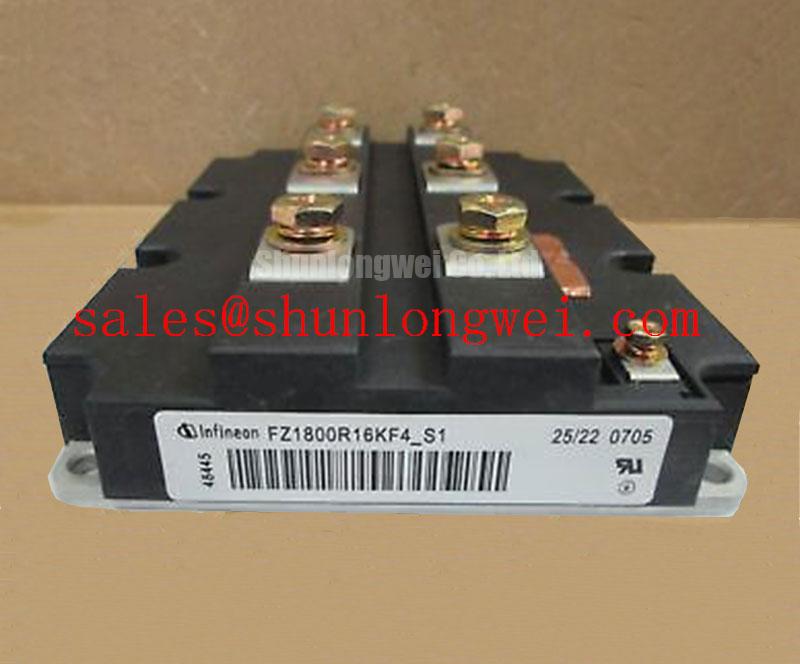
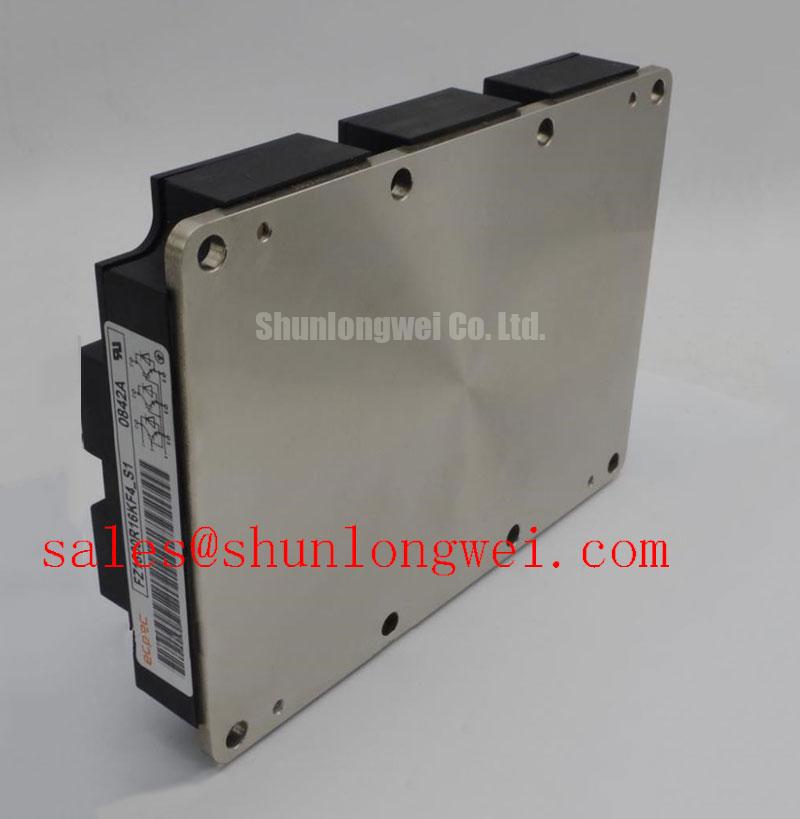
FZ1800R16KF4_S1: The High-Power 1600V IGBT Module for Demanding Industrial Applications
Engineered for Megawatt-Scale Power Conversion with Exceptional Thermal Stability
The Infineon FZ1800R16KF4_S1 is a high-power IGBT module designed for robust performance in the most demanding high-voltage industrial systems. It delivers exceptional current handling and thermal stability, making it a cornerstone component for reliable megawatt-scale power conversion. With core specifications of 1600V | 1800A | VCE(sat) 2.2V (typ.), this module provides the performance headroom required for large-scale inverters and drives. Key engineering benefits include superior power density and enhanced operational reliability. This module directly addresses the need for high-current switching in systems connected to 690V AC lines, providing the necessary voltage margin for dependable operation under transient conditions.
Application Scenarios & Value
Driving Efficiency and Reliability in High-Power Systems
The FZ1800R16KF4_S1 is engineered for applications where power density, efficiency, and long-term reliability are critical design criteria. Its high current rating and robust thermal design make it particularly well-suited for the core of high-power converters and motor drives.
- Industrial Motor Drives: In large-scale manufacturing and processing plants, this module capably manages the high currents required for multi-megawatt medium-voltage motor drives, used in equipment such as rolling mills, large pumps, and compressors. Its low conduction loss, characterized by a typical VCE(sat) of 2.2V at nominal current, translates directly to higher inverter efficiency and reduced cooling requirements.
- Renewable Energy Inverters: The FZ1800R16KF4_S1 is a critical component for central solar inverters and wind turbine converters. Its 1600V blocking voltage provides a robust safety margin for systems connected to grids up to 690V AC, ensuring resilience against voltage spikes and contributing to grid stability.
- Power Transmission & Distribution: The module's high power handling capability is valuable in applications like static VAR compensators (SVC) and other flexible AC transmission systems (FACTS), where efficient and reliable power flow control is essential.
For systems that may not require the full 1800A capacity, designers can evaluate the related FZ1200R16KF4, which offers a similar voltage rating with a 1200A current capacity within a comparable package family.
Key Parameter Overview
Technical Specifications of the FZ1800R16KF4_S1
The parameters below highlight the module's capacity for high-power, high-reliability operation. The low thermal resistance is particularly noteworthy, as it is a direct indicator of the module's ability to efficiently transfer heat away from the semiconductor junctions, a critical factor for long-term operational stability.
| Parameter | Value | Significance |
|---|---|---|
| Collector-Emitter Voltage (V_CES) | 1600 V | Provides substantial safety margin for 690V AC line applications. |
| Continuous Collector Current (I_C,nom) | 1800 A | Enables control of multi-megawatt loads. |
| Collector-Emitter Saturation Voltage (V_CE,sat) | 2.2 V (Typ. at I_C,nom, T_vj=125°C) | Low on-state voltage minimizes conduction losses, increasing system efficiency. |
| Thermal Resistance, Junction-to-Case (R_thJC) | ≤ 0.009 K/W (per IGBT) | Highlights exceptional heat dissipation capability, crucial for reliability under high load. |
| Maximum Junction Temperature (T_vj,max) | 150 °C | Supports operation in demanding thermal environments. |
| Gate-Emitter Threshold Voltage (V_GE(th)) | 5.0 V to 6.5 V | Defines the turn-on characteristic and ensures good noise immunity. |
Technical Deep Dive
Focus on Thermal Management and Reliability
What is the primary benefit of its low thermal resistance? Enhanced long-term reliability by minimizing thermal stress. The standout feature of the FZ1800R16KF4_S1 is its extremely low junction-to-case thermal resistance (R_thJC) of just 0.009 K/W per IGBT. This value is not just a number; it represents the module's efficiency in evacuating waste heat from the active silicon die to the heatsink. Think of it like the difference between a narrow country lane and a multi-lane highway for heat traffic. A lower R_thJC is the 'highway,' allowing vast amounts of thermal energy to move away from the junction quickly, preventing it from reaching critical temperatures.
This superior thermal performance directly impacts system reliability in two ways. First, it allows the module to operate closer to its maximum current rating without exceeding the 150°C maximum junction temperature, providing a greater operational margin. Second, by keeping the junction temperature lower and more stable during load cycles, it significantly reduces thermomechanical stress on the internal solder layers and wire bonds. This is a key factor in extending the module's power cycling capability and overall operational lifetime, which is a paramount concern in capital-intensive applications like wind turbines and industrial drives.
Frequently Asked Questions (FAQ)
What is the primary application for a 1600V IGBT like the FZ1800R16KF4_S1?
This IGBT module is primarily designed for high-power inverters and converters connected to 690V AC industrial grids. The 1600V rating provides the necessary voltage headroom to safely handle DC-link voltages and transient overvoltages common in these systems.
How does the low VCE(sat) benefit my design?
A low collector-emitter saturation voltage (V_CE,sat) directly reduces the power lost as heat during the 'on' state of the IGBT. For the FZ1800R16KF4_S1, a typical VCE(sat) of 2.2V at 1800A means lower conduction losses, which improves overall system efficiency and simplifies the thermal management design, potentially allowing for a smaller, more cost-effective heatsink.
What does the R_thJC value of 0.009 K/W mean in practical terms?
This very low thermal resistance indicates that for every watt of heat generated at the semiconductor junction, the temperature will only rise by 0.009°C by the time it reaches the module's case. It signifies an extremely efficient thermal path, allowing for effective cooling and ensuring the device remains within its safe operating temperature limits even under heavy electrical loads.
Strategic Outlook for High-Power Conversion
The FZ1800R16KF4_S1 represents a critical enabling technology for the ongoing push towards higher efficiency and greater power density in industrial and renewable energy sectors. As system power levels continue to climb, the ability to manage immense currents reliably within a standard industrial footprint becomes a significant competitive advantage. This module's design, which prioritizes both electrical performance and thermal robustness, provides engineers with a foundational component to build next-generation power systems that are not only powerful but also durable and efficient over a long operational lifespan.