

Content last revised on November 19, 2025
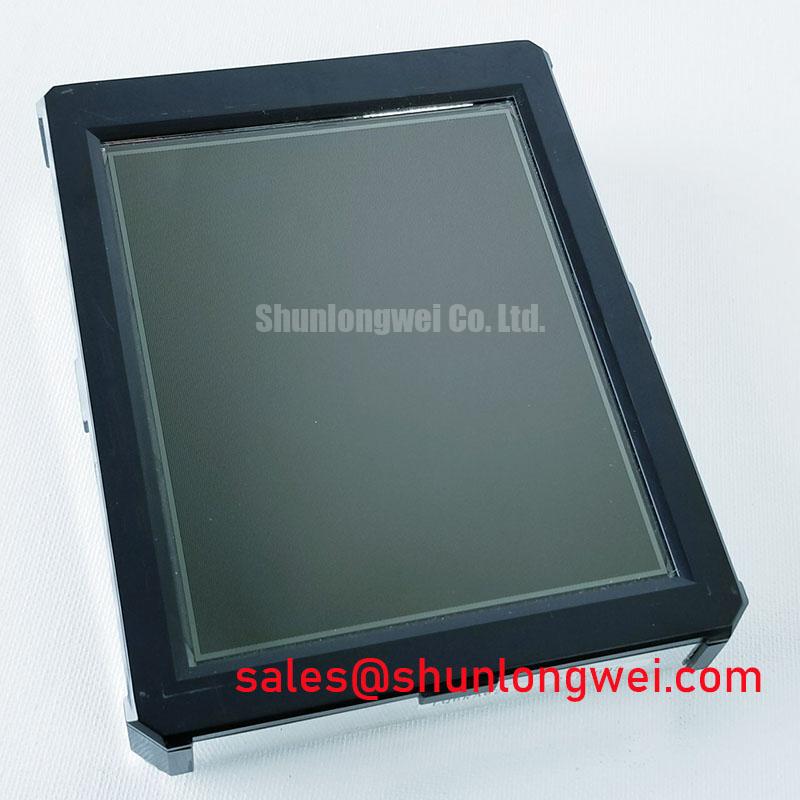
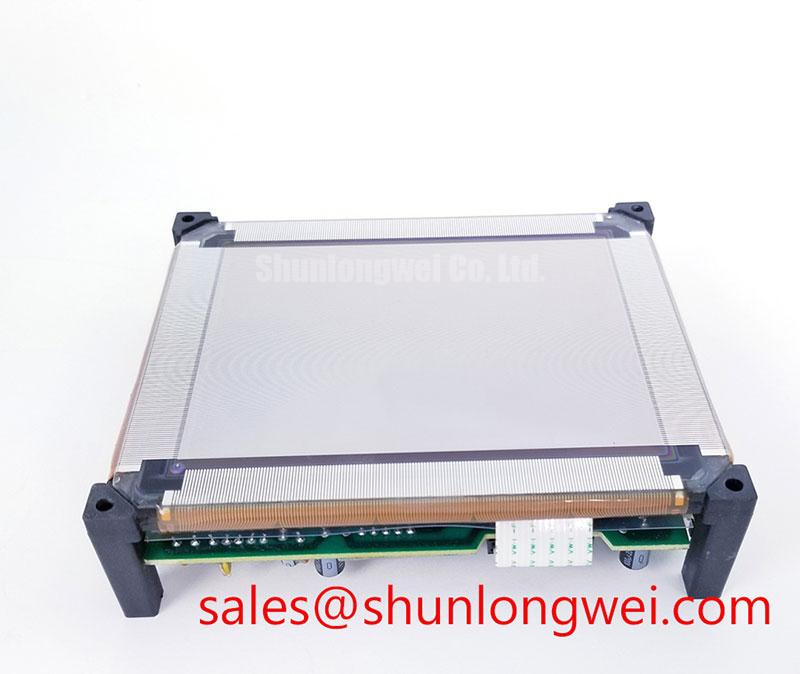
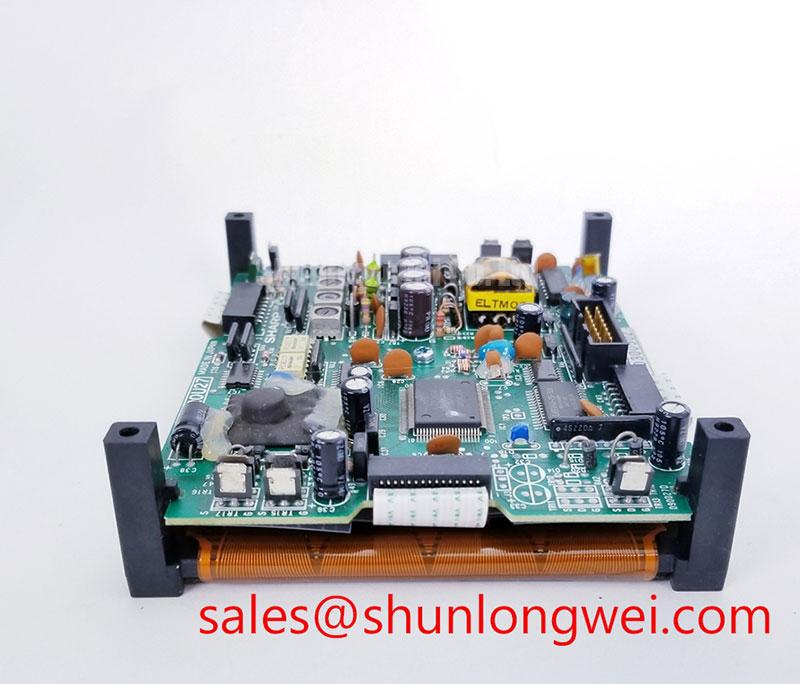
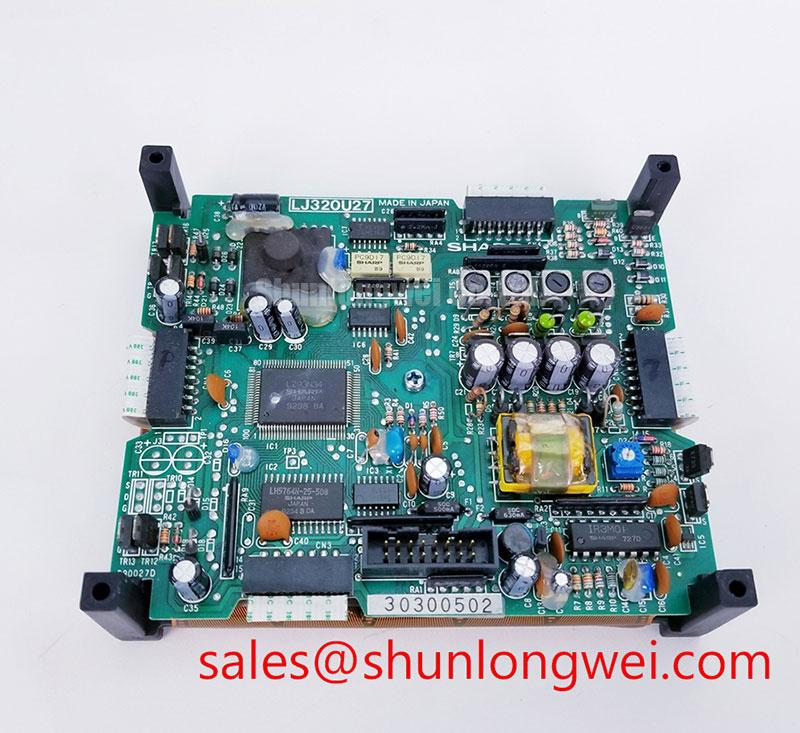
LJ320U27 | Sharp 4.8-inch EL Display | 320x240 High-Contrast Monochrome Panel
An In-Depth Engineering Review of the Sharp LJ320U27 Electroluminescent Display
The Sharp LJ320U27 delivers exceptional visual clarity and system-level reliability through its high-contrast electroluminescent (EL) technology. Featuring a crisp 320x240 QVGA resolution, 100 cd/m² brightness, and a 100:1 contrast ratio, this display is engineered for performance in demanding environments. Key benefits include superior readability across wide viewing angles and simplified system integration. Its 4-bit parallel data interface allows for direct connection to a wide range of embedded systems, simplifying the driver design for industrial control applications. For designers of portable test equipment or industrial HMIs needing a robust, high-contrast display, the LJ320U27 offers a proven and compact solution.
Application Scenarios & Value
System-Level Benefits in High-Clarity Instrumentation and Control
The LJ320U27 is optimally suited for applications where unambiguous data legibility is a non-negotiable requirement. Its core value lies in its emissive electroluminescent technology, which provides performance characteristics fundamentally different from traditional liquid crystal displays. What is the primary benefit of its EL technology? Self-emissive pixels for superior contrast and viewing angle.
Consider the design of a portable spectrum analyzer or other Test and Measurement Instruments. A key engineering challenge is ensuring that complex waveforms and critical readouts are perfectly clear to the operator, regardless of their viewing position or ambient lighting. The LJ320U27 directly solves this challenge. Its self-illuminating pixels create a sharp, high-contrast image that remains consistent across a near-180-degree viewing cone, eliminating the parallax error and contrast shifts common in older LCDs. This intrinsic feature enhances operator accuracy and reduces the potential for misinterpretation of critical data in the field or on the factory floor.
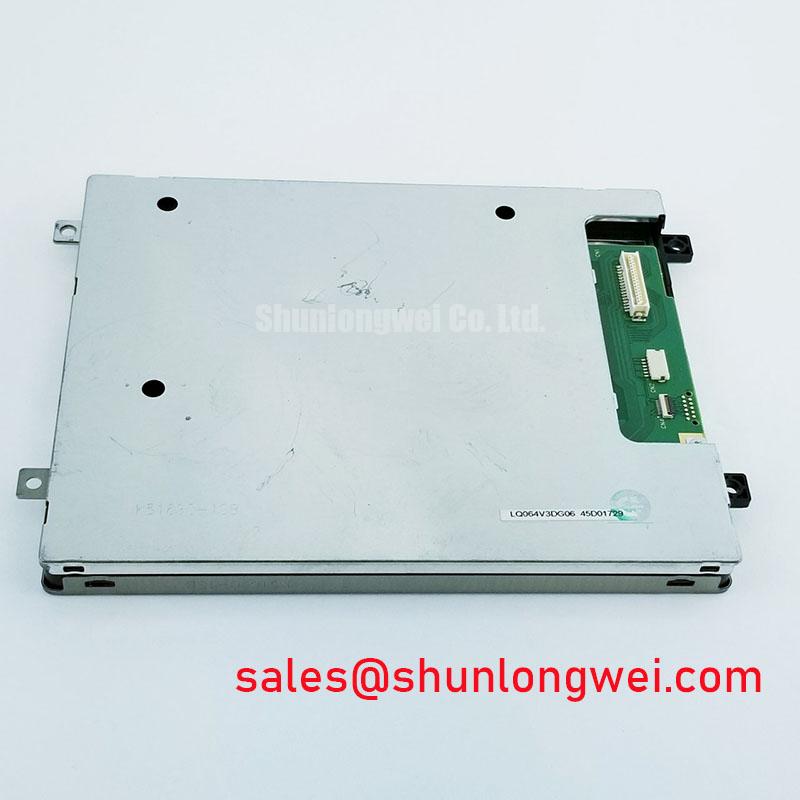
The panel's compact, all-in-one design, which requires no separate backlight, further enhances its value in portable and space-constrained Human-Machine Interface (HMI) designs. While this model excels at high-clarity monochrome data, systems requiring full-color graphical interfaces might evaluate TFT-LCD options such as the LQ064V3DG06, which offers a 640x480 resolution but involves different integration trade-offs like backlight management.
Key Parameter Overview
Translating Specifications into Integration Efficiency
The technical specifications of the Sharp LJ320U27 are not just numbers; they are direct indicators of its performance and integration advantages. The following table highlights key parameters and their practical engineering implications.
| Parameter | Specification | Engineering Implication |
|---|---|---|
| Display Technology | Electroluminescent (EL) | Self-emissive display eliminates the need for a backlight and inverter, simplifying mechanical design, reducing system weight, and removing a common failure point. |
| Resolution | 320 x 240 Dots (QVGA) | Provides sufficient detail for displaying waveforms, numerical data, and simple graphical user interfaces with excellent clarity. |
| Luminance | 100 cd/m² (Typical) | Delivers a bright, attention-grabbing display suitable for typical indoor industrial and medical environments, ensuring high visibility. |
| Contrast Ratio | 100:1 (Typical) | This high ratio ensures a sharp distinction between active and inactive pixels, creating crisp text and graphics. Think of it as the difference between charcoal gray text on a light gray background versus sharp black text on a white page; this ratio delivers that critical, error-free legibility. |
| Outline Dimensions | 166 x 109 x 10 mm (Max) | A remarkably thin profile allows for integration into compact enclosures where depth is a major constraint, ideal for portable or panel-mount devices. |
| Weight | 230g (Max) | The low mass is a significant advantage in designing handheld or portable equipment, reducing operator fatigue and overall system weight. |
Download the LJ320U27 datasheet for detailed specifications and performance curves.
Frequently Asked Questions (FAQ)
What is the primary advantage of Electroluminescent (EL) technology in the LJ320U27 over a standard LCD?
The core advantage is its self-emissive nature. Unlike an LCD which requires a separate backlight to illuminate its pixels, each pixel in the EL panel generates its own light. This results in a much higher contrast ratio and a virtually unlimited viewing angle, as the image quality does not degrade when viewed off-axis. This is critical for instruments where multiple people may need to view the screen simultaneously.
How does the 100:1 contrast ratio impact usability in an industrial setting?
A high contrast ratio directly translates to superior legibility, especially for alphanumeric data and graphical symbols. In a factory or lab, where lighting can be inconsistent, this ensures that operators can read data quickly and accurately, minimizing errors and improving efficiency. It makes the difference between ambiguous and unmistakable information.
Does the LJ320U27 require a separate backlight and inverter?
No. As a self-emissive display, it does not require a backlight or the associated high-voltage inverter circuit. This simplifies the power supply design, reduces the overall component count, lowers potential electromagnetic interference (EMI), and increases the system's long-term reliability.
What are the typical power supply requirements for this EL panel?
The datasheet specifies logic supply voltages (VDD) of +5V and high-level driver voltages (VCC) of +22V. These are common voltage rails in embedded systems, facilitating straightforward power system design without the need for specialized or complex power converters often required for other display technologies.
With a maximum thickness of 10mm, what mechanical design advantages does this panel offer?
Its slim profile is a major asset for creating compact and modern-looking devices. It allows engineers to design enclosures with significantly less depth compared to systems using bulkier displays with CCFL backlights. This is particularly valuable in panel-mount industrial controls, medical monitoring equipment, and handheld diagnostic tools.
Application Vignette
Engineering a Robust, Portable Waveform Monitor
In the context of designing a portable waveform monitor for field use, engineers face a trifecta of challenges: limited physical space, the need for low weight, and the demand for absolute display clarity. The Sharp LJ320U27 is engineered to address these constraints directly.
The first challenge, the mechanical envelope, is met by the panel's 10mm maximum thickness and the absence of a backlight assembly. This allows the entire device to be slimmer and more ergonomic. The 230g weight contributes directly to a lighter final product, reducing field fatigue. Integrating this display is akin to choosing a solid-state drive over a mechanical one in a mobile device; the benefits in size, weight, and durability are inherent to the technology. The simplified power tree—lacking a high-voltage inverter—not only saves space but also enhances the device's battery life and reduces potential noise that could interfere with sensitive measurement circuits. This holistic integration efficiency makes the LJ320U27 a strategic choice for high-performance portable instrumentation.
An Engineer's Perspective on Integration
From a design engineer's viewpoint, the LJ320U27 represents a solution that prioritizes reliability and performance where it matters most. Its robust, self-emissive technology provides a stable, predictable visual interface that is not subject to the viewing angle and temperature-related performance variations of some liquid crystal technologies. The straightforward parallel interface and simple power needs reduce development time and risk, allowing design teams to focus on their core application logic rather than complex display subsystem integration. For long-lifecycle equipment in the industrial, medical, or aerospace sectors, this display offers a proven foundation for building a clear, reliable, and user-friendly product. For more information on display technologies, see resources from manufacturers like Sharp.