
Content last revised on September 10, 2026
Toshiba LT084AC3700: 8.4-inch SVGA TFT-LCD Display Module
Introduction to the LT084AC3700 Display
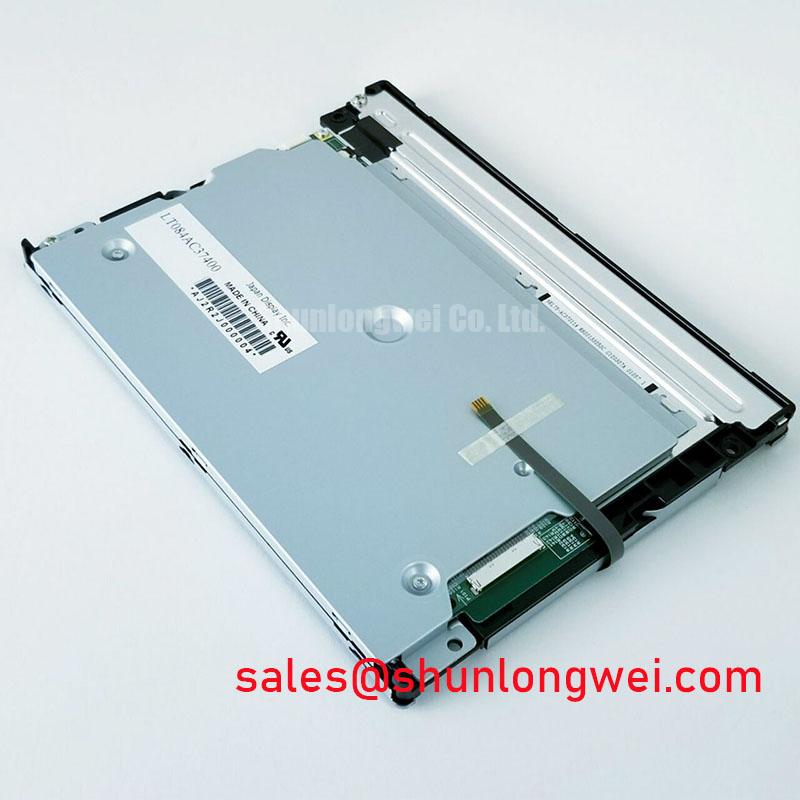
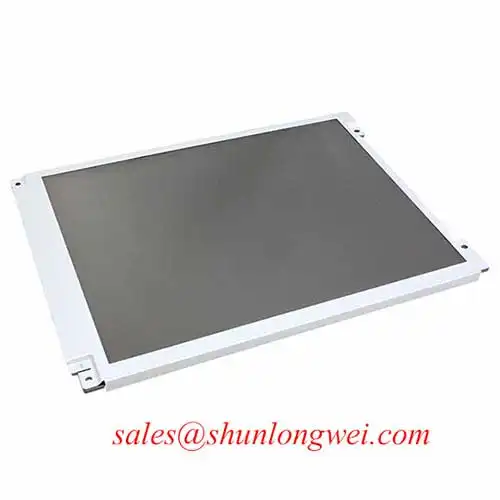
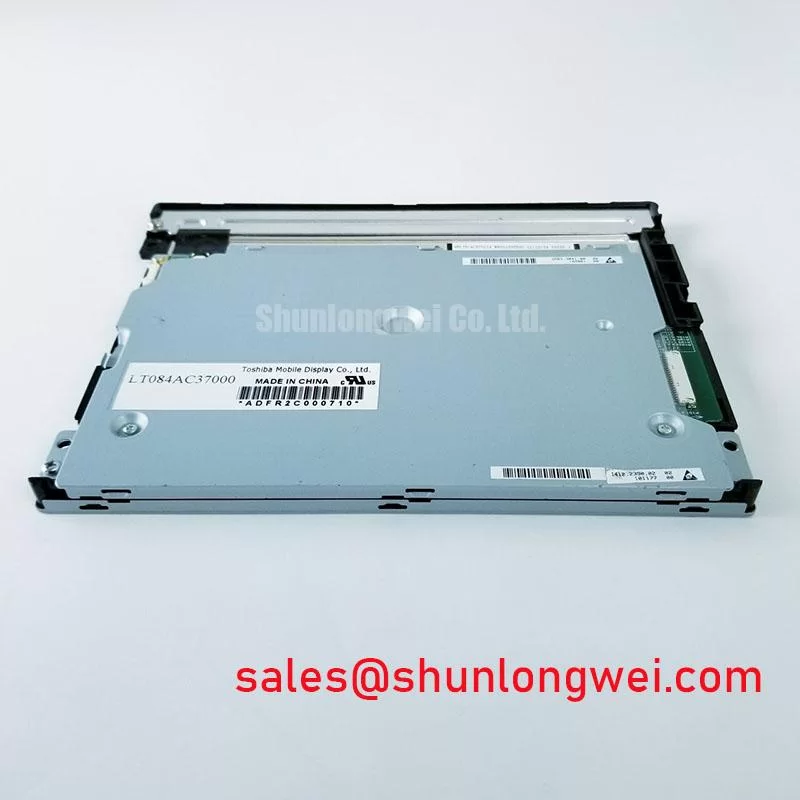
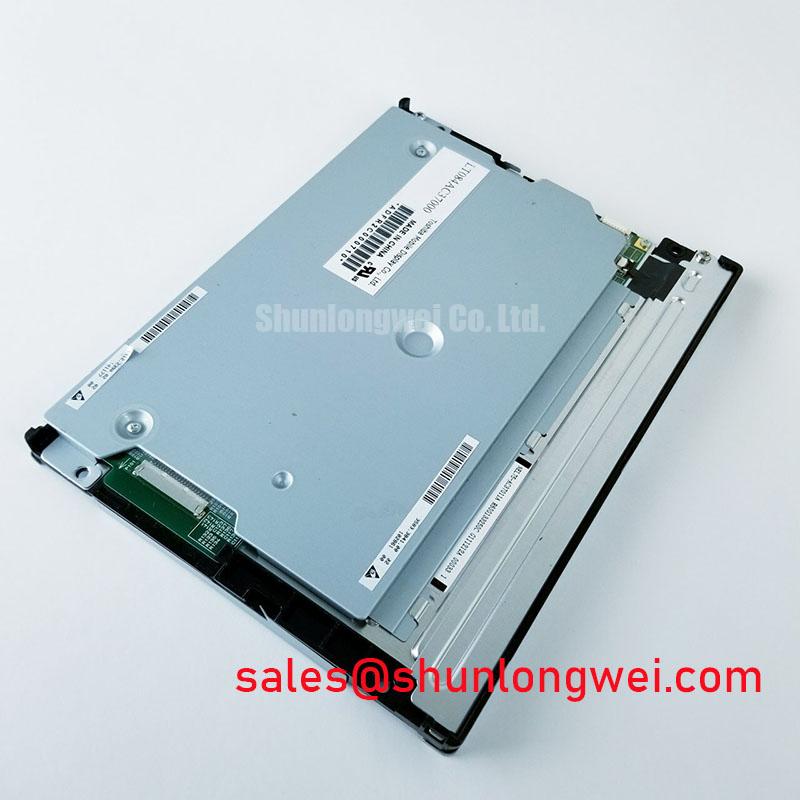
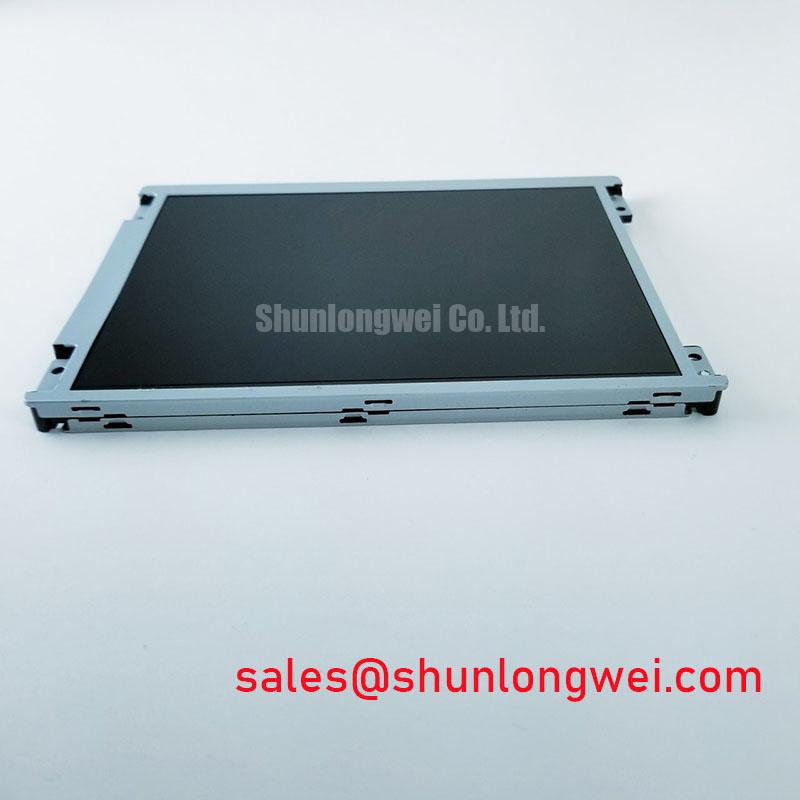
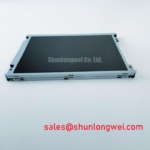
The Toshiba LT084AC3700 is an 8.4-inch a-Si TFT Active Matrix LCD module designed for clear, reliable visual output in industrial applications. Delivering a sharp 800x600 SVGA resolution and a standard 4:3 aspect ratio, this display provides a robust foundation for human-machine interfaces (HMIs), control panels, and embedded systems. Key specifications include: 8.4-inch Diagonal | 800x600 Resolution | 300 cd/m² Brightness | LVDS Interface. Its construction focuses on delivering consistent performance within a controlled operational environment. For engineers specifying displays for factory automation or instrumentation, the critical question is long-term stability; the LT084AC3700 addresses this with its proven a-Si TFT technology, offering a dependable component for system longevity.
Technical Deep Dive
Built for System Integration and Clarity
The core of the LT084AC3700 is its amorphous silicon (a-Si) TFT panel, a mature technology known for its stability and cost-effectiveness in industrial settings. This display renders 262,144 colors, providing sufficient depth for most HMI graphical user interfaces. An anti-glare surface treatment is a critical feature, mitigating reflections from overhead factory lighting to ensure operator readability from various angles. The display's physical design, with overall dimensions of 200.0(W) x 152.0(H) x 11.0(D) mm, facilitates integration into standard industrial enclosures. The unit is powered by a single 3.3V logic supply, simplifying the power architecture of the host system.
Application Scenarios & Value
Visual Core for Industrial Control and Monitoring
The LT084AC3700 is well-suited for environments where clear data presentation and operational reliability are paramount. Its specifications make it a strong candidate for a range of applications, including process control systems, factory automation equipment, and specialized instrumentation panels. In these scenarios, the display's 400:1 contrast ratio ensures that text, numbers, and status indicators are distinctly legible, reducing the potential for operator error. Its luminance of 300 nits provides adequate brightness for typical indoor industrial environments. For systems requiring a standard-format SVGA display with a dependable LVDS interface, the LT084AC3700 offers a straightforward and effective solution. The display's value is not in extreme performance but in its delivery of essential features for long-term industrial deployment. For HMIs in stable, indoor manufacturing settings not exposed to direct sunlight or extreme temperatures, the LT084AC3700's balanced performance makes it a highly suitable component choice.
Key Parameter Overview
Core Specifications for Engineering Assessment
The following parameters are essential for evaluating the integration of the LT084AC3700 into your design. The LVDS interface is a key aspect; its differential signaling provides excellent noise immunity, which is crucial in electrically noisy industrial settings. Think of the contrast ratio as the display's ability to create a clear distinction between black and white—much like the clarity of text on a printed page. A higher ratio means easier readability, especially for complex data screens.
| Parameter | Value |
|---|---|
| Screen Size | 8.4 inch (21.3 cm) |
| Resolution | 800(RGB) x 600 [SVGA] |
| Luminance | 300 cd/m² (Typ.) |
| Contrast Ratio | 400:1 (Typ.) |
| Interface Type | LVDS (1 ch, 6-bit) |
| Operating Temperature | 0 ~ 50 °C |
Intra-Series Comparison & Positioning
Choosing the Right 8.4-inch Display
When evaluating 8.4-inch displays, it is important to compare key environmental and performance metrics. The Toshiba LT084AC3700 is specified for a 0 to 50°C operating range. For applications requiring operation in more demanding thermal conditions, system designers may consider alternatives. For instance, other 8.4-inch modules like the AA084VC03 are sometimes specified with a wider temperature range, which could be necessary for unheated warehouses or outdoor-adjacent enclosures. The LT084AC3700's positioning is as a reliable, cost-effective solution for standard industrial environments where such extremes are not a factor. Its strength lies in providing the essential features of a quality industrial display—such as an LVDS interface and anti-glare treatment—without the added cost of wide-temperature components, making it an economically sound choice for controlled settings.
Industry Insights & Strategic Advantage
The Role of Stable Technology in System Upgrades
In an industry focused on constant innovation, there remains a significant need for components based on proven, stable technologies. The LT084AC3700, with its a-Si TFT (Amorphous Silicon) panel and standard LVDS interface, represents a strategic choice for upgrading legacy systems or developing new equipment where long-term availability and predictable performance are more critical than cutting-edge specifications. As many industrial machines have lifecycles exceeding a decade, sourcing displays that can be supported over the long term is a key procurement strategy. Integrating a display like the LT084AC3700 helps ensure that the Human-Machine Interface does not become the limiting factor in a product's service life, providing a strategic advantage in total cost of ownership (TCO). For a comprehensive overview of TFT technology, see our guide on TFT-LCDs from basics to industrial applications.
Engineering and Procurement Outlook
The Toshiba LT084AC3700 serves as a pragmatic display solution for a significant segment of the industrial market. Its design prioritizes the core requirements of clarity, standard connectivity, and operational stability within controlled indoor environments. For procurement managers and engineers focused on lifecycle management and supply chain stability for long-term projects, this display offers a profile built on proven technology. By specifying a component that aligns directly with the application's actual environmental and performance needs, project teams can optimize for both reliability and cost-effectiveness, ensuring the final system is both fit-for-purpose and commercially viable.