Content last revised on September 10, 2026
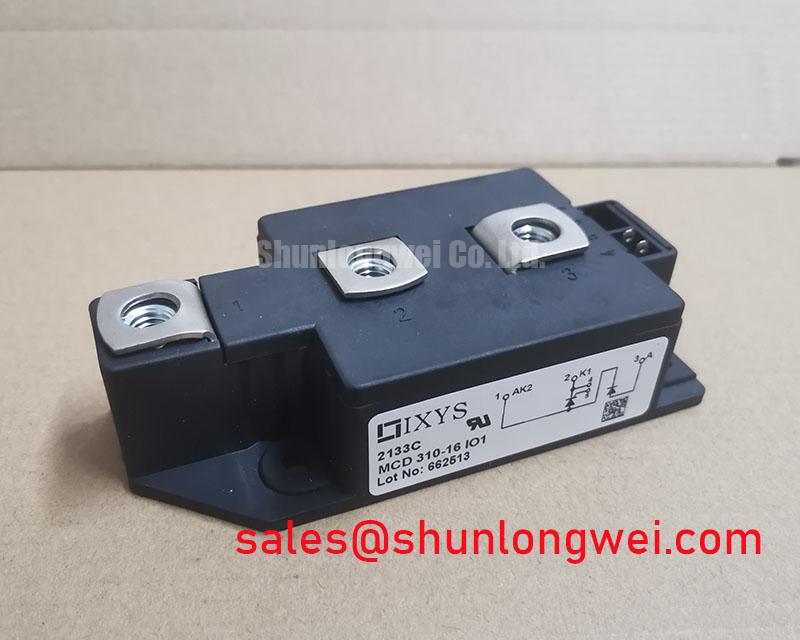
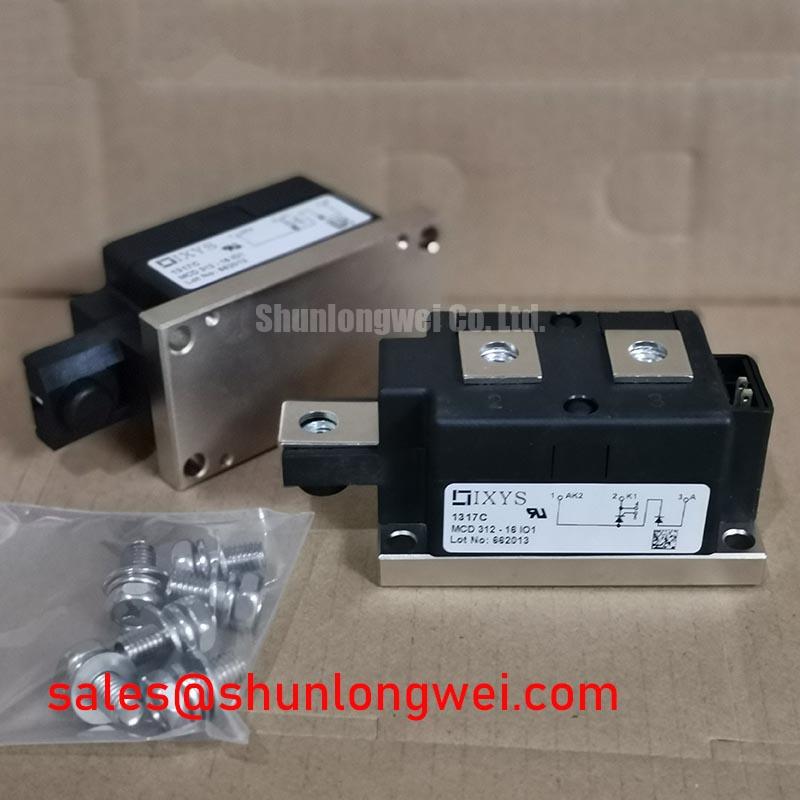
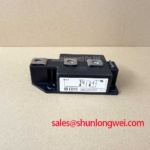
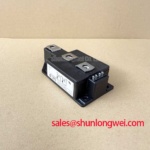
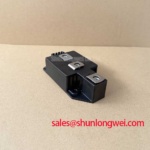
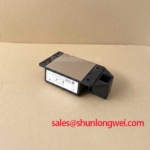
MCC310-16io1 IXYS Phase-Leg Thyristor Module: High-Efficiency Power Conversion for Heavy-Duty Industrial Loads
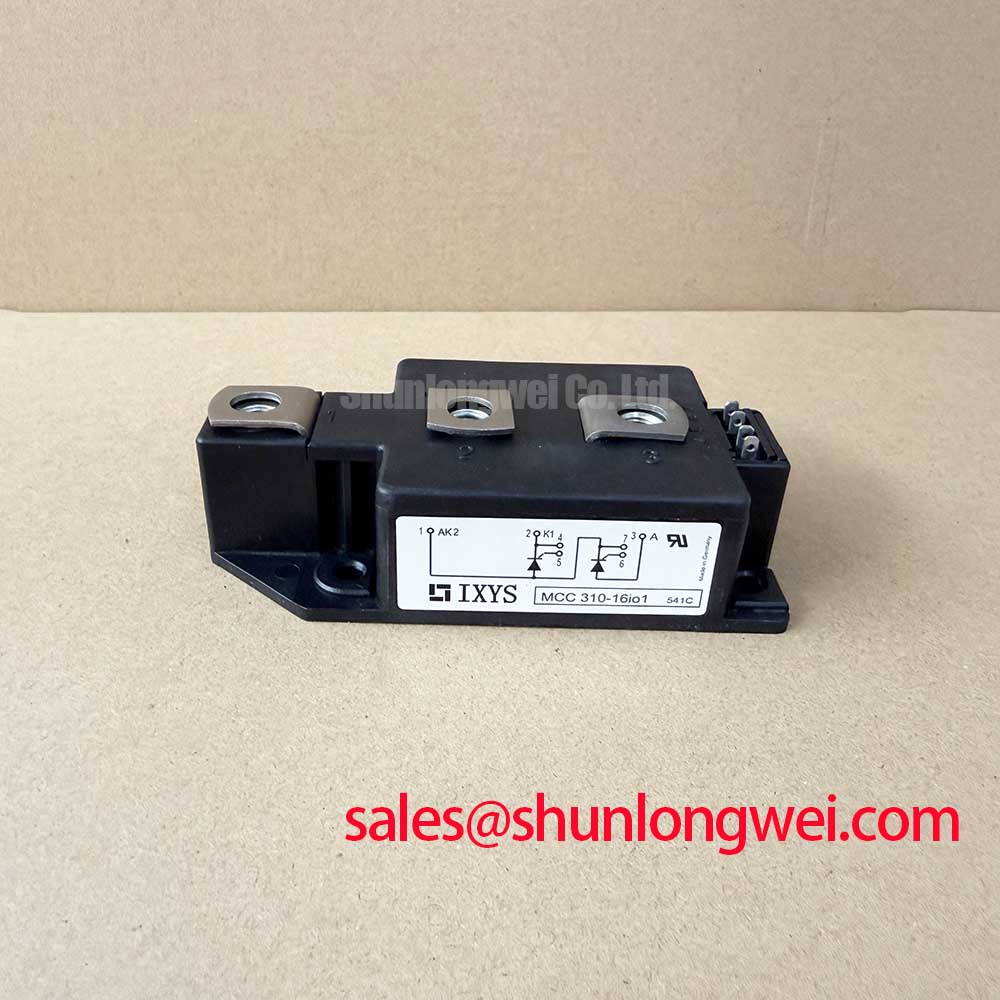
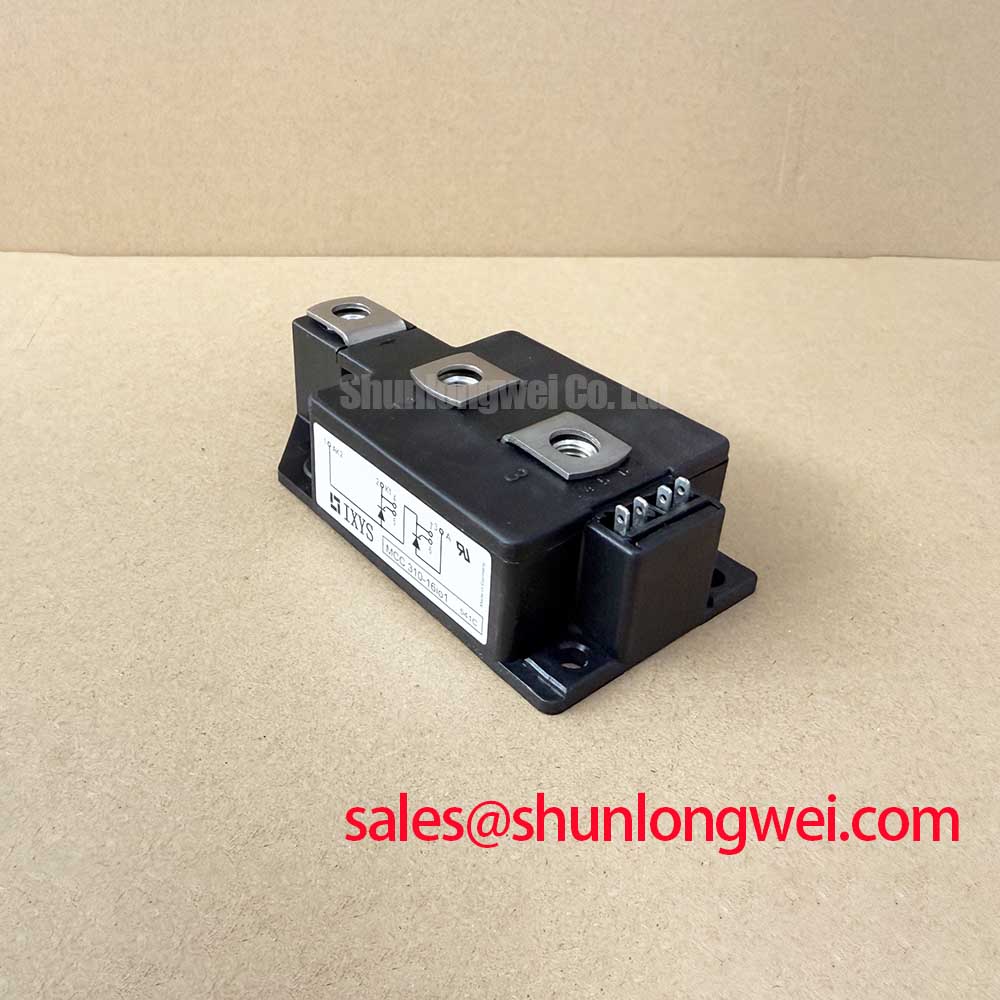
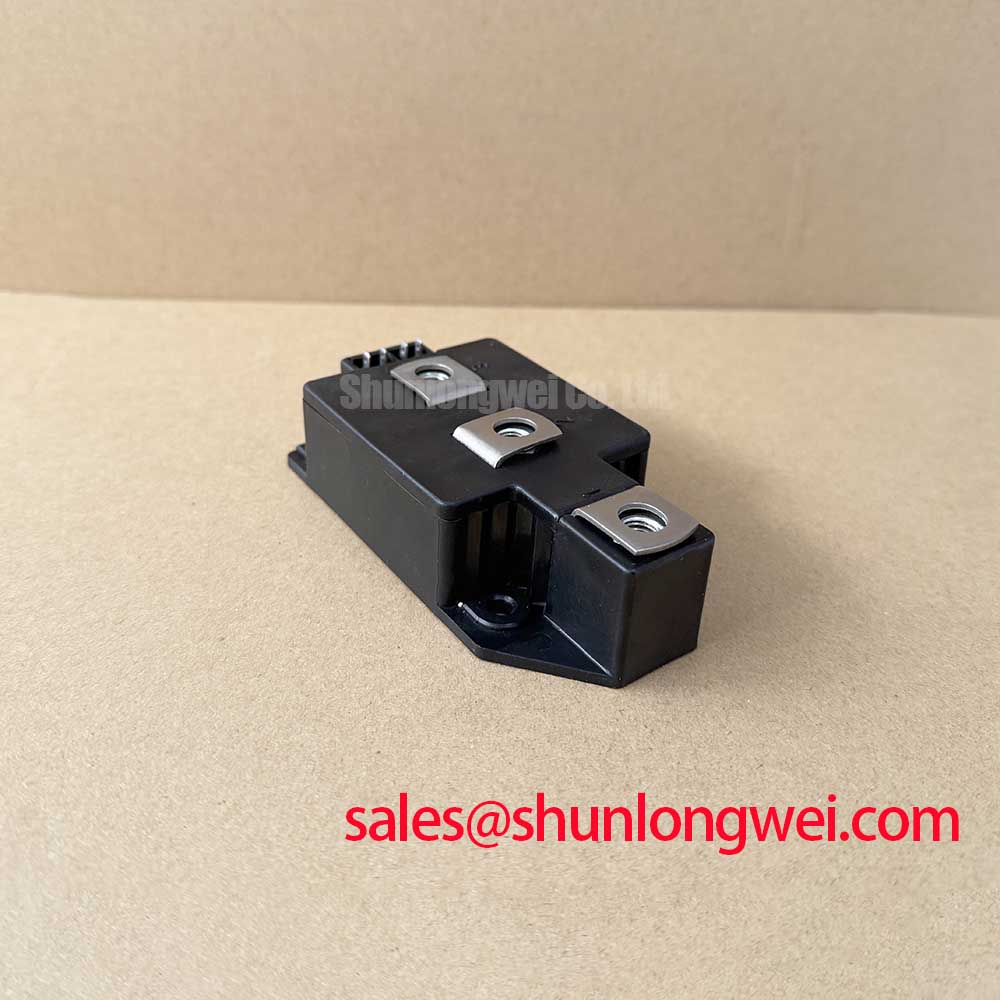
The MCC310-16io1 represents a benchmark in industrial-grade power electronics, specifically designed for phase-leg control in demanding environments. Utilizing planar passivated chips and Direct Copper Board (DCB) substrate technology, this module offers exceptional thermal cycling capability and electrical insulation. Engineered for the rigors of soft starters and VFD input stages, it provides a robust foundation for high-power system design.
UVP Statement: Maximizing system uptime through advanced planar passivation and 3000V AC isolation, ensuring long-term reliability in high-voltage phase-control applications.
- Top Specs: 1600V VRRM | 320A ITAV | 3000V Isolation Voltage.
- Key Benefits: Enhanced thermal stability; simplified mechanical integration via the Y2-DCB package.
Primary engineering concern addressed: Does the MCC310-16io1 provide sufficient voltage overhead for 480V/575V line operations? With a 1600V repetitive peak reverse voltage, this module offers a substantial safety margin against transient line spikes and commutation overvoltages. For 400V systems requiring lower current handling, the related MCC200-16io1 offers a comparable voltage rating with optimized footprint efficiency.
Application Scenarios & Value
Achieving System-Level Benefits in High-Power Industrial Rectification
The MCC310-16io1 is ideally suited for high-fidelity engineering scenarios such as Variable Frequency Drives (VFD) and DC motor control. A critical challenge for engineers in industrial conveyor systems is managing the high inrush currents during motor startup. The MCC310-16io1 addresses this with a surge current rating (ITSM) of 9200A (at 45ms), allowing the power stage to withstand heavy inductive loads without degradation.
In the context of UPS (Uninterruptible Power Supplies) and welding power supplies, the module's planar passivated chips ensure stable leakage current characteristics even at elevated temperatures of 125°C. This stability is vital for meeting IEC 61800-3 EMC requirements by reducing uncontrolled switching noise. For smaller rectification tasks or auxiliary power stages, engineers often evaluate the MDD95-12N1B to balance power density across the system architecture.
Key Parameter Overview
Functional Spec Groups for Enhanced Thermal Reliability
The following technical specifications are derived directly from the official IXYS datasheet to assist in precise component evaluation.
| Category | Parameter | Value/Condition |
|---|---|---|
| Voltage Ratings | Repetitive Peak Reverse/Off-state Voltage (VRRM/VDRM) | 1600V |
| Current Ratings | Average On-state Current (ITAV) | 320A (TC = 85°C) |
| Current Ratings | RMS On-state Current (ITRMS) | 510A |
| Thermal Dynamics | Thermal Resistance Junction-to-Case (RthJC) | 0.11 K/W |
| Isolation | Isolation Voltage (VISOL) | 3000V AC (50/60 Hz, 1 min) |
| Package | Housing Type | Y2-DCB |
Download the MCC310-16io1 datasheet for detailed specifications and performance curves.
Technical & Design Deep Dive
Advanced Planar Passivation and DCB Substrate Advantages
The core of the MCC310-16io1's reliability lies in its planar passivation technology. To understand its importance, consider the passivation layer as a protective microscopic seal over the silicon junction. Just as a high-quality sealant prevents moisture from corroding a mechanical joint, this layer prevents ionic contaminants from shifting the semiconductor's electrical properties, ensuring the 1600V blocking capability remains constant over years of service.
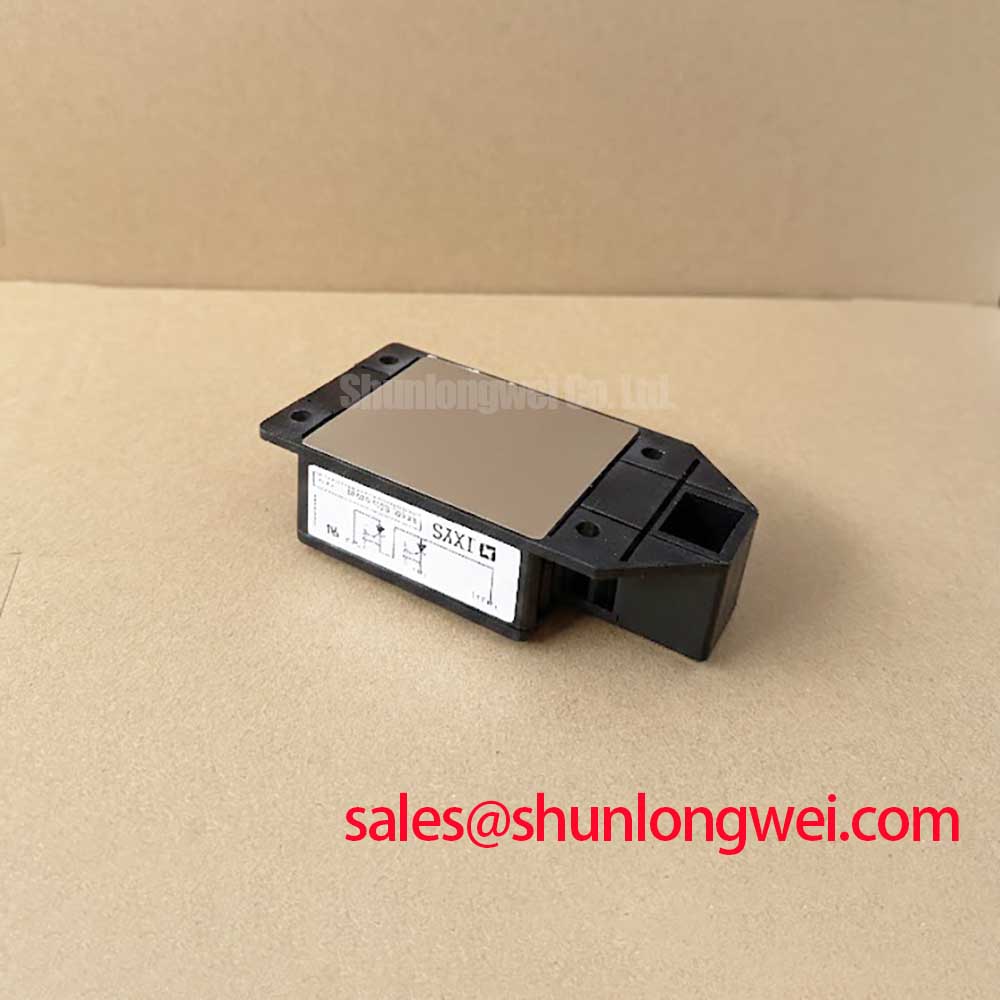
Furthermore, the Direct Copper Board (DCB) substrate is the module's thermal highway. With an RthJC of 0.11 K/W, the MCC310-16io1 facilitates rapid heat transfer from the junction to the heatsink. This low thermal resistance is achieved by bonding copper directly to a ceramic insulator, which significantly reduces the thermal bottleneck compared to traditional multi-layer structures. For engineers, this translates to higher power density, allowing the module to handle 320A average current while maintaining a safe junction temperature margin.
Application Vignette
Optimizing Soft Starter Performance in Harsh Industrial Environments
In large-scale pump or fan applications, soft starters are essential for reducing mechanical stress on the motor and electrical stress on the grid. During the startup ramp, the thyristors in the MCC310-16io1 must handle high continuous currents and repeated thermal cycling. The MCC310-16io1's pressure-contact design is superior here because it functions like a heavy-duty thermal spring, absorbing the microscopic expansion and contraction caused by heating and cooling without the risk of solder fatigue.
By leveraging the module's high i²t value (423,000 A²s), engineers can specify smaller, faster-acting fuses for protection, optimizing the overall system cost while maintaining high safety standards. This specific technical edge ensures that the power stage is the most reliable part of the control cabinet, even in industries where the ambient temperature fluctuates significantly.
Frequently Asked Questions
How does the RthJC of 0.11 K/W directly impact heatsink selection and overall system power density?
A lower RthJC of 0.11 K/W allows for a higher temperature gradient between the junction and the case, meaning the heatsink can be smaller for the same power throughput, or the module can be driven at a higher current for the same heatsink size, significantly increasing power density.
Is the 3000V isolation voltage sufficient for multi-phase industrial systems?
Yes. The 3000V AC isolation rating ensures that the MCC310-16io1 can be safely mounted on a common heatsink with other modules in 480V and 690V industrial grids, meeting international safety standards for creepage and clearance.
What is the primary benefit of the planar passivated chip structure in this module?
The primary benefit is long-term stability of the 1600V blocking voltage and reduced leakage currents. This technology acts as a barrier against environmental degradation, ensuring the device does not suffer from voltage de-rating over its lifecycle in heavy-duty applications.
For procurement professionals and engineers requiring precise technical data for high-voltage power stage design, our team provides factual documentation and inventory support. Access comprehensive resources on thermal management and module selection to further your design objectives. Contact our technical sales team for current availability and technical inquiries.