
Content last revised on August 28, 2026
IXYS MCC501-18io2 | High-Reliability 1800V Thyristor/Diode Module for Phase Control
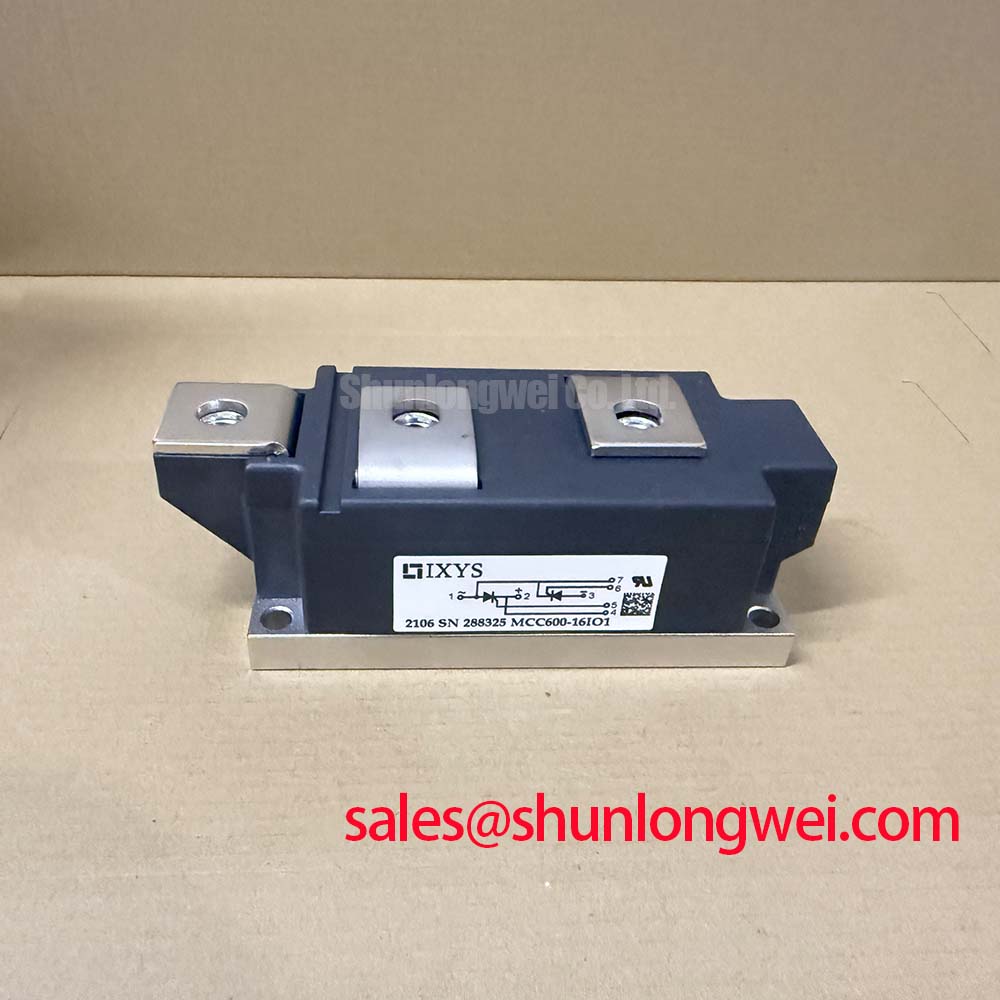
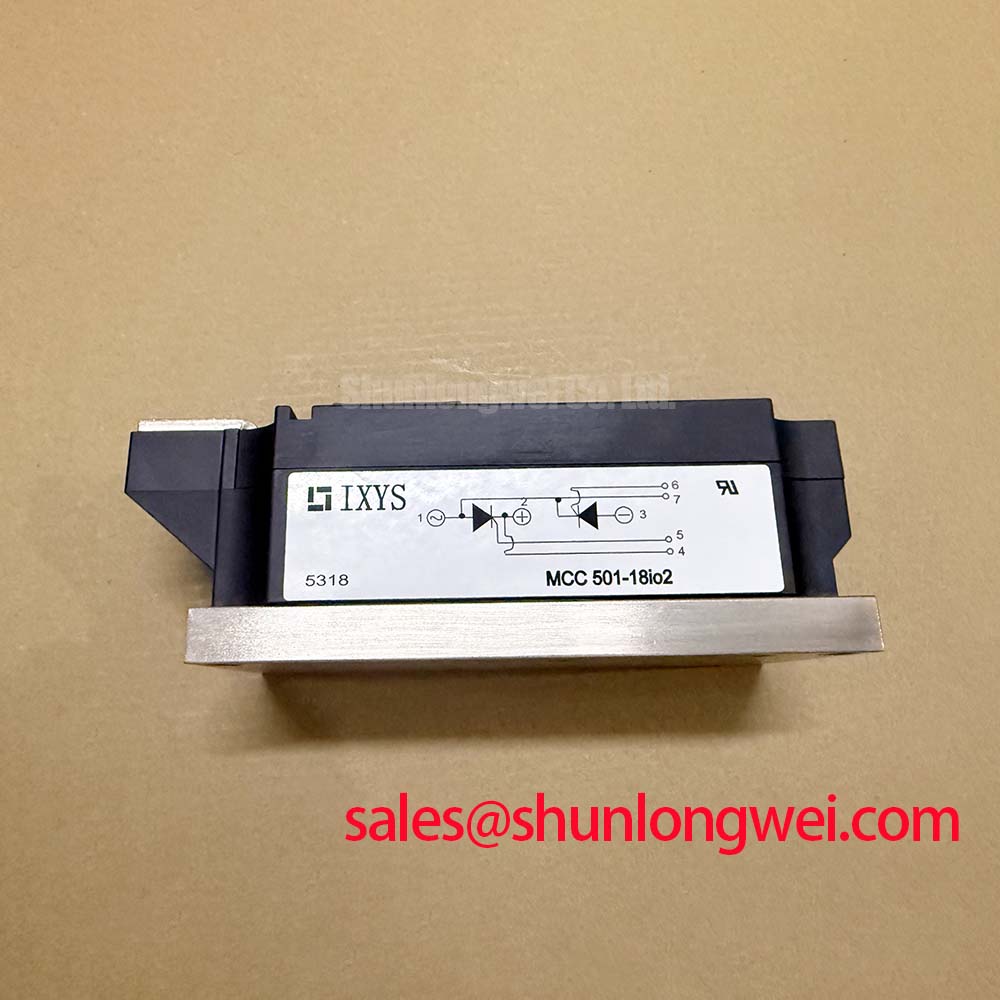
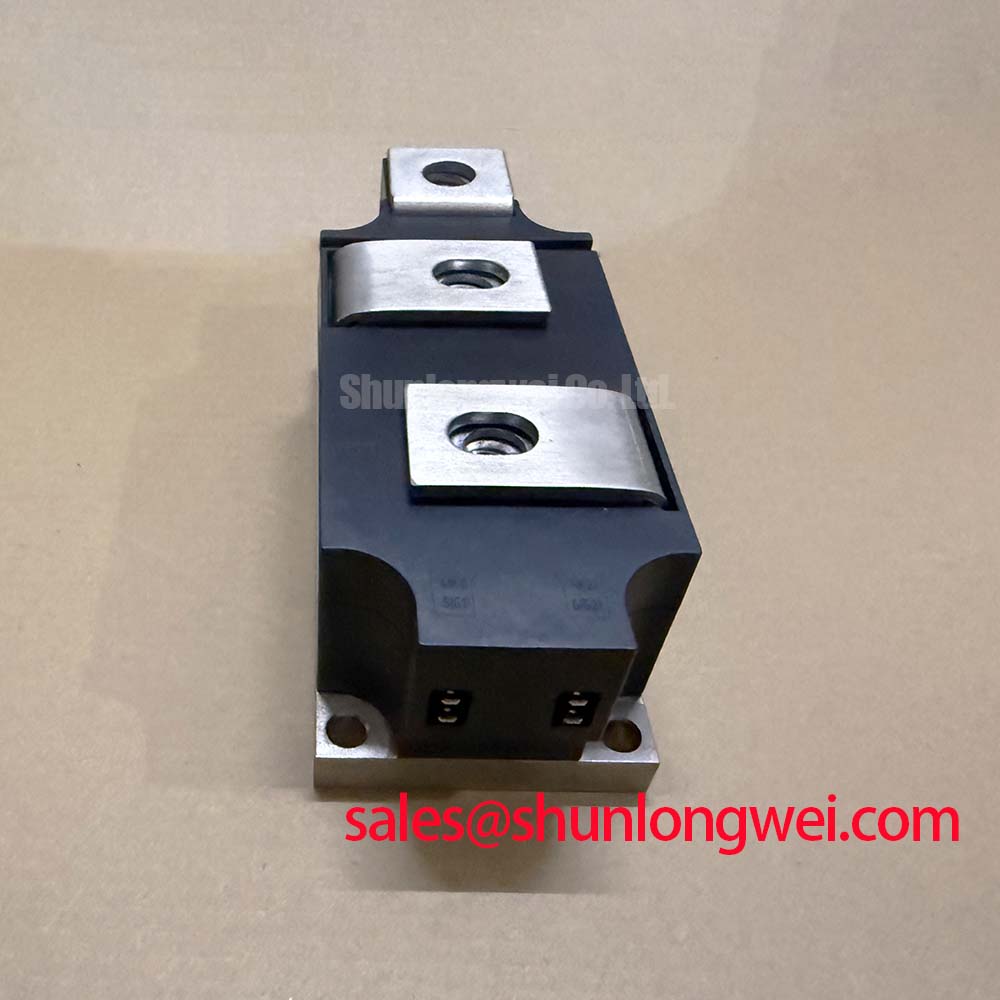
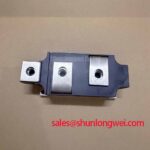
The IXYS MCC501-18io2 is an engineered solution for high-power control applications demanding robust performance and exceptional reliability. This module isn't built for high-frequency switching like an IGBT; instead, it masters the domain of line-frequency phase angle control. By integrating two high-performance thyristors (SCRs) in a common cathode configuration, it provides a rugged, thermally efficient, and electrically isolated building block for power electronics engineers designing systems that interface directly with demanding AC mains.
Engineered for High-Power Industrial Applications
The MCC501-18io2 excels where precise control of large AC currents is paramount. Its design directly addresses the challenges found in heavy industrial environments, translating its technical specifications into tangible system-level benefits.
- AC Soft Starters: In large motor applications, the module enables gradual voltage ramping by precisely timing the thyristor firing angle. This significantly reduces mechanical shock on gearboxes and electrical stress from inrush currents on the power grid, extending the lifespan of the entire system.
- Controlled Bridge Rectifiers: For applications requiring variable DC output from an AC source, such as large-scale battery charging or electroplating, the MCC501-18io2 is ideal. Its common cathode topology simplifies the construction of half-controlled or fully-controlled bridge rectifiers, offering fine control over the output DC voltage and current.
- DC Motor Drives: The module provides a robust and cost-effective method for controlling the armature voltage of large DC motors, a common requirement in legacy industrial machinery and specialized applications where DC motor characteristics are still preferred.
- High-Power Lighting and Heating Control: From industrial furnaces to large-scale theatrical lighting systems, this module delivers efficient and continuous power regulation, ensuring stable process temperatures and smooth dimming control without the complexity of high-frequency PWM.
Technical Deep Dive: The Engineering Behind the Performance
1800V Blocking Voltage for Unmatched System Margin
The 1800V repetitive peak reverse voltage (VRRM) rating is a cornerstone of this module's reliability. For systems operating on 480V or even 690V AC mains, this provides a substantial safety margin against the voltage transients and spikes that are unavoidable in industrial settings. This high breakdown voltage ensures the device remains well within its Safe Operating Area (SOA), preventing catastrophic failures and enhancing long-term operational security. For engineers, this translates to a more resilient design with less reliance on complex and costly external snubber circuits.
Thermally Optimized Common Cathode Design
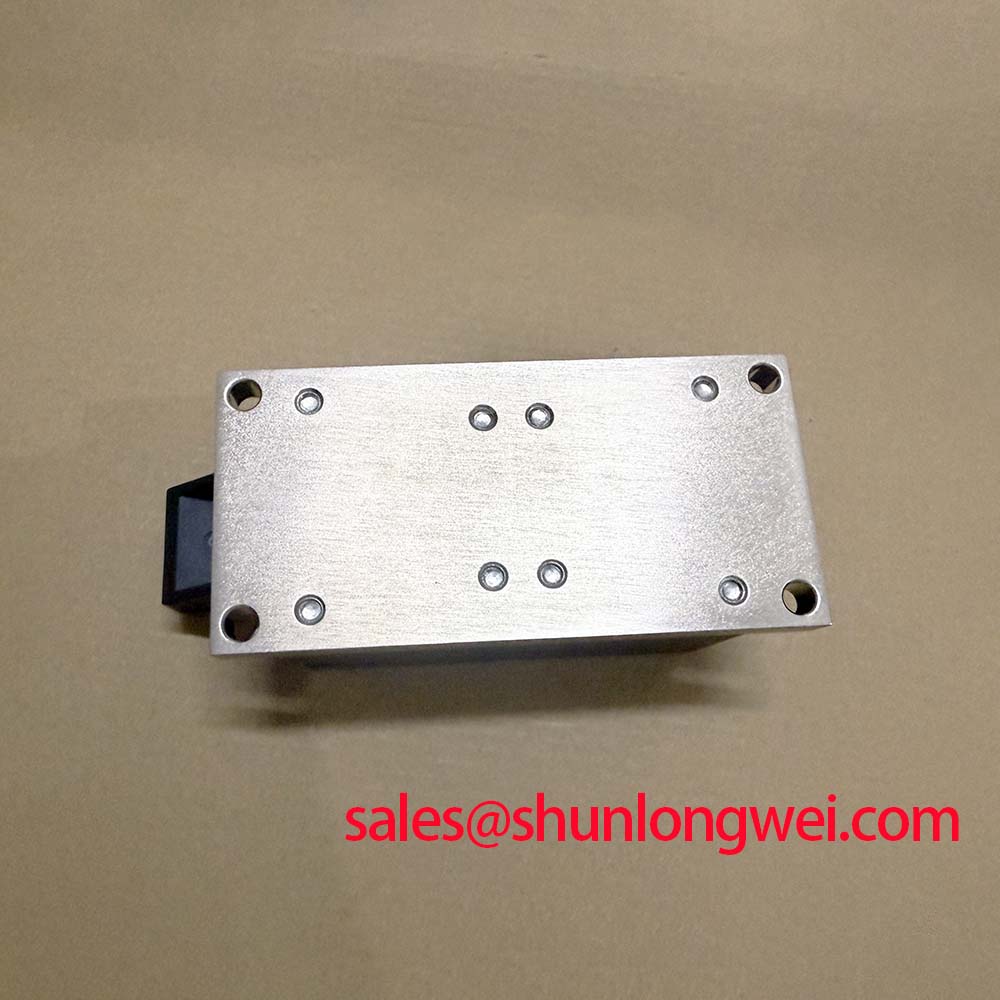
The internal common cathode configuration is a strategic design choice. It allows for the construction of a two-pulse, single-phase controlled rectifier with just one module, reducing component count and assembly complexity. More critically, both semiconductor dies are mounted on a single, electrically isolated direct copper bonded (DCB) substrate. This not only simplifies the heatsink design but also ensures excellent thermal resistance characteristics, facilitating efficient heat extraction from both devices simultaneously—a critical factor when managing the thermal load in high-current applications. Understanding these thermal dynamics is key to preventing common power module failure modes.
Key Parameters for the MCC501-18io2
The following table outlines the critical performance specifications. For comprehensive electrical and thermal characteristics, please download the official MCC501-18io2 datasheet.
| Parameter | Value |
|---|---|
| Repetitive Peak Off-State and Reverse Voltage (VDRM, VRRM) | 1800 V |
| Average On-State Current (ITAVM, TC=85°C) | 500 A |
| RMS On-State Current (ITRMS) | 785 A |
| Surge Current (ITSM, 10ms, Tvj=45°C) | 9500 A |
| Threshold Voltage (VT0) | 0.85 V |
| Slope Resistance (rT) | 0.45 mΩ |
| Operating Junction Temperature (Tvj max) | 125 °C |
Frequently Asked Engineering Questions (FAQ)
1. How does the MCC501-18io2 fundamentally differ from an IGBT module?
While both are power semiconductor modules, their operation and applications are distinct. The MCC501-18io2 is a line-commutated device (thyristor/SCR), meaning it turns off only when its current falls to zero, making it perfect for line-frequency (50/60 Hz) phase control. An IGBT module, by contrast, is a self-commutated switch that can be turned on and off at high frequencies (kHz range) via its gate. This makes IGBTs the core of modern inverters and servo drives, while thyristors like the MCC501-18io2 remain the superior choice for simple, robust, high-power AC control and rectification.
2. What is the primary advantage of the module's package design?
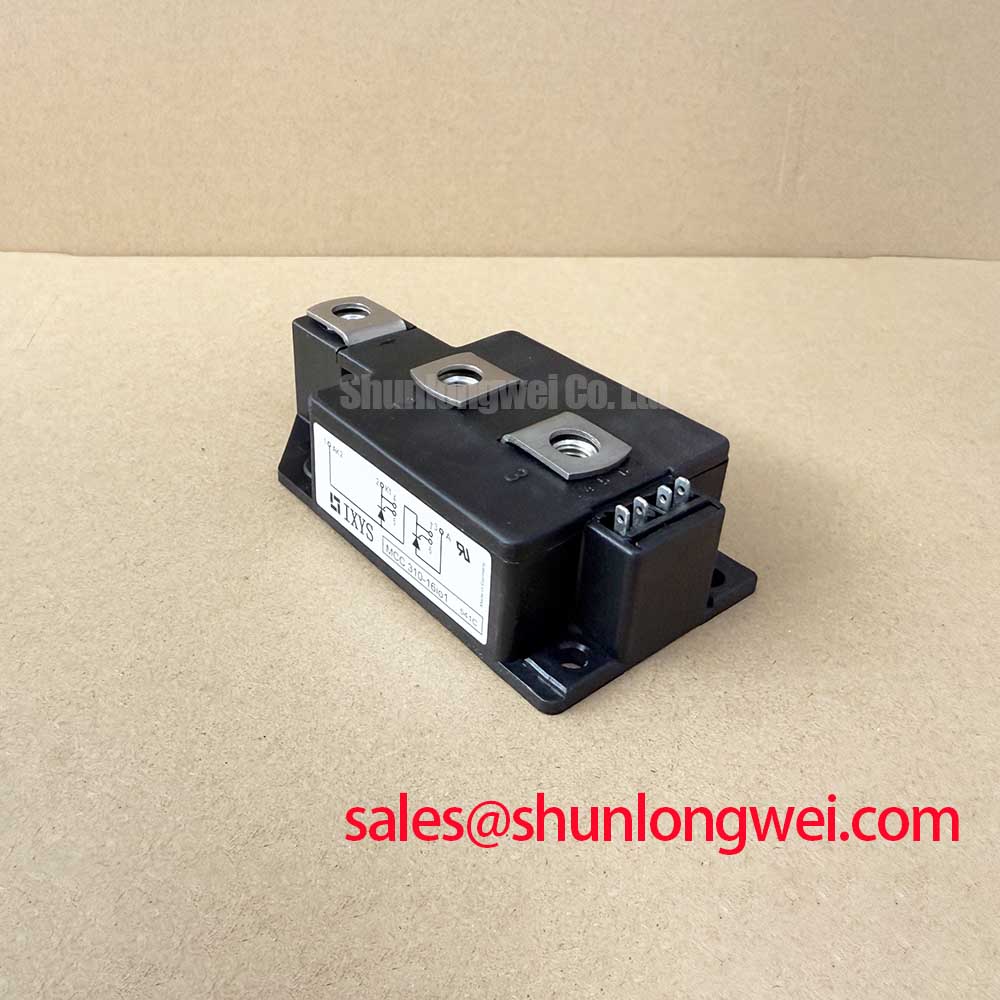
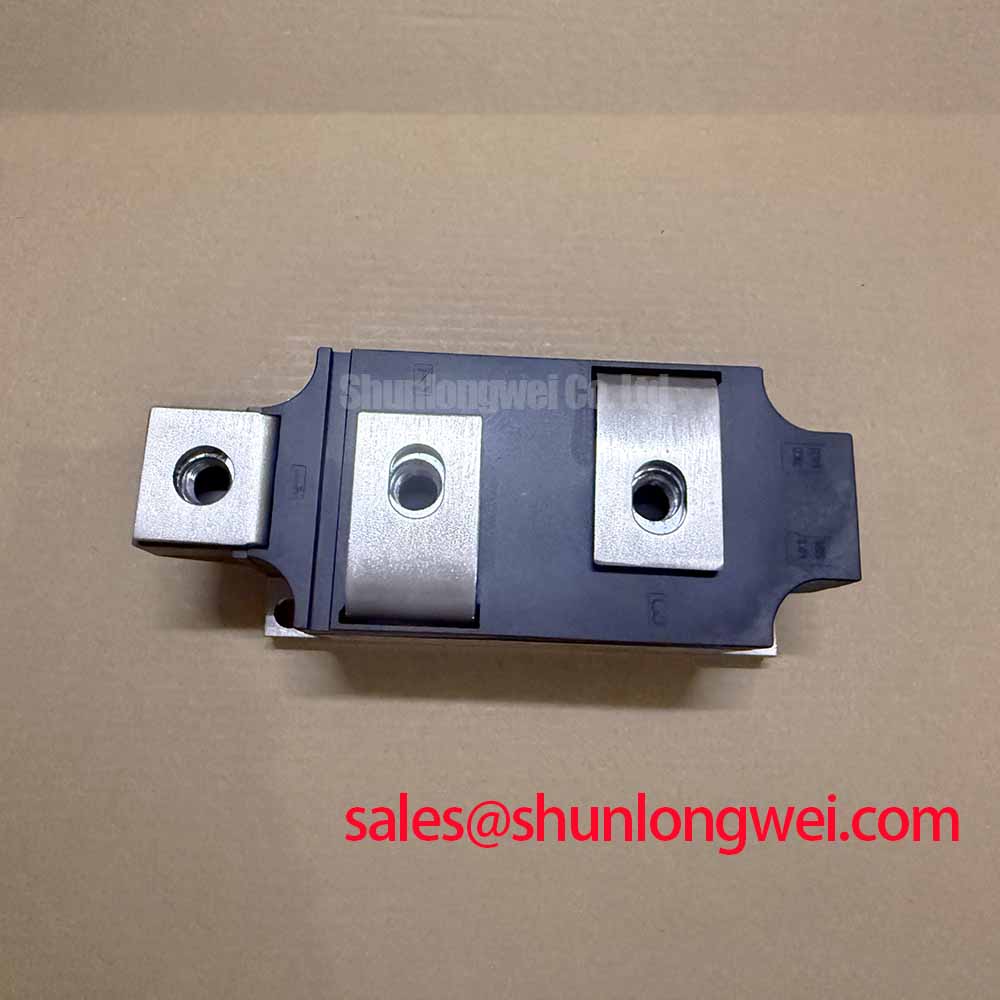
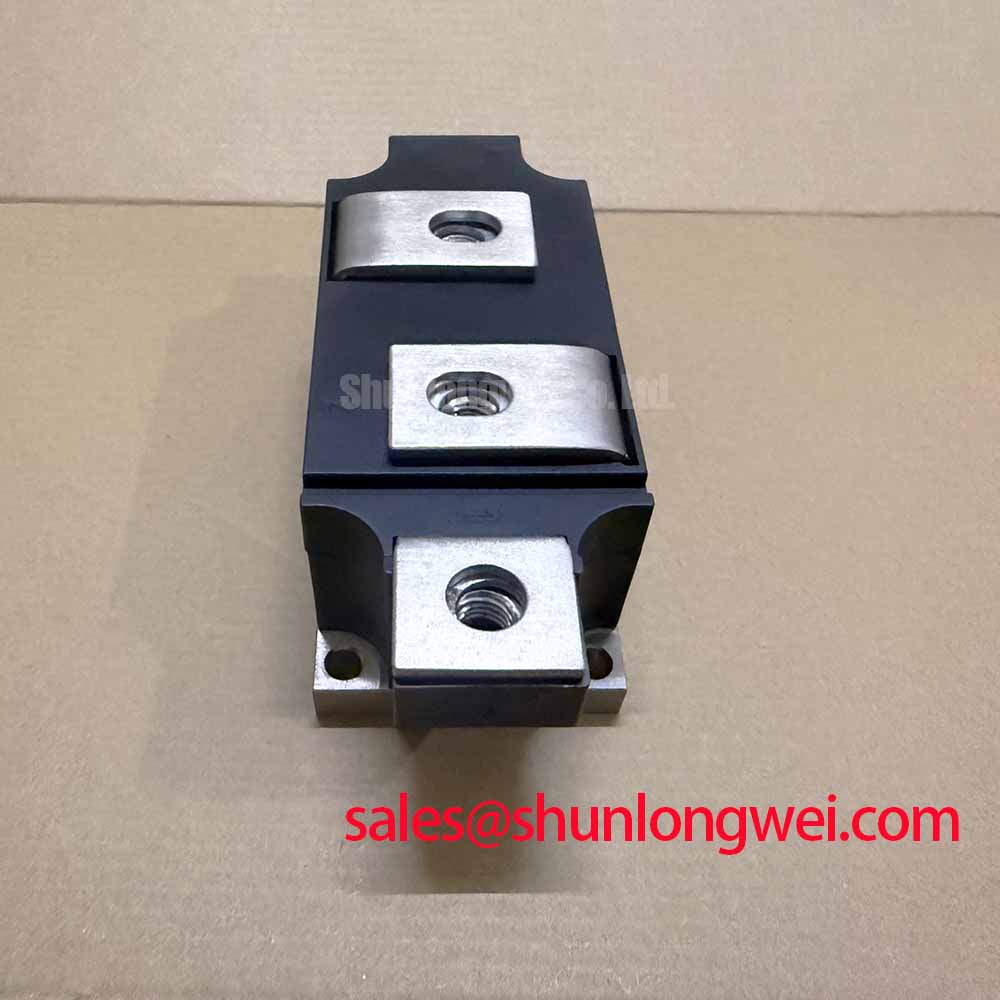
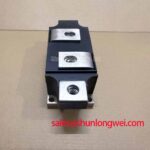
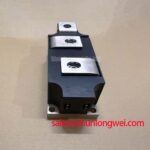
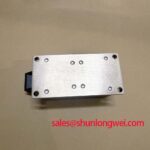
The industry-standard package with a flat, isolated baseplate is designed for straightforward and effective mounting. It simplifies mechanical design by allowing multiple modules to be mounted on a common heatsink. The screw terminals are sized to handle high currents reliably, and the package's standardized footprint ensures compatibility and facilitates second-sourcing or system upgrades. For a deeper dive into your specific design needs, we recommend you contact our technical team for personalized support.