Scan Part Number

Tap the focus box or CAPTURE to scan the part number.

Pinch screen or tap 1.4x button to zoom.

Recognizing Part Number...

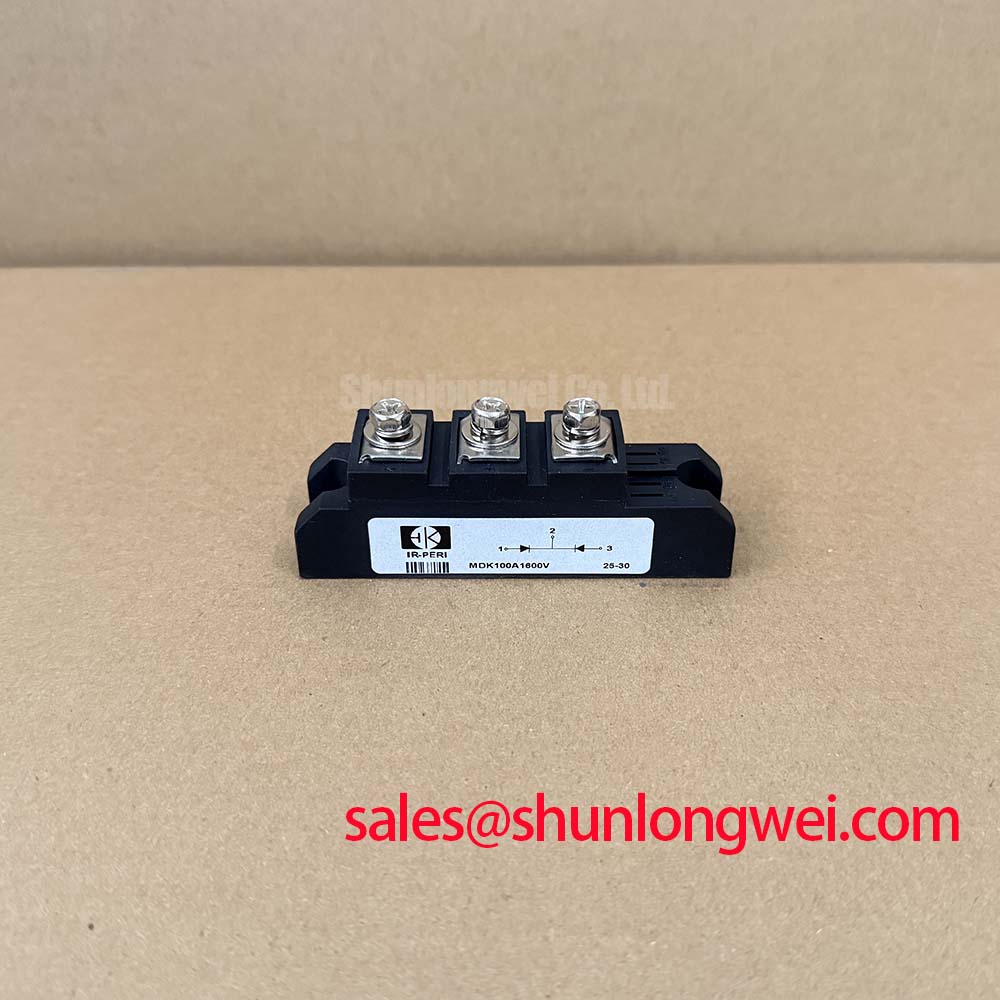
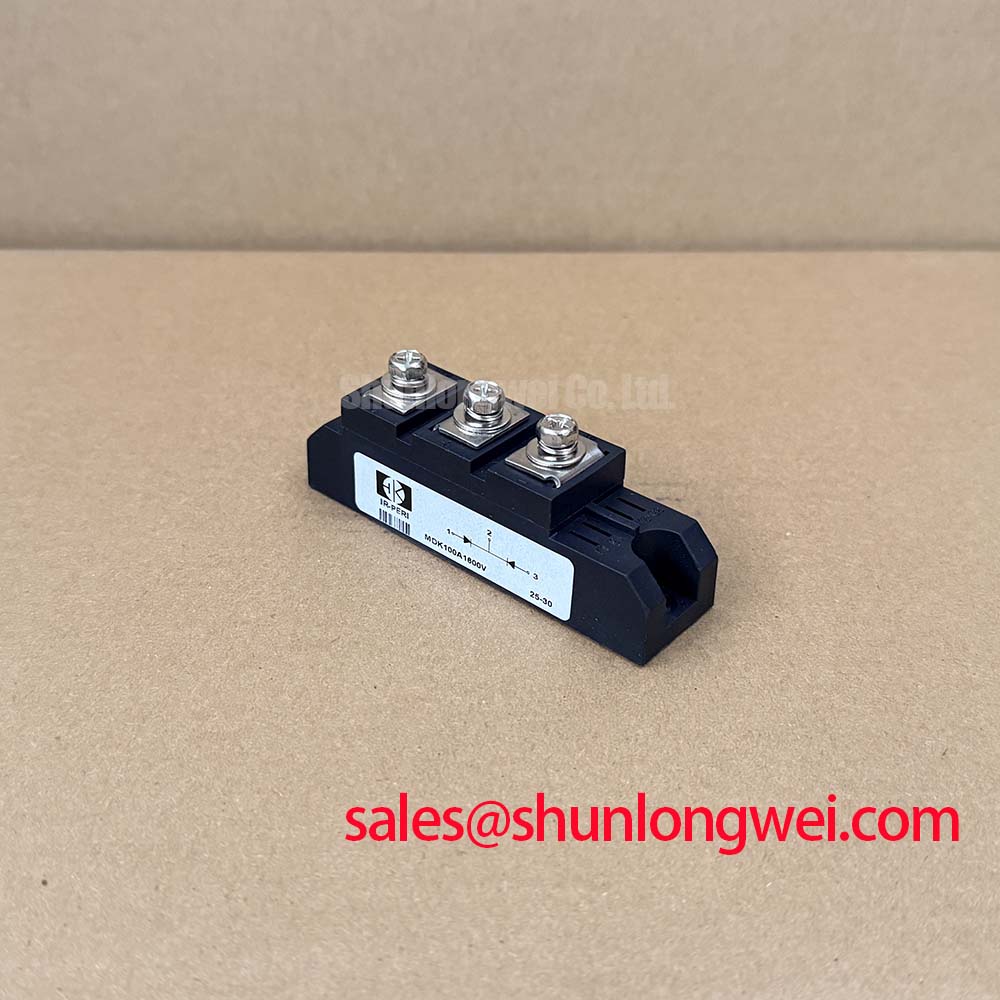
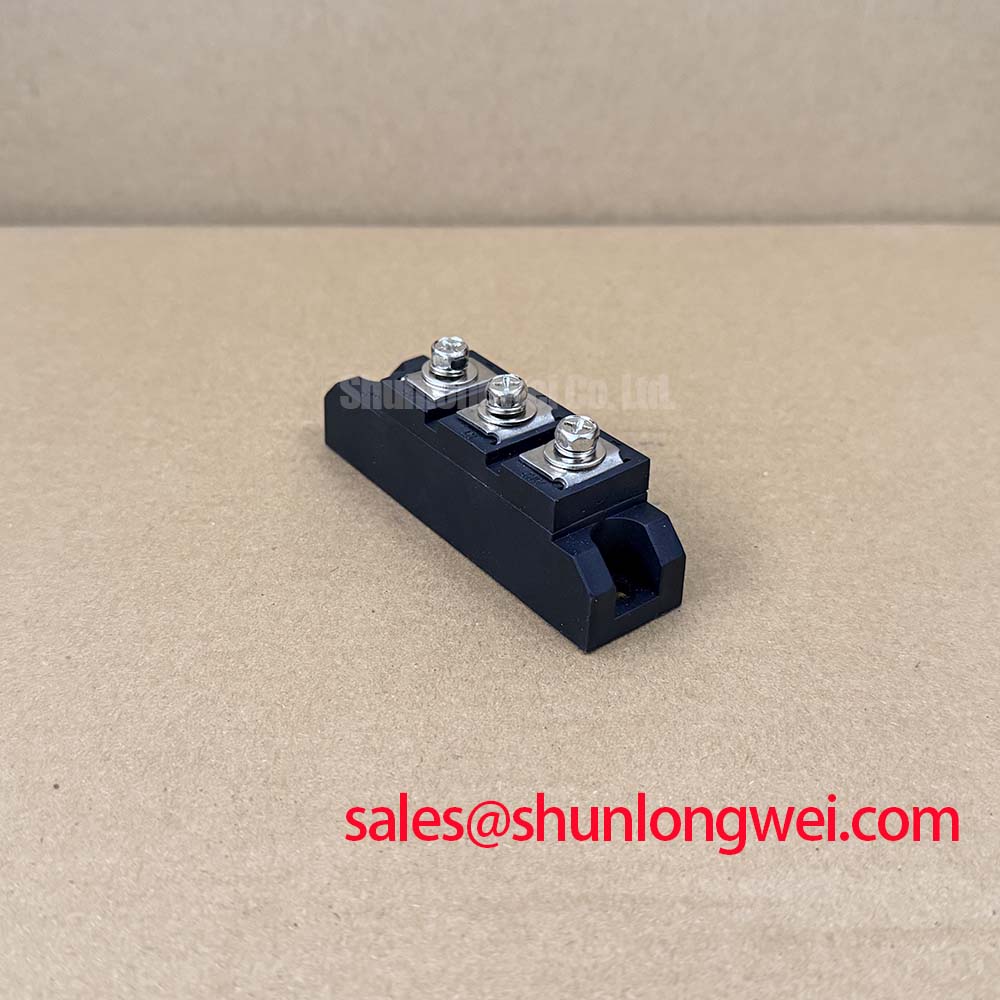
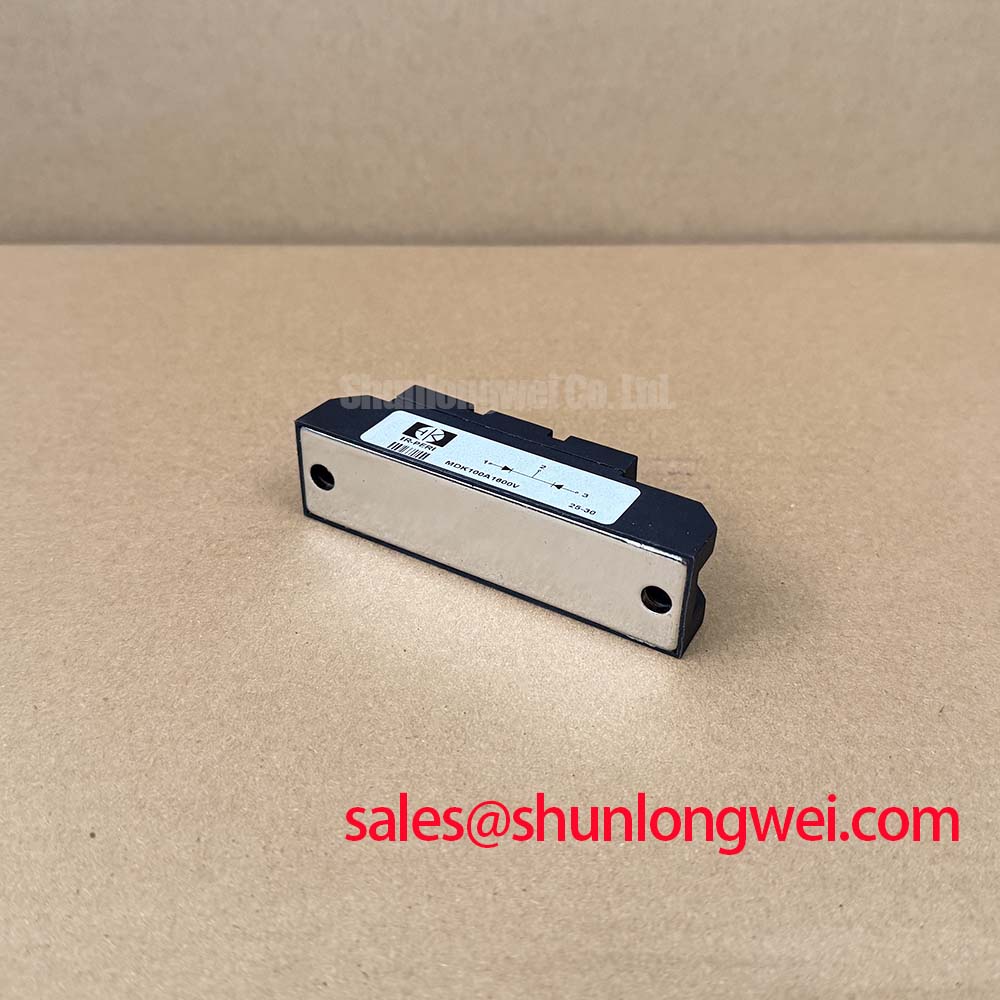
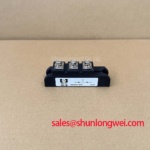
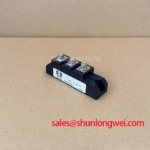
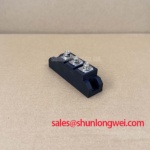
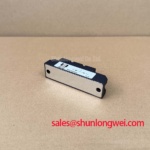
MDK100A1600V IR-PERI 1600V 100A Common Cathode Diode Module

MDK100A1600V Diode Module In-stock / ASEMI: 1600V 100A. Common cathode rectifier. 90-day warranty, solar system. Global shipping. Request pricing now.

· Categories: Diode Module
· Manufacturer: IR-PERI
· Price:
Price Range: US$ 50 - US$ 200 (Estimated)
Submit RFQ to Get Price
· Date Code: Please Verify on Quote
. Available Qty: 275
MOQ: 1 PC
Express Shipping
90-Day Warranty
1-2 Days Lead Time
100% Tested
Whatsapp: 0086 189 2465 1869

Content last revised on September 10, 2026

MDK100A1600V Diode Module: 1600V 100A Common Cathode Rectifier

The MDK100A1600V is a high-performance power diode module designed to deliver stable rectification and circuit protection. Operating with a maximum repetitive peak reverse voltage of 1600V and an average forward current of 100A, this dual-diode common cathode module meets the requirements of industrial power systems.

Highlight Features

  • UVP Statement: A rugged common cathode module designed for robust input rectification and anti-reverse protection in industrial power systems.
  • Top Specs: 1600V | 100A | Rth(j-c) 0.35°C/W (per chip).
  • Key Benefits: Simplified wiring design. High surge capability.
  • Core Question Answered: What is the primary benefit of its common cathode design? It consolidates two diode paths into a single output to reduce wiring complexity and space.

For 400V AC line rectification systems requiring a common cathode configuration, this 1600V module provides the optimal balance of isolation and current capability.

Key Parameter Overview

Key Metrics for Thermal and Voltage Coordination

Selecting the right power semiconductor requires analyzing both electrical limits and thermal characteristics. The following table highlights the critical parameters for the MDK100A1600V module, derived from official technical documentation.

Parameter Symbol Technical Description Value Unit
VRRM Repetitive Peak Reverse Voltage 1600 V
IF(AV) Average Forward Current (TC = 100°C) 100 A
IFSM Max. Surge Forward Current (10ms, Tj = 150°C) 2.6 kA
I2t I2t Value for Fusing Coordination 34,000 A2s
VFM Peak Forward Voltage Drop (at IFM = 300A) 1.45 V
Rth(j-c) Thermal Resistance, Junction to Case (Per Diode) 0.35 °C/W
Viso AC Isolation Voltage (50Hz, RMS, 1 min) 2500 V

Application Scenarios & Value

High-Stress Rectification and Photovoltaic System Protection

Engineers face severe challenges when managing transient load spikes in industrial applications. In a typical motor control unit, starting current surges can exceed the continuous rating of the input bridge. The MDK100A1600V handles this with an IFSM rating of 2.6 kA, preventing device degradation during motor startup cycles.

In solar power plants, preventing backflow from battery storage or adjacent solar arrays is critical to system safety. The MDK100A1600V acts as an anti-reverse diode, utilizing its 1600V blocking capability to withstand grid voltage fluctuations and line surges. Its dual-diode common cathode structure allows developers to parallel solar strings efficiently, reducing the total footprint of junction boxes.

For designs requiring alternative configurations, the MDC100-16 offers a series-connected half-bridge topology in the same footprint. If your power converter demands higher current capability, the MDS200A1600V three-phase bridge rectifier can support up to 200A output.

Technical & Design Deep Dive

Analyses of Thermal Design and Surge Capacity Limits

An evaluation of the thermal architecture of the MDK100A1600V reveals a low thermal resistance path. A junction-to-case thermal resistance (Rth(j-c)) of 0.35°C/W indicates that the module behaves like a wide thermal highway. This highway rapidly channels heat away from the silicon die to the copper baseplate. When using a properly sized heatsink, this low thermal resistance prevents thermal runaway by keeping the junction temperature well below its 150°C maximum limit. Understanding why Rth matters is essential for achieving long-term reliability in compact enclosures.

The forward voltage drop (VFM) of 1.45V acts as a constant voltage toll paid by the conducting current. This value directly determines the static conduction losses. For system integrators utilizing this module in high-duty-cycle rectifiers, referencing a comprehensive power semiconductor selection guide helps model overall system efficiency. Proper mounting torque of 6 N·m ensures minimal thermal contact resistance between the module housing and the heatsink, maximizing the heat transfer rate.

Frequently Asked Questions

Technical Inquiries on Operation and Mounting Integrity

How does the Rth(j-c) of 0.35°C/W directly impact heatsink selection and overall system power density?
A lower thermal resistance of 0.35°C/W minimizes the temperature gradient between the junction and the case. This allows engineers to specify a smaller heatsink for a given power dissipation, improving the overall system power density without risking thermal overload.

What is the maximum transient voltage the module can block, and does it provide safe margin for 480V AC grids?
With a repetitive peak reverse voltage (VRRM) of 1600V, the module provides a safety margin of more than three times the peak voltage of a 480V AC line (approximately 678V peak). This makes it suitable for absorbing line transients in industrial environments without requiring heavy transient suppression networks.

Under what conditions does the module require forced air cooling?
While natural convection may suffice at low current levels, applications drawing more than 40A continuously typically require forced air cooling or a high-efficiency heatsink. Operating the module at high currents without adequate heat dissipation will rapidly exceed the maximum junction temperature of 150°C, potentially leading to failure. Designers should verify their system's operating envelope by consulting the Safe Operating Area characteristics for diode rectifiers.

More Related Parts