Content last revised on September 10, 2026
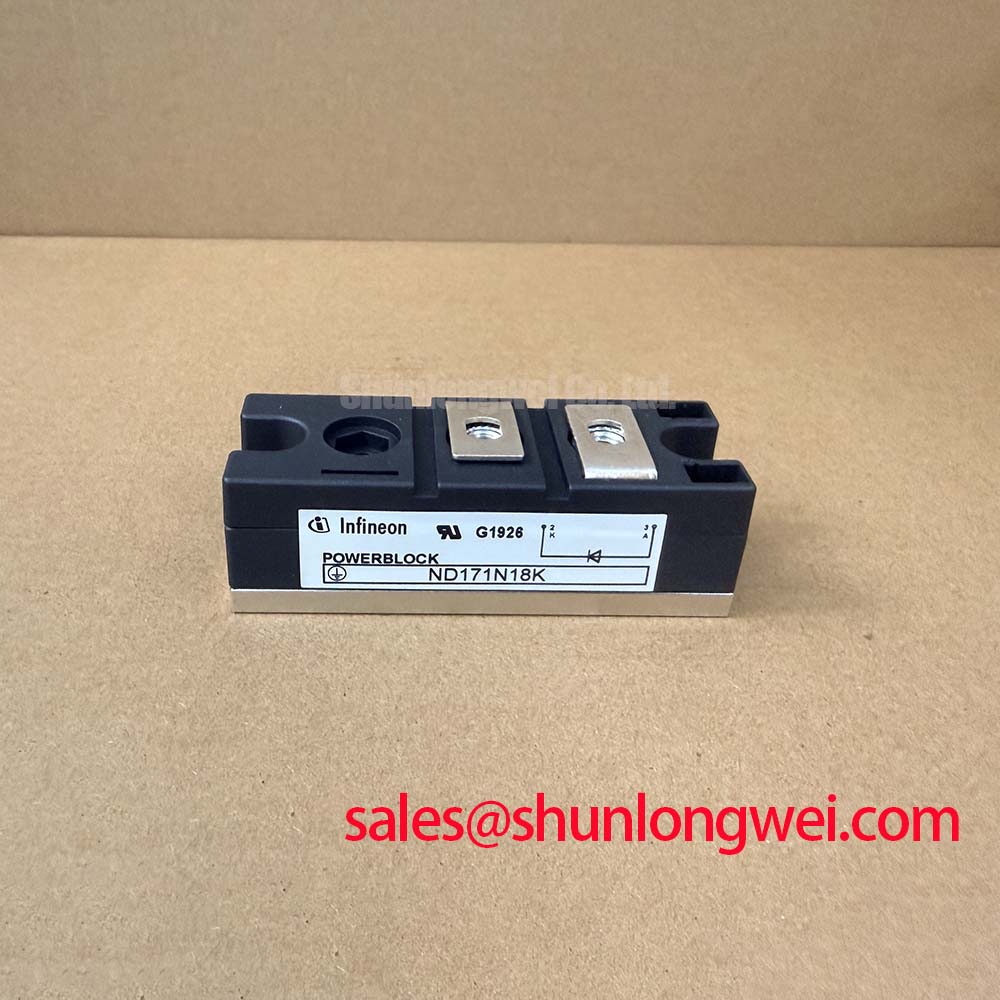
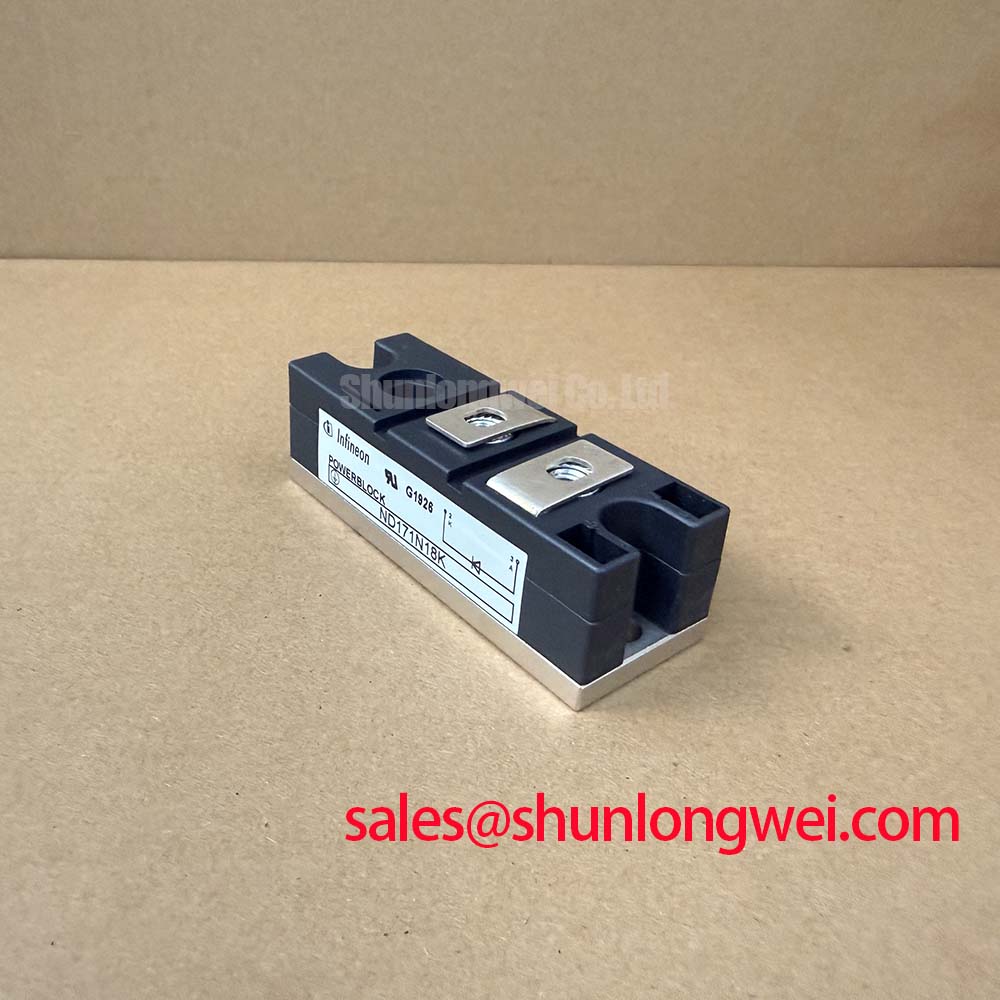
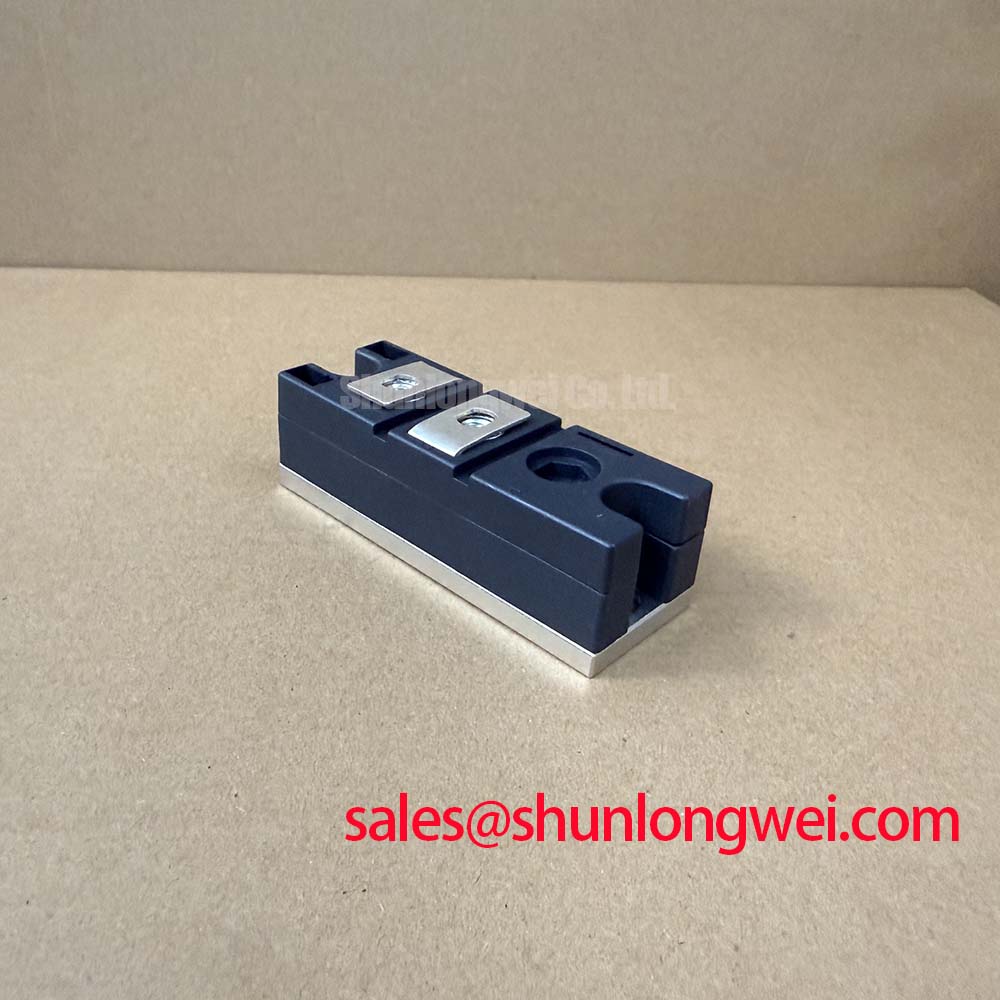
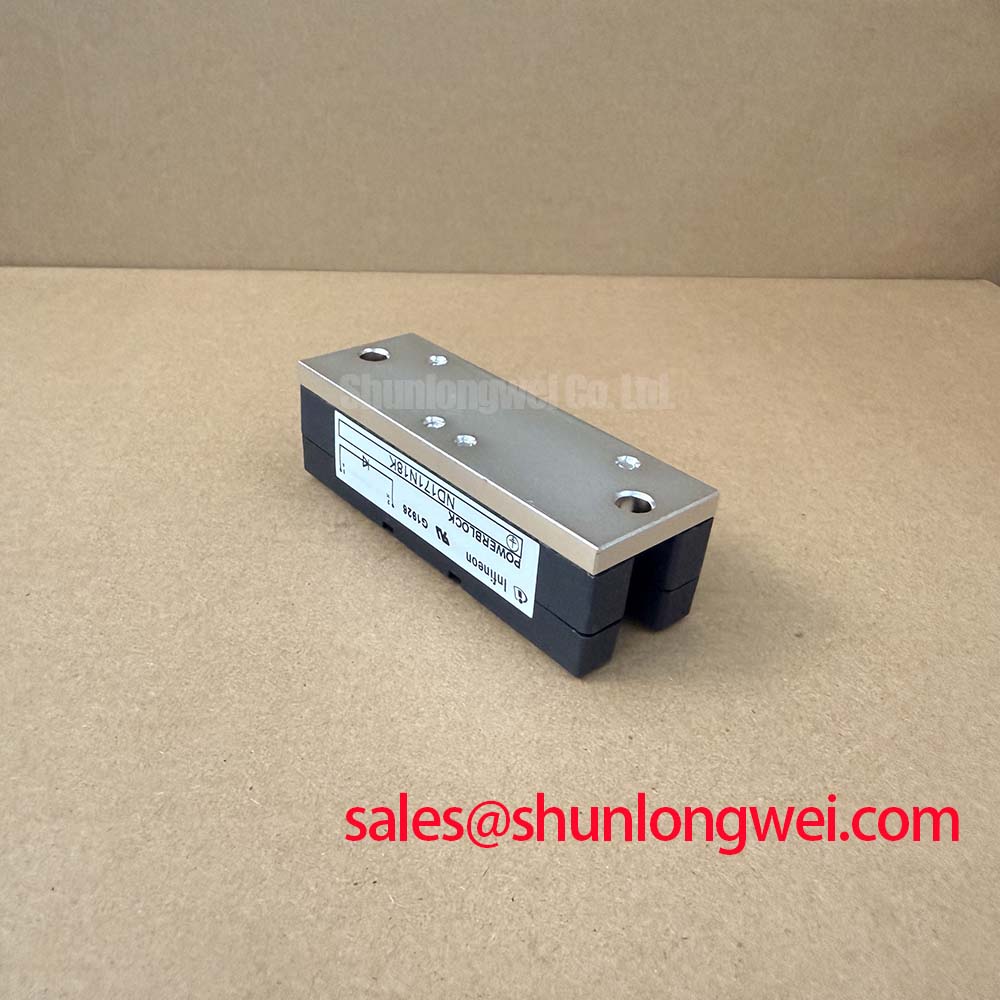
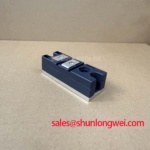
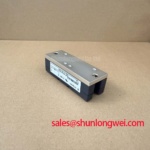
ND171N18K Single Rectifier Diode Module: Engineering High-Voltage Reliability
How can engineers resolve package degradation and thermal fatigue in high-voltage rectifier systems under constant power cycling?
The solution lies in the pressure-contact technology of the ND171N18K. The module delivers high-voltage blocking capability with pressure-contact packaging to ensure long-term stability in high-power industrial rectifiers. Utilizing a robust single diode configuration in a standard 34 mm housing, this device is engineered to perform reliably under extreme load conditions.
Top Specs: 1800V | 171A | RthJC 0.252°C/W (DC)
- Solder-free thermal robustness.
- Exceptional surge current handling.
Using pressure contact technology eliminates solder joint fatigue, resolving the common failure mode of thermal cycling. What is the primary benefit of its pressure-contact design? Enhanced long-term reliability by eliminating solder fatigue. What is the maximum junction temperature of this module? The device operates safely up to a maximum junction temperature of 150°C. For heavy-duty rectifiers demanding robust thermal cycling at 1800V, the 171A single diode configuration is the optimal choice.
Frequently Asked Questions
Resolving Core Engineering Questions on Thermal Limits and Packaging
What is the difference between the ND171N18K and the DD171N18K module?
The ND171N18K is a single rectifier diode module containing a single diode element, whereas the DD171N18K is a dual diode module. Both share the same 34 mm housing, but in the single diode version, terminal 1 remains internally open. This allows engineers to drop it into standard layouts requiring single-branch isolation.
How does the RthJC of 0.252°C/W impact the design of the cooling system?
A thermal resistance of 0.252°C/W (junction-to-case, DC) determines how efficiently heat dissipates. Designers must utilize this value to select an appropriate heatsink to maintain the junction temperature below the 150°C limit during continuous 171A operation.
Why is the 6600A surge current rating critical for industrial line rectifiers?
The surge current rating (IFSM) of 6600A (at 25°C) or 5600A (at 150°C) allows the diode to survive transient faults or load inrushes. This high value ensures the module handles fault currents without degradation, providing safety margins in robust industrial systems.
Key Parameter Overview
Functional Specs and Thermal Metrics for System Design
| Voltage & Current Ratings | ||
|---|---|---|
| Parameter | Value | Unit |
| Repetitive Peak Reverse Voltage (VRRM) | 1800 | V |
| Average On-State Current (IFAVM) @ TC = 100°C | 171 | A |
| Maximum RMS On-State Current (IFRMSM) | 270 | A |
| Surge Forward Current (IFSM) @ Tvj max, 10ms | 5600 | A |
| Thermal & Mechanical Characteristics | ||
| Thermal Resistance, Junction to Case (RthJC) (DC, per arm) | 0.252 | °C/W |
| Maximum Junction Temperature (Tvj max) | 150 | °C |
| Insulation Test Voltage (VISOL) (RMS, 1 min) | 2.5 | kV |
| Package Housing Width | 34 | mm |
| Electrical Values | ||
| On-State Voltage (VF) @ IF = 500A, Tvj max | 1.26 | V |
| Threshold Voltage (V(TO)) @ Tvj max | 0.75 | V |
| Slope Resistance (rT) @ Tvj max | 0.8 | mΩ |
Download the ND171N18K datasheet for detailed specifications and performance curves.
Technical & Design Deep Dive
A Closer Look at Pressure-Contact Technology and Baseplate Insulation
The ND171N18K from Infineon Technologies is built using advanced pressure contact technology. Unlike conventional solder-bond modules, where thermal cycling stress causes micro-cracks in the solder joints, pressure contact maintains mechanical contact using internal spring systems. This setup provides superior reliability under high thermal loads.
To understand the engineering behind these specifications, consider the thermal resistance. Think of thermal resistance (0.252°C/W) as a pipeline's bottleneck. If the heat generated at the junction is water, a lower thermal resistance is like a wider pipe, allowing heat to flow effortlessly to the heatsink without backing up and raising the junction temperature. By minimizing this bottleneck, the module operates cooler under continuous loads.
Additionally, the module features a high surge current capability (IFSM) of 5600A (at 150°C). This parameter behaves like an automobile's bumper. It is not meant for continuous use, but it is built to absorb a massive impact (in this case, short-circuit current surges for a brief 10ms duration) without destroying the core structure of the diode. This ruggedness is highly valued in industrial environments where electrical anomalies are common.
Engineers can reference established reliability testing protocols and diode module selection frameworks to calculate safe operational margins within the Safe Operating Area of the rectifier stage.
Industry Insights & Strategic Advantage
Aligning High-Voltage Rectification with Modern Efficiency Standards
Modern industrial systems demand high energy efficiency and reduced system downtime. The transition toward smart manufacturing and the integration of renewable energy grids have forced a redesign of power distribution networks. High-voltage rectifiers like the ND171N18K provide a strategic advantage by reducing conversion losses at line frequency.
The 1800V blocking voltage offers a critical safety margin for 400V and 690V industrial AC grid lines. It prevents catastrophic breakdown caused by grid instability and transient voltage spikes. By choosing a robust pressure-contact single diode module, OEMs can design products with lower Total Cost of Ownership (TCO), meeting global energy efficiency guidelines and extending the equipment lifecycle.
Application Scenarios & Value
Achieving Robust Rectification in High-Power Industrial Settings
In high-power industrial applications, such as a large crane hoist motor controlled by a Variable Frequency Drive (VFD), the input rectifier stage faces significant inrush currents during startup. A typical engineering challenge is managing these thermal spikes while ensuring compliance with the IEC 61800-3 standard for electromagnetic compatibility. By utilizing the ND171N18K, the system benefits from the diode's massive surge current capability of 5600A at maximum junction temperature. This high rating prevents catastrophic failure during startup overloads without requiring oversized heatsinks.
For applications requiring dual-diode topologies or even higher current handling, the related DD260N18KHPSA1 offers a VRRM of 1800V and a higher average forward current rating of 260A. This enables engineers to scale their designs based on specific load requirements.
In large-scale Uninterruptible Power Supplies (UPS), the rectifier must reliably convert AC utility power to DC for battery charging and inverter supply. The ND171N18K ensures low static losses with its low threshold voltage of 0.75V and slope resistance of 0.8mΩ, directly improving the efficiency of the UPS input stage. Technical designers can refer to power electronics design guides to optimize gate drive and thermal management in adjacent switching stages.
To integrate this high-reliability rectifier diode module into your next high-power system design, contact our engineering sales team to request pricing, verify current stock levels, or obtain a bulk quote today.