Content last revised on September 10, 2026
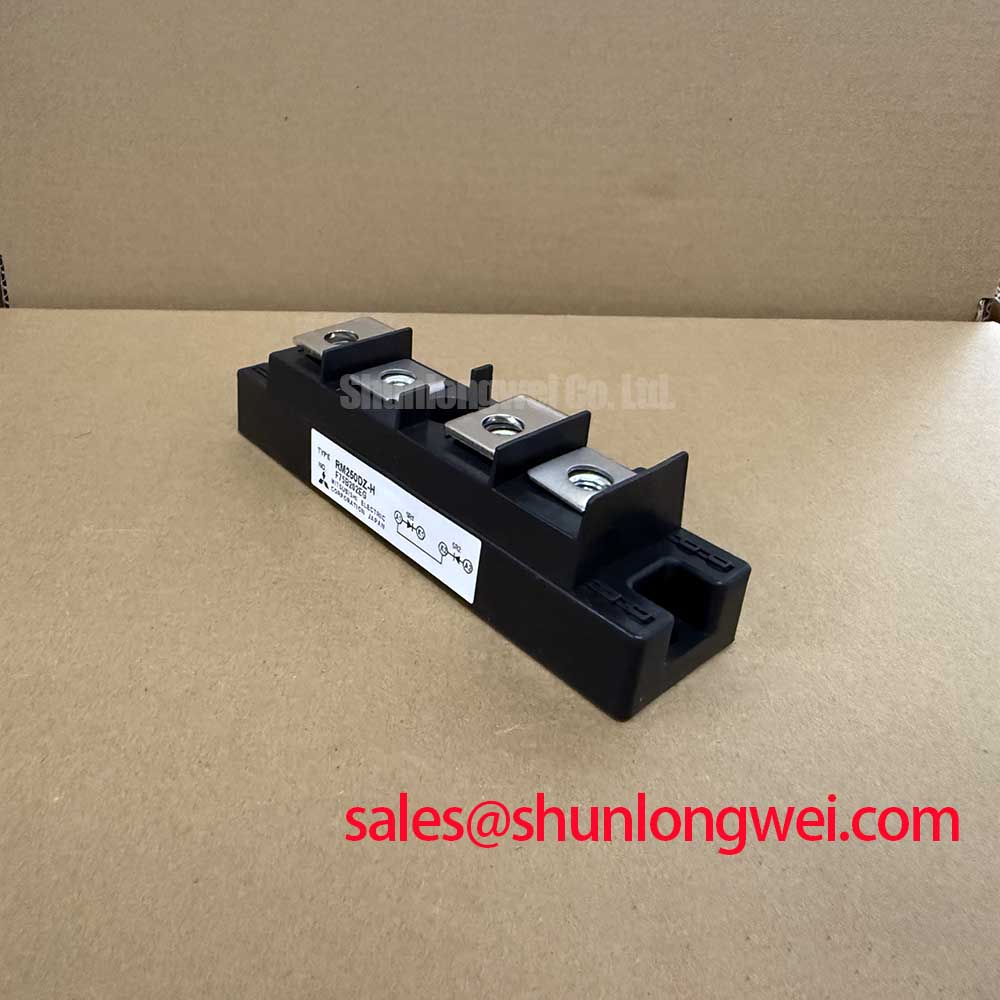
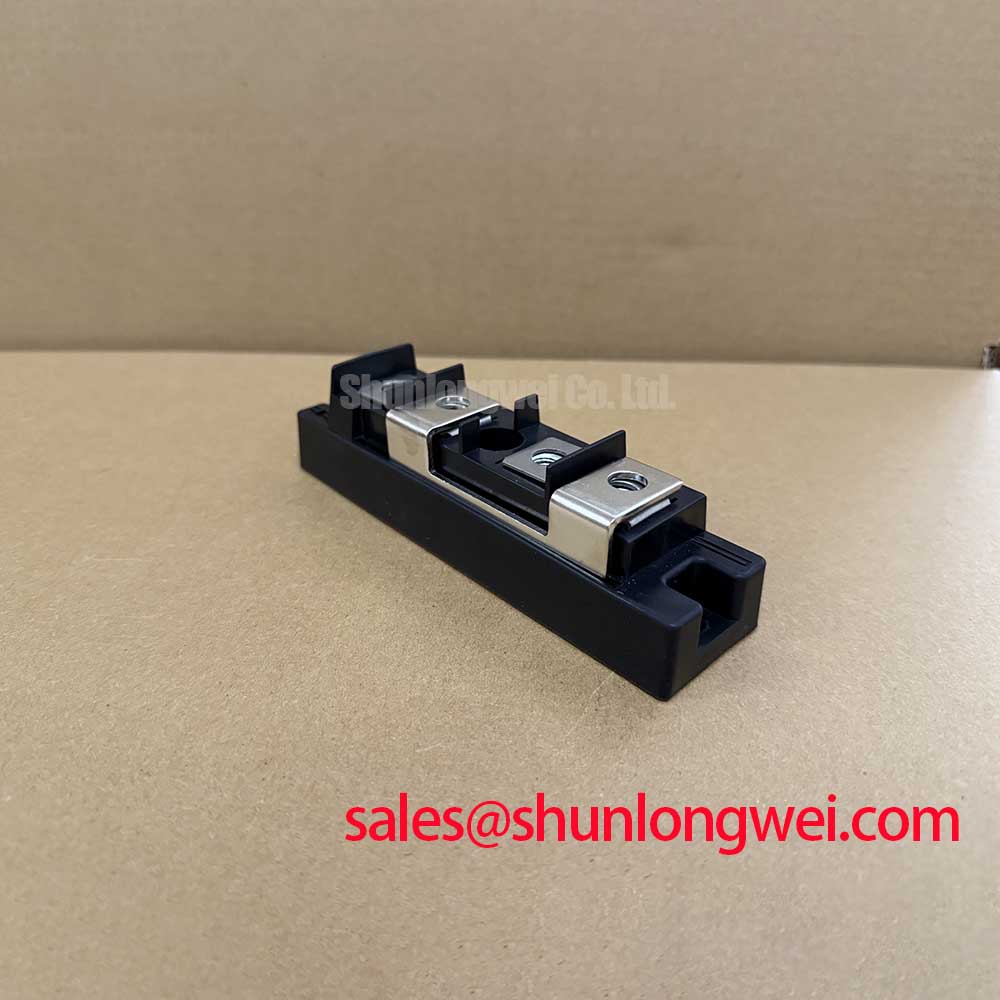
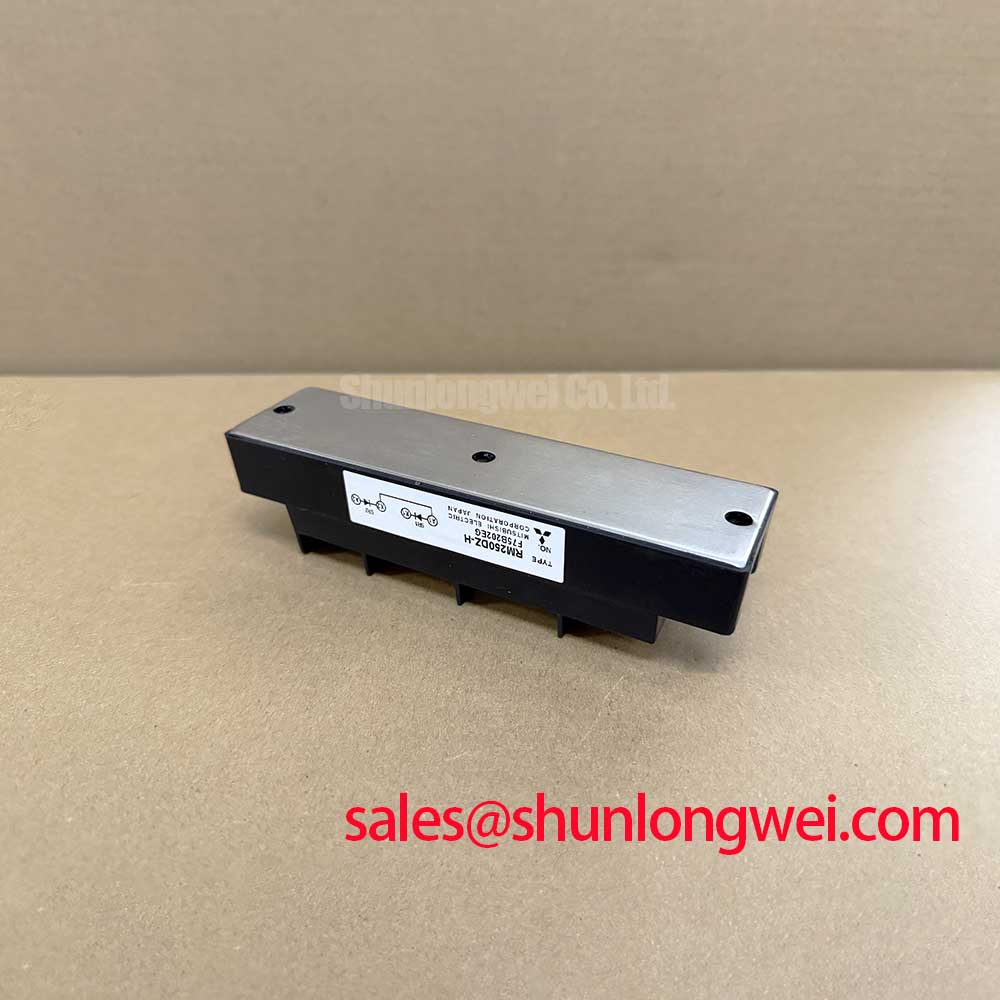
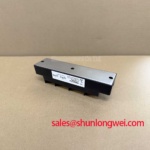
RM250DZ-H Mitsubishi High-Power Dual Diode Module
The RM250DZ-H is a high-reliability dual diode module engineered by Mitsubishi Electric for demanding industrial rectification applications. Delivering a robust 250A average forward current and an 800V repetitive peak reverse voltage, this module is designed to provide high-current density within a compact, insulated footprint. For high-power battery chargers prioritizing thermal efficiency, this 250A module is the optimal choice.
- UVP Statement: High-current density in a thermally optimized dual-diode configuration for industrial-grade power rectification.
- Top Specs: 800V | 250A | Rth(j-c) 0.12°C/W
- Key Benefits: Simplified multi-module cooling; high surge current capability (5000A).
- Core Insight: How does the insulated base aid system design? It allows multiple modules to share one heatsink without additional external insulation, drastically reducing system volume.
Application Scenarios & Value
Achieving System-Level Benefits in Industrial Power Conversion
Engineers often face challenges when scaling power rectification for Variable Frequency Drives (VFD) and large-scale welding power supplies. The RM250DZ-H addresses these hurdles by providing a high 250A current rating in a module that simplifies mechanical layout. In the input stage of a 400V industrial AC drive, the 800V reverse voltage rating provides a necessary safety margin against line transients and surges.
In high-fidelity engineering scenarios, such as battery charging infrastructure for electric forklifts, the ability of the RM250DZ-H to handle a 5000A non-repetitive surge current is critical. This ensures that the module survives the high inrush currents typical during the initial connection of massive capacitive loads. While this module handles 250A, for systems with lower current requirements, the RM100DZ-H serves as a more compact alternative, whereas the TM200DZ-H offers a thyristor-diode hybrid alternative for phase-control applications.
Technical Deep Dive
Optimizing Thermal Paths for High-Current Rectification
The performance of any power semiconductor is ultimately limited by its ability to move heat away from the silicon junction. The RM250DZ-H features an advanced Thermal Resistance of 0.12°C/W (Junction to Case). Think of this thermal path as a multi-lane highway for heat; the lower the resistance, the more "traffic" (current) can flow without causing a catastrophic "bottleneck" (overheating). This is essential for maintaining long-term reliability in high-duty cycle applications like electrolysis or plating power supplies.
Understanding Thermal Management is as vital as the electrical specs themselves. By utilizing a high-thermal-conductivity ceramic insulation, Mitsubishi ensures that the baseplate remains electrically isolated while maintaining high thermal flux. This design choice prevents thermal runaway, a common failure mode in lower-quality discrete components. Engineers should refer to our guide on Why Rth Matters to fully grasp how these parameters dictate the lifespan of power modules in harsh environments. Decoding these values is a fundamental part of the Datasheet Analysis required for robust system design.
Key Parameter Overview
Decoding the Specs for Enhanced Power Density
| Parameter Symbol | Technical Specification | Engineering Value |
|---|---|---|
| Model Number | RM250DZ-H | Industry standard 250A dual diode |
| V_RRM | 800V | Safe operation on 220V/440V lines |
| I_F (AV) | 250A (Per arm) | High current handling in dual config |
| I_FSM | 5000A (60Hz) | Robustness against short-term surges |
| V_ISO | 2500V AC | Ensures safety and isolation compliance |
Download the RM250DZ-H datasheet for detailed specifications and performance curves.
FAQ
How does the 2500V isolation voltage rating benefit the overall system safety?
The 2500V isolation ensures that the electrical circuits are safely separated from the grounded heatsink. This compliance with international safety standards prevents electric shock hazards and allows the RM250DZ-H to be used in high-voltage industrial environments where UL or IEC certifications are required.
What is the impact of the 5000A surge current rating on protective fuse selection?
The high I_FSM of 5000A allows engineers more flexibility when selecting fast-acting fuses. It ensures the diode can survive a transient fault long enough for the protective circuitry to trip, preventing the diode from becoming the "fuse" itself in the event of a downstream short circuit.
Why is the Rth(j-c) of 0.12°C/W significant for the module's power density?
A low Thermal Resistance allows the RM250DZ-H to dissipate heat more efficiently than standard modules. This translates to smaller heatsinks or the ability to run the module at higher currents within the same thermal envelope, effectively increasing the power density of the rectifier stage.
Can the RM250DZ-H be used in 690V grid systems?
With an 800V V_RRM, the RM250DZ-H is primarily suited for 220V to 440V AC systems. For 690V lines, engineers typically require modules with a V_RRM of 1600V or higher to ensure adequate safety margins against peak line voltages and switching transients.
Strategically, incorporating the RM250DZ-H into your design is about more than just current rectification; it is an investment in system longevity and ease of maintenance. As industrial power requirements shift toward higher efficiency and compact footprints, standardized modules from a top-tier manufacturer like Mitsubishi ensure a reliable supply chain and consistent performance metrics. For further technical comparison, exploring the Power Semiconductor Selection Guide can provide additional context for scaling your future power electronic architectures.