



Content last revised on September 10, 2026
PD104VT2T1: Engineering Review of an Industrial 10.4" XGA TFT-LCD
A Focus on Durability and System Integration
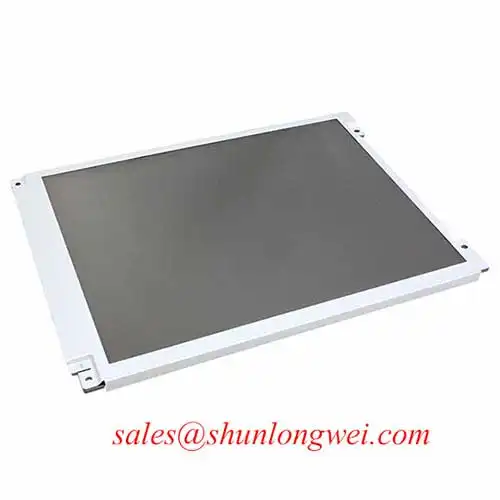
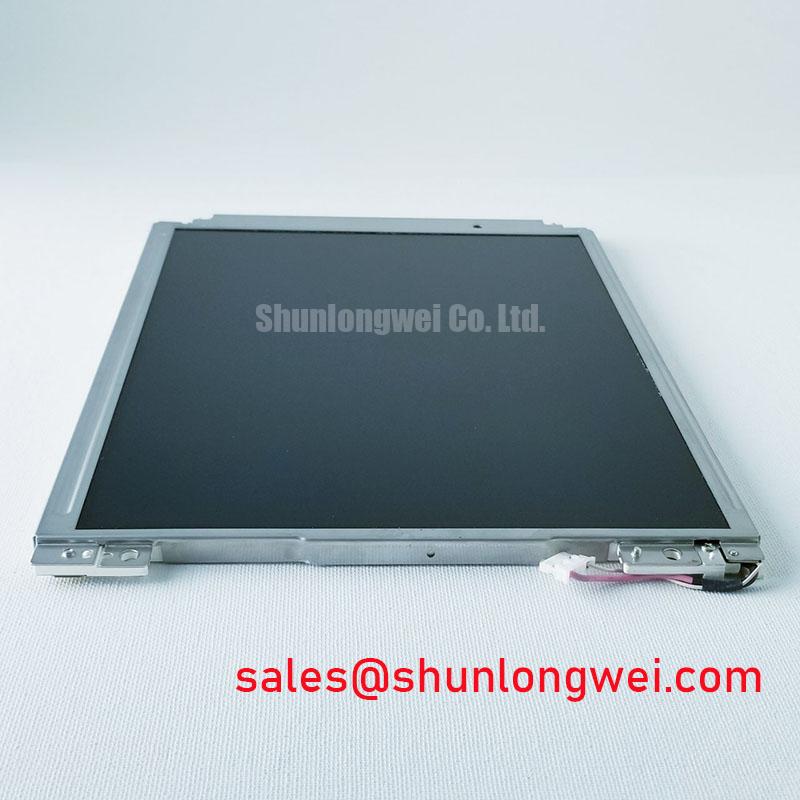
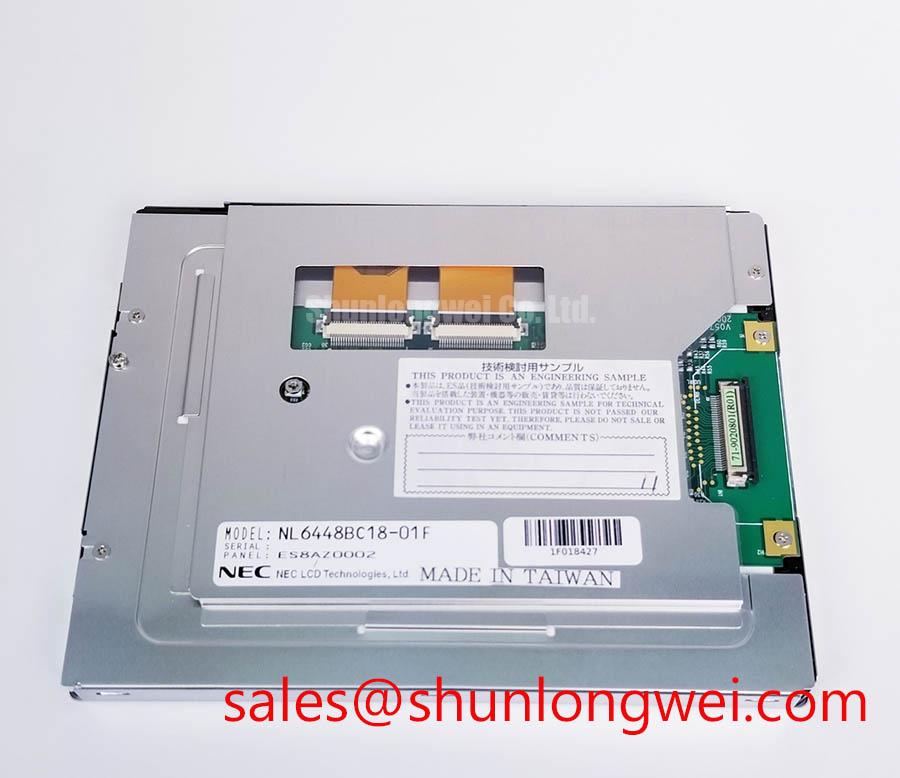
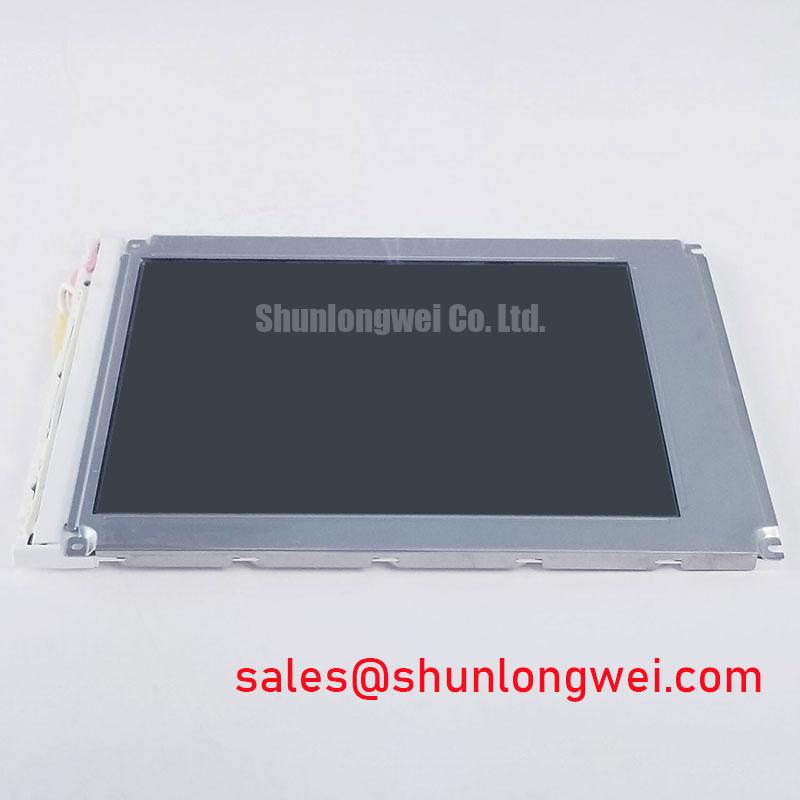
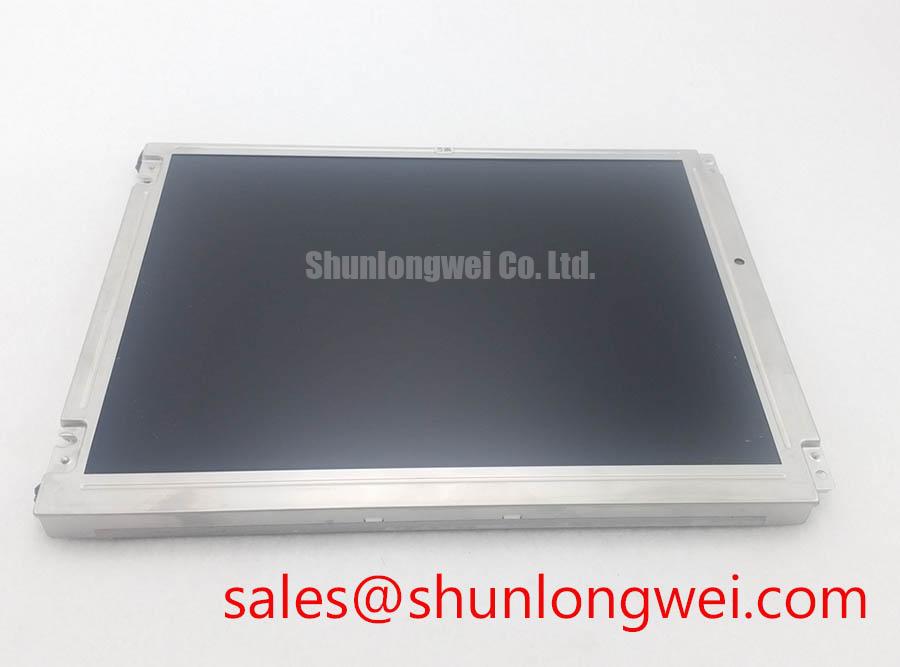
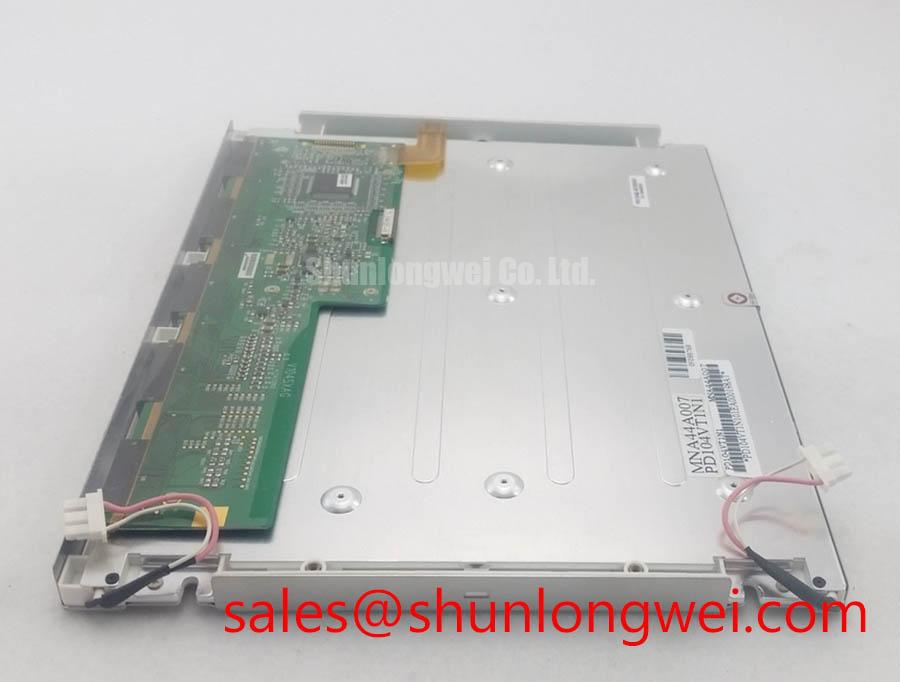
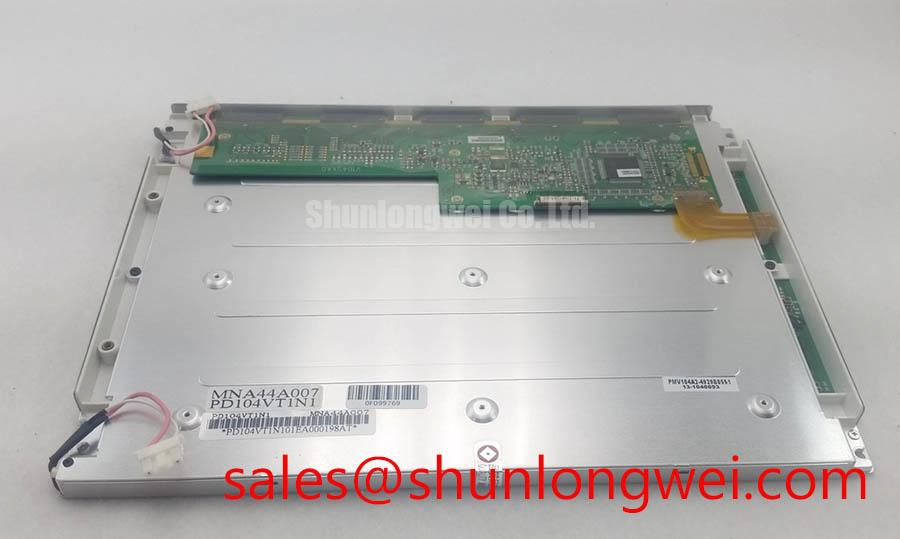
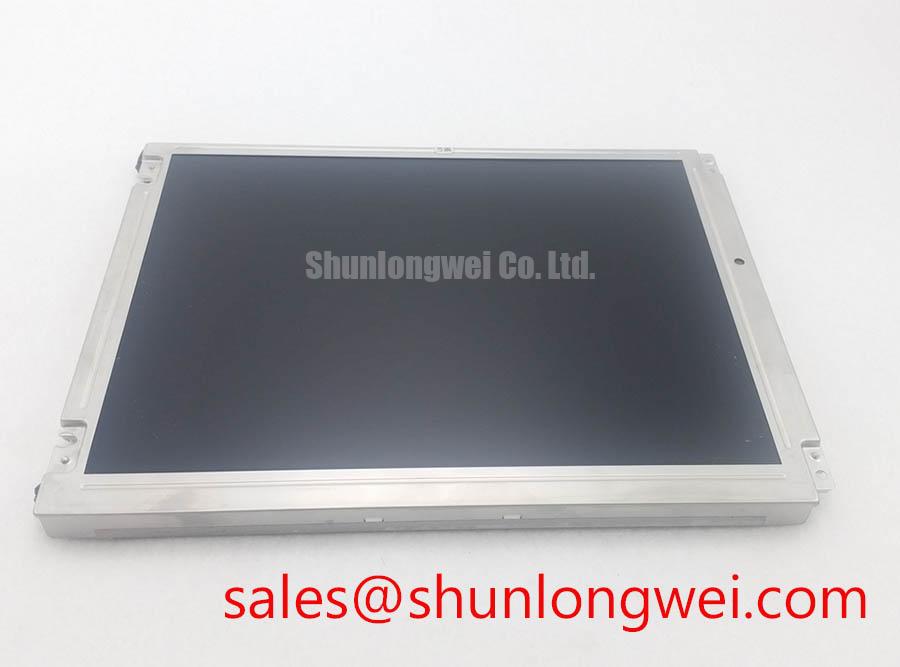
Engineered for operational stability in demanding settings, the PVI PD104VT2T1 provides a robust 10.4-inch display solution for long-lifecycle industrial and medical applications. This panel delivers a classic XGA resolution of 1024x768 with a notable operating temperature range of -20 to 70°C and a standard 500:1 contrast ratio. Key benefits include excellent environmental resilience and straightforward system integration. It directly addresses the need for a reliable display in environments where temperature extremes are a primary design constraint. For systems requiring proven durability over cutting-edge features, the PD104VT2T1's specification set makes it a strategic choice.
Key Parameter Overview
Decoding the Specs for Environmental Reliability
The technical specifications of the PD104VT2T1 are tailored for industrial applications where performance consistency is paramount. The following parameters are central to its design and application value. The wide operating temperature range is particularly critical for equipment deployed in non-climate-controlled locations.
| Parameter | Specification | Engineering Significance |
|---|---|---|
| Display Size | 10.4 inch | A standard size for a wide range of industrial control panels and medical monitors. |
| Resolution | 1024(RGB)×768, XGA | Provides clear, detailed imagery for complex GUIs and data visualization. |
| Operating Temperature | -20 ~ 70 °C | Enables reliable operation in harsh indoor and outdoor environments without active cooling or heating. |
| Luminance | 230 cd/m² (Typ.) | Sufficient brightness for typical indoor industrial and medical ambient lighting conditions. |
| Contrast Ratio | 500:1 (Typ.) | Ensures distinct separation between blacks and whites for improved text and image legibility. |
| Viewing Angle | 80/80/70/70 (L/R/U/D) (Typ.) | Allows for clear off-axis viewing, critical for panels read by multiple operators. |
| Interface Type | LVDS (1 ch, 6-bit) | A robust, low-EMI digital interface common in industrial systems, simplifying board-level design. |
| Backlight | CCFL | A mature technology known for consistent color performance, requiring a CCFL inverter for power. |
Application Scenarios & Value
System-Level Benefits in Industrial and Medical HMIs
The PD104VT2T1 is optimized for environments where reliability and long-term availability are more critical than cutting-edge display features. Its robust construction makes it an ideal candidate for Human-Machine Interfaces (HMIs) in factory automation, process control systems, and specialized instrumentation.
Consider the challenge of designing an industrial control panel for a metal stamping facility. The HMI must endure significant temperature swings from cold morning startups to high afternoon heat, all while providing clear, unambiguous information to operators. The PD104VT2T1's -20 to 70°C operating range directly meets this challenge, ensuring the display functions without failure or image degradation. Its 500:1 contrast ratio provides the necessary clarity for operators to quickly read critical machine status and alerts, even under imperfect factory lighting. This focus on fundamentals is a core tenet of designing a reliable industrial display system.
While this 10.4-inch model serves as a versatile mid-size option, systems requiring more compact integration may consider the related G084SN05 V9, an 8.4-inch panel. For applications needing a larger viewing area for more complex data, the 12.1-inch G121SN01 V4 offers a similar level of industrial-grade performance.
Application Vignette
Enhancing Operator Efficiency in Legacy System Retrofits
A key application for the PVI PD104VT2T1 is in the strategic upgrade of aging industrial machinery, often referred to as a legacy system retrofit. Many CNC machines, PLCs, and manufacturing robots from the past two decades utilize 10.4-inch 4:3 aspect ratio displays that are now failing. Sourcing a replacement that matches the mechanical footprint, electrical interface, and environmental resilience is a significant engineering challenge. The PD104VT2T1 directly addresses this with its standard form factor and LVDS Interface.
Imagine the LVDS connection as a modern, multi-lane digital highway for video data, replacing an older, noisier analog road. This not only simplifies the connection to a modern single-board computer but also dramatically improves signal integrity, reducing the risk of data errors that could cause screen flicker or artifacts. For a machine operator, this translates to a stable, trustworthy interface. The panel's wide viewing angles act like broad, well-placed signage on this highway; the operator doesn't need to be standing directly in front of the screen to accurately read a critical pressure or temperature value, improving both safety and operational flexibility on the factory floor.
Frequently Asked Questions (FAQ)
Design Considerations for the PD104VT2T1
How does the -20°C to 70°C operating temperature impact system design?
This wide range significantly reduces the need for external heating or cooling components in many applications, simplifying the mechanical design and lowering the overall bill of materials (BOM). It ensures functionality in sealed enclosures or in locations with poor ventilation, from a cold-storage warehouse HMI to a control panel in a hot factory. What is the benefit of this temperature range? It enables deployment in environments where consumer-grade displays would fail.
What are the implications of the CCFL backlight for a new design?
The CCFL backlight requires a dedicated high-voltage inverter to power it, which must be accounted for in the system's power budget and physical layout. While modern systems often favor LEDs, CCFL technology is well-understood and provides excellent color stability, which is a key requirement for certain medical imaging and test & measurement applications. The choice reflects a design priority for proven performance over the latest technology.
Is the 230 nit brightness sufficient for outdoor use?
The 230 cd/m² luminance is best suited for indoor or heavily shaded outdoor environments. It is not designed for direct sunlight readability. For applications exposed to bright, direct sunlight, a display with a brightness of 800 nits or higher would be necessary. This display excels in typical factory, laboratory, and hospital lighting conditions.
Why is the 4:3 aspect ratio still relevant in industrial applications?
Many legacy software interfaces and GUIs for industrial and medical equipment were designed for a 4:3 screen. Using a display like the PD104VT2T1 for a system upgrade or repair avoids the costly and time-consuming process of redesigning and revalidating the user interface software. It allows for a direct, drop-in replacement that preserves the established operator workflow. What is the primary benefit of its 4:3 aspect ratio? It simplifies the retrofitting of legacy HMI systems.
The strategic value of the PD104VT2T1 lies in its adherence to proven industrial standards. By providing a reliable, environmentally robust display with a classic form factor, it enables engineers to extend the life of critical equipment and develop new systems with a focus on long-term dependability. This approach prioritizes stability and total cost of ownership, ensuring that the display component supports the operational goals of the entire system for years to come. For a comprehensive understanding of the technology, The Ultimate Guide to TFT-LCD offers further insights into the core principles of displays like this one from manufacturers such as AUO.