

Content last revised on September 10, 2026
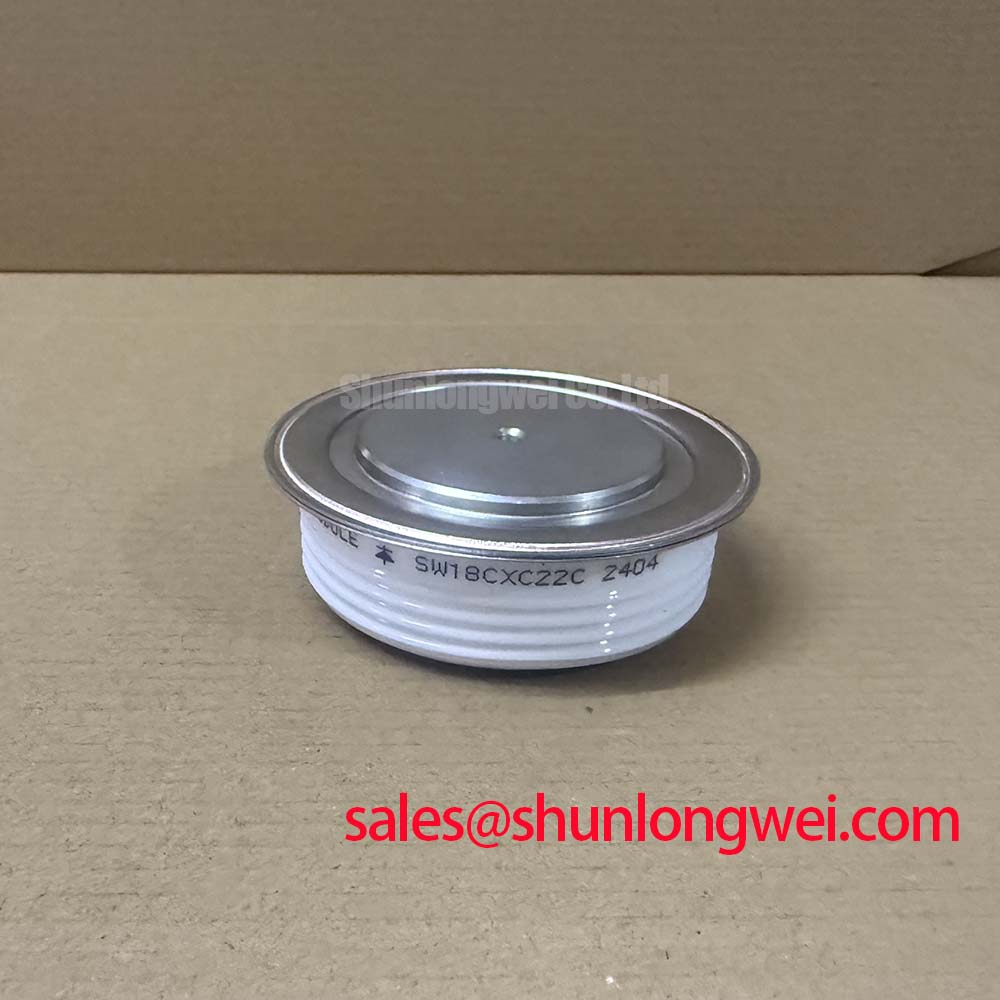
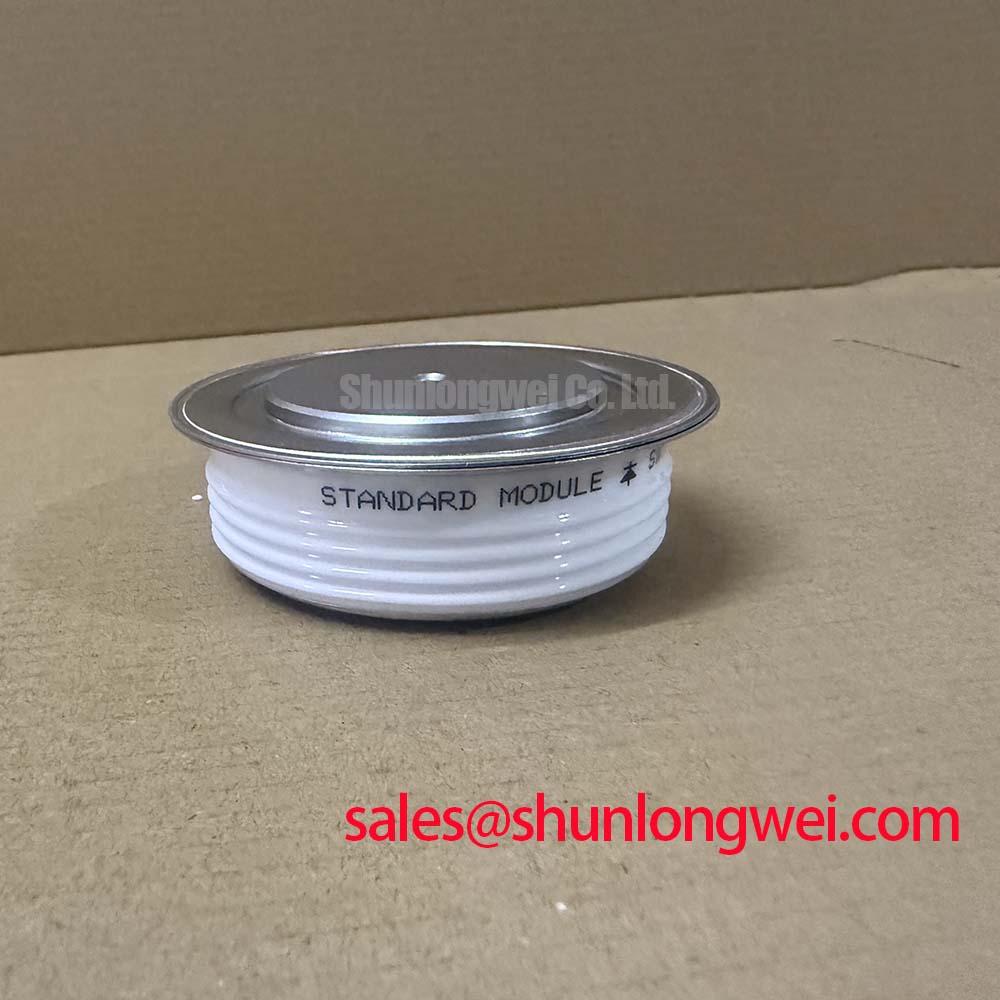
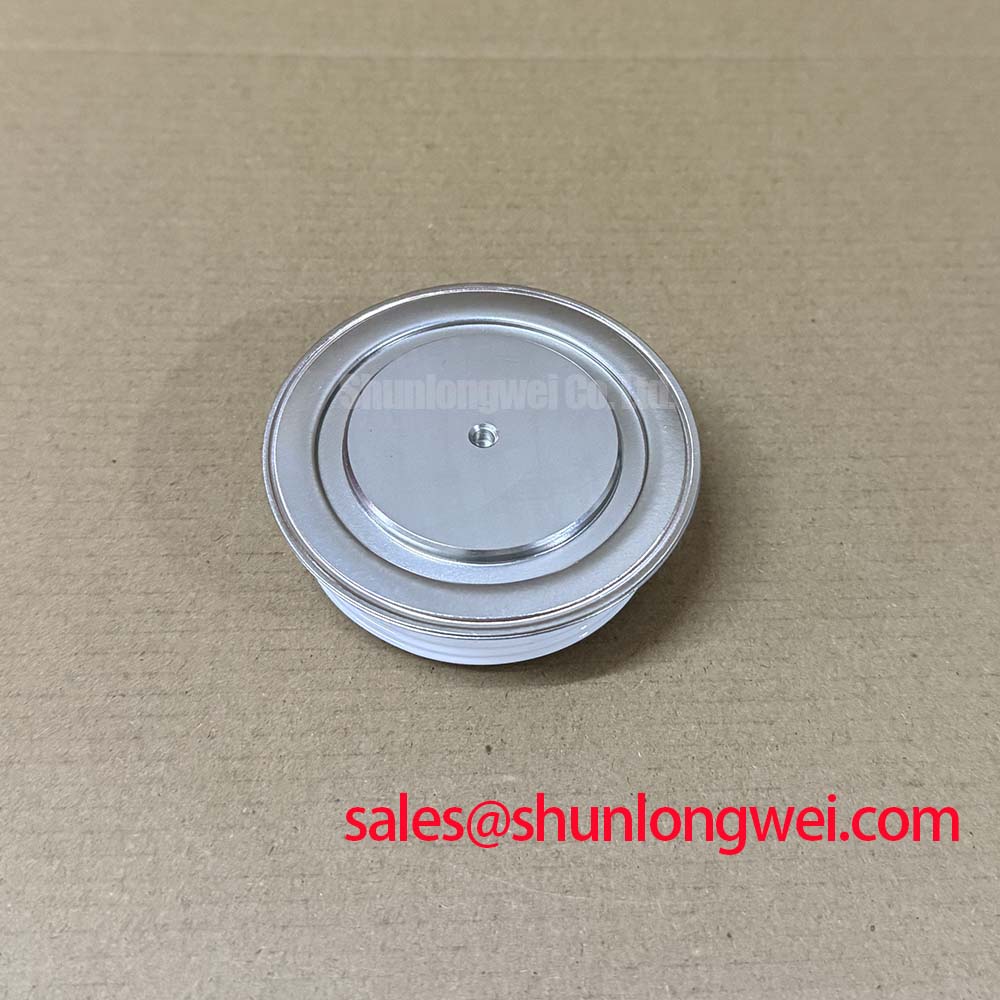
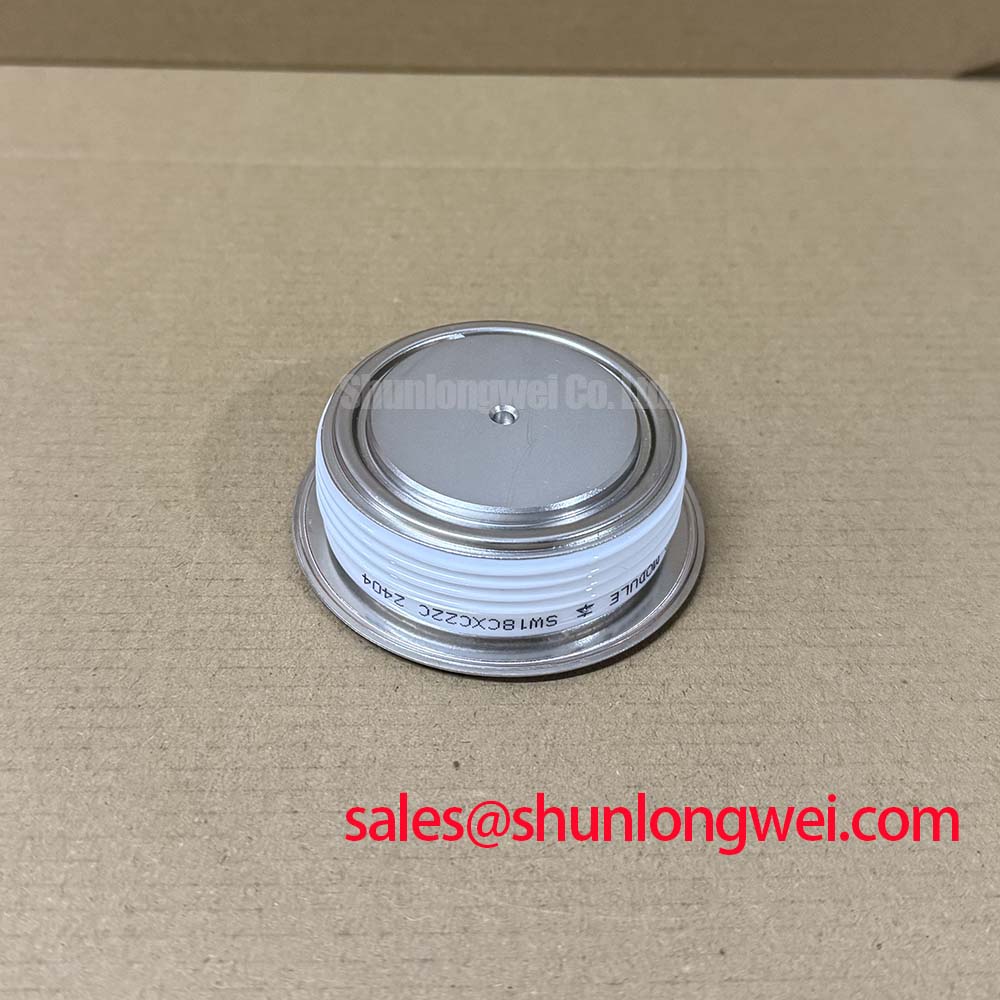
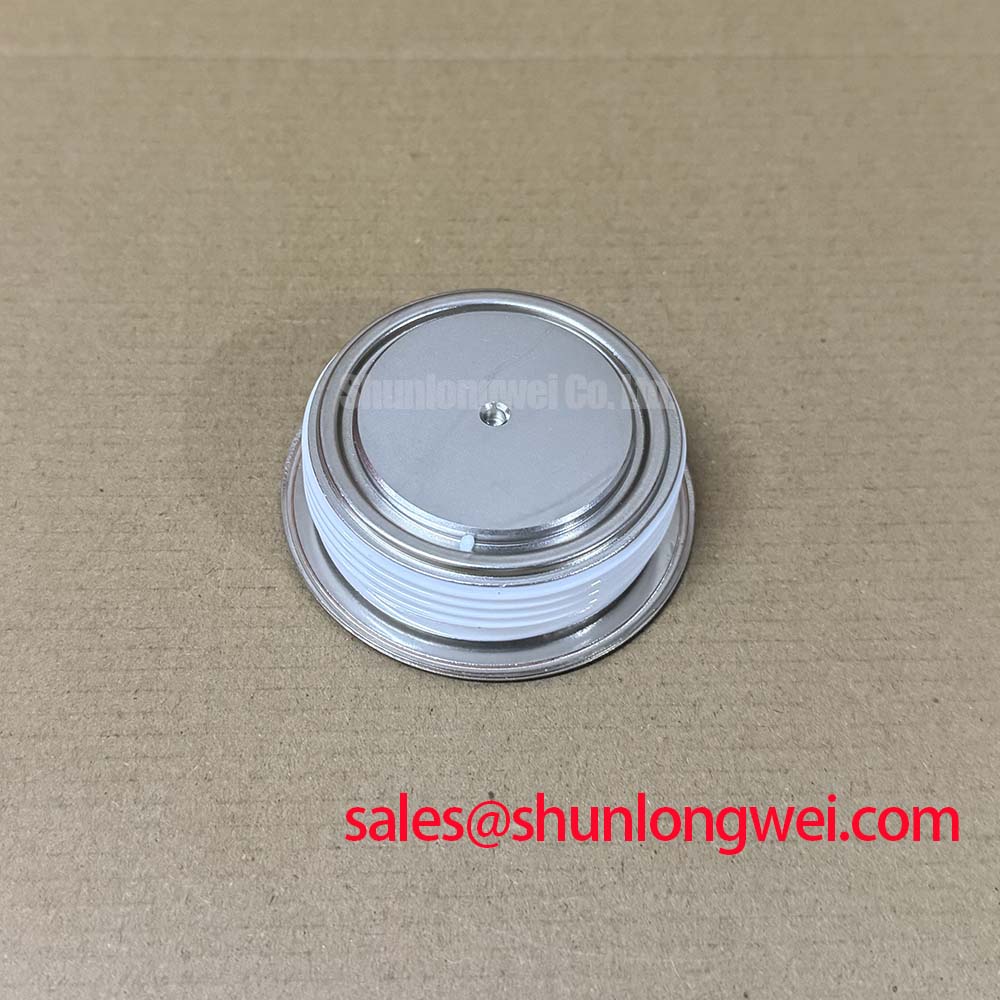
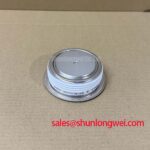
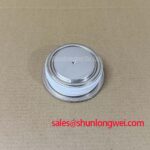
SW18CXC22C Westcode 1800V Phase Control Thyristor Capsule
The SW18CXC22C delivers exceptional thermal cycling capacity through its pressure-contact capsule design, ensuring maximum uptime in rigorous industrial rectification environments. 1800V | CXC Capsule | Double-Sided Cooling. It guarantees superior surge current handling. It eliminates thermal bottlenecking in high-power arrays. What is the primary benefit of its pressure-contact design? It enhances long-term reliability by eliminating solder fatigue. By maintaining structural integrity under continuous load changes, this thyristor significantly minimizes maintenance overhead for operators. For 1800V high-power AC/DC conversion systems prioritizing thermal margin, this capsule thyristor is the optimal choice.
Key Parameter Overview
Decoding the Specs for Enhanced Thermal Reliability
The following functional grouping highlights the core capabilities of this device, illustrating how its physical and electrical specifications translate directly into robust system performance.
| Functional Group | Parameter | Value | Engineering Impact |
|---|---|---|---|
| Voltage | Repetitive Peak Off-State Voltage (VDRM) | 1800V | Provides ample safety headroom for robust 690V AC line applications. |
| Thermal Management | Cooling Configuration | Double-Sided | Maximizes heat extraction from both silicon faces to mitigate thermal runaway. |
| Mechanical | Package Type | CXC Capsule | Allows for high clamping forces and exceptional structural resilience under stress. |
Download the SW18CXC22C datasheet for detailed specifications and performance curves.
Application Scenarios & Value
Achieving Thermal Stability in Heavy-Duty Motor Soft Starters
In continuous process industries, engineers often grapple with the massive starting currents of large AC machines. The SW18CXC22C becomes a critical asset when integrated into an AC motor soft starter or a solid-state contactor framework. Its 1800V rating easily accommodates the transient voltage spikes typically encountered on industrial grids. By utilizing double-sided cooling, the module maintains a safe junction temperature even during extended acceleration ramps, ensuring strict compliance with IEC 60146 standards for semiconductor converters.
When building a megawatt-scale grid-tied inverter or managing a regional HVDC transmission node, handling extreme electrical surges is paramount. While this specific thyristor is ideal for robust phase commutation, systems requiring active high-frequency switching may utilize the FZ2400R17KE3_S1 to manage complex vector control demands. Integrating these components correctly heavily relies on sound thermal management strategies across the entire power stage.
Technical Deep Dive
A Closer Look at the Pressure-Contact Design for Long-Term Reliability
Unlike standard soldered isolated modules, the SW18CXC22C utilizes a highly resilient pressure-contact (hockey puck) construction. This architectural choice fundamentally alters how the device responds to intense thermomechanical stress. Think of the pressure-contact capsule as a high-performance mechanical vise; it relies on external clamping force to maintain electrical and thermal conductivity, allowing the internal silicon to expand and contract freely without shearing fixed bonds. What is the advantage of double-sided cooling in this context? It halves the effective thermal resistance from both faces.
This design dramatically improves power cycling capability. When operating in severe applications like a crowbar protection circuit, the device must survive near-instantaneous current surges without degradation. The absence of solder layers prevents the formation of micro-cracks that typically degrade thermal pathways over time, providing engineers with a highly predictable lifespan even under abusive electrical conditions. For deeper insights into advanced power packaging, review how packaging dictates thermal performance. Further operational boundary reading can be explored via this comprehensive guide on Safe Operating Area.
Frequently Asked Questions
Field Engineering & Troubleshooting Queries
- How does the 1800V VDRM rating of the SW18CXC22C dictate MOV selection in the snubber circuit?
To ensure the thyristor is not subjected to destructive avalanching, the clamping voltage of the selected Metal Oxide Varistor must be strictly coordinated to remain below the 1800V threshold under worst-case transient conditions, while maintaining sufficient margin above the nominal line voltage. - Why is a specific external clamping force critical when mounting this capsule thyristor?
Inadequate clamping pressure directly increases contact resistance and localized heating, while excessive force can permanently fracture the silicon wafer. Applying the precise manufacturer-specified mounting force is mandatory to achieve the rated double-sided thermal resistance and optimal surge current capability.
Are you evaluating the precise thermal and electrical requirements for your next high-power rectifier project? Contact our engineering support team to verify clamping specifications, confirm stock availability, and ensure the SW18CXC22C perfectly aligns with your system-level reliability targets.