Content last revised on November 12, 2026
Suppressing Acoustic Capacitor Buzz & EMI Emissions across 200 Hz to 1 kHz PWM Frequencies
Power off the equipment and disconnect the display harness before checking the connector seating, bezel pressure, and gasket contact around a dark or uneven TM121SV-02L09 screen. Separate image-generation faults from illumination faults before replacing the display assembly; a dark screen alone does not establish which subsystem has failed.
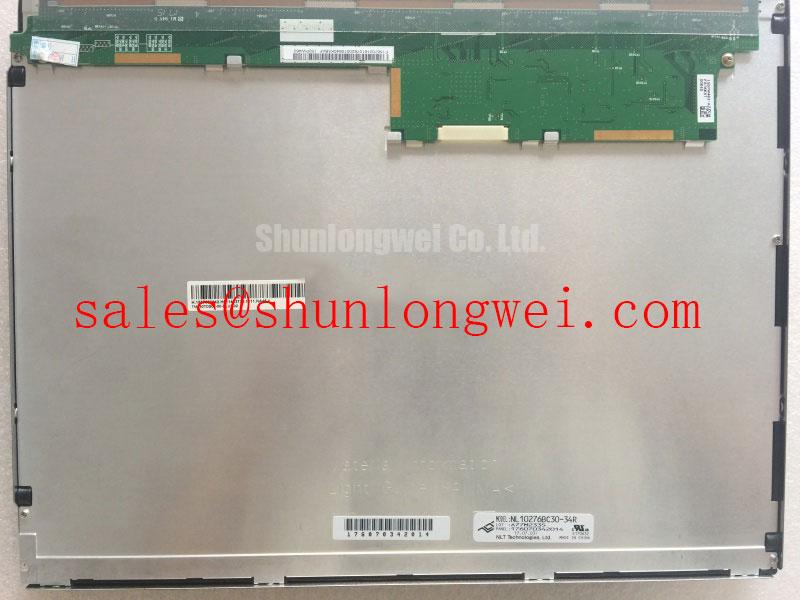
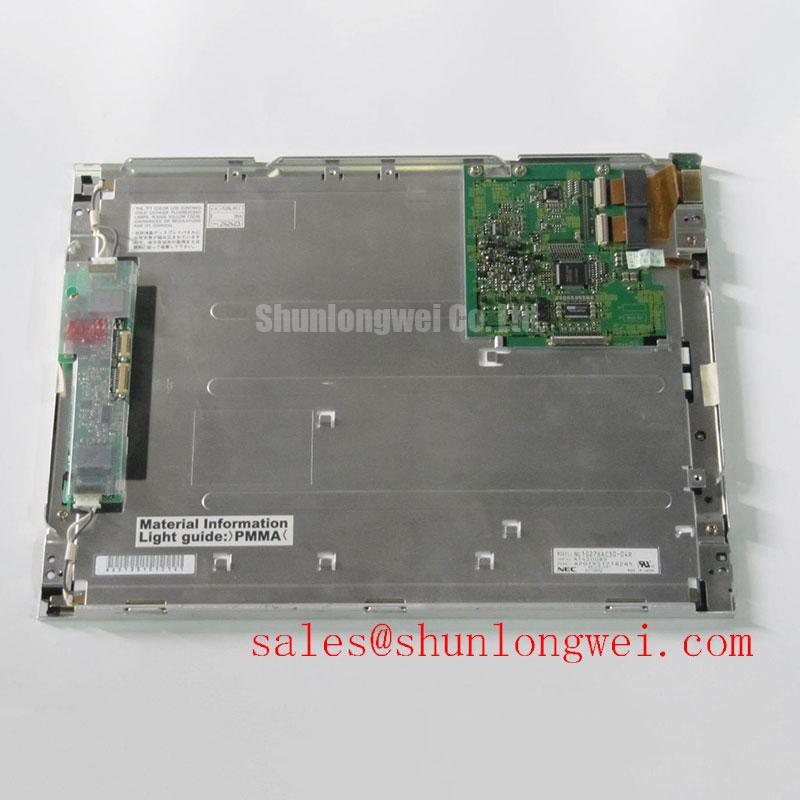
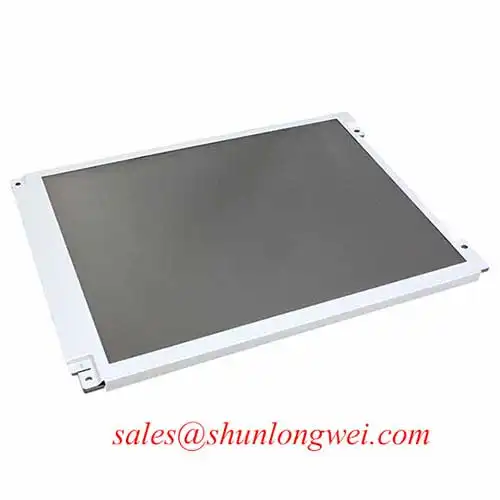
The core product specifications are: Manufacturer: Tianma; Part Number: TM121SV-02L09; Diagonal Size: 12.1 inch; Resolution: 800 x 600; Interface: RGB. This is a TFT-LCD Active Matrix Color Display Module in the LCD Display category. Supply requirements, connector assignments, backlight construction, numerical luminance, environmental limits, and viewing-angle ratings require the matching panel datasheet. The frequency range and viewing-angle considerations discussed below are evaluation topics, not additional specifications for this model.
Correlate audible noise with the host brightness command before disturbing the display mounting. As a Design Consideration, noise that changes with dimming can originate in the external illumination power stage or its interaction with the enclosure. Compare the sound with the brightness-control waveform and supply ripple; do not attribute it automatically to the LCD panel.
The frequency range in this heading is not a prescribed setting for the TM121SV-02L09. When evaluating PWM control, the system engineer should assess visible modulation, acoustic response, and driver behavior across the equipment’s actual brightness range. A frequency change can alter several behaviors simultaneously, so the final setting belongs to the complete driver-and-display validation rather than a panel-only recommendation.
Identify the installed illumination circuit from the equipment schematic before testing its output. Lamp ignition testing and constant-current illumination testing require different instruments and procedures; neither establishes the backlight construction of this model. Where the external driver provides fault reporting, compare enable, dimming, supply, and fault signals during startup. An asserted protection output should prompt inspection of the harness and load before a panel replacement decision.
For topology comparison, the NL8048BC19-02C is another display reference, not a backlight-driver accessory or a declared interchangeable assembly. Its power and illumination connections require their own compatibility assessment. Backlight brightness retention and mean time between failures are also different measures; neither should be assigned to the TM121SV-02L09 without supporting manufacturer conditions.
Thermal Cycling Degradation of Polarizer Adhesives & Sealant Gasket Integrity
Inspect the enclosure gasket for uneven compression, hardened sections, and gaps before tightening the display brackets. As a Design Consideration, mounting loads should be distributed through the intended support points rather than through the viewing surface. Local pressure can contribute to optical nonuniformity, but pressure marks alone do not identify an internal adhesive or seal failure.
During temperature transitions, compare image behavior only after recording the panel’s thermal condition. Lower temperatures can slow liquid-crystal response, while condensation can complicate both optical inspection and electrical troubleshooting. If the equipment includes temperature conditioning, assess its control using the equipment’s approved operating procedure; do not introduce a heater or extend the temperature envelope as an assumed panel requirement.
Maintenance Note: Periodically inspect cooling passages and gasket seating, and correct uneven bracket loading without pressing on the active display surface.
The following procurement comparison separates confirmed identification data from interchangeability questions. The NL8048BC24-09BD is included as a candidate for documentation comparison, not as a verified same-size or same-resolution replacement.
| Comparison item | TM121SV-02L09 | NL8048BC24-09BD |
|---|---|---|
| Manufacturer | Tianma | Consult manufacturer documentation |
| Diagonal Size | 12.1 inch | Consult datasheet |
| Resolution | 800 x 600 | Consult datasheet |
| Interface | RGB | Consult datasheet |
| Mechanical interchangeability | Compare mounting drawing and connector access | Compare mounting drawing and connector access |
| Electrical interchangeability | Check pin assignment, timing, and illumination connections | Check pin assignment, timing, and illumination connections |
For the confirmed RGB interface, inspect the host schematic for data, clock, and control assignments before applying routing rules. Differential-pair impedance and skew prescriptions cannot simply be transferred to an RGB connection. Cable routing, return paths, and timing should instead follow the actual transmitter and receiver requirements.
Flashlight Dark-Shadow Optical Diagnostic to Isolate Logic vs. Backlight Failure Modes
Illuminate the screen obliquely while the host displays a known, changing image, then look for faint content beneath the dark surface. As a Design Consideration, visible image content supports further investigation of the illumination path, but it does not conclusively identify the defective component. Reflections, ambient light, and image contrast can affect the observation.
Follow with full-screen red, green, and blue patterns using a compatible controller. Compare missing colors, persistent lines, and uneven illumination across the patterns. These observations help separate signal-path questions from optical uniformity questions without assigning every line defect to a particular internal bonding construction.
If content is absent, compare host output and panel-side signals against the equipment’s known-good behavior. Check connector engagement, cable continuity with power removed, and the presence of valid supply and control sequencing. If content is present but illumination is absent, investigate the external driver, its enable command, protection status, and associated wiring through the approved service procedure.
Record whether slow transitions occur only during cold startup or remain after thermal stabilization. Temperature-dependent smearing and a fixed line defect require different follow-up checks. For a repeatable assessment, keep the test image, observation position, and brightness command consistent rather than changing several conditions between inspections.
Evaluating Viewing Angles for Multi-Angle Consoles
Check grayscale readability from the intended operator positions instead of assuming a symmetric viewing cone. Super-IPS or MVA construction and an 85/85/85/85 viewing-angle rating are not confirmed TM121SV-02L09 features. As a Design Consideration, evaluate contrast, color shift, and dark-level discrimination through the finished cover window, because enclosure geometry can change the usable viewing experience.
Under strong ambient illumination, compare reflections with the screen both active and inactive. Anti-glare and anti-reflection treatments address different optical effects and should not be inferred from the panel category. The Tianma NLT Industrial TFT-LCD Display Technologies resource provides manufacturer context for evaluating display technologies; model-specific optical performance still belongs to the corresponding specification.
When assessing this panel for a railway passenger information terminal or cab signalling display, designers should verify viewing geometry, environmental requirements, and equipment-level qualification separately. A touch overlay is also a separate integration item: glove and wet-surface operation depend on the selected touch assembly and controller, not on the RGB image interface.
The Large-Screen Visualization for Optimal Perform Engineering Guide offers broader console-layout context. At the equipment acceptance stage, test the completed optical stack at the actual observation positions and brightness settings, including dim operation, to identify reflections, flicker, or unreadable grayscale transitions before closing the enclosure.