Content last revised on August 28, 2026
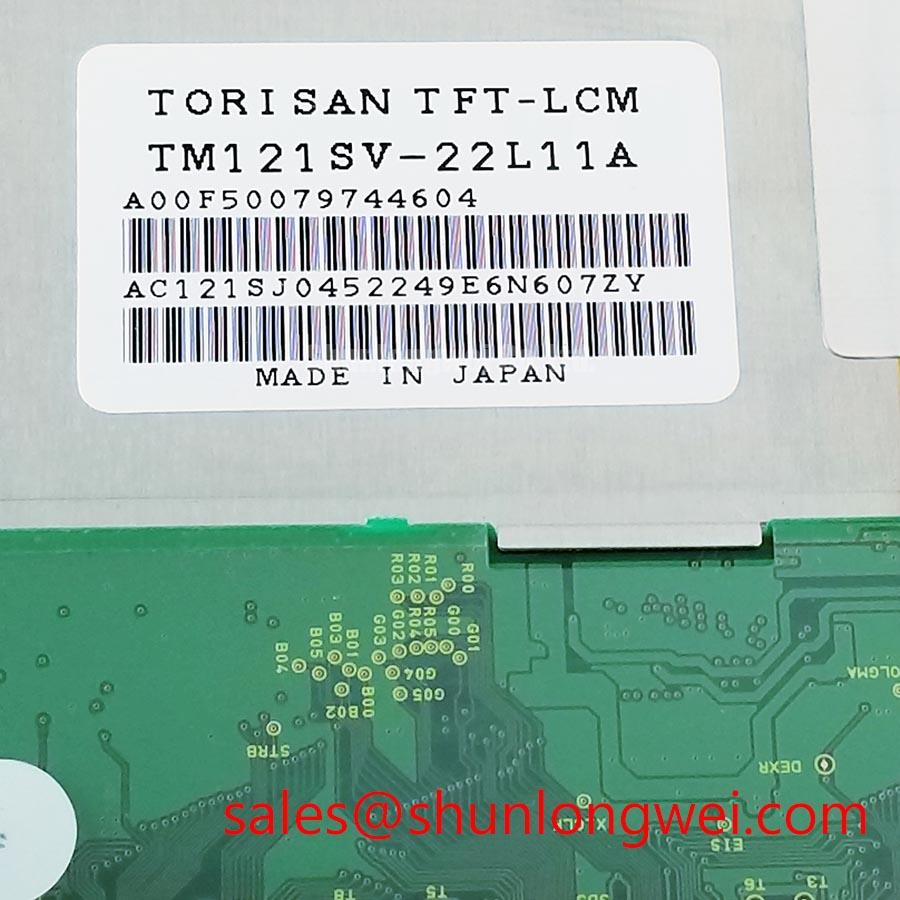
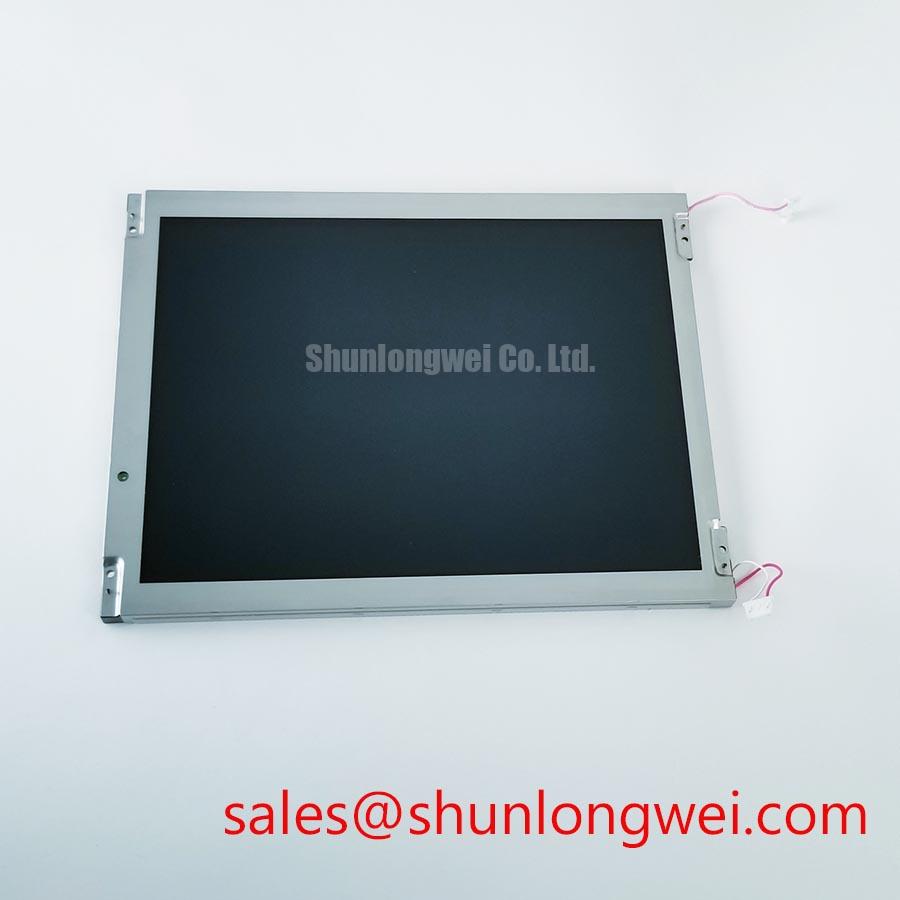
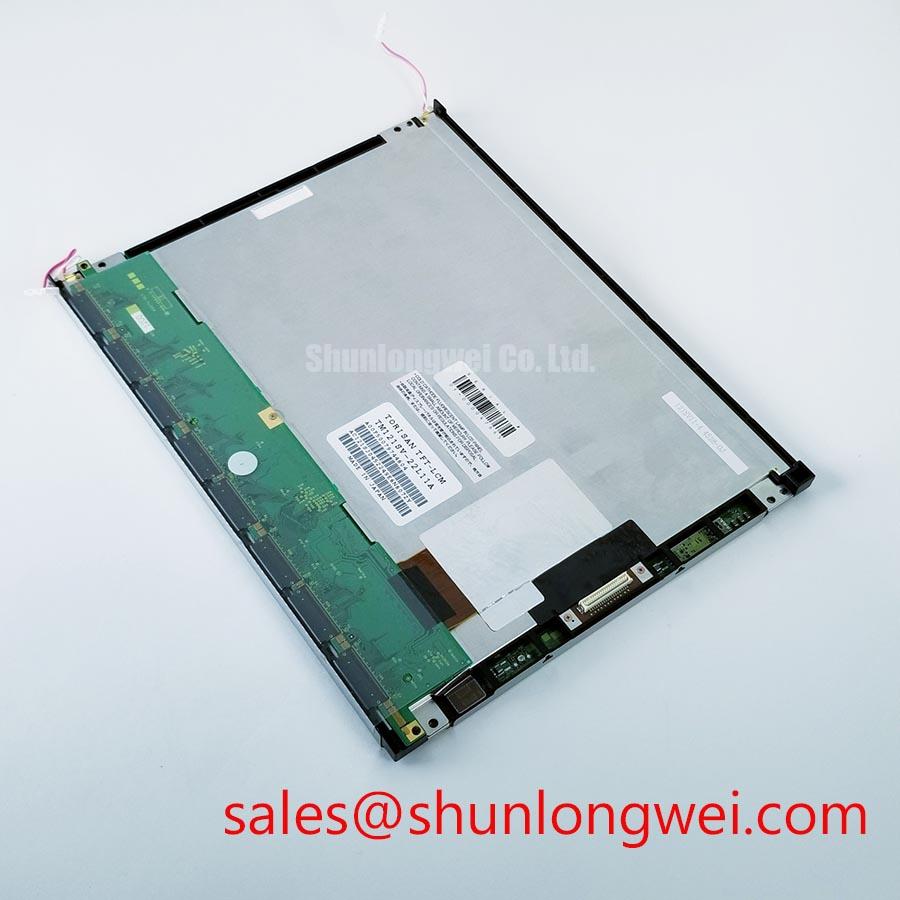
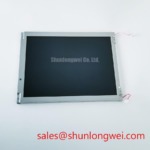
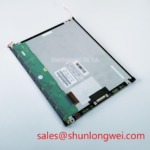
TM121SV-22L11A: Robust 12.1-inch SVGA Industrial Display for Demanding Environments
Engineered for Clarity and Reliability in Human-Machine Interfaces
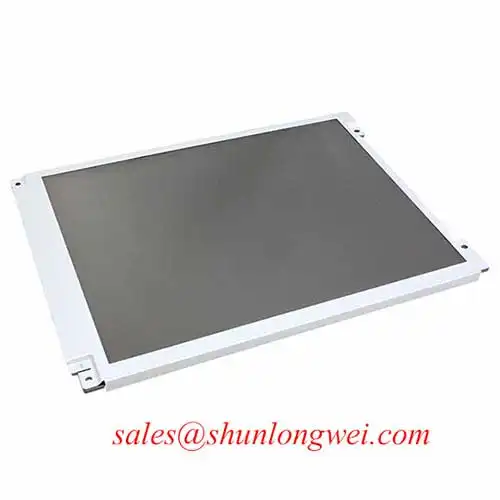
The TM121SV-22L11A is a 12.1-inch a-Si TFT-LCD module designed for consistent, long-term performance in industrial applications. It delivers a practical balance of resolution, brightness, and durability, making it a workhorse for systems where operational uptime is critical. With its classic 800x600 SVGA resolution and robust construction, it provides a clear and reliable visual interface for operators in challenging settings. For applications requiring a higher pixel density in a similar industrial format, the G121XCE-L01 offers XGA resolution.
Application Scenarios & Value
Delivering Operational Consistency in Industrial Automation and Control
The TM121SV-22L11A is optimized for environments where function and durability take precedence over cutting-edge specifications. Its SVGA (800x600) resolution is perfectly suited for legacy and standard Human-Machine Interface (HMI) applications, providing crisp, clear readouts for essential process data, system alerts, and control menus. A key engineering challenge in designing control panels for manufacturing floors or field equipment is ensuring the display remains readable under variable factory lighting. The TM121SV-22L11A's 320 cd/m² brightness and anti-glare surface directly address this, providing sufficient luminosity and diffusing reflections to maintain operator clarity without requiring excessive power consumption. This makes it an ideal fit for integration into CNC machines, PLC controllers, and process automation terminals where dependable visual feedback is essential for safety and efficiency.
Key Parameter Overview
Highlighting Critical Performance Specifications
The technical specifications of the TM121SV-22L11A are tailored for industrial integration. The following parameters are central to its performance profile, providing a reliable foundation for system design and evaluation.
| Parameter | Specification | Engineering Significance |
|---|---|---|
| Display Size | 12.1 inch | Provides a substantial viewing area for complex HMIs without an excessive physical footprint. |
| Resolution | 800(RGB)×600 [SVGA] | A standard resolution ensuring broad compatibility with industrial software and hardware. |
| Brightness | 320 cd/m² (Typ.) | Ensures readability in typical indoor industrial and control room environments. |
| Contrast Ratio | 300:1 (Typ.) | Delivers clear differentiation between light and dark elements for unambiguous data display. |
| Viewing Angle | 60/40/65/65 (Typ.)(CR≥10) | Offers adequate off-axis viewing for operators who may not be positioned directly in front of the screen. |
| Interface | Parallel RGB (1 ch, 6-bit) | A straightforward, widely-supported interface that simplifies integration with many embedded controllers. For systems that require a more modern, serialized connection, designers might consider displays with an LVDS Interface. |
| Backlight | CCFL | A mature and reliable backlight technology suitable for long-service-life applications. |
Technical Deep Dive
Understanding the Impact of TN Display Technology in Industrial Contexts
The TM121SV-22L11A utilizes a TN (Twisted Nematic) display mode, a choice that carries specific engineering trade-offs beneficial for its target applications. What is the primary benefit of TN technology in this context? A fast pixel response time. With a typical response speed of 30/20 ms (Tr/Td), the panel can render moving graphics and changing data points with minimal motion blur. This is particularly valuable in industrial control systems where rapidly updating numerical values or status indicators must be legible at a glance. Think of it like a camera's shutter speed: a faster shutter (or pixel response) freezes motion, preventing a blur. For a machine operator monitoring a fast-moving process, this clarity is crucial for making quick, accurate decisions. While other technologies like IPS (In-Plane Switching) offer wider viewing angles and color reproduction, the TN panel's swift response time provides a distinct, practical advantage for dynamic data visualization in many industrial scenarios.
Frequently Asked Questions (FAQ)
What does the "SVGA" resolution mean for an HMI application?
SVGA, or 800x600 pixels, is a standard resolution that provides a good balance between information density and element size on a 12.1-inch screen. It allows for clear display of numerical data, text, and basic graphical elements, which is ideal for many industrial control panels and test equipment without requiring the high-end graphics processing needed for higher resolutions.
How does the 300:1 contrast ratio impact usability?
A 300:1 contrast ratio ensures that text and graphical elements are clearly distinguished from the background under controlled lighting conditions. This level of contrast is sufficient for most indoor industrial environments, helping to reduce operator eye strain and improve the accuracy of data interpretation during long shifts.
Is the CCFL backlight replaceable?
The CCFL (Cold Cathode Fluorescent Lamp) backlight is an integrated component of the display module. While designed for a long operational life, its serviceability depends on the system's design. Planning for long-term maintenance should consider the entire display module as the field-replaceable unit.
What is the significance of the 6-bit Parallel RGB interface?
A 6-bit Parallel RGB interface is a direct and robust electrical connection that transmits color data for each pixel simultaneously. It can display up to 262,144 colors and is well-suited for embedded systems due to its straightforward implementation, avoiding the need for complex serializer/deserializer chipsets often associated with interfaces like LVDS. This can lead to simpler board layouts and potentially lower system costs.