
Thyristors and IGBTs are common semiconductor devices widely used in various power electronic applications. Both can control current and voltage, but they have distinct differences in many aspects.
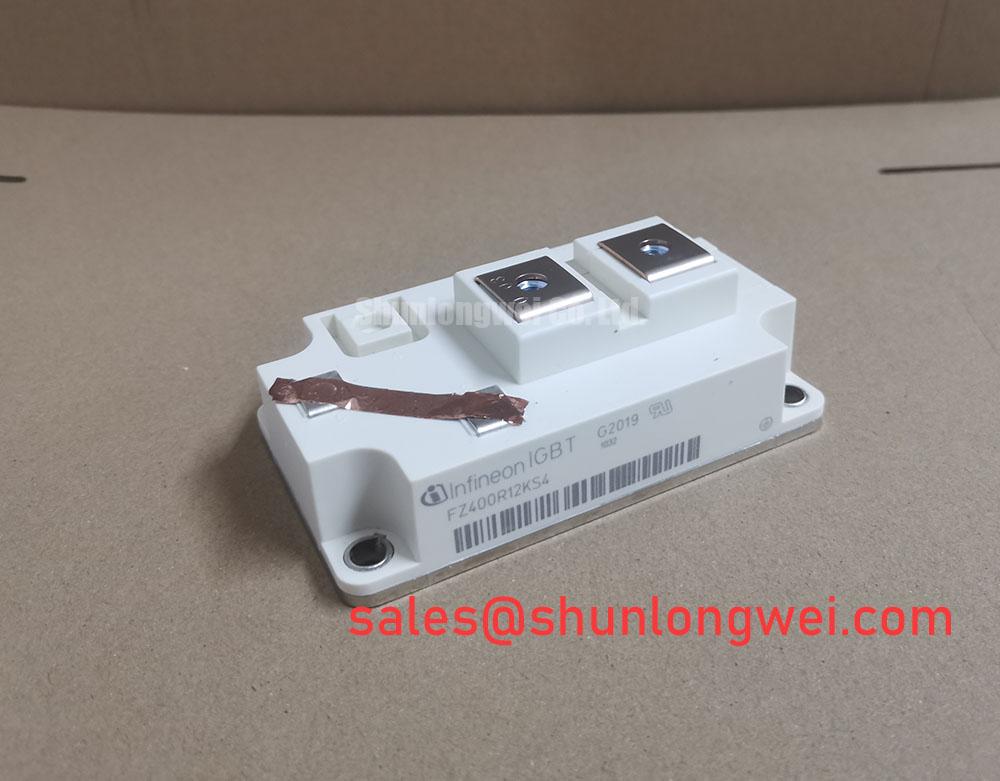
- Structure:
A thyristor is a unidirectional conduction device with four electrodes, including a control electrode (gate), an anode, a cathode, and an auxiliary electrode. It is constructed by alternating P-type and N-type semiconductor layers, exhibiting unidirectional conduction properties where current between the control electrode and main electrode can flow only under specific conditions.
IGBT is a three-terminal device consisting of a control gate, a collector, and an emitter. Similar to a MOSFET (Metal-Oxide-Semiconductor Field-Effect Transistor), IGBT has an insulation layer between the control gate and the collector to enhance its electrical performance. IGBT is constructed with an NP region and a P region, where the collector electrode belongs to the NP region and the emitter electrode belongs to the P region, while the control gate is situated at the insulation layer.
- Output Characteristics:
Once triggered, a thyristor’s output current is independent of the control current and is influenced solely by the external circuit voltage and load characteristics. Once a thyristor is triggered, it remains in the conducting state until the current drops below its rated value or is turned off by another method.
IGBT exhibits stable output characteristics with a linear relationship to the control signal, allowing voltage-controlled current. By applying a low-level control current to the control gate, IGBT can generate high voltage and current outputs to fulfill various control requirements.
- Frequency Response:
Thyristors have slower response times and are typically used in low-frequency applications such as AC choppers or DC cut-off circuits.
IGBTs have faster response times than thyristors and can operate at higher frequencies, for instance in AC motor drives.
- Power Loss:
Thyristors have high output current but come with significant power losses, generating more heat and reducing device efficiency.
IGBTs have the advantage of low power losses, enabling operation under high-power conditions, reducing device temperatures, and improving efficiency.
- Reversibility:
Thyristors can only be operated to allow current flow in a unidirectional conduction mode. Two thyristors are required for commutation and the necessary reverse voltage switching. This limits their efficiency in certain high-speed power applications.
In contrast, IGBTs possess inherent reversibility, allowing switching of bias voltage and interruption of arcs (through reverse voltage tolerance), making them better suited to address issues in specific application scenarios.
- Cost-effectiveness:
Thyristors are relatively inexpensive, easy to source, and operate with simpler controls.
On the other hand, IGBTs are relatively more expensive but excel over thyristors in terms of functionality and performance. They are more versatile and can be applied in many high-speed, high-power, low-loss power electronic devices such as electric vehicle controllers and boiler controls.
In summary, thyristors and IGBTs each have their advantages and disadvantages as semiconductor devices. The choice between them depends on the specific application requirements of the device.