Content last revised on September 10, 2026
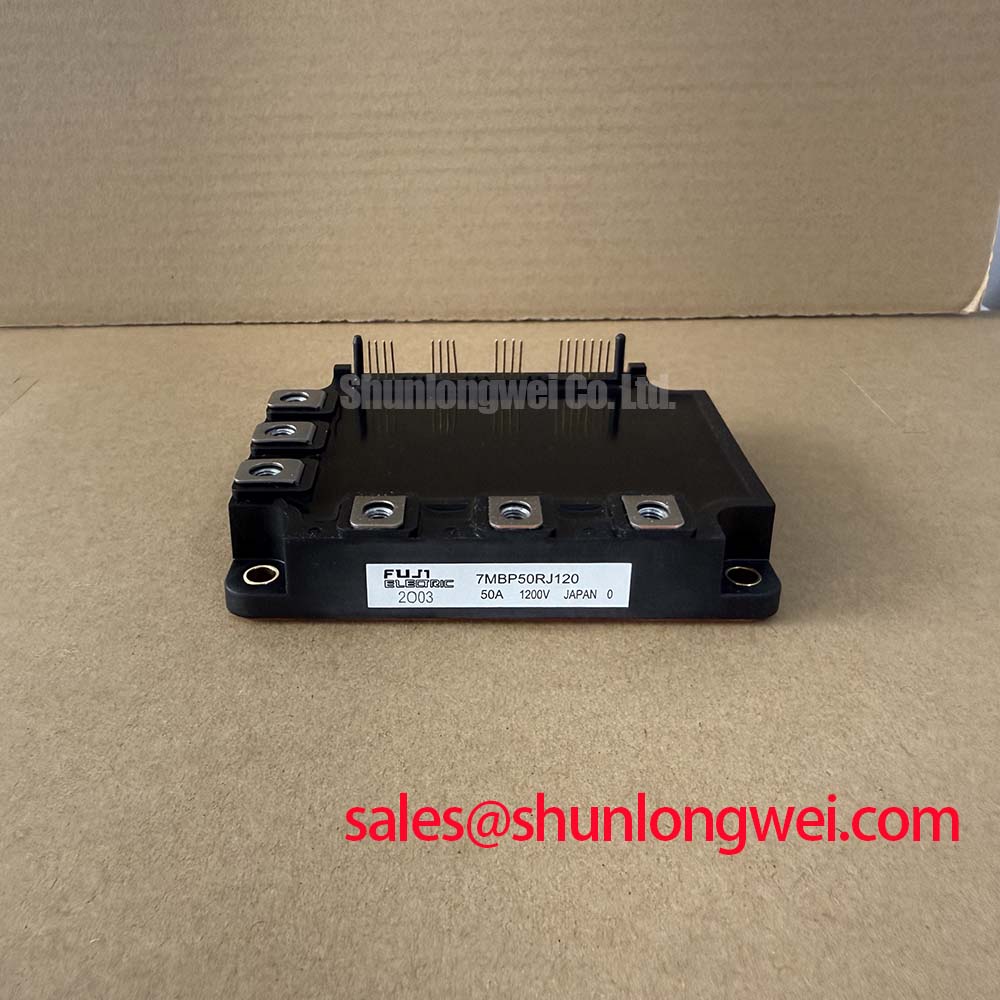
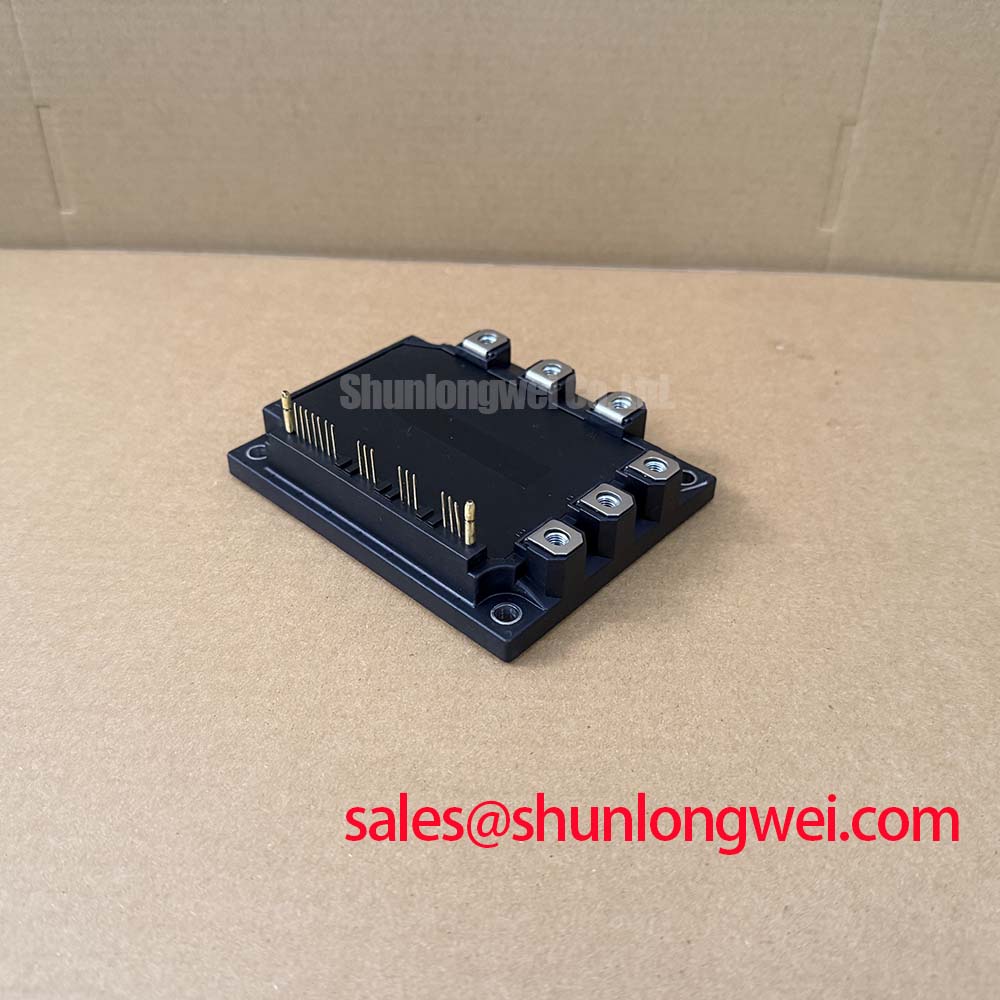
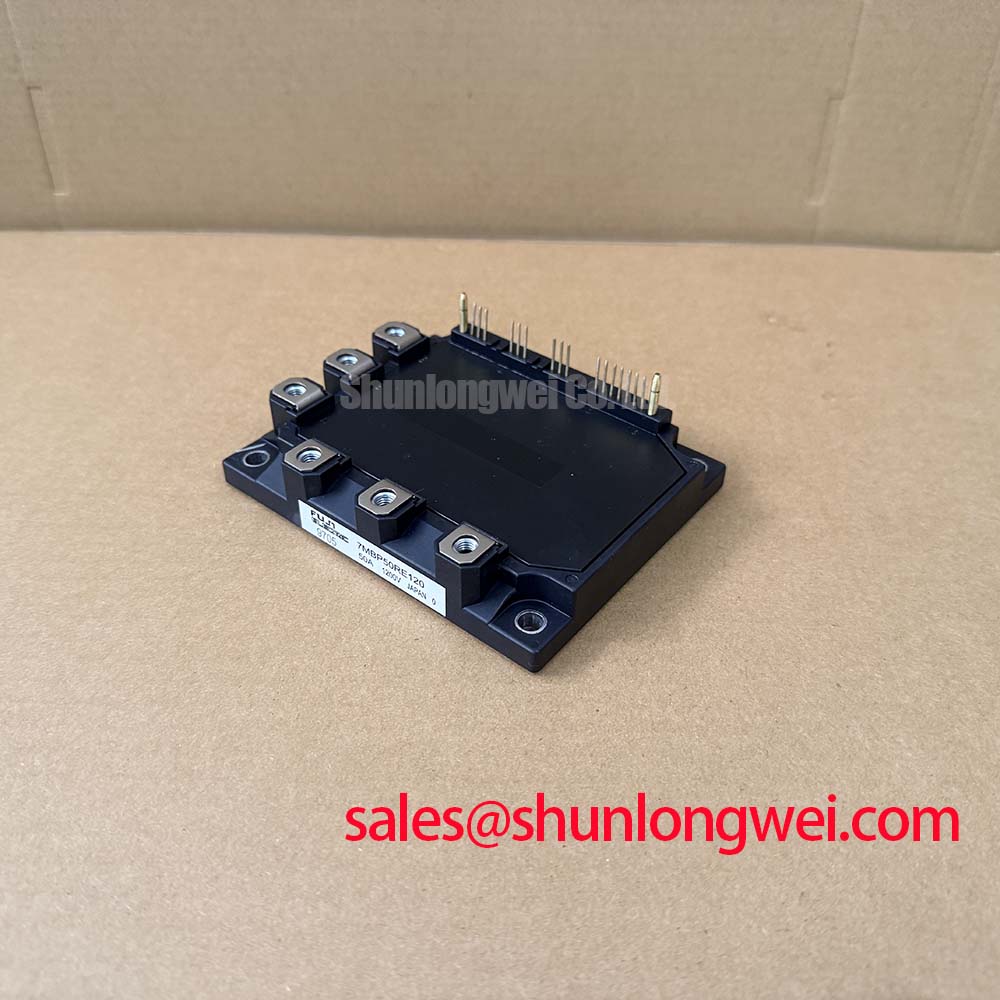
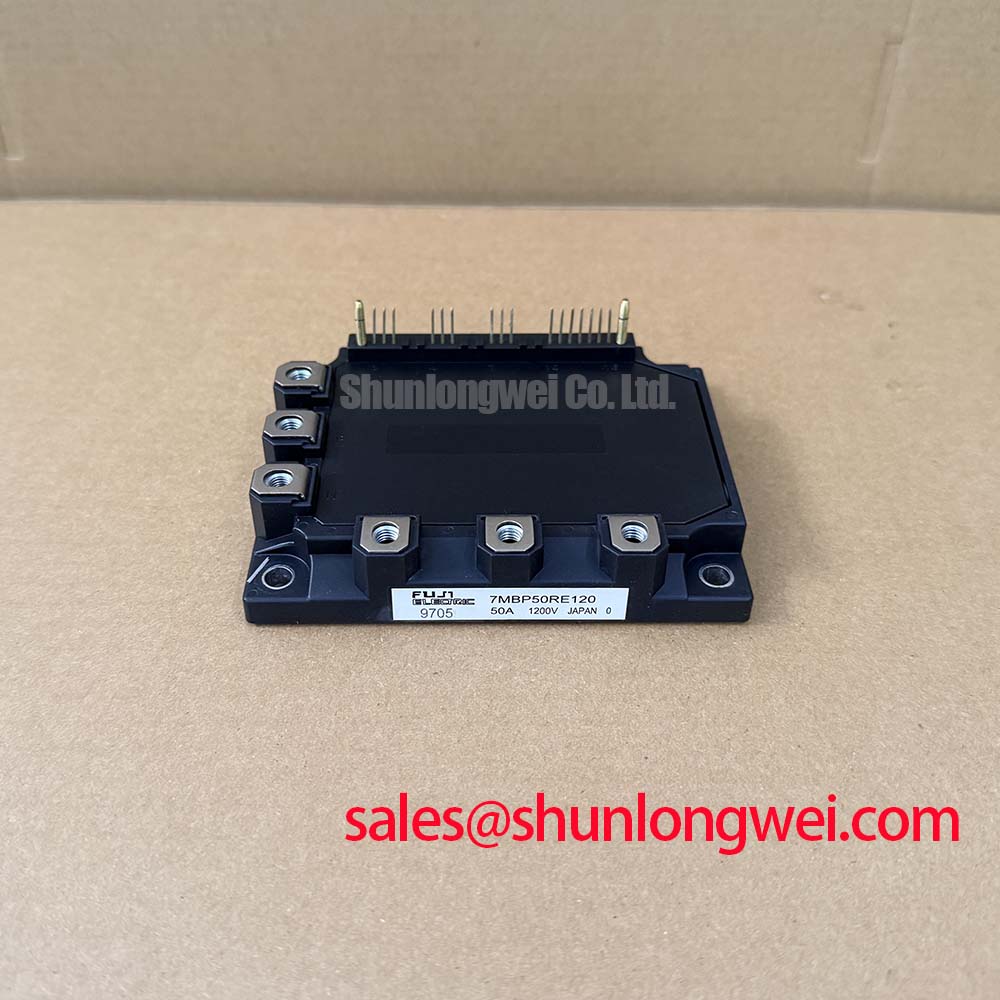
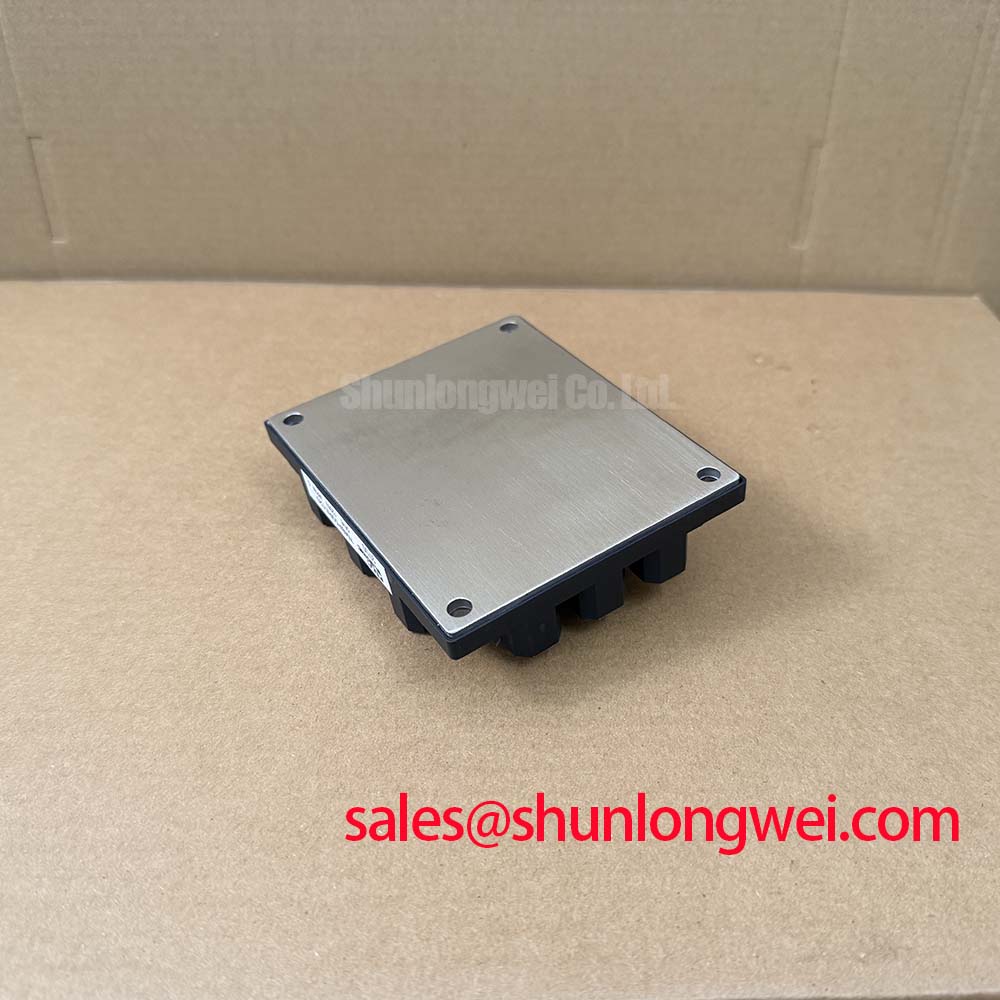
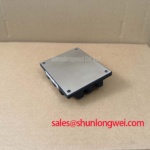
Fuji Electric 7MBP50RA120 Intelligent Power Module (IPM)
The Fuji Electric 7MBP50RA120 delivers direct on-chip junction temperature sensing and built-in gate drive protection to simplify high-reliability 400V AC drive designs. Rated at 1200V and 50A in a unified 7-in-one package, it integrates a three-phase inverter bridge with an active dynamic brake circuit.
Key specifications: 1200V VCES | 50A IC | 2500VAC Isolation.
- Direct junction temperature sensing eliminates slow external thermal lags.
- Integrated drive ICs slash discrete component counts and parasitics.
Does the module protect against localized thermal hotspots? Yes, internal sensing diodes located directly on each IGBT die trigger immediate shutdown during fault events. For three-phase motor systems operating on 400V AC grids requiring integrated brake control, the 7MBP50RA120 represents an optimal, compact switching platform.
Application Scenarios & Value
Bridging Motor Control Challenges with Integrated Protection
Engineers often face complex board layouts and transient noise vulnerabilities when routing discrete gate drive lines to power stages in compact industrial machinery. The 7MBP50RA120 eliminates these layout hazards by integrating internal pre-drivers, level shifters, and short-circuit protection into a single module. In applications like robotic servo drives and factory automation Variable Frequency Drive (VFD) systems, handling regenerative braking energy while managing thermal cycles is essential.
During rapid deceleration cycles in industrial conveyors, regenerative current surges elevate DC-link voltage. The dedicated 50A brake chopper circuit inside the 7MBP50RA120 channels this excess energy into external dump resistors, protecting the inverter stage from overvoltage tripping. By keeping the high-voltage IGBTs and matched gate drivers on the same thermal baseplate, switching ringing is minimized, drastically improving electromagnetic compliance (EMC) in industrial motor cabinets.
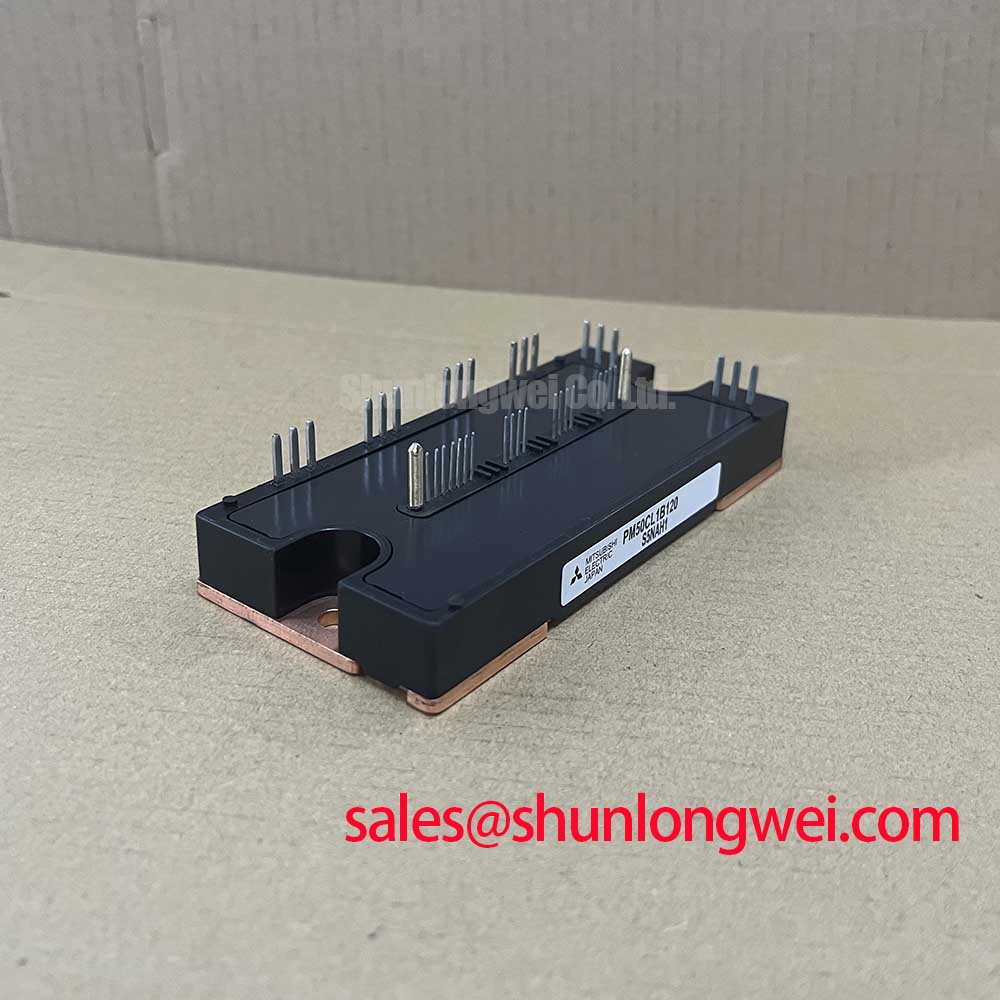
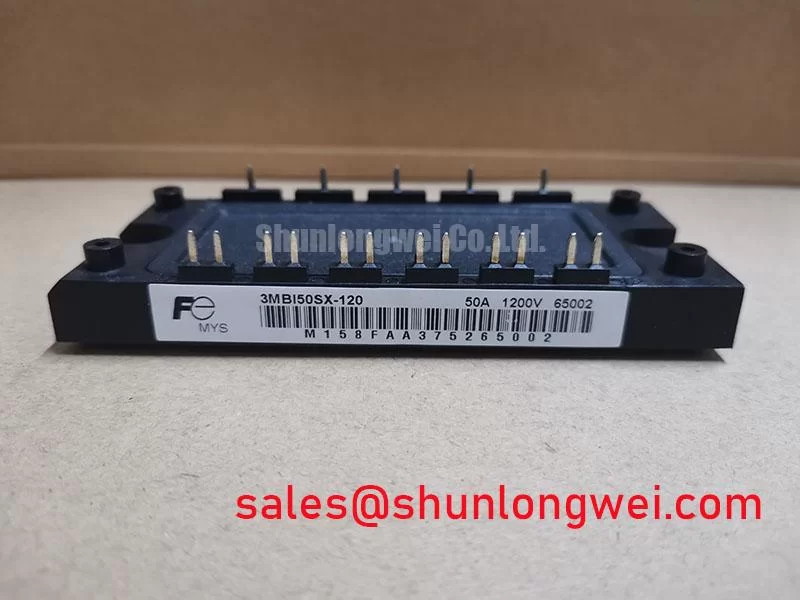
For systems with different load demands, the related 7MBP75RA120 offers an elevated 75A rating, whereas 200V–240V utility lines can utilize the 7MBP50RA060.
Technical & Design Deep Dive
Direct Die-Level Thermal Sensing and Switching Optimization
Standard power modules rely on baseplate thermistors (NTCs), which suffer from thermal capacitance delays. Think of an external baseplate sensor like checking house temperature by touching an outer brick wall; by contrast, the direct junction sensing in the 7MBP50RA120 acts like a thermostat placed right inside the fireplace. It detects temperature spikes in microseconds directly at the silicon junction, preventing thermal runaway during unexpected stall conditions.
What is the primary benefit of integrated pre-drivers? They eliminate parasitic trace inductance between gate drivers and IGBTs, suppressing false turn-on transients. How does on-chip protection enhance system uptime? It shuts down the gate drive and asserts an isolated fault alarm before silicon destruction occurs.
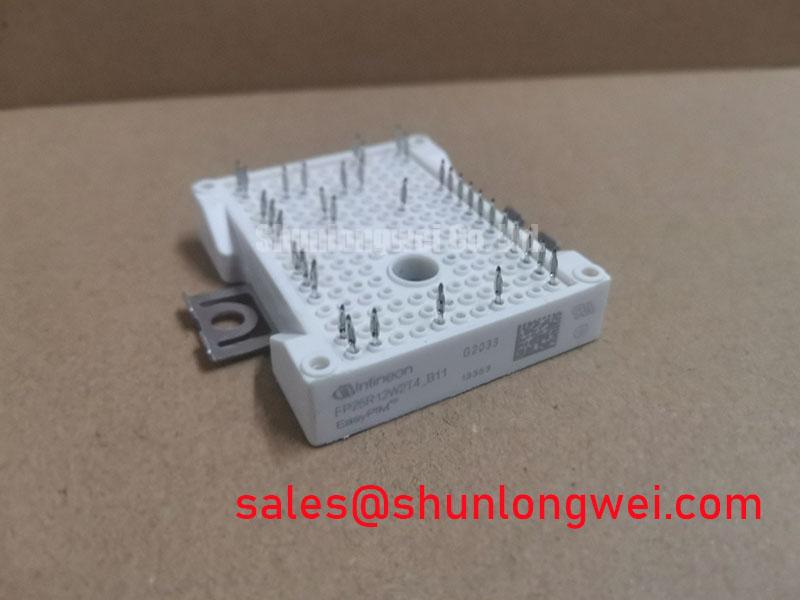
Implementing an IPM vs discrete IGBT architecture streamlines power stage routing. Internal logic circuits manage interlock dead-time and under-voltage lockout (UVLO), mitigating common failure modes across harsh factory floor environments. Designers can explore complementary selection criteria in voltage, current, and thermal management guides.
Key Parameter Overview
Essential Operating Ratings and Thresholds
| Parameter | Symbol | Rated Value | Key Significance |
|---|---|---|---|
| Collector-Emitter Voltage | VCES | 1200 V | Ensures ample blocking margin on 380V–480V AC utility grids |
| Inverter Collector Current | IC (DC) | 50 A | Continuous current capability for medium-power motor drives |
| Peak Collector Current | ICP (1 ms) | 100 A | Accommodates inductive motor start-up surges and transient spikes |
| Brake Collector Current | IC (Brake) | 50 A | Integrated dynamic braking stage for regenerative load handling |
| Isolation Voltage | Viso | 2500 VAC (1 min) | Electrical insulation between internal power terminals and heatsink |
| Control Supply Voltage | VCC | 15 V (typ) | Standard supply voltage powering internal gate driver logic |
| Max Junction Temperature | Tj | 150 °C | Upper thermal boundary for continuous silicon operation |
Download the 7MBP50RA120 datasheet for detailed specifications and performance curves.
Frequently Asked Questions
Engineering Considerations for System Deployment
How does direct junction temperature protection in the 7MBP50RA120 differ from standard NTC sensing?
The module features integrated sensor diodes on the IGBT dies, detecting rapid transient thermal spikes far faster than baseplate-mounted NTC thermistors, preventing localized hotspot destruction.
What supply voltage is required for the internal pre-driver circuitry?
The integrated control pre-drivers operate nominally at 15V DC (VCC), with built-in under-voltage lockout to prevent under-driven gate conditions.
What topology is integrated into the 7MBP50RA120 package?
The module features a 7-pack configuration consisting of a complete 6-IGBT three-phase inverter bridge plus a dedicated seventh IGBT for active dynamic braking control.
How does the built-in short-circuit protection mechanism function?
When a short circuit is detected, the internal IC soft-shuts down the IGBT gates and outputs an alarm signal (VALM) to notify the central controller.
What mounting torque is recommended for the 7MBP50RA120 heatsink interface?
The module requires standard M4 mounting screws torqued to approximately 1.7 N·m to ensure even thermal transfer without baseplate deformation.
Deploying integrated power modules like the Fuji Electric 7MBP50RA120 streamlines motion control architecture by consolidating drive stages, dynamic braking, and microsecond-level fault isolation into a unified hardware footprint.