

Content last revised on September 10, 2026
C070VW02 V0: Engineering Analysis of a 7.0-inch WVGA TFT-LCD CELL for Custom System Integration
A Foundational Component for Bespoke Human-Machine Interfaces and Embedded Displays
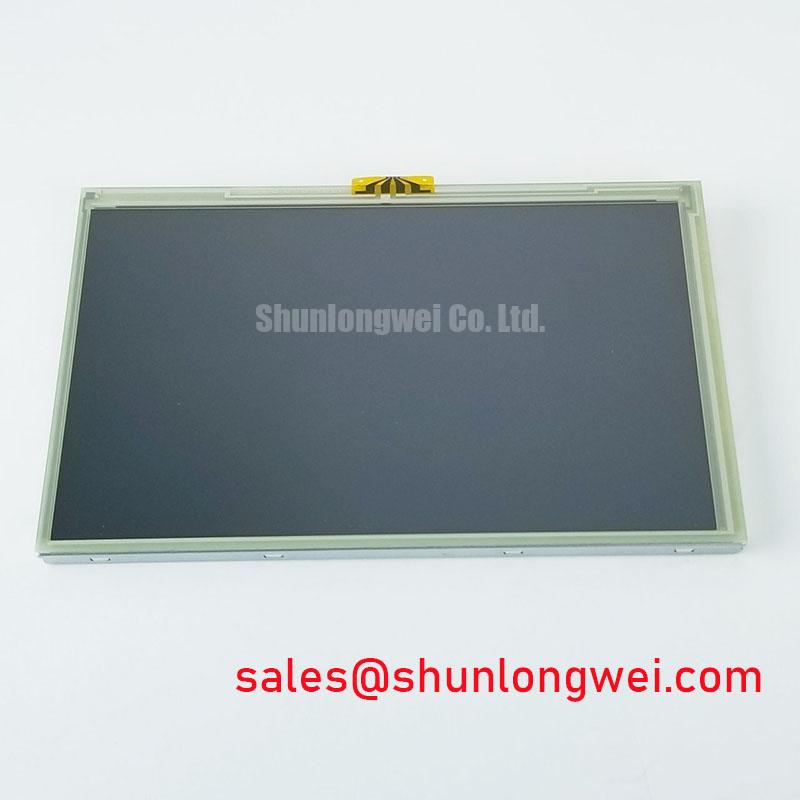
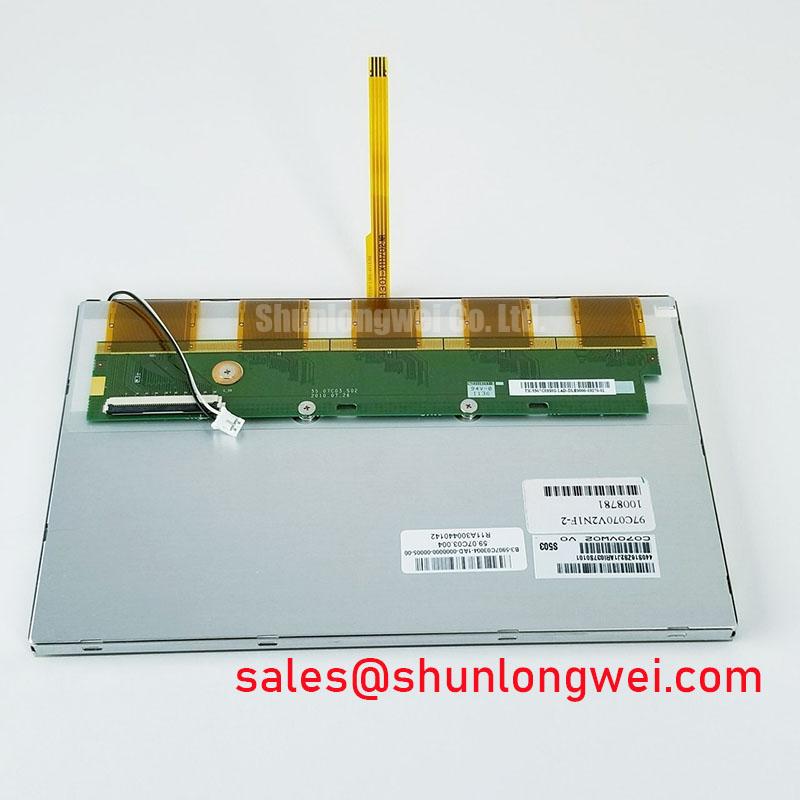
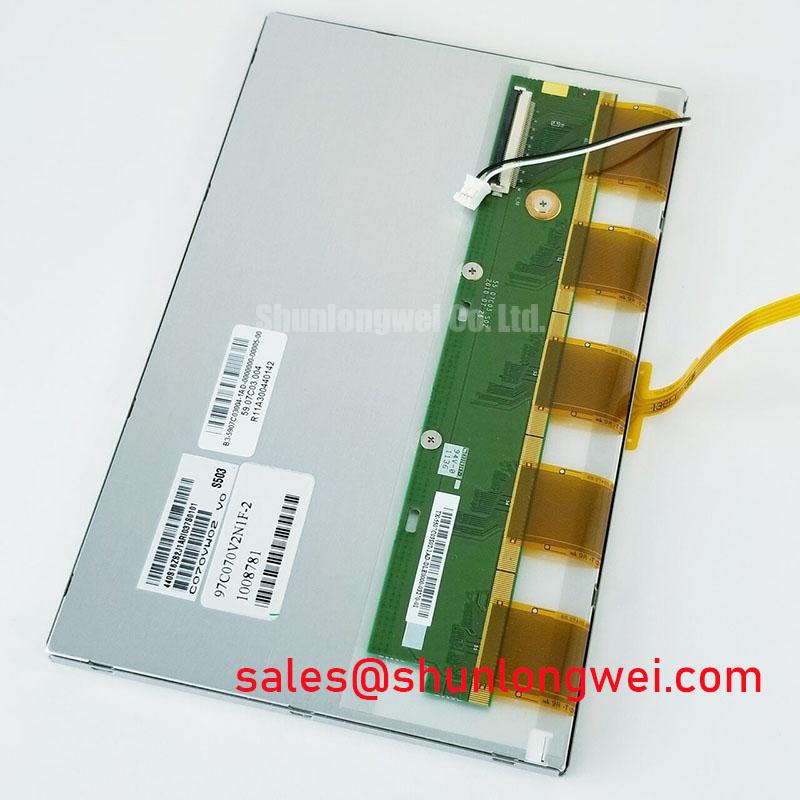
The Innolux C070VW02 V0 is a 7.0-inch a-Si TFT-LCD CELL engineered to provide system designers with a high-performance canvas for custom display assemblies. Its core value proposition is delivering foundational optical performance while granting complete freedom in backlight and mechanical integration. With key specifications of 7.0-inch Diagonal | 800x480 WVGA Resolution | Normally Black Mode, this component offers two primary engineering benefits: unparalleled design flexibility and high-contrast visual output. It directly addresses the challenge of integrating a display into unique or space-constrained enclosures where off-the-shelf modules are not viable. For cost-sensitive projects requiring custom brightness and enclosure design, the C070VW02 V0 CELL is the optimal starting point.
Application Scenarios & Value
System-Level Benefits in Custom HMI and Instrument Design
The C070VW02 V0 is specifically designed as a bare CELL, a format that intentionally omits the backlight unit and driving circuitry. This makes it an ideal choice for OEMs and system integrators developing products with highly specific design constraints. For example, consider the design of a benchtop laboratory analysis instrument. The enclosure may have a unique contour or a shallow depth that cannot accommodate a standard display module's bulk. The C070VW02 V0 provides the core visual component, allowing engineers to design a custom, low-profile LED light bar and driver board that fits precisely within the available mechanical envelope. This approach not only solves the physical integration challenge but also gives the design team full control over the final product's brightness, color temperature, and thermal management—key factors in specialized equipment. What is the primary benefit of its CELL-only format? It enables maximum design freedom for custom backlight and housing integration.
This component excels in applications such as industrial control panels, medical monitoring devices, smart home appliances, and specialized automotive diagnostic tools where a balance of performance, cost, and integration flexibility is paramount. While the C070VW02 V0 is a strong foundation for new 7-inch designs, for systems requiring a slightly larger viewing area with a pre-integrated backlight, the G084SN05 V9 offers an 8.4-inch SVGA solution. Conversely, for projects that require a complete 7.0-inch module with higher brightness out of the box, the G070ACE-L01 may be a relevant component to evaluate.
Key Parameter Overview
Decoding the Specs for Seamless Integration
The technical specifications of the C070VW02 V0 are centered on providing a reliable and predictable optical foundation. The Normally Black display mode is a critical feature, offering inherently deep black levels and a high contrast ratio. In an HMI context, this translates to superior readability; text and graphics appear sharp and distinct against a true black background, reducing operator eye strain. The 800x480 resolution is a workhorse in the industrial space, providing sufficient detail for graphical user interfaces without demanding excessive processing power from the host TFT-LCD controller, which helps manage system cost and power consumption.
| Feature | Specification |
|---|---|
| Panel Size | 7.0 inch |
| Resolution | 800(RGB)×480, WVGA |
| Display Technology | a-Si TFT-LCD, CELL |
| Display Mode | AAS, Normally Black, Transmissive |
| Active Area | 154.08 × 85.92 mm (W×H) |
| Outline Dimensions | 163.2 × 98.62 × 1.35 mm (W×H×D) |
| Surface Treatment | Antiglare (Haze 25%) |
| Pixel Arrangement | RGB Vertical Stripe |
| Interface Type | Parallel RGB (1 ch, 8-bit), 40 pins, FPC |
| Operating Temperature | -20 ~ 70 °C |
Application Vignette
Engineering a Custom Point-of-Sale (POS) Terminal
Let's explore a more detailed engineering scenario: the development of a next-generation retail POS terminal. The primary goals are a slim, modern aesthetic and high reliability under continuous operation. Using a standard, pre-assembled 7-inch display module presents a challenge; their fixed dimensions and integrated metal frames often conflict with the desired sleek industrial design. Furthermore, the heat generated by a standard backlight can create thermal challenges within a sealed, fanless POS enclosure.
By selecting the C070VW02 V0 CELL, the engineering team circumvents these issues entirely. They can design a custom-machined chassis where the display CELL integrates flush with the front bezel. For the backlight, instead of a standard light bar, they can engineer a custom PCB with high-efficiency LEDs distributed over a wider area. This custom approach allows them to use the metal chassis itself as a heatsink for the LEDs, ensuring superior thermal dissipation and extending the operational life of the display. This level of thermal and mechanical co-design is impossible with off-the-shelf modules and is a key strategic advantage enabled by using a bare CELL like the C070VW02 V0. What is a key benefit of the Normally Black display mode? It provides a high-contrast image with deep black levels, enhancing readability.
Frequently Asked Questions (FAQ)
What are the primary engineering implications of the C070VW02 V0 being a "CELL" product?
As a CELL, this component consists of the TFT glass, color filter, and polarizers but lacks an integrated backlight unit (BLU) and driver board. This means the system integrator is responsible for designing, sourcing, and integrating these external components. While this requires more upfront engineering, it provides complete control over the final display's brightness, power consumption, thermal characteristics, and overall mechanical assembly, enabling highly optimized and unique product designs.
How does the "Normally Black" display mode benefit an industrial HMI application?
Normally Black technology means that pixels are opaque (black) in their default, unpowered state. This results in a significantly lower black level and a higher static contrast ratio compared to Normally White panels. For an industrial HMI, this translates directly to better legibility, especially for critical data displayed in control rooms or areas with mixed ambient lighting. It makes text and color-coded warnings appear more vibrant and distinct, reducing the chance of misinterpretation by an operator.
What type of controller is needed for the 40-pin Parallel RGB interface?
The C070VW02 V0 uses a standard Parallel RGB interface, which requires a display controller or a System on Chip (SoC) capable of generating the necessary timing signals (VSYNC, HSYNC, DE, DOTCLK) and parallel color data (8 bits for each color channel in this case). This is a very common interface for embedded displays of this size and resolution, and many microcontrollers and application processors from manufacturers like NXP or STMicroelectronics have dedicated display controller peripherals that can drive it directly, simplifying the hardware design.
Strategic Outlook for System Design
Integrating a display CELL like the C070VW02 V0 represents a strategic decision to prioritize design flexibility and long-term product differentiation over the immediate convenience of a pre-assembled module. For product lines that require customized aesthetics, specific brightness targets, or integration into challenging mechanical environments, the initial investment in backlight and driver design pays significant dividends. This approach empowers engineering teams to build a more competitive and robust final product, fully optimized for its target application without the compromises inherent in off-the-shelf components.