



Content last revised on September 10, 2026
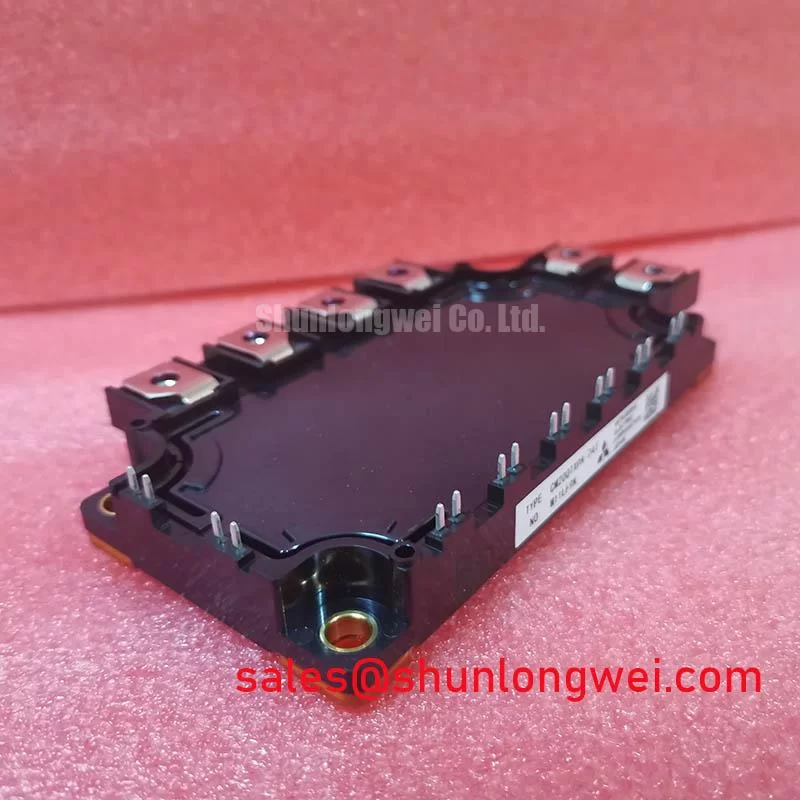
CM200TXPA-24T: High-Reliability 1200V Six-Pack IGBT Module for Demanding Inverter Applications
Introduction: Engineering for Longevity and Thermal Stability
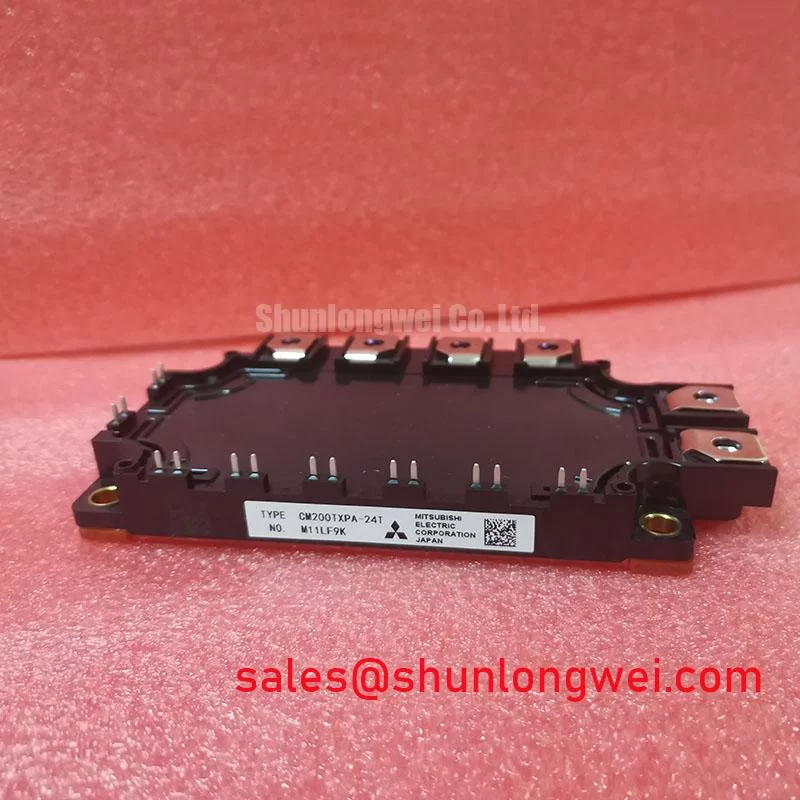
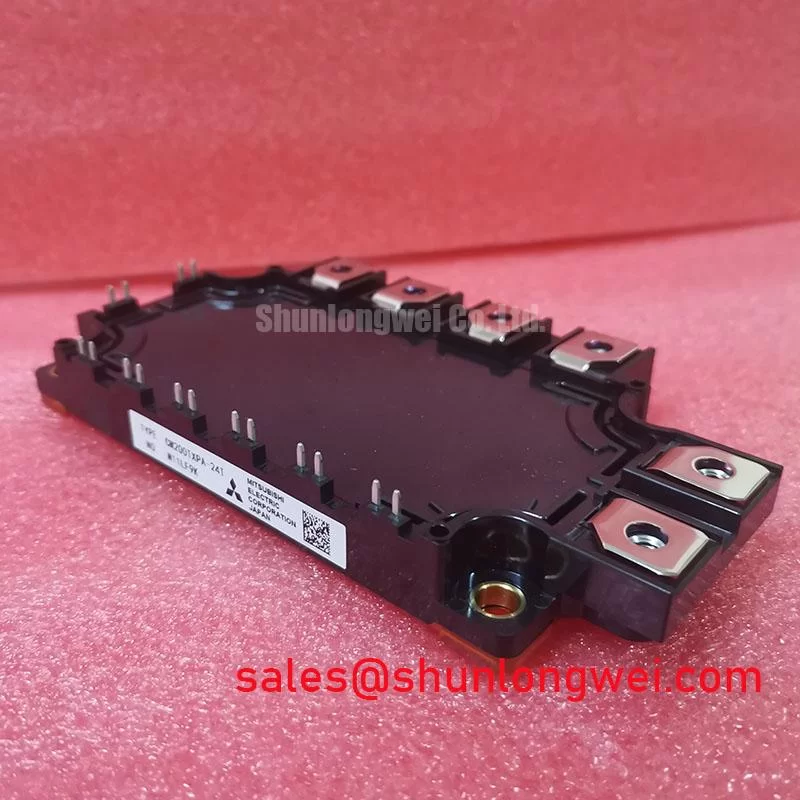
The Mitsubishi CM200TXPA-24T is a high-performance six-pack IGBT module engineered to deliver exceptional reliability and thermal stability in high-power three-phase inverter systems. It integrates seventh-generation CSTBT™ (Carrier Stored Trench-Gate Bipolar Transistor) chip technology to achieve an optimal balance between low power loss and high durability. Key specifications include: 1200V VCES | 200A IC | Tvj(max) 175°C. The design prioritizes a long operational lifespan and simplified thermal management. This module directly addresses the engineering challenge of minimizing thermal stress in applications with frequent power cycling, such as industrial motor drives. For systems demanding higher current capabilities, the related CM600DX-24T provides a 600A alternative within the same voltage class.
Application Scenarios & Value
Achieving System-Level Benefits in High-Frequency Power Conversion
The CM200TXPA-24T is purpose-built for applications where both efficiency and long-term reliability are non-negotiable. Its robust thermal design makes it a superior choice for systems subjected to significant thermal cycling, a common failure point in lesser components.
- Industrial Motor Drives: In Variable Frequency Drives (VFDs) and servo drives, the module's low collector-emitter saturation voltage (VCE(sat)) of 1.75V (typ.) at 125°C minimizes conduction losses. This directly translates to higher inverter efficiency and reduced heat generation, allowing for more compact heatsink designs and potentially smaller overall system footprints.
- Renewable Energy Inverters: For solar and wind power conversion systems, the module's high maximum junction temperature of 175°C provides a crucial safety margin during periods of high ambient temperature and peak load, ensuring continuous and reliable energy production.
- Uninterruptible Power Supplies (UPS): The six-pack (three-phase bridge) configuration simplifies the inverter stage layout in high-power UPS systems. The module's proven reliability is critical for ensuring seamless power backup for data centers and other essential facilities.
The core engineering challenge in these applications is managing heat and mechanical stress from repeated power-on/off cycles. The CM200TXPA-24T's construction, which focuses on thermal cycle lifetime, directly mitigates this risk, leading to a lower total cost of ownership by reducing maintenance and replacement frequency.
Key Parameter Overview
Decoding the Specs for Enhanced Thermal Reliability
The technical specifications of the CM200TXPA-24T are optimized for robust performance in demanding power conversion environments. The parameters below highlight its capacity for efficient and reliable operation.
| Parameter | Symbol | Value | Engineering Value & Interpretation |
|---|---|---|---|
| Collector-Emitter Voltage | VCES | 1200 V | Provides a substantial safety margin for inverters operating on 400V to 575V AC lines, protecting against voltage spikes. |
| Collector Current (DC) | IC | 200 A (at TC=114°C) | Enables high power output, suitable for a wide range of medium-power industrial applications. |
| Collector-Emitter Saturation Voltage | VCE(sat) | 1.75 V (Typ, Tvj=125°C) | This low on-state voltage is crucial for minimizing heat generation (conduction losses), directly improving overall system efficiency. |
| Total Power Dissipation | Ptot | 1040 W (at TC=25°C) | Indicates the module's excellent capacity to handle internal heat, a cornerstone of its thermal robustness. |
| Maximum Junction Temperature | Tvj max | 175 °C | A high operating temperature range enhances reliability and provides tolerance for transient overload conditions and challenging thermal environments. |
Download the CM200TXPA-24T datasheet for detailed specifications and performance curves.
Technical Deep Dive
A Closer Look at the 7th Generation CSTBT™ Technology
At the heart of the CM200TXPA-24T lies Mitsubishi's advanced 7th generation CSTBT™ chip technology. This represents a significant evolution in IGBT design, focusing on reducing power losses without compromising robustness. The "Carrier Stored" layer in the trench gate structure helps to lower the VCE(sat) even at high current densities. Think of it like a reservoir that provides charge carriers exactly when needed, minimizing the 'voltage drop' or energy loss across the switch when it's on. This is fundamentally different from older planar IGBT structures and is a key reason for the module's high efficiency. The technology also contributes to optimizing the turn-off energy (Eoff), which is critical for reducing switching losses in applications that operate at higher frequencies, such as modern VFDs with advanced motor control algorithms.
Industry Insights & Strategic Advantage
Meeting the Demand for Increased Operational Lifetime
Across the industrial automation and renewable energy sectors, there is a clear trend towards systems with longer service intervals and higher reliability to reduce total cost of ownership. The CM200TXPA-24T is strategically positioned to meet this demand. Its design emphasizes an enhanced thermal cycle lifetime. This is not just a single parameter but a result of a holistic design approach, encompassing the chip technology, substrate materials, and internal construction. For system integrators and OEMs, selecting a module with superior power cycling capability means designing a more durable end-product, reducing warranty claims, and building a reputation for reliability in the market. This aligns with the long-term goals of creating sustainable and efficient power infrastructure, where component longevity is as important as initial performance.
Frequently Asked Questions (FAQ)
What is the primary benefit of the 7th generation CSTBT™ chip in the CM200TXPA-24T?
The primary benefit is the significant reduction in collector-emitter saturation voltage (VCE(sat)), which minimizes conduction losses and improves the overall efficiency of the power conversion system.
How does the 175°C maximum junction temperature affect system design?
This high temperature rating provides a larger thermal operating margin. It allows engineers to design for higher power densities or to build in greater resilience for applications in high ambient temperature environments, enhancing system reliability.
Is the CM200TXPA-24T suitable for high-frequency switching applications?
Yes, the underlying 7th generation IGBT technology is optimized for a balance of low VCE(sat) and reduced switching losses (Eon and Eoff), making it well-suited for modern Variable Frequency Drives (VFDs) and other systems that utilize high-frequency PWM (Pulse Width Modulation) control.
What does the "six-pack" configuration refer to?
"Six-pack" refers to the module's internal topology, which contains six IGBTs and six corresponding freewheeling diodes arranged in a three-phase bridge. This integrated configuration simplifies the design of three-phase inverters by combining all necessary power switches for the three output phases into a single component.
What is the significance of the copper baseplate on this module?
The copper baseplate provides a highly effective thermal interface between the IGBT chips and the external heatsink. Copper's excellent thermal conductivity ensures that heat generated during operation is efficiently transferred away from the semiconductor junctions, which is critical for maintaining performance and ensuring long-term reliability.
An Engineer's Perspective on Reliability
From a design engineering standpoint, the CM200TXPA-24T is more than just a set of specifications; it is a component designed for durability. The focus on thermal cycle lifetime addresses one of the most common failure mechanisms in power modules. This allows for the design of more robust systems that can withstand the repetitive thermal stresses inherent in applications like motor control and renewable energy, ultimately leading to a more reliable and cost-effective end product.