Content last revised on September 10, 2026
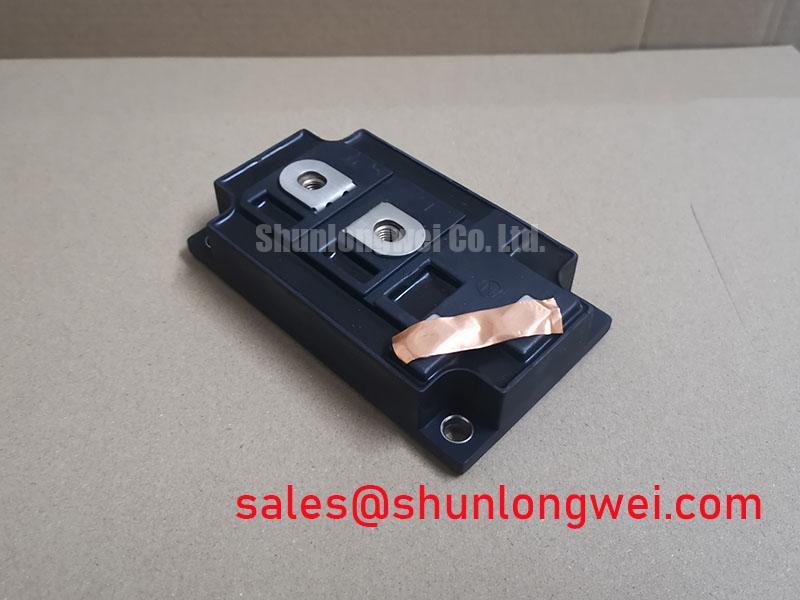
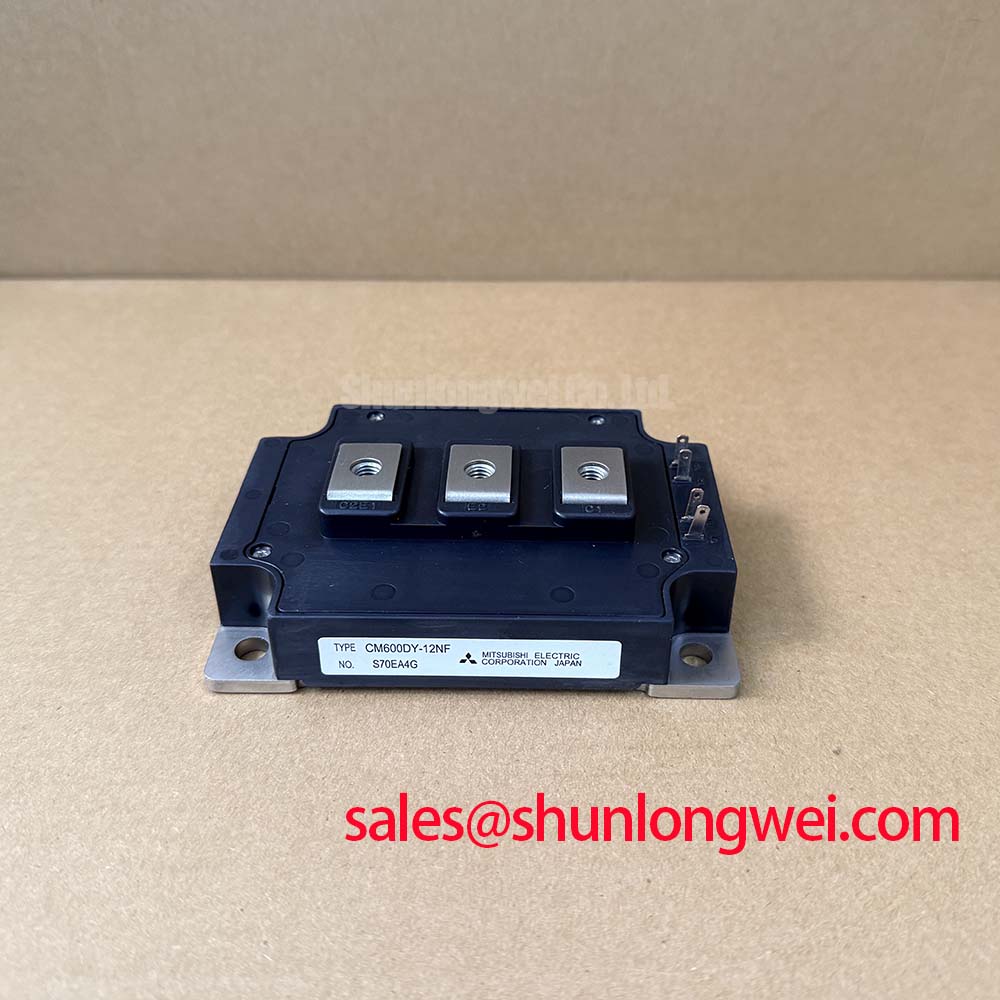
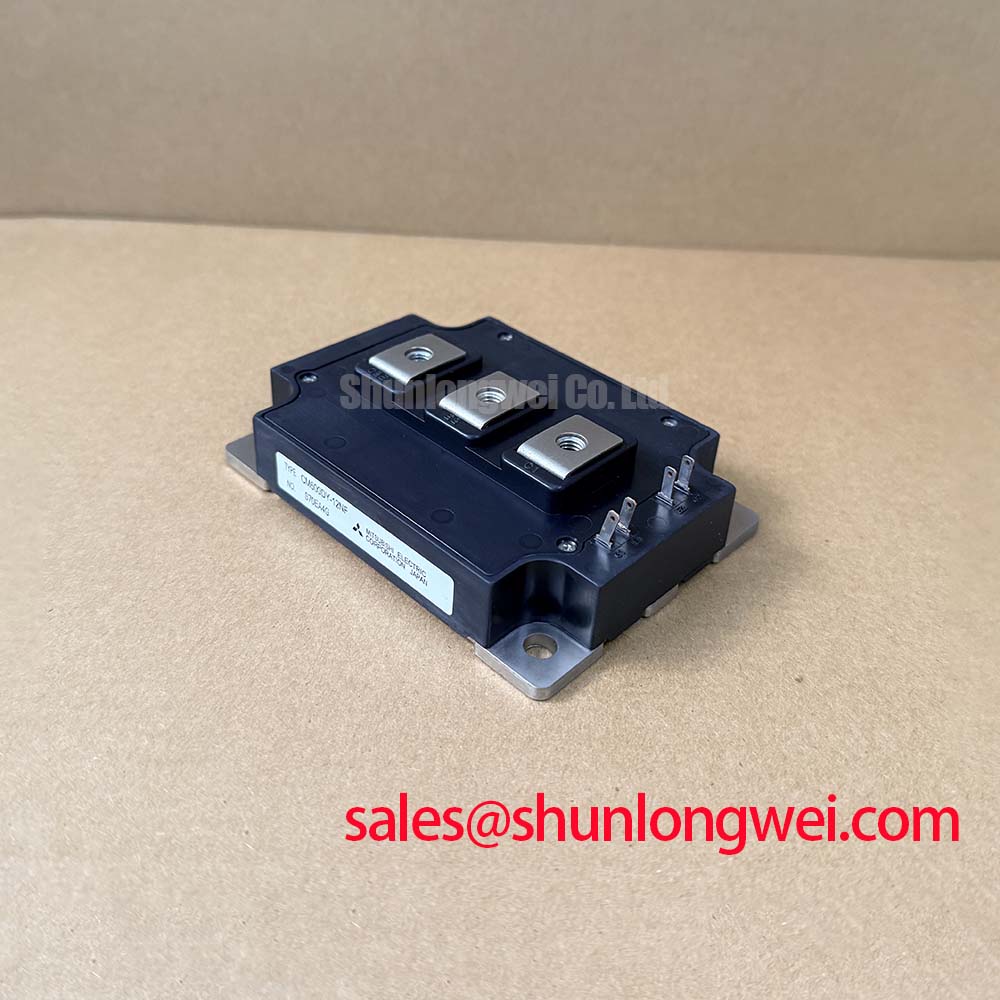
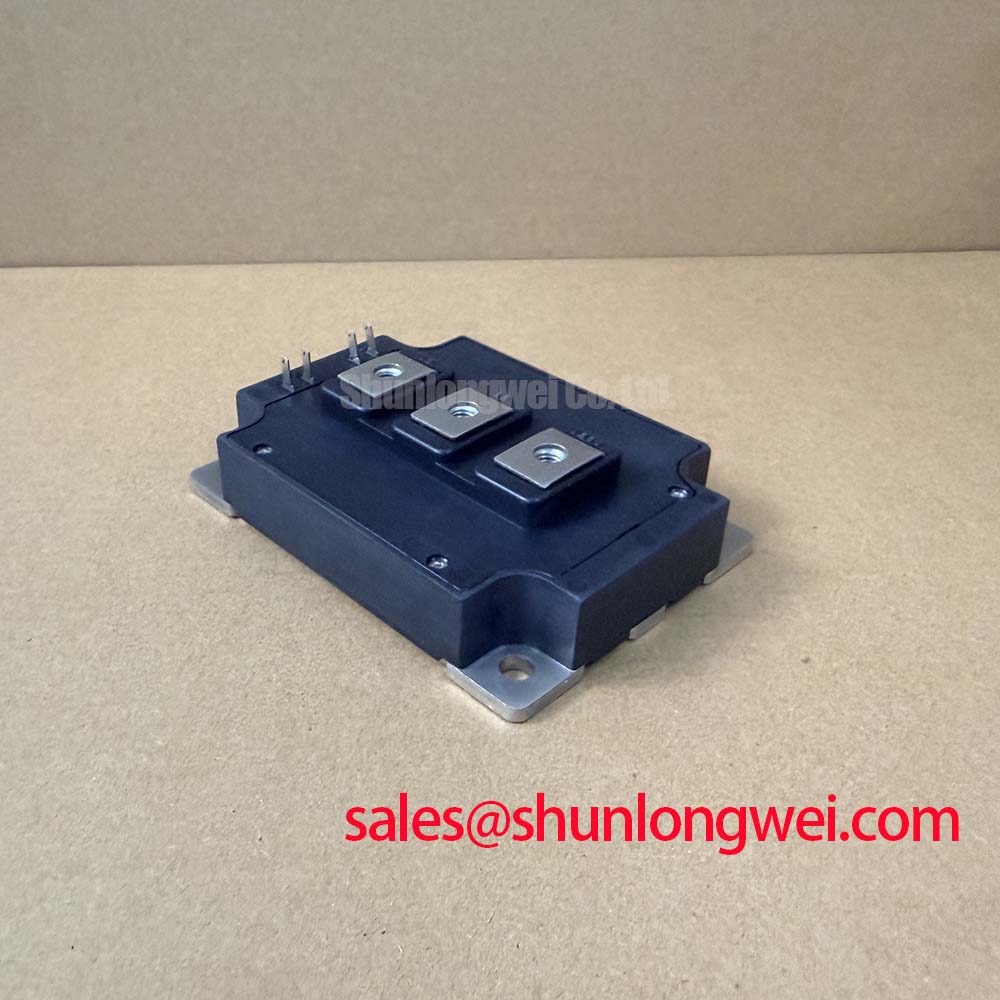
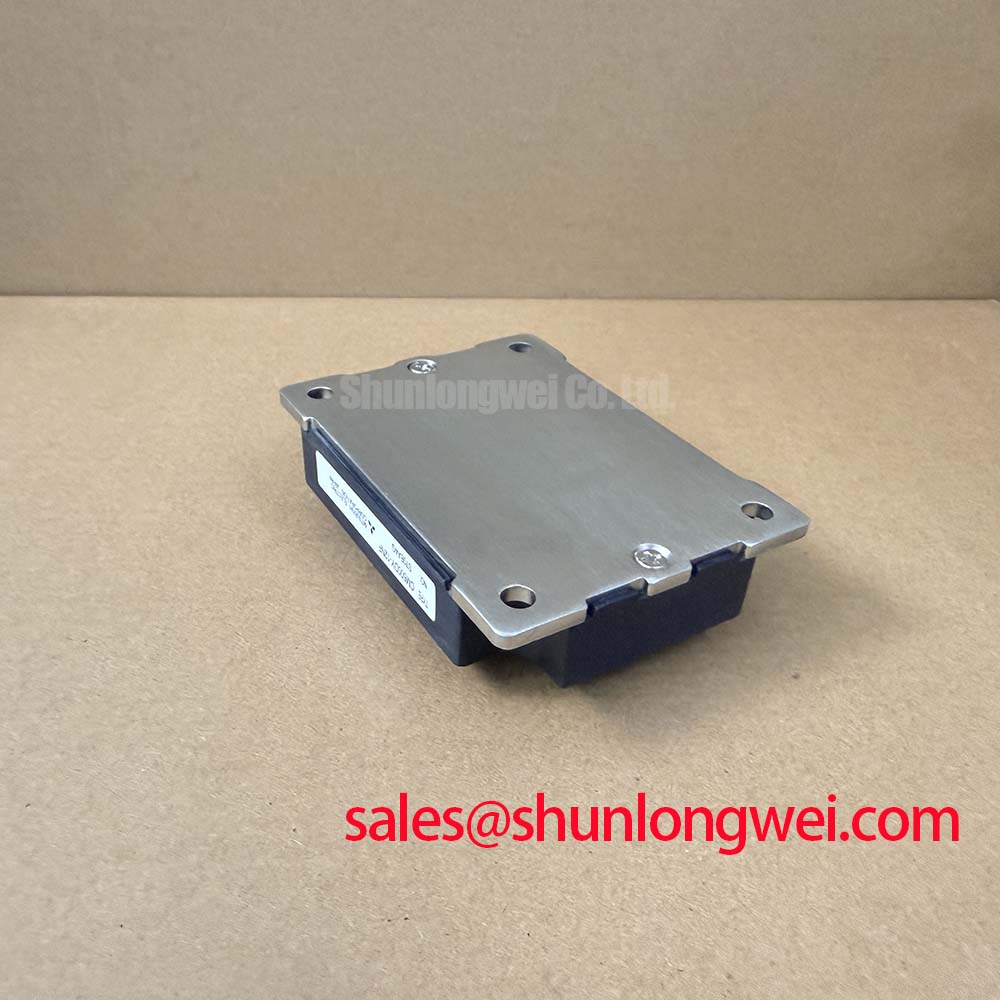
Mitsubishi Electric CM600DY-12NF: High-Efficiency 600V 600A Dual IGBT with CSTBT Technology
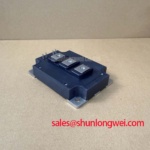
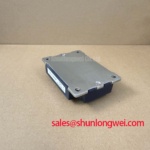
The CM600DY-12NF is a high-power dual IGBT module developed by Mitsubishi Electric, featuring their proprietary 5th generation CSTBT (Carrier Stored Trench-Gate Bipolar Transistor) technology. Designed for high-frequency power conversion and efficient motor control, this module integrates two IGBTs in a half-bridge configuration within a robust, insulated package. By optimizing the trade-off between on-state voltage and switching losses, it enables engineers to design systems with higher power densities and reduced thermal management requirements. For high-current industrial motor drives requiring optimized switching losses, the CM600DY-12NF 600A module provides an industry-leading balance of performance.
Top Specs: 600V | 600A | Vce(sat) 1.8V. Key Benefits: Significantly lowers cooling requirements via reduced conduction losses and enhances system reliability through a high-ruggedness trench gate structure. What is the primary benefit of the CSTBT architecture in this module? It utilizes a buried layer to increase carrier concentration, reducing Vce(sat) without compromising switching speed.
Key Parameter Overview
Decoding the Specs for Enhanced Thermal Reliability
The CM600DY-12NF provides critical performance data that dictates the efficiency of the power stage. Engineers should note the low saturation voltage which directly impacts the total power dissipation under heavy load conditions.
| Parameter Description | Symbol | Ratings/Values |
|---|---|---|
| Collector-Emitter Voltage | Vces | 600V |
| Collector Current (DC) | Ic | 600A |
| Collector-Emitter Saturation Voltage | Vce(sat) | 1.8V (Typ. at Tj=25°C) |
| Total Power Dissipation | Pc | 1950W |
| Junction Temperature Range | Tj | -40°C to +150°C |
| Isolation Voltage | Viso | 2500V (AC, 1 min) |
| Thermal Resistance (Junction-to-Case) | Rth(j-c) | 0.064 K/W (Max per IGBT) |
Download the CM600DY-12NF datasheet for detailed specifications and performance curves.
Application Scenarios & Value
Achieving System-Level Benefits in High-Frequency Power Conversion
The CM600DY-12NF is primarily utilized in Variable Frequency Drives (VFD) and UPS (Uninterruptible Power Supply) systems where 400V-line efficiency is paramount. In industrial conveyor belt systems, a major engineer challenge involves handling high-torque motor startup currents that can cause thermal spikes. The Ic rating of 600A coupled with an exceptionally low Rth(j-c) of 0.064 K/W allows the system to manage these transient surges without exceeding junction temperature limits, ensuring long-term reliability in harsh environments.
This module also excels in high-power Welding Power Supplies. The CSTBT technology minimizes switching-on losses (Eon), which is a decisive factor for high-frequency switching operations (typically 15kHz to 30kHz). By reducing the energy lost during each transition, the module allows for the use of smaller heatsinks, thereby improving the overall power density of the equipment. For systems requiring higher voltage overhead, such as 690V industrial grids, the related CM600DX-24T offers a Vces of 1200V. For further insights into component selection, refer to our guide on IGBT vs MOSFET vs BJT.
Technical & Design Deep Dive
A Closer Look at CSTBT Architecture for Superior Current Density
The core innovation of the CM600DY-12NF lies in Mitsubishi's 5th generation CSTBT chip design. Traditional trench-gate IGBTs often suffer from a non-uniform carrier distribution across the drift layer, which limits how much Vce(sat) can be reduced. Think of the CSTBT structure as an "efficiency reservoir": by introducing an additional carrier-storage layer beneath the gate, the module "traps" more holes near the emitter side during the on-state. This effectively mimics the low-loss characteristics of a diode, significantly dropping the on-resistance.
From an engineering perspective, this means the CM600DY-12NF achieves a current density that was previously only possible in much larger packages. Furthermore, the gate drive design is simplified as the Gate-Emitter Threshold Voltage (Vge(th)) is tightly controlled between 5V and 7V, ensuring consistent switching across paralleled modules. For more details on maintaining these modules, see the practical field guide to testing IGBTs. This ruggedness is essential in applications involving Servo Drives and Electric Vehicle (EV) Inverters, where rapid load changes are the norm.
FAQ
Addressing Critical Engineering Inquiries
- How does the Vce(sat) of 1.8V directly impact heatsink selection and overall system power density?
A lower Vce(sat) means fewer watts are dissipated as heat during the conduction phase. For a 600A load, even a 0.1V reduction can save 60W per IGBT, directly allowing for a more compact Thermal Management solution or higher output power within the same footprint. - What are the recommended gate drive parameters for the CM600DY-12NF to minimize oscillations?
The module thrives with a Gate Voltage (Vge) of +15V/-15V. The negative bias is critical for preventing parasitic turn-on caused by high dV/dt in the half-bridge configuration, especially given its high-speed switching capability. - What is the primary benefit of the CSTBT technology compared to standard trench IGBTs?
What is the primary benefit of its design? Enhanced long-term reliability and lower conduction losses. By optimizing carrier storage, CSTBT allows the CM600DY-12NF to maintain low saturation voltage even at elevated temperatures, providing a more stable thermal profile than traditional trench architectures.
As the power electronics landscape shifts toward higher efficiency and integration, the CM600DY-12NF remains a cornerstone for 600V-class industrial applications. Its combination of proven CSTBT technology and a robust package makes it a low-risk, high-performance choice for OEMs optimizing for the next generation of energy-efficient motor drives and renewable energy systems. For a broader overview of market trends, engineers may review the 2025-2026 Global IGBT Market Outlook.