


Content last revised on September 10, 2026
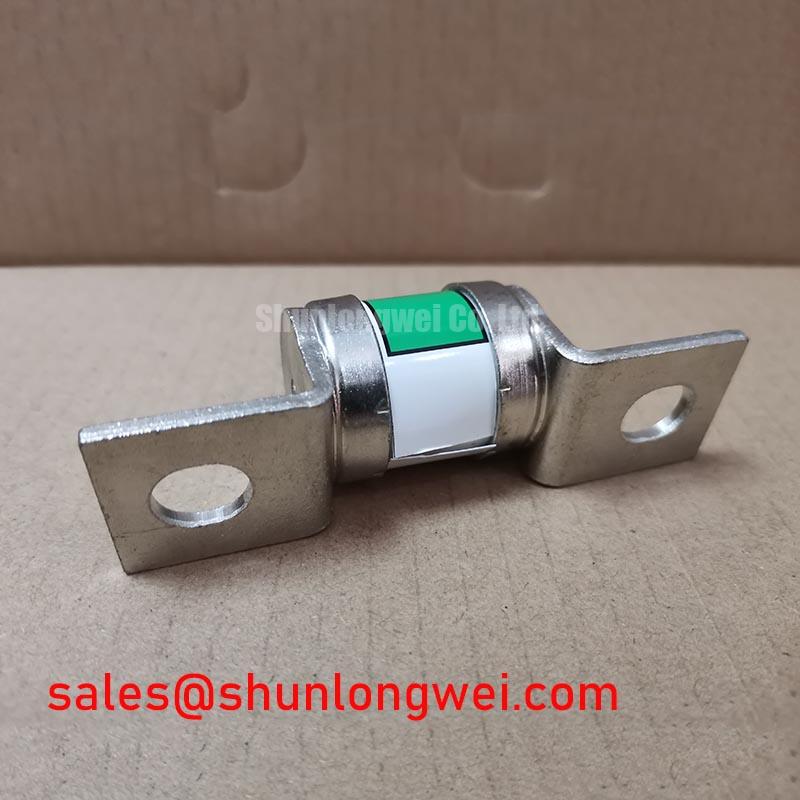
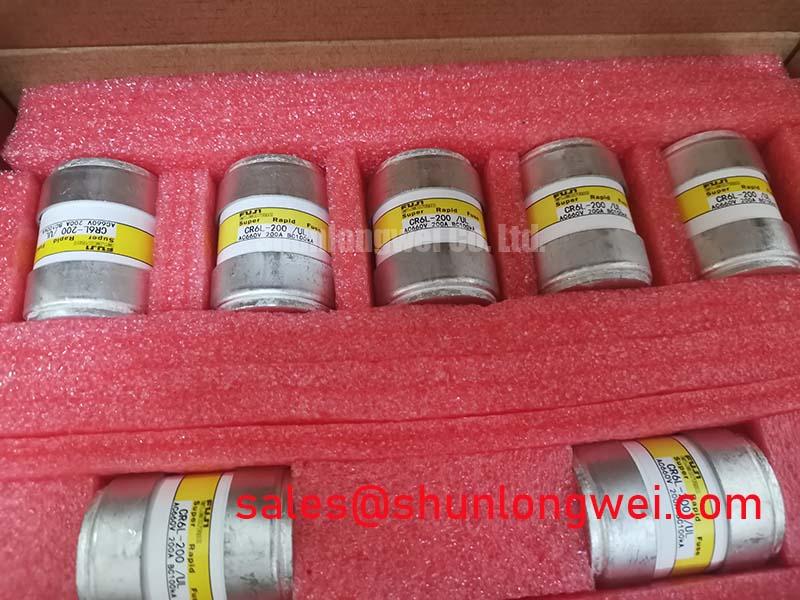
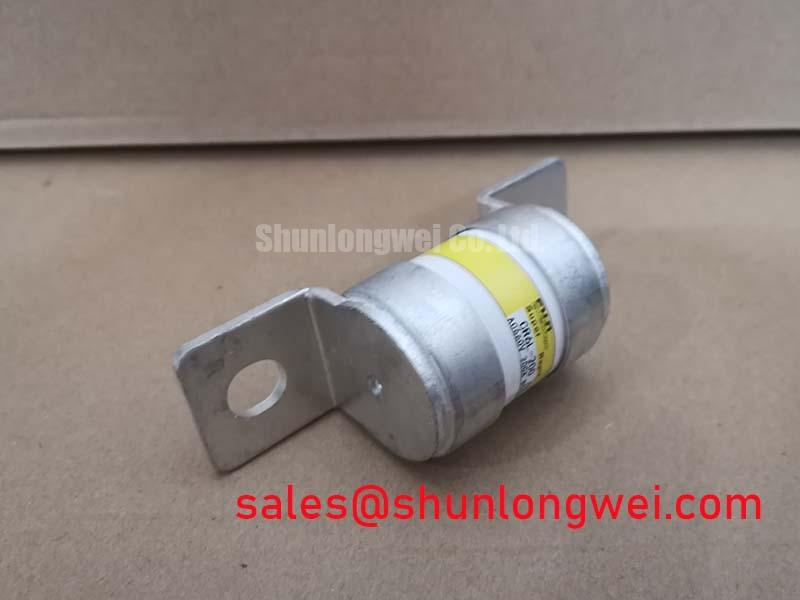
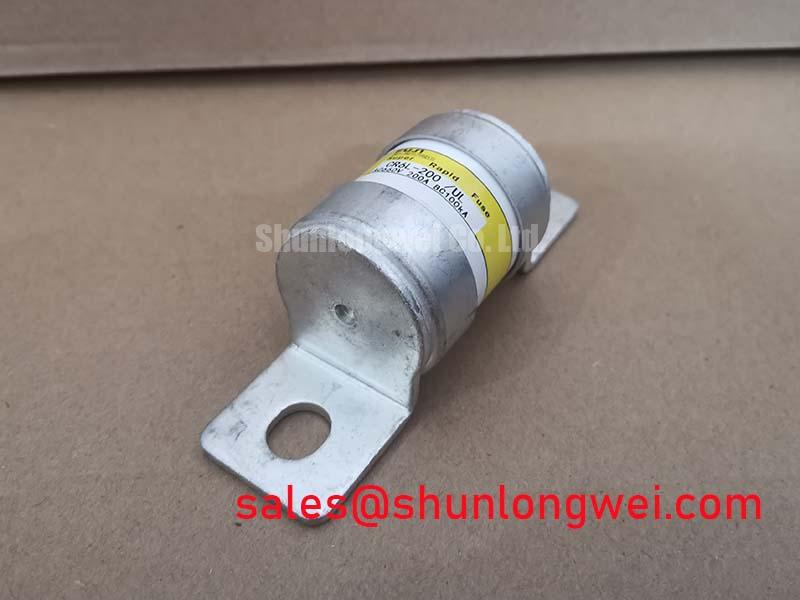
Fuji CR6L-200/UL Fuse: Resilient 600V/200A Overcurrent Safety
Engineered for robust, UL-certified overcurrent protection in demanding power conversion systems.
In high-power applications like variable frequency drives, a short-circuit fault is an instantaneous, high-energy event that can destroy expensive semiconductor components. The Fuji Electric CR6L-200/UL Super Rapid Fuse is engineered specifically for this challenge, delivering validated protection for sensitive electronics. With its 600V AC | 200A | 100kA Interrupting Rating, it ensures semiconductor survival and provides certified safety compliance. This fuse isolates faults with extreme speed, effectively acting as a safeguard to prevent catastrophic cascade failures in power modules and inverters.
Operational Contexts Demanding Robust Overcurrent Safety
The primary function of the Fuji Electric CR6L-200/UL is to protect high-power semiconductors, which are vulnerable to even momentary overcurrent events. Its design characteristics make it an essential component in a variety of industrial power conversion systems.
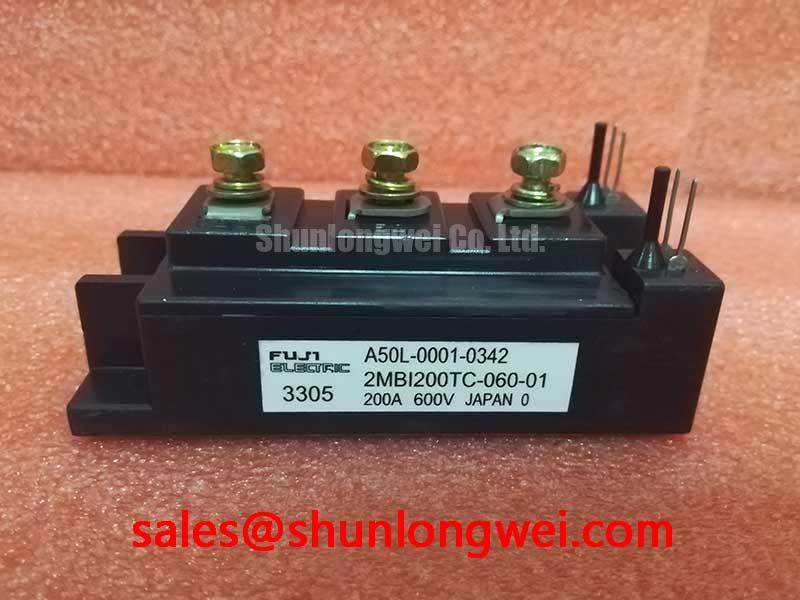
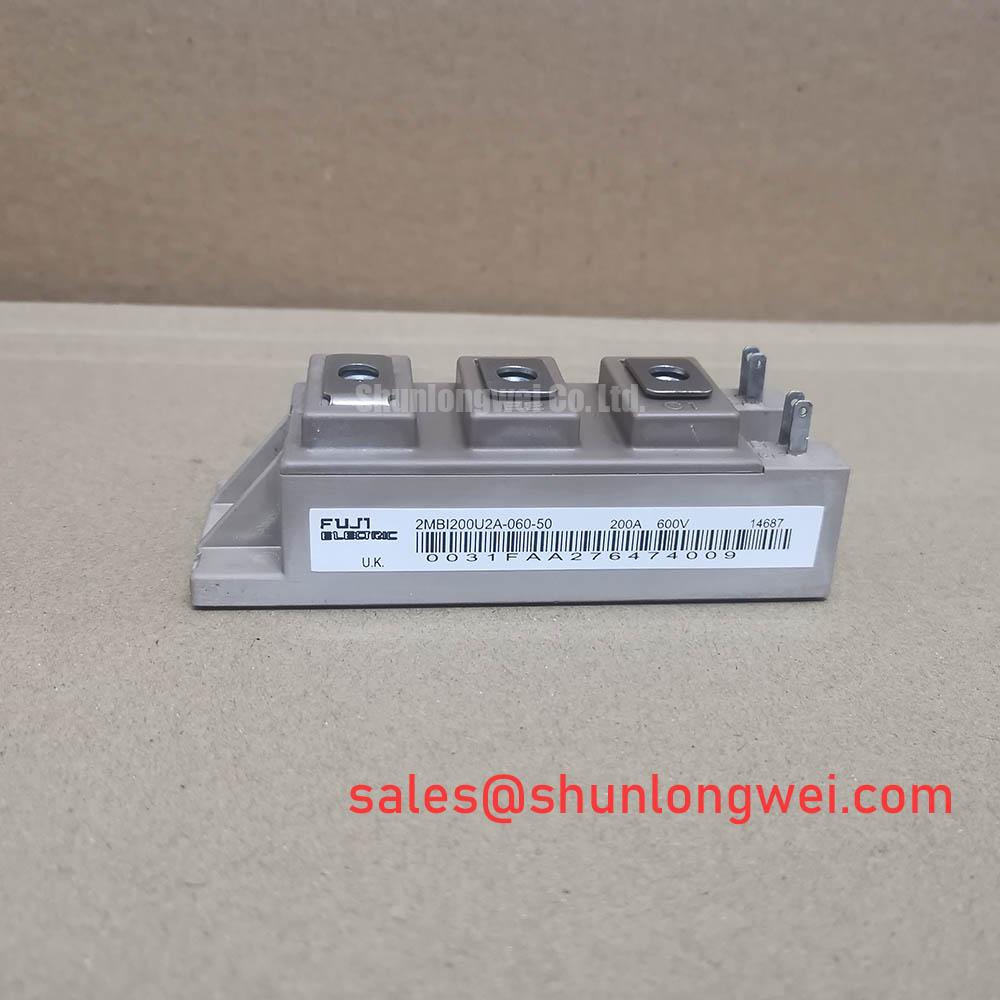
- Variable Frequency Drives (VFDs) and Motor Controls: In VFDs, this fuse protects the input rectifier and DC link capacitors from line-side anomalies and the output IGBT Module from load-side short circuits.
- Uninterruptible Power Supplies (UPS): Ensures the reliability of the inverter stage by protecting it from faults originating from either the battery bank or the critical load, preventing costly downtime.
- Power Rectifiers and Inverters: It is specifically developed to provide reliable protection for silicon diodes and thyristors in high-current rectifier circuits.
- Welding Power Supplies: The rapid response is critical for protecting the high-frequency switching devices common in modern welding equipment.
For high-power inverter systems where fault current can exceed typical industrial levels, the CR6L-200/UL's 100kA AC interrupting rating provides a verified safety margin essential for system integrity.
Frequently Asked Questions for the CR6L-200/UL Fuse
1. What is the rated breaking capacity of the CR6L-200/UL and why is it important?
The CR6L-200/UL has a rated AC breaking capacity of 100kA at 600V AC. This crucial parameter defines the maximum prospective fault current that the fuse can safely interrupt without catastrophic failure (e.g., exploding), ensuring the safety of both the equipment and personnel.
2. Is the CR6L-200/UL suitable for protecting IGBT modules?
Yes, absolutely. As a "Super Rapid" fuse, it is designed with an extremely low total clearing I²t value, which minimizes the destructive energy passed through to the semiconductor during a fault. This fast-acting characteristic is essential for protecting modern, fast-switching devices like IGBTs and thyristors.
3. How does the UL recognition of this fuse affect my product's certification process?
The UL recognition (File E92312 on some models) significantly streamlines the process of certifying your end-product for the North American market. Using pre-certified components like the CR6L-200/UL provides third-party validation of safety and performance, reducing testing burdens and potential redesigns.
4. What does the total clearing I²t value signify?
The I²t value (measured in A²s) represents the thermal energy let-through from the moment a fault occurs until it is completely cleared. A lower I²t means less thermal stress on the component being protected. The low I²t of the CR6L-200/UL is key to the survival of the semiconductors it guards.
5. Can the CR6L-200/UL be used in DC circuits?
Yes, this fuse is rated for DC applications. According to available specifications, it has a DC voltage rating of 680VDC, making it suitable for protecting DC links in inverters, battery storage systems, and other DC-powered equipment.
Data-Centric Comparison for Informed Fuse Selection
Selecting the correct protective device requires a clear understanding of its capabilities relative to other options. The table below contrasts the Fuji CR6L-200/UL with a standard industrial fuse to highlight its specialized role. This data is provided for informational purposes to support your technical evaluation.
| Feature | Fuji Electric CR6L-200/UL | Generic Industrial Fuse |
|---|---|---|
| Target Application | Semiconductor Protection (IGBTs, Thyristors) | General Purpose (Motors, Transformers, Lighting) |
| Response Speed | Super Rapid / Very Fast Acting | Fast-Acting or Time-Delay |
| AC Interrupting Rating | 100 kA @ 600V | Typically 10kA - 50kA |
| Safety Certification Focus | UL Recognized for specific semiconductor use cases | General UL Listing or CE marking |
Anatomy of a High-Integrity Semiconductor Fuse
What ensures its fast action? A precisely engineered internal element designed to vaporize instantly and predictably under fault conditions. The CR6L-200/UL is constructed to provide more than just a simple weak link in a circuit; it is a precision safety instrument. The core of the fuse contains a specialized silver or copper element with carefully dimensioned weak points. When a fault current flows, these points heat up and vaporize in microseconds.
This vaporization creates an arc, which is immediately extinguished by the surrounding high-purity quartz sand filler. This process rapidly increases the circuit resistance to an extremely high level, interrupting the current flow. This entire sequence is engineered to produce a low arc voltage, preventing high-voltage spikes that could damage other components in the system. For circuits that depend on sensitive devices like the CM600DX-24T, this level of protective precision is indispensable.
CR6L-200/UL Core Specifications at a Glance
Understanding key parameters is vital for correct implementation. Below is an interpretation of the CR6L-200/UL's most critical specifications for design engineers. For a complete list of parameters, please download the official datasheet.
| Parameter | Value | Engineering Meaning |
|---|---|---|
| Rated Breaking Capacity (AC) | 100 kA | This is analogous to a dam's spillway capacity; it defines the maximum fault current the fuse can safely interrupt without rupturing, which is a critical safety requirement for high-power industrial grids. |
| Total Clearing I²t (at 600V) | 30,000 A²s | This value quantifies the thermal energy that passes through to the protected component during a fault. A lower value signifies less thermal stress, directly improving the survival probability of the semiconductor device it is guarding. |
| Power Dissipation (Watt Loss) | 34 W | This represents the heat generated by the fuse during normal operation at its rated current. This figure is a mandatory input for thermal management calculations to ensure the fuse operates within its specified temperature limits inside an enclosure. For more on this, see our guide to preventing overcurrent, overvoltage, and overtemperature failures. |
The Strategic Role of Certified Fuses in Modern Power Electronics
As power densities in applications like EV charging and solar inverters continue to rise, the demands placed on protective devices intensify. The role of a fuse expands beyond simple protection to become a key enabler of system reliability and regulatory compliance. The UL certification on the Fuji Electric CR6L-200/UL is not merely a mark; it represents a documented history of performance and safety validated by a trusted third party. For Original Equipment Manufacturers (OEMs), integrating such a component mitigates design risk, reduces potential liability, and accelerates time-to-market by simplifying the path to system-level UL approval.
Deployment Snapshot: Securing a High-Frequency Welder
A client developing a next-generation, inverter-based welding system faced challenges with IGBT failures during high-stress, short-duration welds. Standard fuses were either too slow to prevent damage or caused nuisance trips during normal current peaks. By integrating the CR6L-200/UL, the engineering team was able to leverage its extremely low I²t and fast-acting characteristics. The result was a robust system that provided unfailing protection to the power stage under genuine fault conditions while remaining completely stable during demanding but normal operational cycles, validating the fuse's suitability for high-frequency, high-stress applications.
As system power requirements and fault current potentials continue to escalate, the selection of a protective fuse shifts from a commodity choice to a foundational decision in system architecture. Evaluating a fuse based on its certified resilience and dynamic performance, as exemplified by the Fuji Electric CR6L-200/UL, becomes a critical strategy for future-proofing a design against not only internal faults but also unforeseen grid-level events.