Content last revised on September 10, 2026
An Engineer's Analysis of the TDK CXA-L0524-NJL CCFL Inverter Unit
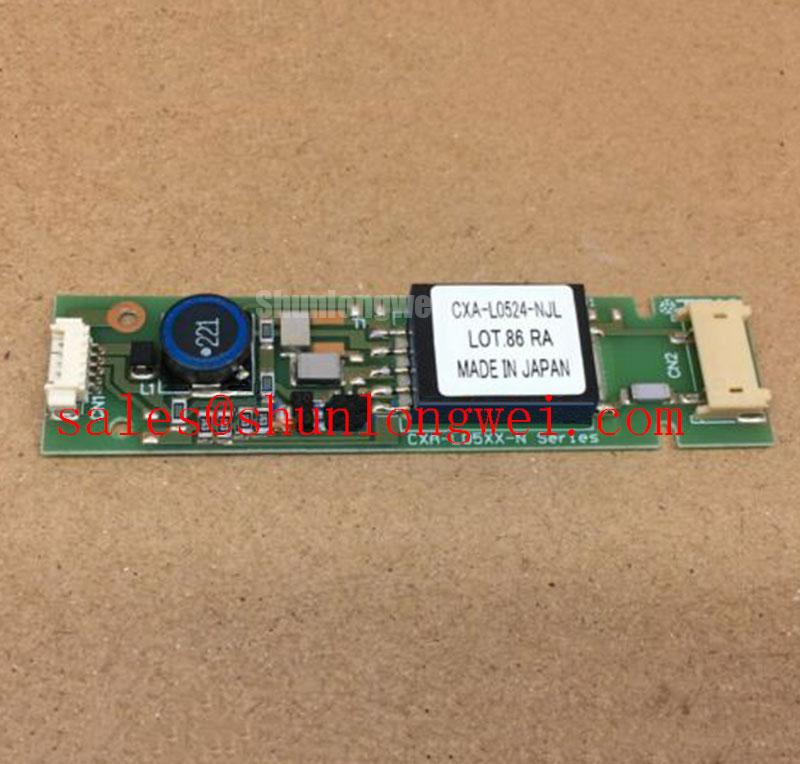
The TDK CXA-L0524-NJL is a specialized DC to AC inverter engineered to power Cold Cathode Fluorescent Lamp (CCFL) backlights in industrial display systems. It delivers a stable power output from a standard DC input, focusing on reliability and safety for long-term operation. Key specifications include a nominal 24V DC input, a typical 3.5W power output, and compliance with the UL60950 safety standard. Its primary engineering benefits are enhanced operational robustness through protective design features and simplified system integration for fixed-brightness applications. This component directly addresses the need for a dependable power source for legacy display maintenance and manufacturing. For industrial systems requiring a highly reliable, non-dimming CCFL power source, this UL-approved inverter is the optimal choice.
Application Scenarios & Value
Delivering Robust Power for Legacy Industrial Displays
The primary value of the CXA-L0524-NJL lies in its role as a steadfast power solution for legacy industrial Human-Machine Interfaces (HMIs), process controllers, and monitoring equipment that utilize CCFL-backlit LCDs. Consider an engineering challenge involving the maintenance of a fleet of factory floor terminals where a full screen upgrade to LED technology is cost-prohibitive. The original CCFL inverters have begun to fail due to age and environmental exposure. The CXA-L0524-NJL serves as a direct, reliable replacement. Its standard 24V DC input allows it to integrate seamlessly into the existing system's power rail, while its output is precisely tailored for single-lamp assemblies commonly found in panels from 3 to 15 inches. The inverter acts as a specialized translator, converting the system's simple 24V DC into the high-voltage AC current that a CCFL backlight needs to glow, much like a transformer steps up household voltage for a specific appliance. This eliminates the need for complex redesigns or sourcing unverified components, ensuring continued operational uptime. For projects involving a complete panel upgrade rather than component-level repair, a modern display assembly like the G156HTN02.1 may offer a more integrated solution.
Key Parameter Overview
Decoding the Specs for System Reliability and Integration
The specifications of the CXA-L0524-NJL are centered on delivering consistent, safe power. The design choices reflect a focus on durability and ease of use in established industrial applications rather than feature-rich consumer electronics. Understanding these parameters is key to confirming its suitability for a specific maintenance or production requirement.
| Specification | Value | Engineering Value & Interpretation |
|---|---|---|
| Input Voltage (Vin) | 22.8V to 25.2V (24V Typical) | The tight tolerance around a standard 24V industrial power rail simplifies system integration and ensures stable performance without requiring additional input voltage regulation, a common requirement in industrial HMI solutions. |
| Output Power | 3.5W (Typical) | This power rating is optimized for a specific class of CCFLs used in small-to-mid-sized industrial panels, ensuring the lamp operates at its intended brightness and lifespan without being overdriven or underpowered. |
| Open Output Voltage | 1500Vrms (Typical) | This is the "striking" voltage required to initiate the plasma discharge inside the CCFL. A correctly matched open voltage ensures fast, reliable lamp ignition across its operational temperature range. |
| Safety Compliance | UL60950 Approved | This certification streamlines the safety approval process for the final product, as the inverter has already been verified to meet stringent standards for electrical safety and fire hazard prevention. |
| Protective Feature | Silicone Coating on HV Stage | Provides a physical barrier against dust and humidity, preventing high-voltage arcing and component failure. This is a critical feature for long-term reliability in non-cleanroom environments. |
Frequently Asked Questions (FAQ)
Getting the Most from the CXA-L0524-NJL Inverter
What is the purpose of the silicone application on the CXA-L0524-NJL?
The silicone coating is applied to the high-voltage generator section, including terminals and patterns, as a protective measure. It acts as an environmental sealant, preventing the accumulation of dust and moisture that can lower the dielectric strength of air and lead to high-voltage arcing, a common failure mode in industrial settings.
What does UL60950 approval signify for this inverter component?
UL60950 is a key safety standard for Information Technology Equipment. For the CXA-L0524-NJL, this approval indicates that the inverter has been rigorously tested and found to meet requirements for preventing electrical shock and fire hazards under normal and fault conditions. For an design engineer, this pre-certification simplifies the safety compliance process for the overall system.
Is this model suitable for applications requiring brightness control?
No, the CXA-L0524-NJL is a non-dimming inverter. It is designed to operate the CCFL at a fixed, stable brightness. This simplifies the design and is ideal for applications like status indicators or fixed-information displays where variable brightness is not a functional requirement.
What is the primary benefit of its integrated, non-dimming design?
Its primary benefit is enhanced reliability by focusing on a single function: delivering stable, safe power to the backlight.
What are the typical applications for a 24V CCFL inverter?
This type of inverter is predominantly used in industrial machinery controls, medical equipment displays, point-of-sale terminals, and other embedded systems where a 24V power bus is standard and long-term display reliability is critical. It is especially relevant for maintaining and repairing existing equipment that relies on TFT-LCD panels with CCFL backlighting.
From a practical engineering standpoint, the CXA-L0524-NJL is a problem-solver for maintaining the vast installed base of industrial equipment. Its value is not in cutting-edge features but in its focused execution of a critical task. By providing a reliable, safety-certified, and environmentally robust power source for CCFLs, it allows engineers to extend the life of valuable assets without undertaking costly and time-consuming system redesigns. This component exemplifies a design philosophy where durability and predictability are the most important features, a key consideration when calculating the total cost of ownership for industrial hardware.