Content last revised on August 28, 2026
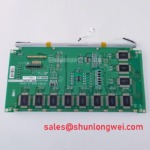
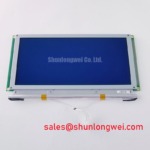
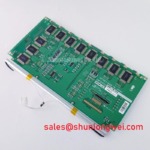
DMF-50036ZNBU-FW-BAN: 240x64 STN Graphic LCD with Integrated Controller
An Engineering Review of the Optrex Graphic Display Module
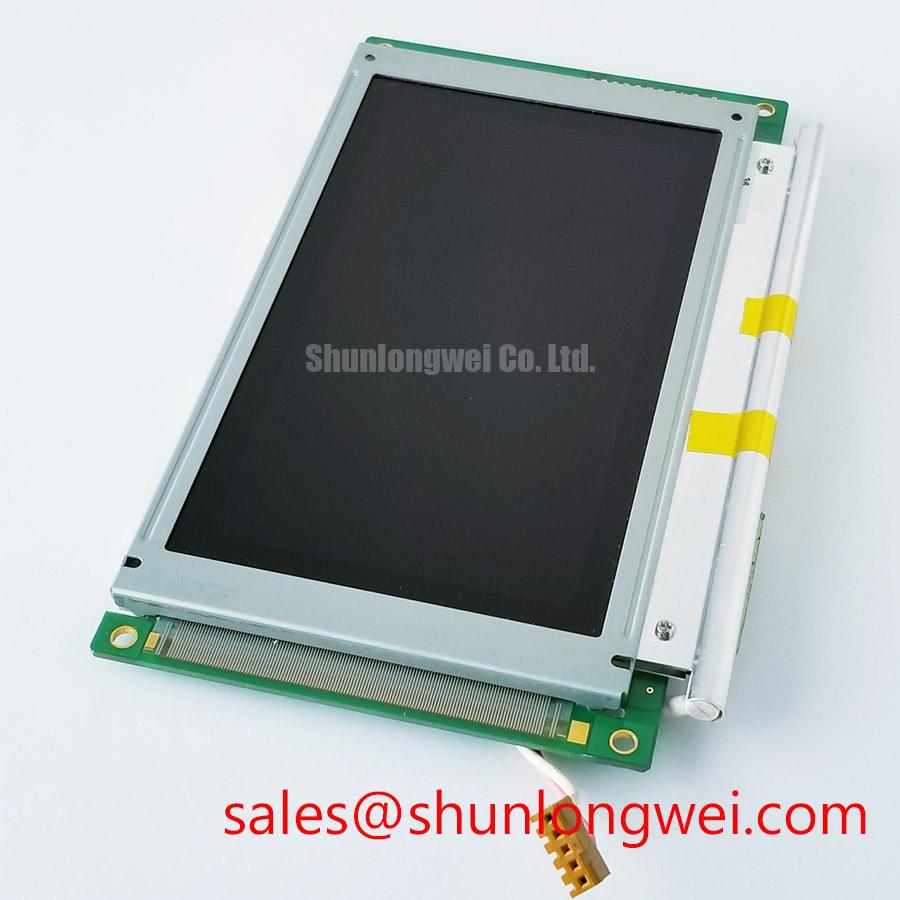
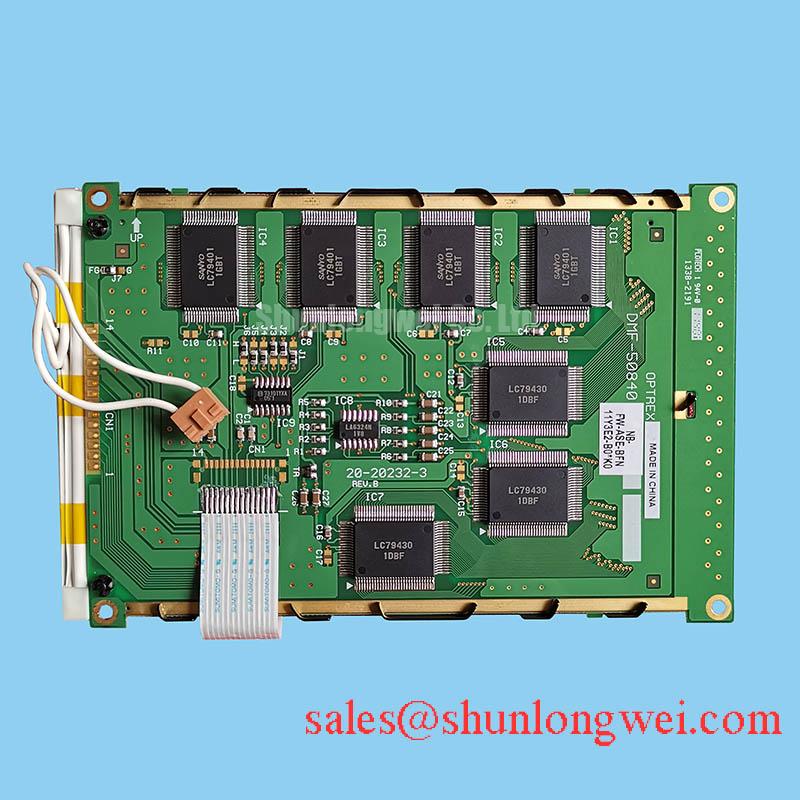
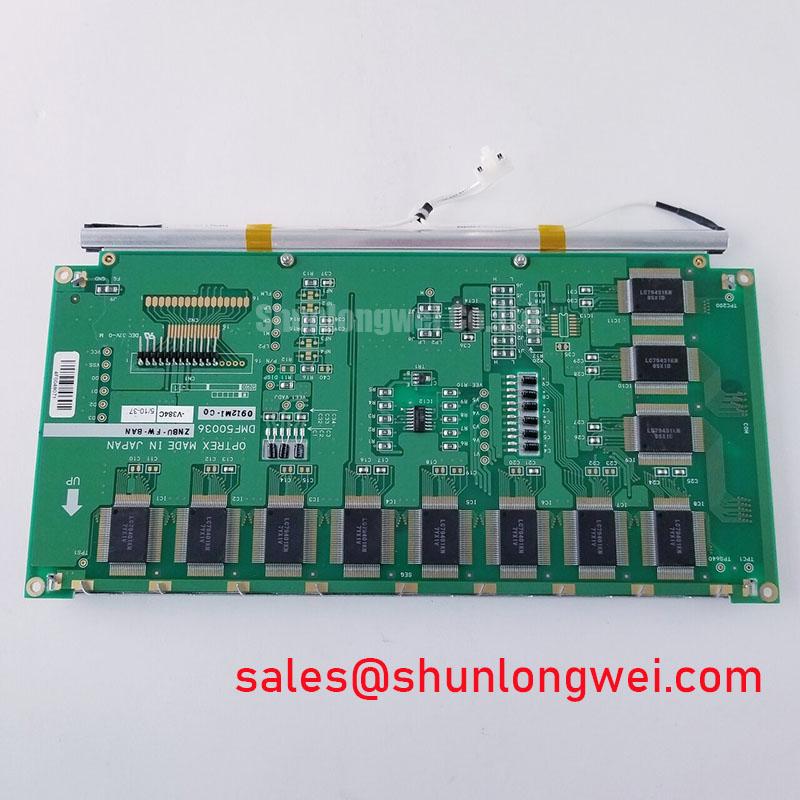
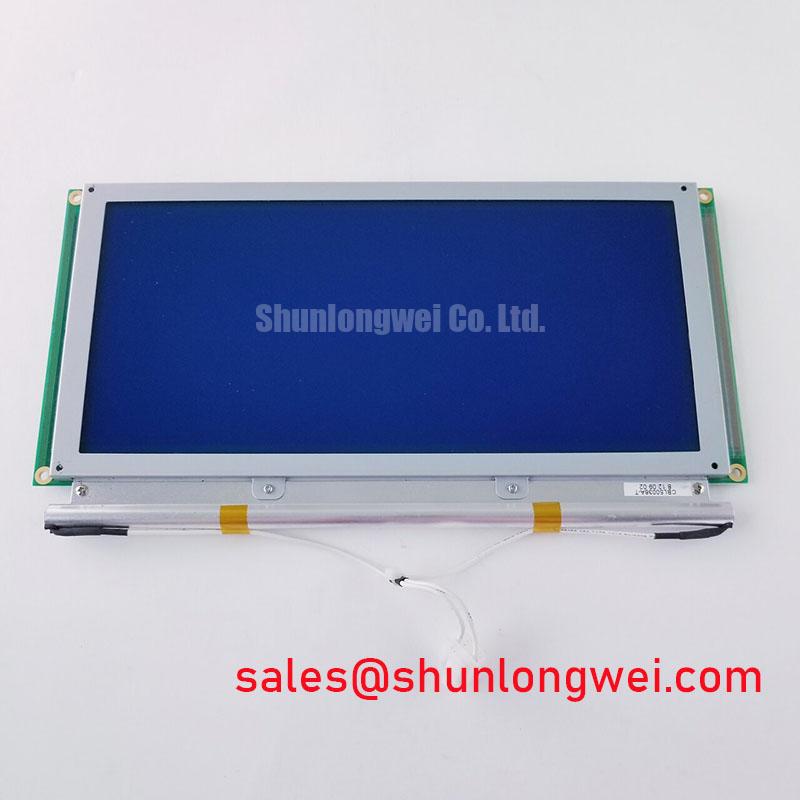
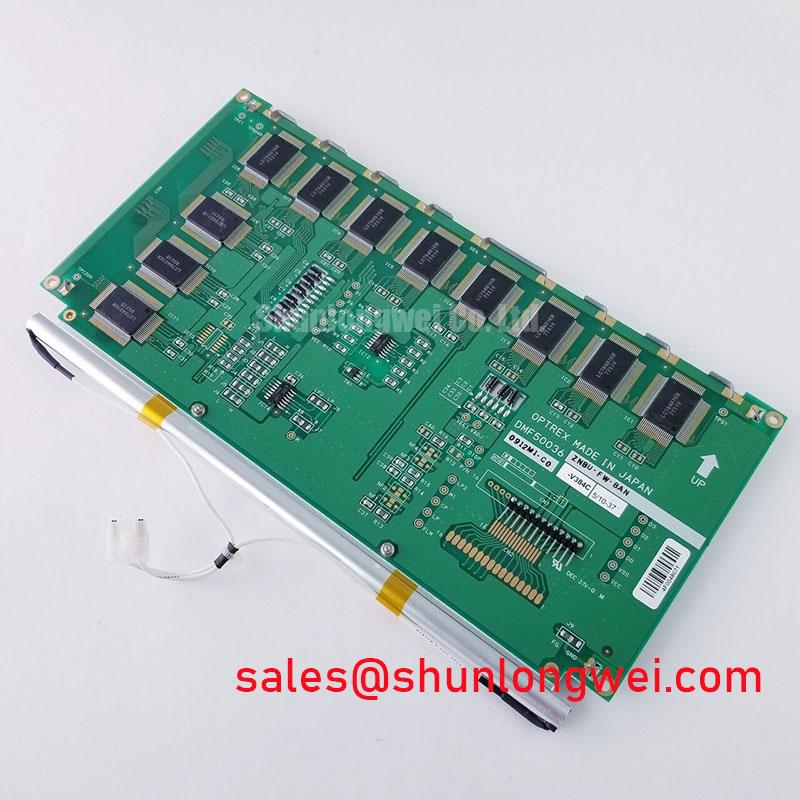
The Optrex DMF-50036ZNBU-FW-BAN is a graphic LCD module engineered for clear, reliable information display in industrial and instrumentation contexts. Its core value proposition is the acceleration of embedded system development through its integrated display controller and high-contrast STN screen. Featuring a 240x64 dot matrix, a blue negative STN display mode, and a built-in T6963C-compatible controller, this module delivers on both performance and design efficiency. It simplifies system integration by managing display memory and commands internally, freeing the host processor for its primary tasks. For legacy system upgrades or new cost-sensitive instruments requiring a proven interface, this module is the optimal choice.
Application Scenarios & Value
System-Level Benefits in Instrumentation and Control Panel Design
The DMF-50036ZNBU-FW-BAN is engineered for applications where clarity and straightforward integration are paramount. Its feature set makes it a strong candidate for industrial control panels, test and measurement equipment, and medical diagnostic devices that require multi-line text, status icons, or simple graphical readouts.
Consider the design of a rack-mounted power supply unit. The primary engineering challenge is to present voltage, current, and status information clearly without overburdening a cost-effective microcontroller (MCU). The integrated T6963C controller on the DMF-50036ZNBU-FW-BAN directly solves this. It offloads the low-level tasks of pixel mapping and screen refreshing, allowing the MCU to simply send high-level ASCII commands or graphic data packets. This significantly reduces firmware complexity and can enable the use of a less powerful, more economical host processor. The STN blue negative display ensures that critical parameters are highly legible under typical indoor and control room lighting conditions. For systems requiring a different resolution or form factor, the LMG5271XUFC-D offers another option within the graphic module category.
Key Parameter Overview
Decoding the Specs for System Integration and Performance
The technical specifications of the DMF-50036ZNBU-FW-BAN are tailored for long-term industrial deployment. Each parameter has a direct implication for system design, from power supply architecture to product lifecycle management.
| Parameter | Specification | Engineering Implication |
|---|---|---|
| Display Resolution | 240 x 64 Dots | Provides sufficient area for up to 8 lines of standard text or a combination of text and simple graphics, ideal for menu-driven interfaces. |
| Display Mode | STN (Super-Twisted Nematic), Blue Negative, Transmissive | Delivers a high-contrast view (e.g., white or light-yellow pixels on a blue background), a classic and highly readable look for instrumentation. |
| Built-in Controller | T6963C or Compatible | The core integration benefit. This controller manages the display RAM and character generator, simplifying the interface to a standard 8-bit parallel bus. |
| Backlight System | CCFL (Cold Cathode Fluorescent Lamp) | Ensures bright and even illumination across the display. Requires an external, high-voltage CCFL inverter for operation, a key consideration for the power budget and PCB layout. |
| Backlight Lifespan | 10,000 hours (Typical) | A critical parameter for defining the product's maintenance schedule or expected service life in continuous-operation applications. |
| Supply Voltage (Logic) | 5.0V (Typical) | Compatible with standard TTL/CMOS logic levels common in many embedded systems, simplifying the digital interface design. |
Download the DMF-50036ZNBU-FW-BAN datasheet for detailed specifications and performance curves.
Technical Deep Dive
A Closer Look at the T6963C Controller and its Impact on Embedded System Design
The inclusion of a T6963C-compatible controller is the most significant feature for system integrators. This component acts as a dedicated graphics co-processor, fundamentally changing the relationship between the host system and the display. In a "dumb" panel without a controller, the host MCU is responsible for continuously refreshing the screen row by row, a process that consumes significant processing cycles and requires a large amount of RAM to serve as a framebuffer.
The T6963C architecture elegantly solves this. What is the primary benefit of its integrated design? Simplified command structure and memory management. The controller contains its own display RAM, which can be partitioned into text and graphics areas. The host system simply writes character codes or bitmap data to specific memory addresses within the controller, which then handles the entire screen refresh process autonomously. Think of it as the difference between giving a painter pixel-by-pixel instructions versus just handing them a complete blueprint. This offloading of responsibility is a decisive advantage in industrial control panel design, enabling smoother user interfaces and freeing the main processor to focus on time-critical control tasks.
Frequently Asked Questions (FAQ)
Technical Inquiries for Design and Implementation
What are the main advantages of the integrated T6963C controller?
The primary advantages are simplified software development, reduced host MCU processing load, and lower system BOM cost. It eliminates the need for an external framebuffer and complex driver software, allowing engineers to interface with the display using a well-documented, high-level command set.
What external circuitry is required to power the CCFL backlight?
A dedicated CCFL inverter is required. This is a small power supply module that converts low-voltage DC (typically 5V or 12V) into the high AC voltage (e.g., 900 Vrms starting voltage) needed to ignite and sustain the fluorescent lamp.
How does the STN 'Blue Negative' mode affect readability?
This mode produces light characters on a dark blue background, resulting in a high contrast ratio that is easily readable in a wide range of indoor ambient lighting. It is a popular choice for electronic instrumentation due to its sharp, clear appearance.
What is the significance of the 10,000-hour backlight lifespan for product maintenance?
The 10,000-hour rating (over a year of 24/7 operation) is a key reliability metric. For long-lifecycle products, engineers must factor this into the maintenance plan. The display will remain functional beyond this point, but brightness will be reduced to approximately 50% of its initial value.
Does the DMF-50036ZNBU-FW-BAN require a negative voltage supply?
Yes, like most STN displays of its era, it requires a negative voltage (VEE) for LCD contrast adjustment (VADJ). This is typically generated on the main system board using a small charge-pump IC or a dedicated negative voltage regulator.
An Engineer's Perspective on Integration
The DMF-50036ZNBU-FW-BAN represents a class of components built for stability and predictability. In an industry often focused on rapid evolution, this module's value lies in its proven, well-documented interface and robust construction. For engineers developing products with a 10+ year lifecycle, specifying a display with a standardized controller like the T6963C is a strategic decision that mitigates risks associated with proprietary interfaces and ensures long-term component serviceability. It is a practical solution for designs where functional clarity and development efficiency outweigh the need for full-color, high-resolution graphics provided by modern TFT-LCD panels.