

Content last revised on September 10, 2026
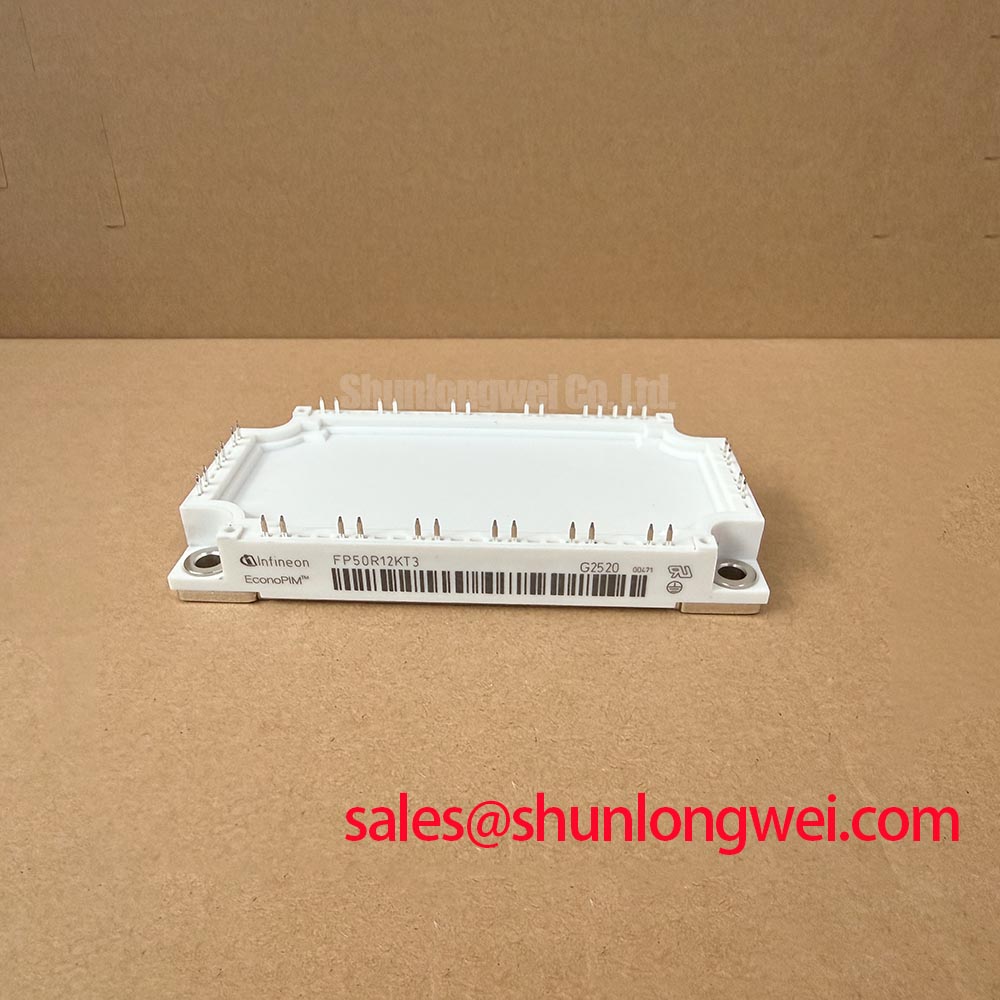
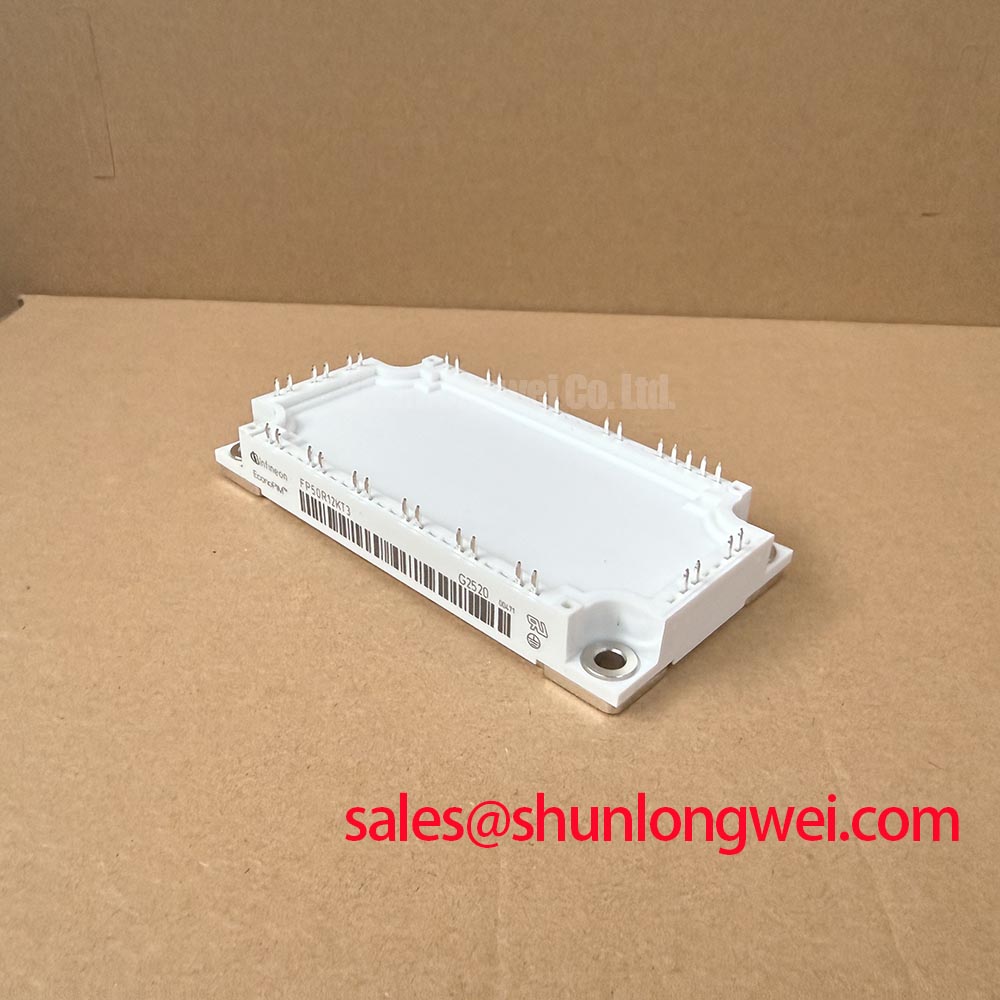
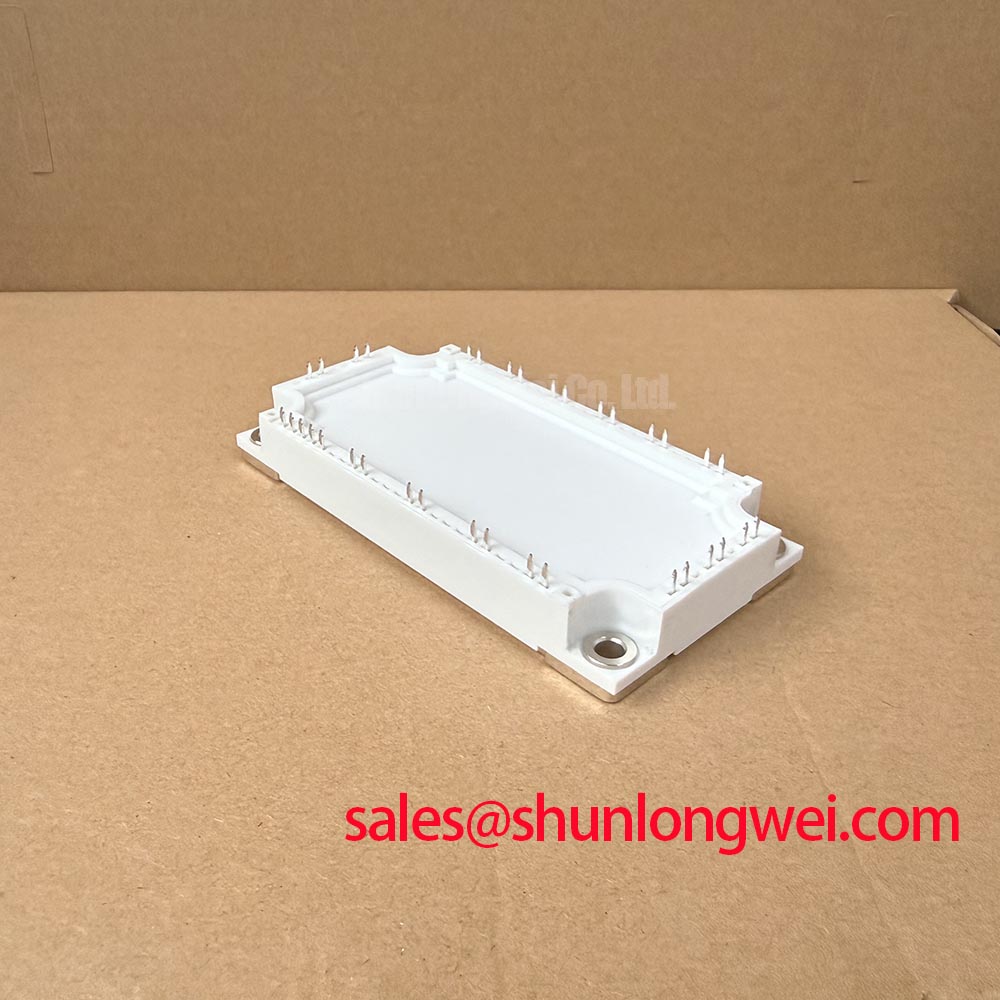
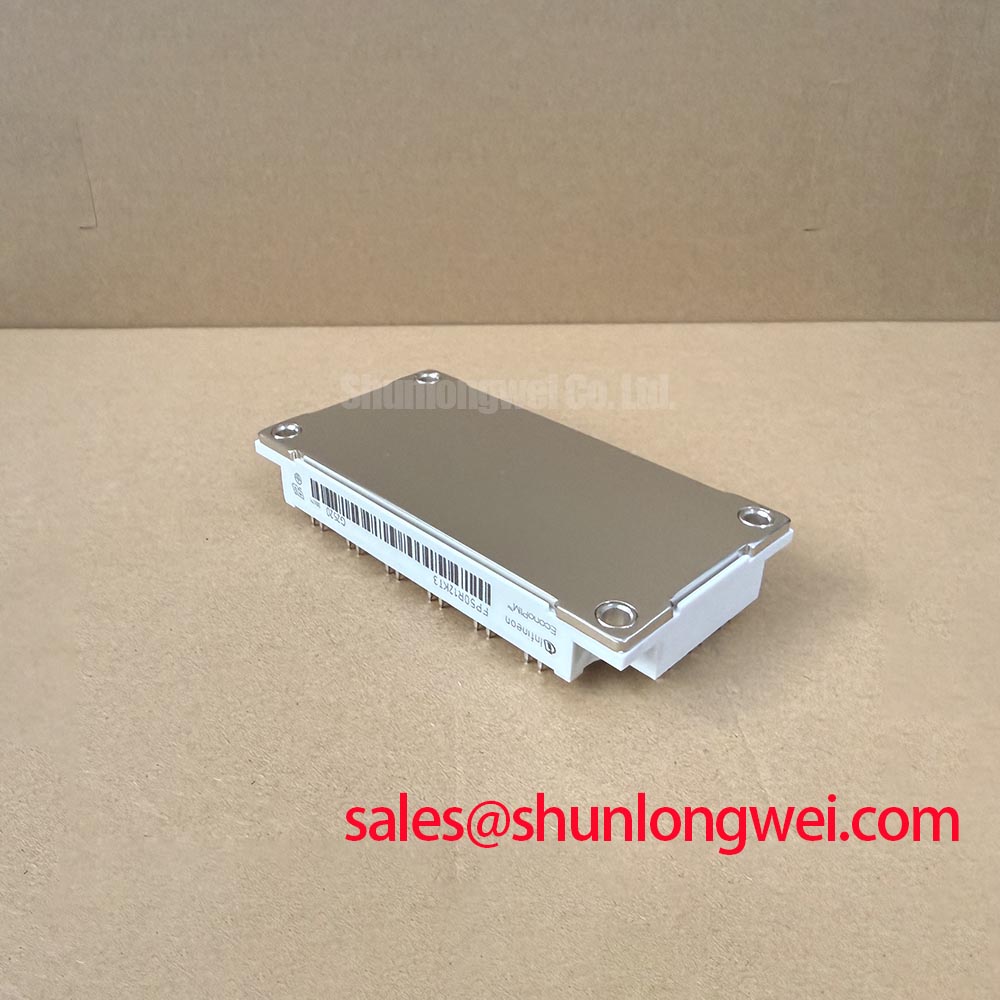
High-Density Power Integration: The Infineon FP50R12KT3 EconoPIM™ 3 IGBT Module
The Infineon FP50R12KT3, a cornerstone of the EconoPIM™ 3 family, represents a highly integrated solution designed to maximize power density while simplifying the thermal architecture of industrial motor drives. By combining a three-phase rectifier, a brake chopper, and a three-phase inverter with an integrated NTC thermistor into a single housing, it empowers engineers to reduce system footprints without compromising on electrical performance or 1200V isolation requirements. For compact 400V industrial drives requiring integrated braking and thermal sensing, the 1200V/50A FP50R12KT3 is the optimal high-density choice.
Top Specs: 1200V | 50A (Tc=80°C) | Vce(sat) 1.70V (typ.)
Key Benefits:
- System Simplification: Reduces component count and assembly time via PIM integration.
- Thermal Precision: Built-in NTC allows for accurate real-time monitoring of module temperature.
What is the primary benefit of the FP50R12KT3's integrated NTC? It enables real-time thermal monitoring for enhanced system reliability and protection. How does TRENCHSTOP™ 3 technology reduce losses? It optimizes the trade-off between switching losses and on-state voltage drop for balanced efficiency.
Application Scenarios & Value
Achieving System-Level Benefits in High-Frequency Power Conversion
In the competitive landscape of industrial automation, the FP50R12KT3 serves as a critical enabler for Variable Frequency Drive (VFD) designs that demand high efficiency in constrained spaces. A common engineering challenge involves managing the startup surge current in industrial conveyor systems while keeping the inverter stage cool. By utilizing the TRENCHSTOP™ IGBT3 technology, this module provides a low Vce(sat) of 1.70V, which directly minimizes conduction losses during high-torque startup phases, ensuring the system operates within its thermal safe zone even under heavy loads.
Beyond standard motor control, this module is frequently integrated into high-precision Servo Drives where the Brake Chopper is essential for managing regenerative energy during rapid deceleration. The integration of the chopper within the EconoPIM™ 3 package eliminates the need for external discrete power stages, significantly reducing EMI profile and PCB complexity. This helps designers meet stringent IEC 61800-3 EMC standards more easily. For designers requiring lower power handling within the same package footprint, the FP25R12KT3 offers a 25A alternative, while those prioritizing higher switching speeds might evaluate the FP50R12KE3, which utilizes the IGBT4 technology platform.
Key Parameter Overview
Decoding the Specs for Enhanced Thermal Reliability
The engineering value of the FP50R12KT3 is best understood through its balanced technical specifications, which are optimized for 1200V industrial power grids. The TRENCHSTOP™ 3 chip generation is characterized by its robustness and soft switching behavior, which simplifies the gate drive design and reduces the need for complex snubber circuits.
| Main Parameter | Typical Value | Engineering Significance |
|---|---|---|
| Collector-Emitter Voltage (Vces) | 1200V | Provides necessary headroom for 400V–480V AC line applications. |
| Continuous DC Collector Current (Ic) | 50A (@ Tc=80°C) | Supports motor power ratings typically up to 15kW depending on cooling. |
| Saturation Voltage (Vce sat) | 1.70V | Lower conduction losses, comparable to a low-resistance "valve" for current. |
| Total Power Dissipation (Ptot) | 270W | Maximum heat energy the IGBT can shed through the baseplate per switch. |
| Integrated NTC Resistance | 5kΩ (@ 25°C) | Allows for precise temperature feedback to the system controller. |
Download the FP50R12KT3 datasheet for detailed specifications and performance curves.
To visualize the Vce(sat) parameter, consider a water valve: a lower saturation voltage is like a wider, smoother valve that allows water to flow with minimal resistance, ensuring that very little energy is wasted as heat while the "valve" is fully open.
Application Vignette
Optimizing Thermal Margins in Machine Tool Inverters
Consider the design of a compact multi-axis machine tool. The primary challenge for the hardware engineer is the thermal interaction between the inverter modules and the surrounding control electronics. Using discrete components would lead to uneven heat distribution and a high risk of localized hotspots. The FP50R12KT3 addresses this through its copper base plate and PIM topology. By centralizing the three-phase inverter and rectifier, the thermal load is distributed across a single, large EconoPIM™ 3 footprint, allowing for a more uniform temperature gradient across the heatsink.
During a high-speed machining cycle, the integrated NTC thermistor provides the control loop with instantaneous data on the module's internal temperature. If the temperature approaches the maximum junction temperature (Tvj) of 150°C, the system can dynamically adjust the PWM frequency or the carrier wave to reduce switching losses without shutting down the entire machine. This "thermal awareness" is a strategic advantage that increases machine uptime and prevents catastrophic failure due to over-temperature conditions, a common pitfall in high-density power electronics design.
Technical Deep Dive
The Power Integrated Module (PIM) Architecture
The internal architecture of the FP50R12KT3 is more than just a collection of chips; it is a carefully tuned electrical ecosystem. The three-phase rectifier bridge is matched to the inverter's current capability, ensuring that the DC link is sufficiently supplied under all load conditions. The inclusion of a Brake Chopper is a nod to the module's industrial heritage, providing a dedicated path for energy dissipation when the motor acts as a generator.
The TRENCHSTOP™ IGBT3 technology used in this module employs a trench gate and field-stop structure. Think of this like a multi-lane highway with optimized entry and exit ramps: it allows for a higher density of current carriers (lanes) with a thinner wafer (distance), which reduces the "travel time" for charges, thereby lowering both the conduction resistance and the energy required to switch the device on and off. This structural efficiency is what allows the FP50R12KT3 to maintain a high current density in such a small physical volume. For further technical comparison, engineers may refer to the Engineer's Ultimate Guide to IGBT Modules for deeper insights into field-stop technology.
FAQ
Strategic Considerations for Implementation
How does the integrated NTC thermistor improve the reliability of the FP50R12KT3?
The NTC thermistor provides a direct measurement of the module's internal thermal state. Unlike external sensors mounted on the heatsink, which suffer from thermal lag, the internal NTC allows the controller to react much faster to rapid load changes, protecting the IGBT junctions from exceeding their rated limits.
Is the FP50R12KT3 compatible with standard EconoPIM™ 3 footprints?
Yes, it adheres to the industry-standard EconoPIM™ 3 mechanical dimensions. This allows for a modular design approach where the same PCB layout can potentially accommodate different current ratings or IGBT generations (like KT4 or KE3) to scale a drive platform up or down.
What is the impact of the 1200V rating on 480V AC system design?
A 1200V Vces rating is essential for 480V systems to provide an adequate safety margin against voltage spikes and the DC bus voltage (which typically sits around 650V-750V). It ensures the module can withstand common-mode noise and transient overvoltages without breakdown.
How does the Vce(sat) value of 1.70V compare to newer IGBT4 modules?
While IGBT4 modules (like the KT4 series) often offer higher switching speeds and a higher $T_{vj,op}$, the TRENCHSTOP™ 3 used in the FP50R12KT3 is prized for its low conduction losses and excellent robustness in lower-frequency switching applications (typically 4kHz to 8kHz), which are common in standard industrial pumps and fans.
As the demand for energy-efficient motor control continues to rise, the role of highly integrated power modules like the FP50R12KT3 becomes increasingly pivotal. This module does not just offer a switching component; it provides a strategic framework for designing more reliable, compact, and thermally efficient industrial systems. By leveraging the synergies of Infineon TRENCHSTOP™ technology and the PIM topology, engineers can stay ahead of the curve in an era of tightening efficiency regulations and increasing power density requirements.