
Content last revised on September 26, 2026
Field Diagnostics and Commissioning: Gate Driver Isolation for FZ1600R17KE3
With the DC link discharged, confirm the terminal identities against the equipment schematic before measuring cold collector-to-emitter and gate-to-emitter resistance on the FZ1600R17KE3. Record the meter range and polarity so a replacement unit can be compared with the same test setup. A diode-mode reading across the freewheel path, where identified in the applicable module documentation, is useful as a comparative check; a single reading is not a pass criterion for the complete module.
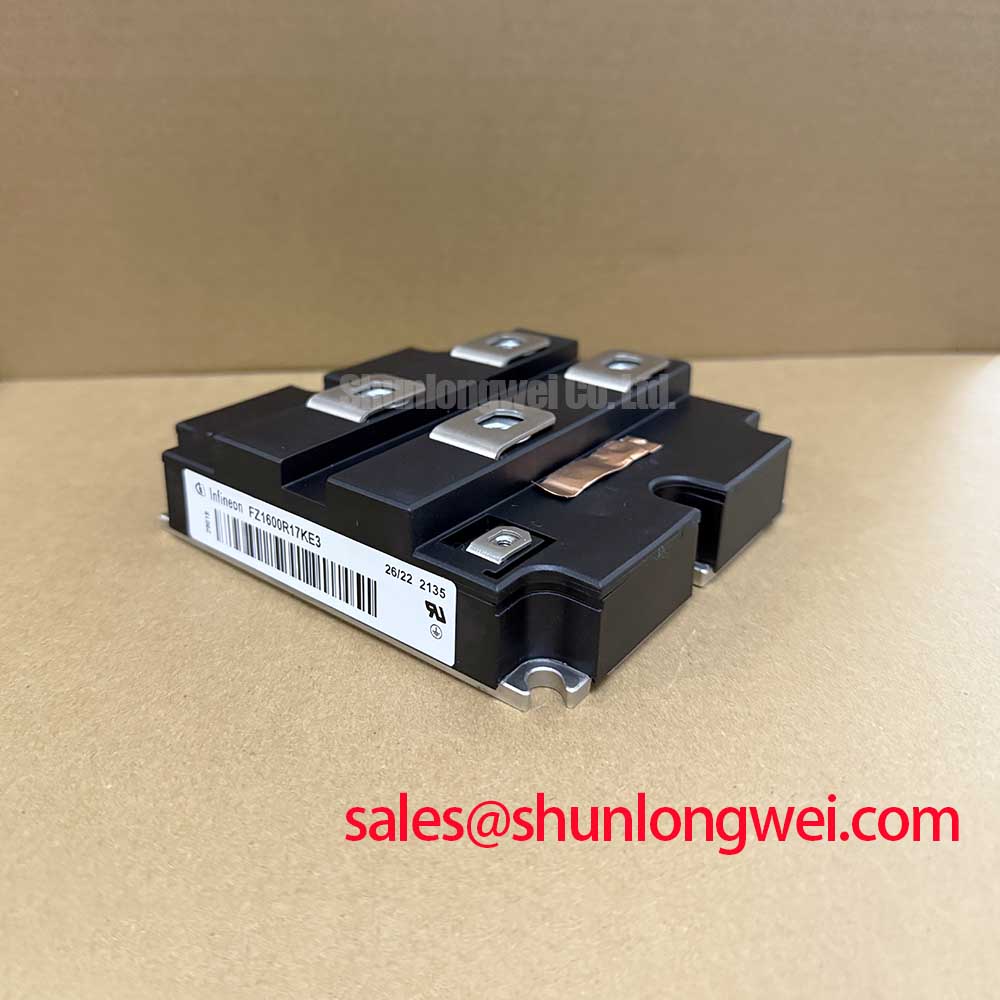
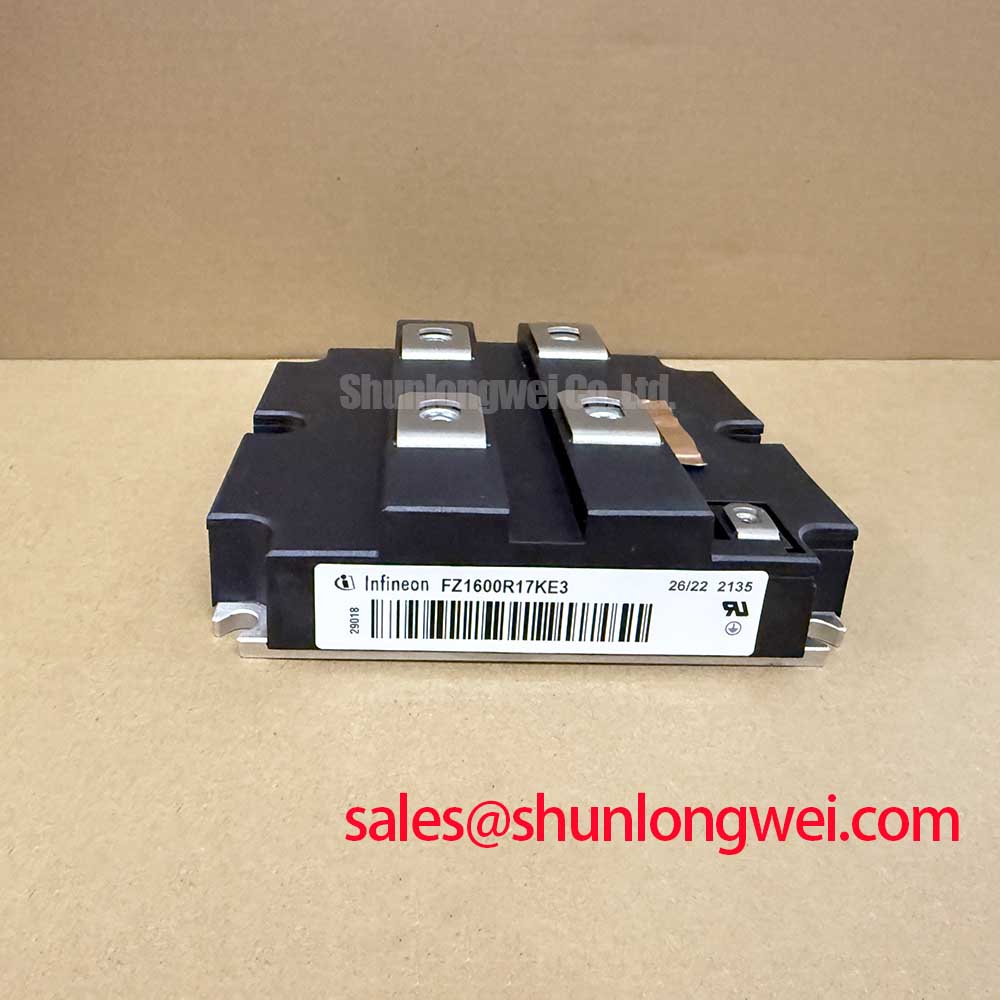
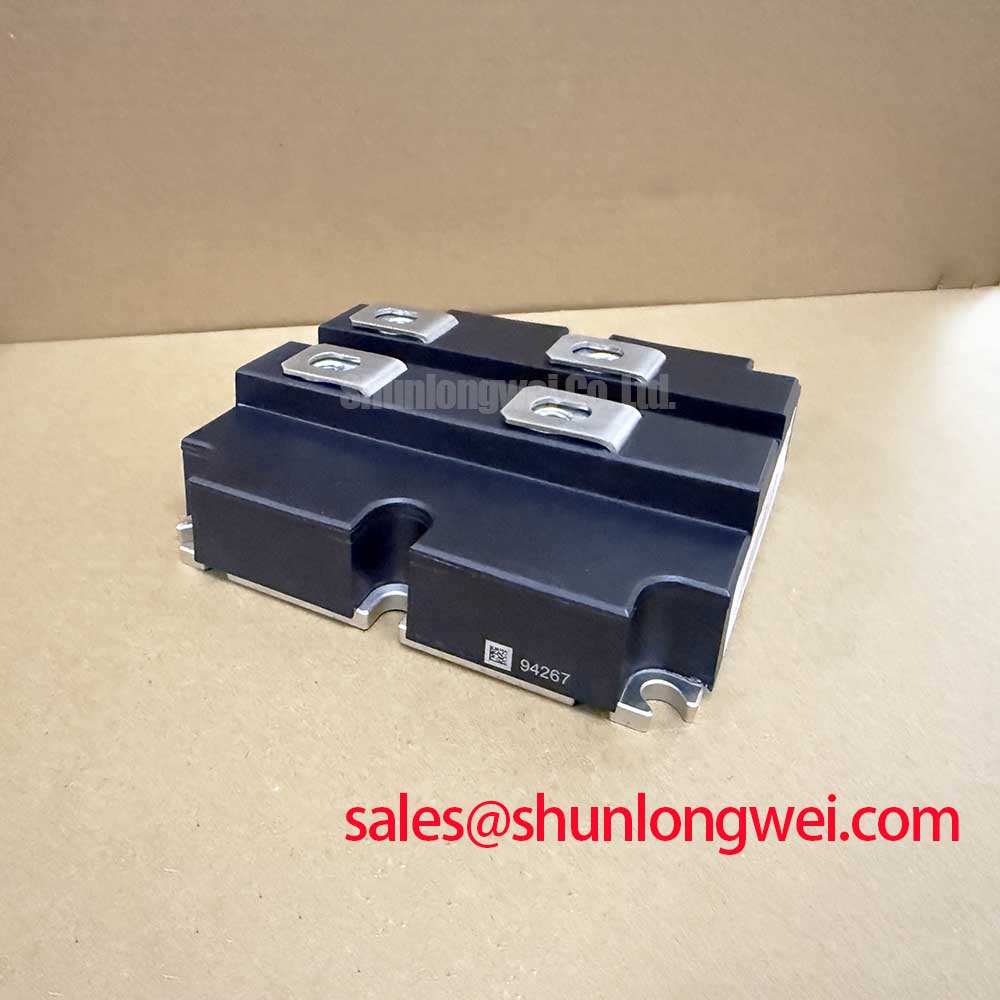
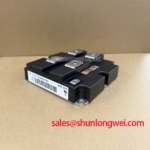
The Infineon FZ1600R17KE3 is a high-current IGBT module rated for 1700 V collector-to-emitter voltage and 1600 A continuous DC collector current at a case temperature of 80°C (Official Specifications). Its 3200 A repetitive peak collector current is a separate rating, not permission to operate continuously above the stated DC current (Official Specification). These limits are relevant when evaluating an existing high-power inverter design, but the module rating alone does not establish compatibility with a particular DC bus or switching waveform.
For a driver that uses an optocoupler or a digital coreless transformer, treat the isolation barrier as a system-level Design Consideration. Check the installed driver’s isolation documentation, board clearances, supply arrangement and measured gate waveform rather than assigning an unverified isolation or common-mode transient immunity rating to the IGBT module. If unexpected gate pulses appear during commissioning, compare driver input and gate-to-emitter traces with a known-good signal path while switching under controlled conditions. Infineon’s PrimePACK module information provides broader packaging context; driver barrier performance still has to be verified for the installed assembly.
Field Diagnostics and Commissioning: Thermal Interface Contact for FZ1600R17KE3
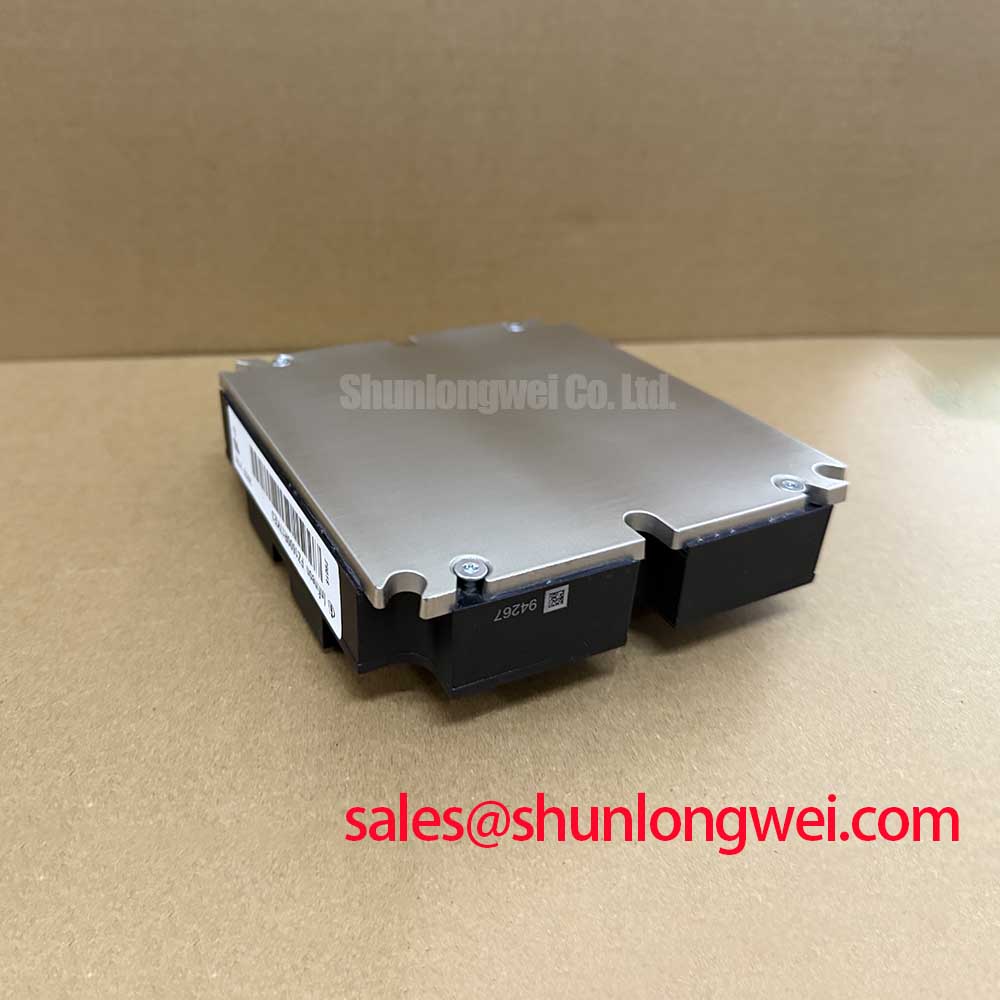
Inspect the mounting surface and the module contact face before disturbing the existing thermal interface. Uneven compound transfer, debris or a seating gap deserves investigation because each can affect heat flow without changing a cold electrical reading. The specified IGBT junction-to-case thermal resistance is 0.012 K/W (Official Specification); it does not include the interface to the heatsink. Apply the equipment maker’s interface-material and fastening instructions, then inspect for even seating rather than treating an assumed compound thickness or screw torque as an Infineon specification for this unit.
At 1600 A and a junction temperature of 125°C, the specified maximum collector-to-emitter saturation voltage is 2.40 V (Official Specification). That test point helps frame conduction-loss and cooling checks, but it is not a measured voltage for every operating condition. If case temperature rises unexpectedly, review current, cooling flow, sensor placement and mounting contact together before attributing the change to the module.
Bench Tip: Keep the gate terminals protected from static discharge and compare cold readings only against a unit measured with the same meter, polarity and temperature conditions. During powered tests, select gate-drive source and sink capability and external gate resistance from the driver design and measured switching behavior. Damping that reduces gate ringing can also change switching loss, so the final setting is system-determined.
Assembly Integrity and Layout: Controlling Hard-Switching Transients
Trace the laminated busbar current path before commissioning and inspect the DC-link connections for loose or uneven joints. As a Design Consideration, minimizing commutation-loop inductance helps limit turn-off voltage overshoot; the required layout is established by measuring collector-to-emitter voltage at the intended current and DC-bus conditions. Ensure the observed peak remains below the module’s 1700 V rating with appropriate design margin, accounting for probe placement and measurement bandwidth.
The specified short-circuit withstand time is 10 µs (Official Specification). Protection design must account for detection, driver propagation and turn-off behavior within the conditions of that rating; the number is not a universal setting for a desaturation circuit. When reviewing a hard-switching event, capture the gate and collector waveforms together. A two-stage soft turn-off or active clamp may be evaluated as a Design Consideration to manage overvoltage, subject to switching tests and the driver’s documented behavior. Gate-loop parasitics and Miller coupling can complicate those traces, so check the physical return path as well as the resistor value.
For cross-reference evaluation, FF45017ME4 is another module listing, not a drop-in recommendation: compare current rating, circuit topology, terminal layout, mounting and gate-drive requirements before considering any substitution. Infineon’s HybridPACK Drive information describes a different module family and should not be used to infer FZ1600R17KE3 mounting or protection specifications.
Field Diagnostics and Commissioning: DC-Bus Margin and Site Conditions
For a utility-scale central solar PV inverter under evaluation, obtain the actual module-position voltage waveform before comparing this 1700 V device with the system’s stated DC-bus voltage. A nominal 1500 V system description does not establish the voltage seen by each switch: topology, operating state and switching overshoot matter. Verify the peak at the module terminals under the equipment maker’s commissioning procedure rather than relying on the nameplate alone.
Altitude and terrestrial radiation can affect power-semiconductor reliability assessments, but no site-specific single-event burnout rate, FIT value or voltage derating can be inferred from the supplied module ratings. Treat those questions as Design Considerations requiring the relevant manufacturer guidance and the installation’s voltage and altitude data. For recurring trips, preserve the fault record, check cooling and gate-drive traces, and compare DC-bus and switching measurements before assigning a cause. The broader Industrial Applications reference provides context for that system review without replacing measurements on the installed inverter.