
Content last revised on September 12, 2026
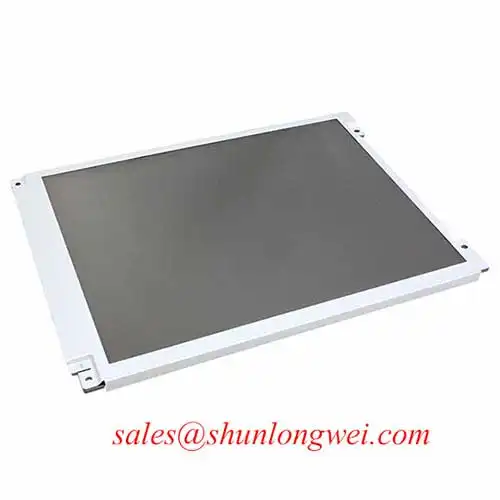
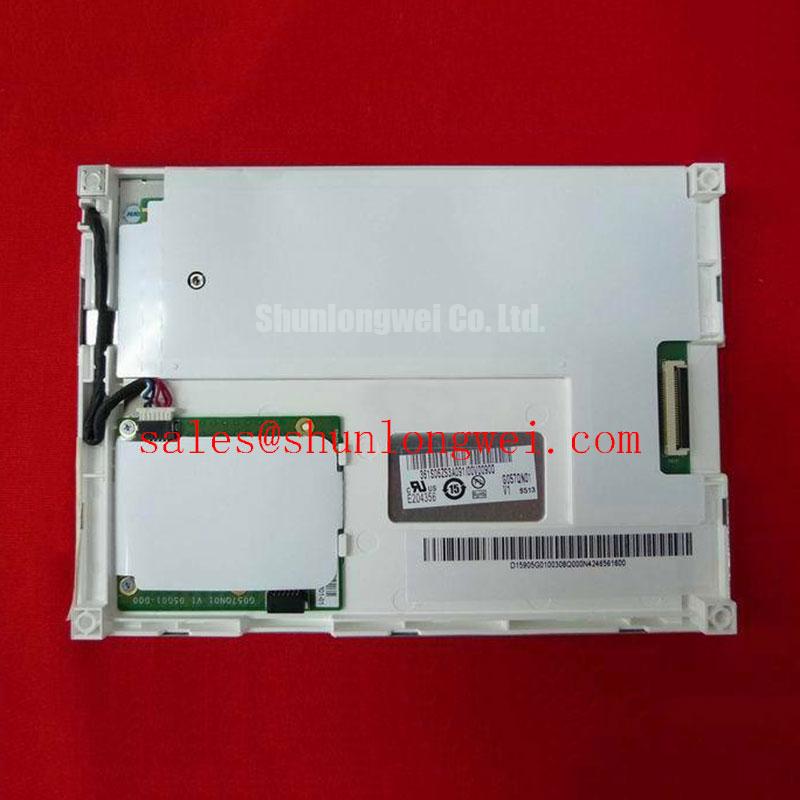
AUO G057QN01 V1 5.7-Inch Rugged Industrial TFT-LCD Panel
The AUO G057QN01 V1 is a high-luminance (800 cd/m²) and wide-temperature (-30 to 85°C) 5.7-inch QVGA display designed to maintain optical clarity in extreme environments. Top Specs: 5.7" | 800 cd/m² | -30°C to 85°C. Key Benefits: Sunlight readable; extreme temperature resilience. Standard displays wash out outdoors, but this panel ensures readability under high ambient light with its high-power backlight. For outdoor HMIs requiring operation at -30°C and 800 cd/m² brightness, the G057QN01 V1 is the optimal choice.
Application Scenarios & Value
Achieving Environmental Resilience in Outdoor HMI Deployments
Engineers often face severe design bottlenecks when deploying display terminals in uncontrolled environments, such as marine navigation, outdoor kiosks, or heavy agricultural machinery. In these settings, standard panels fail due to thermal shutdown or image fading. The AUO G057QN01 V1 addresses these pain points by integrating a -30°C to 85°C operational range and 1.5G (14.7 m/s²) vibration resistance. This ruggedized design ensures mechanical integrity under continuous physical stress.
This robust display is ideal for integrating into smart grid terminals, outdoor charging stations, and marine GPS equipment. Its compact 5.7-inch form factor allows it to fit into space-constrained housings. For systems requiring alternative display interfaces or different performance parameters, the related G057VN01 V2 or the G057QTN01.1 offer comparable footprints but with distinct electrical specs.
Technical & Design Deep Dive
Optimizing Optical and Thermal Performance under Constant Load
To understand the reliability of the AUO G057QN01 V1, we must look at its structural and optical layers, as outlined in this TFT-LCD design guide. First, the 3H hard coating and antiglare surface treatment function like premium polarized sunglasses for the display. Just as polarized glasses eliminate blinding glare on a highway, this micro-textured layer scatters incoming light, keeping the underlying image sharp and legible without blinding reflection. The screen resists micro-scratches from dust and abrasive wiping, preserving optical quality over years of field deployment.
Second, the 800 cd/m² luminance behaves like a high-power tactical flashlight competing against high-noon sunlight. A standard display is easily drowned out by ambient sun, much like a weak candle in a brightly lit room. The G057QN01 V1 cuts through the ambient daylight by projecting a powerful backlight, ensuring high-contrast visibility. To learn more about selecting high-brightness panels, see this sunlight-readable HMIs guide.
On the electrical side, the CMOS 6-bit interface supports 262K colors while keeping electromagnetic interference (EMI) minimal, which is critical for medical HMI and precision industrial controllers. The integrated LED driver circuit regulates voltage supply (VDD typical at 3.3V), reducing the need for external converter boards. For a detailed comparison between standard and rugged displays, read about the TCO advantages of industrial screens.
Here are two quick design takeaways for engineers:
What is the primary benefit of the 800 cd/m² backlight? It ensures clear outdoor readability under direct sunlight.
What does the 3H hard coating protect against? It prevents surface scratches from dust and frequent touch input.
Key Parameter Overview
Decoding the Critical Specifications for Hardware Integration
| Parameter Specification | Value / Details | Engineering Significance |
|---|---|---|
| Model Number | G057QN01 V1 | Industrial-grade TFT-LCD revision |
| Screen Size | 5.7-inch diagonal | Ideal for compact handheld or bezel-mounted HMIs |
| Resolution | 320(RGB) x 240 (QVGA) | Optimized for legacy interface compatibility and low memory overhead |
| Luminance (Brightness) | 800 cd/m² (Typical) | Sunlight-readable output for outdoor use |
| Contrast Ratio | 800:1 (Typical) | Sharp text rendering and clear visual hierarchies based on contrast ratio metrics |
| Operating Temperature | -30°C to 85°C | Prevents optical degradation in arctic cold or desert heat |
| Interface Type | CMOS (1 ch, 6-bit), 33 pins | Low-power, direct-drive interface with minimal EMI profile |
| Backlight Lifetime | 50,000 Hours (Minimum) | Ensures continuous 24/7 operation with replaceable LED design |
| Power Consumption | 3.37W (Typical) | Low thermal dissipation for enclosed, fanless designs |
Download the G057QN01 V1 datasheet for detailed specifications and performance curves.
Frequently Asked Questions
Resolving Common Engineering and Integration Queries
Can the G057QN01 V1 be used in high-vibration heavy machinery applications?
Yes. It features a robust mechanical structure rated for 1.5G (14.7 m/s²) vibration, making it highly suitable for environments subjected to mechanical shock, such as construction equipment.
How does the -30°C to 85°C operating temperature limit affect the display's liquid crystals?
Unlike consumer screens that suffer from sluggish response times in cold temperatures or clearing (blacking out) in extreme heat, this industrial-grade fluid retains its switching speed of 15/10 ms (rise/fall) across the entire range.
Is the LED backlight of the G057QN01 V1 field-replaceable?
Yes. The design features a replaceable LED unit, which allows maintenance teams to swap the light source without replacing the entire 5.7-inch LCD panel, significantly lowering the total cost of ownership.
How does the CMOS 6-bit interface affect compatibility with modern microcontrollers?
It allows direct connection to microcontrollers and single-board computers (SBCs) supporting parallel RGB output, simplifying board layouts.
Opting for displays designed to withstand environmental extremes ensures that field deployments remain active, minimizing maintenance costs and unexpected field failures. Balancing optical performance with electrical efficiency is key to future-proofing industrial systems.