Content last revised on September 10, 2026
KCS3224ASTT-X6: A Robust 5.7" QVGA Display for Industrial HMI Applications
Engineering-Grade Display for Long-Term System Reliability
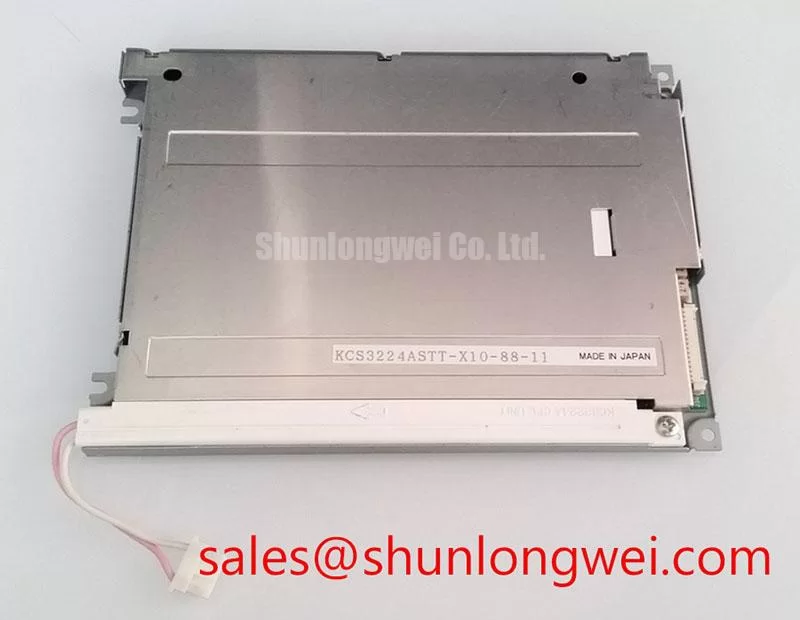
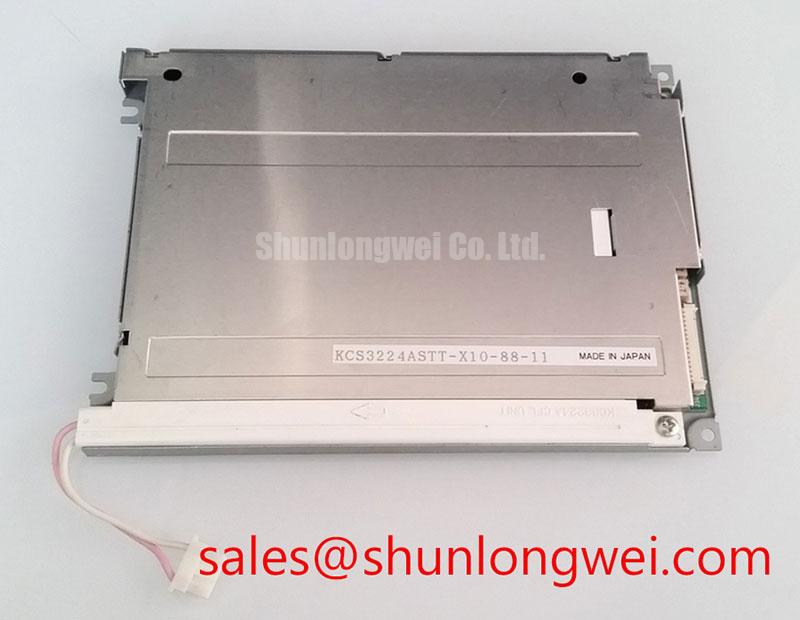
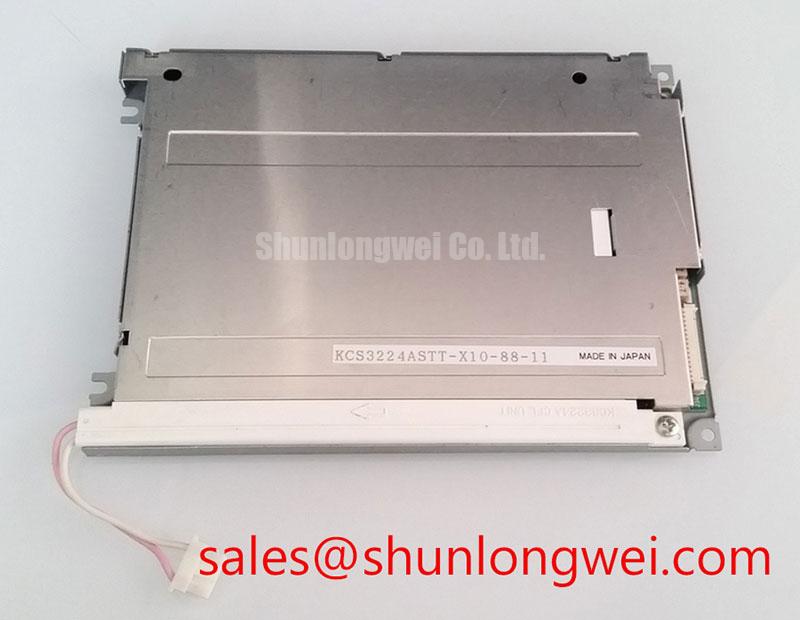
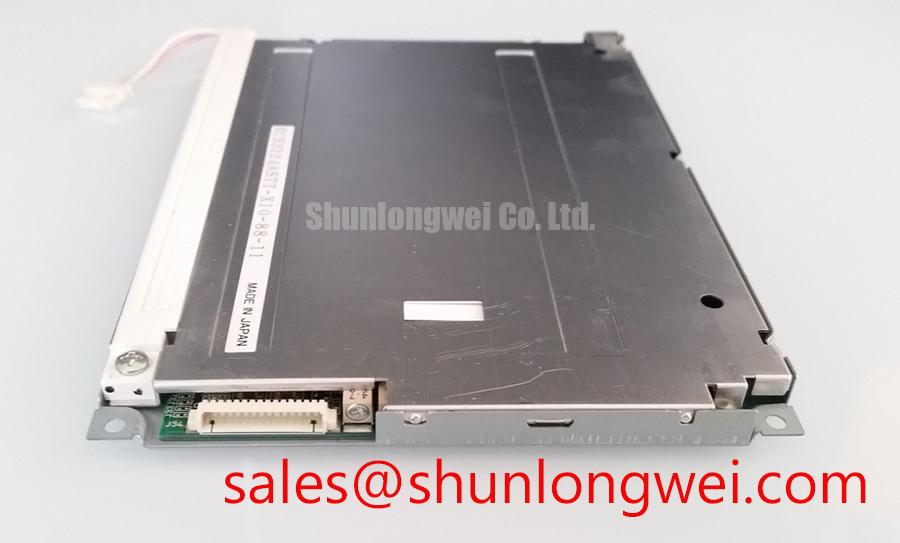
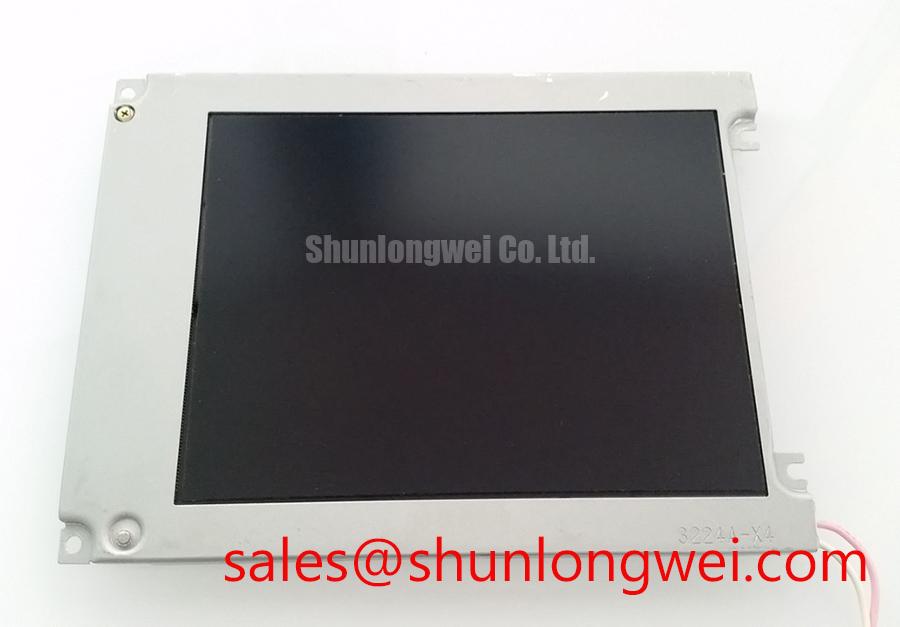
The Kyocera KCS3224ASTT-X6 is a 5.7-inch CSTN-LCD panel engineered for long-term operational reliability in demanding industrial human-machine interfaces and control systems. Delivering essential data with a proven 320x240 QVGA resolution, its core value lies in providing a stable, dependable display solution for environments where uptime is critical. Its key specifications—320x240 QVGA | 0°C to 50°C Operating Range | 25:1 Contrast Ratio—are tailored for functionality and endurance. This display ensures operational continuity in controlled industrial environments and provides clear data visualization for essential control and monitoring tasks. For legacy industrial HMIs requiring a proven and resilient QVGA display, the KCS3224ASTT-X6 offers a benchmark for reliability.
Application Scenarios & Value
System-Level Benefits for Legacy and Space-Constrained Industrial Interfaces
The KCS3224ASTT-X6 is optimized for integration into industrial control panels, legacy system retrofits, and specialized test equipment where a compact, reliable screen is paramount. Its 5.7-inch form factor and QVGA resolution provide an ideal platform for displaying critical process parameters, system status alerts, and simple graphical interfaces without overwhelming the operator.
A primary engineering challenge in maintaining long-service-life industrial equipment is sourcing replacement components that match the original's form, fit, and function to avoid costly system redesigns or recertification. The KCS3224ASTT-X6 directly addresses this. Its 8-bit parallel data interface is a standard in legacy industrial automation, simplifying integration with existing PLCs and embedded controllers. Furthermore, its specified operating temperature range of 0°C to 50°C ensures consistent performance in typical factory floor and control room settings, directly contributing to system uptime and reducing the risk of environmentally induced failures. What is its primary application? Legacy industrial HMI and control panel integration.
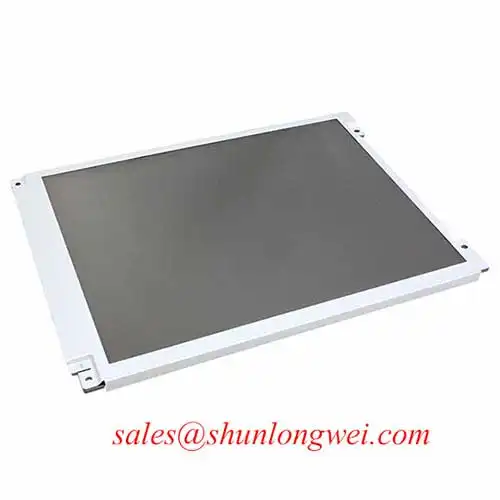
For systems that require similar specifications but may be deployed in different environments, the related KCG057QV1DB-G000 offers another option within the 5.7-inch QVGA category.
Key Parameter Overview
Decoding the Specifications for Dependable HMI Performance
The technical specifications of the Kyocera KCS3224ASTT-X6 are focused on delivering reliable visual performance for industrial applications. Each parameter is selected to ensure durability and clear communication of machine or process data to the operator. What defines the KCS3224ASTT-X6's reliability? Its robust design tailored for industrial environments.
| Parameter | Specification | Engineering Significance |
|---|---|---|
| Display Type | 5.7-inch CSTN-LCD | Color Super-Twist Nematic (CSTN) is a mature technology known for its cost-effectiveness and reliability in displaying non-video content, ideal for static HMI readouts. |
| Resolution | 320(RGB)×240 (QVGA) | Provides sufficient pixel density on a 5.7" screen for clear rendering of text, numerical data, and basic graphical elements in control interfaces. |
| Active Area | 115.2(W) × 86.4(H) mm | Defines the usable screen real estate, a critical dimension for mechanical integration into existing panel cutouts. |
| Operating Temperature | 0°C to 50°C | Ensures reliable operation within enclosed industrial machinery and control rooms, mitigating the risk of display failure due to typical heat buildup. |
| Storage Temperature | -20°C to 60°C | Guarantees the display's integrity during transport and storage in non-climate-controlled warehouses. |
| Contrast Ratio | 25:1 (Typical) | Offers distinct separation between on and off pixels for clear readability of text and numbers in typical indoor industrial lighting conditions. |
| Interface Type | 8-bit Parallel Data | A straightforward and widely supported interface in embedded systems, facilitating easy integration with a variety of microcontrollers and legacy hardware. |
| Supply Voltage | 5.0V (Typical) | Operates on a common logic voltage level, simplifying power supply design and integration into the host system. |
Technical Deep Dive
A Closer Look at the Design Choices for Industrial Endurance
The engineering choices behind the KCS3224ASTT-X6 prioritize stability and longevity over cutting-edge performance metrics, a critical trade-off for many industrial applications. The use of CSTN-LCD technology is a deliberate decision. While modern TFT panels offer faster response times and wider viewing angles, CSTN provides a highly reliable and cost-effective solution for the static or slowly changing graphics typical of an HMI for a Programmable Logic Controller (PLC). Its predictable performance and known failure modes over a long operational life are often more valuable in an industrial setting than the high-speed capabilities required for consumer video.
The transmissive operating mode and a typical contrast ratio of 25:1 are engineered for clarity in the controlled lighting of a factory floor or control room. This is analogous to choosing a clear, high-contrast gauge for an airplane cockpit over a vibrant but potentially reflective tablet screen; the primary goal is unambiguous data delivery. This design focus ensures that operators can read critical information at a glance, improving both efficiency and safety. For a comprehensive overview of how display technologies are adapted for industrial use, see this guide to TFT-LCDs in industrial applications.
Frequently Asked Questions
What is the significance of the 0°C to 50°C operating temperature range for a typical industrial application?
This range ensures the display functions reliably inside machine enclosures or control panels where ambient temperatures are elevated due to surrounding electronics but remain within a controlled indoor spectrum. It guarantees that the liquid crystal and electronic components operate within their specified design limits, preventing issues like slowed response times at low temperatures or degradation at the higher end.
As a CSTN panel, how does the KCS3224ASTT-X6's visual performance compare to modern TFTs?
The KCS3224ASTT-X6 is designed for functional clarity rather than media-rich content. Compared to modern TFTs, it will have a more limited viewing angle (50/50/30/30) and slower response times (220/110 ms Tr/Td). However, for its intended purpose—displaying numerical data, status indicators, and simple graphics in HMI applications—this performance is entirely sufficient and offers a reliable, cost-effective solution.
What are the integration implications of the 8-bit parallel interface?
The 8-bit parallel interface is a classic, straightforward data connection method common in embedded and industrial systems. This simplifies the design-in process, as it is directly compatible with the I/O ports of many microcontrollers and legacy FPGAs without requiring specialized driver ICs like those for LVDS or MIPI interfaces. This makes it an ideal choice for system upgrades or new designs based on established, robust architectures.
How does the 25:1 contrast ratio impact usability in an HMI?
A 25:1 contrast ratio provides a clear distinction between the activated (colored or black) pixels and the background. In a typical industrial environment with overhead lighting, this level of contrast is effective for ensuring that text, numbers, and status indicators are easily legible, reducing the chance of operator error when reading critical process information.