Content last revised on September 10, 2026
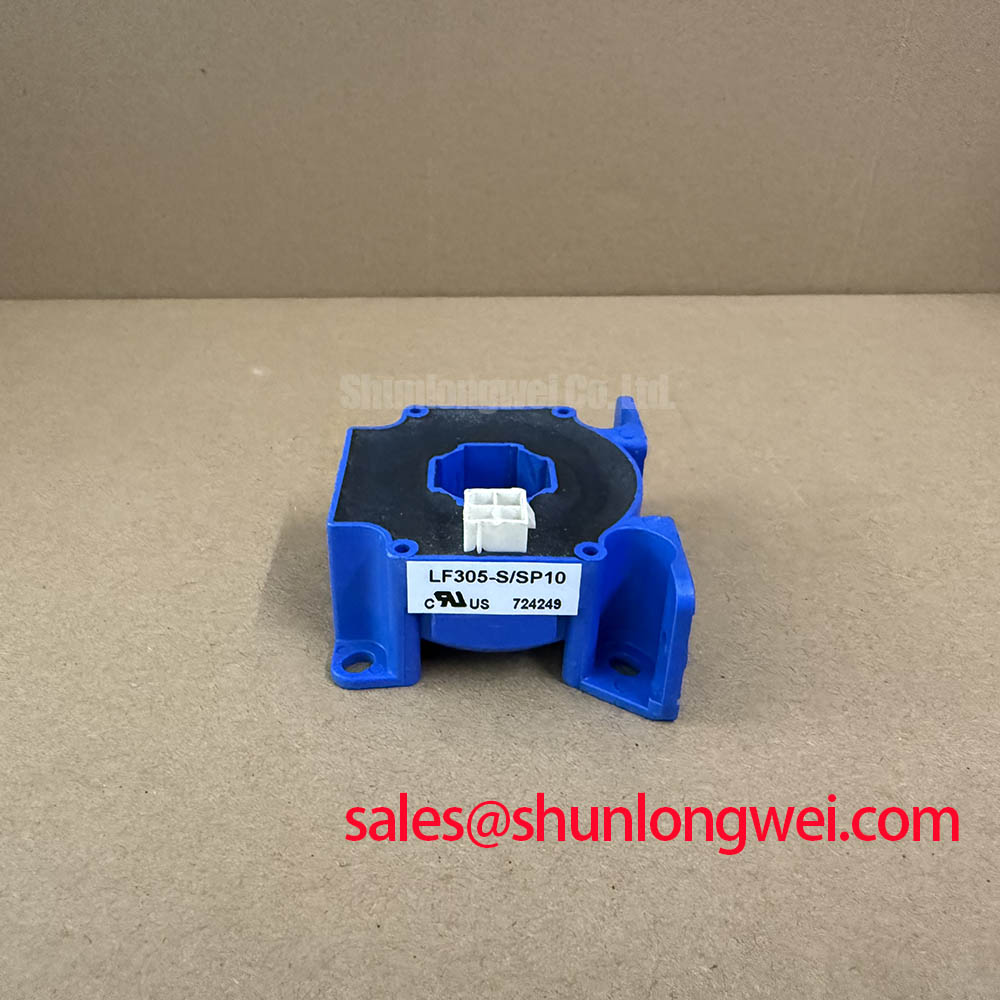
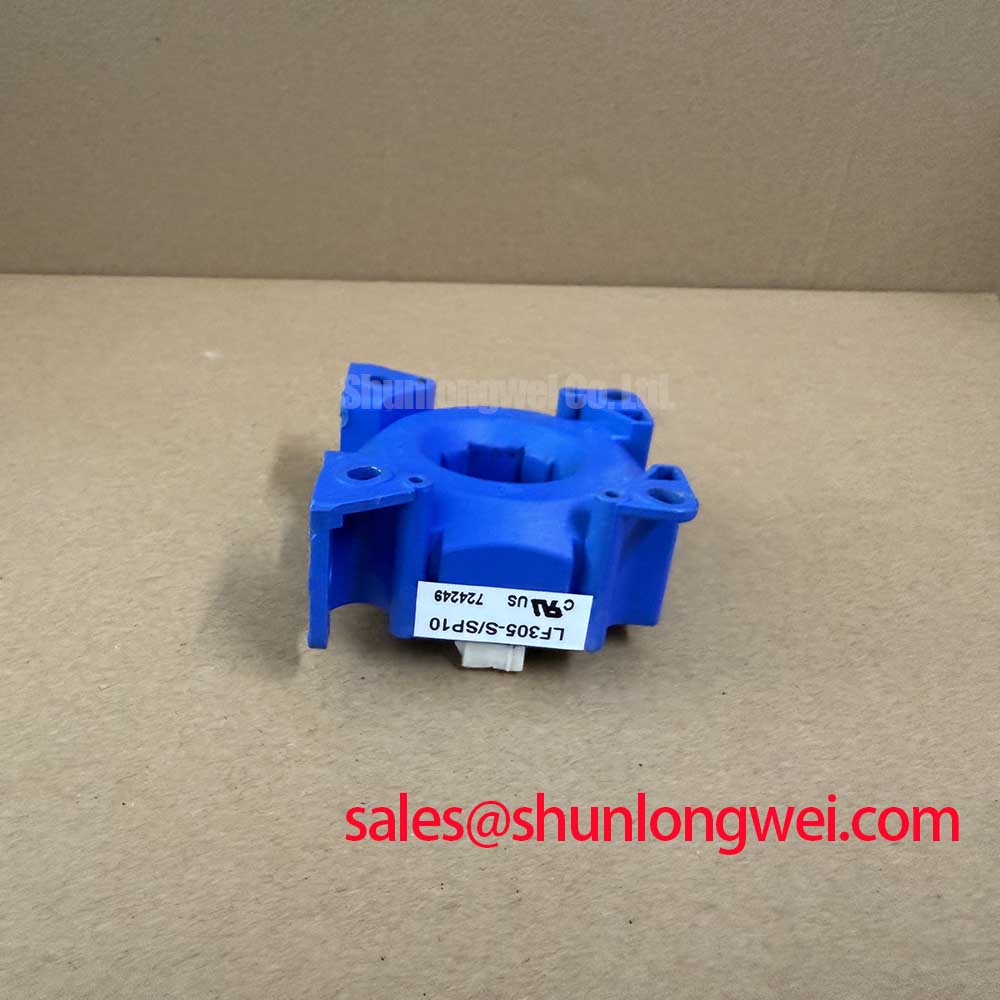
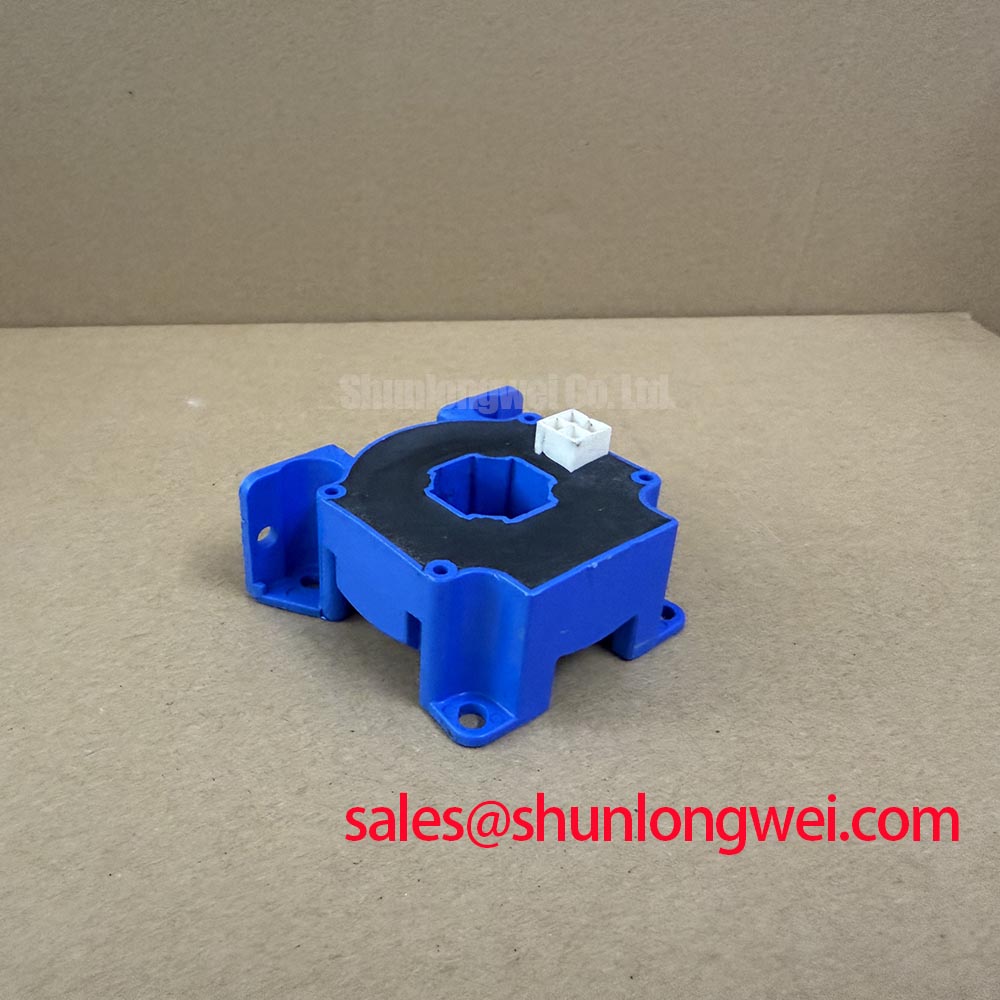
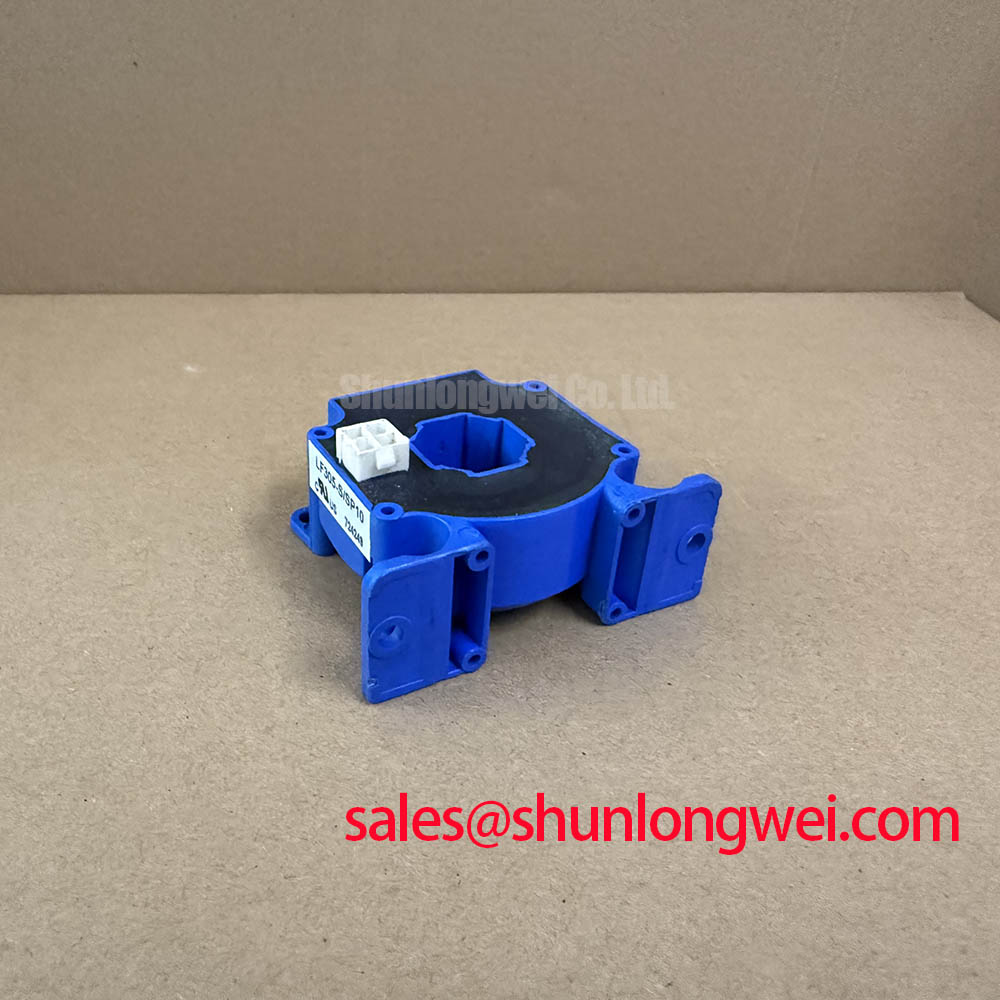
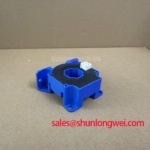
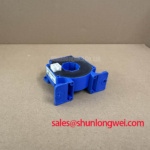
LF305-S/SP10 LEM Current Transducer: 300A High-Precision Closed-Loop Sensing
The LF305-S/SP10, manufactured by LEM, represents a pinnacle in galvanic isolation technology, utilizing closed-loop Hall effect principles to deliver superior accuracy in high-dynamic industrial environments. Designed for engineers who require 300A nominal current measurement with minimal offset, this transducer is a critical feedback component in advanced power conversion systems.
UVP: High-precision closed-loop current sensing for high-dynamic industrial environments, ensuring optimal control loop stability and thermal efficiency.
Top Specs: 300A Nominal | ±500A Measuring Range | 1:2000 Conversion Ratio.
Key Benefits: Zero-flux technology ensures near-zero magnetic offset; Wide frequency bandwidth (DC to 100kHz) for fast transient response.
Core Question: What does the SP10 suffix signify? It indicates a specialized connector or mounting variant optimized for high-density modular power electronics. For industrial motor control requiring 0.5% accuracy, the LF305-S/SP10 provides the necessary feedback fidelity.
Application Scenarios & Value
Achieving System-Level Benefits in High-Frequency Power Conversion
Engineers often face the daunting challenge of signal noise and thermal drift when designing high-power converters, particularly in Variable Frequency Drives (VFDs) and Uninterruptible Power Supplies (UPS). The LF305-S/SP10 addresses these pain points by providing an electronically "stiff" feedback signal that remains accurate even under rapid dv/dt transitions. In a typical industrial motor drive application, precise current sensing is the prerequisite for implementing advanced vector control strategies. By ensuring an accuracy of ±0.5% at 25°C, this transducer prevents torque ripple and improves the overall efficiency of the drive train.
In renewable energy systems, such as Solar Inverters, the LF305-S/SP10 helps in maintaining IEC 61800-3 compliance by accurately monitoring the output current to minimize harmonic distortion. For systems requiring high-power switching capability, this sensor is often paired with high-performance modules like the SKM300GA123D or the FF300R12KE4 to form a robust 300A power stage. When compared to shunt-based sensing, the LF305-S/SP10 offers complete galvanic isolation and significantly lower power losses, which is vital for achieving Industrial 4.0 energy efficiency standards.
Technical & Design Deep Dive
A Closer Look at Closed-Loop Compensation for Long-Term Reliability
The core technology of the LF305-S/SP10 is the closed-loop (compensated) Hall effect. To understand its engineering value, consider the analogy of a perfectly balanced scale. In an open-loop sensor, the magnetic field produced by the primary current simply deflects a needle. In the LF305-S/SP10, the device detects the deflection and automatically applies an equal and opposite magnetic field (the compensation current) to bring the system back to "zero." This zero-flux method effectively eliminates the non-linearity and drift associated with the magnetic core's saturation and hysteresis.
From a design perspective, the 1:2000 conversion ratio means that for a 300A primary current, the secondary output is only 150mA. This enables the use of low-power precision resistors for signal processing, reducing heat generation within the control circuitry. Furthermore, the LF305-S/SP10 acts as an electronic shock absorber for the control loop; its fast response time (typically < 1 µs) allows the IGBT gate drive to react almost instantaneously to overcurrent conditions, significantly reducing the risk of catastrophic failure. Understanding these nuances is part of decoding technical datasheets for optimal system integration.
Key Parameter Overview
Decoding the Specs for Enhanced Control Accuracy
| Parameter | Value / Specification | Engineering Significance |
|---|---|---|
| Nominal Primary Current (IPN) | 300A | Standard rating for medium-power industrial drives. |
| Measuring Range (IPM) | ±500A (at ±24V) | Allows for significant headroom during motor startup. |
| Conversion Ratio (KN) | 1:2000 | Determines secondary current (IS) for burden resistor selection. |
| Overall Accuracy | ±0.5% | Crucial for maintaining high-precision torque control. |
| Supply Voltage (VC) | ±12V to ±24V | Compatible with standard industrial power rails. |
| Frequency Bandwidth | DC...100 kHz | Captures high-frequency harmonics in switching stages. |
Download the LF305-S/SP10 datasheet for detailed specifications and performance curves.
Technical FAQ
How does the 1:2000 conversion ratio specifically benefit my PCB layout?
The 1:2000 ratio scales the 300A primary current down to a manageable 150mA secondary signal. This low current level allows for the use of small-footprint SMD burden resistors and reduces electromagnetic interference (EMI) on the control board, making it easier to maintain signal integrity near sensitive MCU inputs.
Why is the closed-loop architecture superior to open-loop for UPS applications?
In Uninterruptible Power Supplies (UPS), the output waveform must be a clean sine wave. Open-loop sensors suffer from magnetic hysteresis, which can cause DC offset and waveform distortion. The LF305-S/SP10 uses compensation to maintain zero magnetic flux, ensuring an ultra-linear output that is essential for high-fidelity AC synthesis.
What impact does the ±24V supply have on the measuring range?
The measuring range of the LF305-S/SP10 is dependent on the supply voltage. While a ±15V supply might limit the peak measurable current due to secondary voltage saturation, a ±24V supply expands the linear measuring range up to ±500A, providing more safety margin for peak current detection.
Does the LF305-S/SP10 require specific thermal management?
While the device itself is highly efficient, the internal secondary winding and the external burden resistor generate heat. Engineers should ensure adequate airflow around the transducer package and select a burden resistor with a low temperature coefficient to prevent accuracy degradation over the -40°C to +85°C operating range.
Can I use this sensor for DC and AC current simultaneously?
Yes, because it is based on the Hall effect, the LF305-S/SP10 measures both static DC and high-frequency AC components. This is particularly useful for failure analysis where detecting DC injection into AC lines is critical for protection.
For engineering teams designing the next generation of Servo Drives or Solar Inverters, the LF305-S/SP10 offers a balanced combination of precision and ruggedness. Its ability to provide real-time, isolated feedback makes it an indispensable tool for achieving high-efficiency power conversion. As the industry moves toward more compact and intelligent power stages, the role of high-bandwidth sensors remains the cornerstone of system reliability.