Content last revised on September 10, 2026
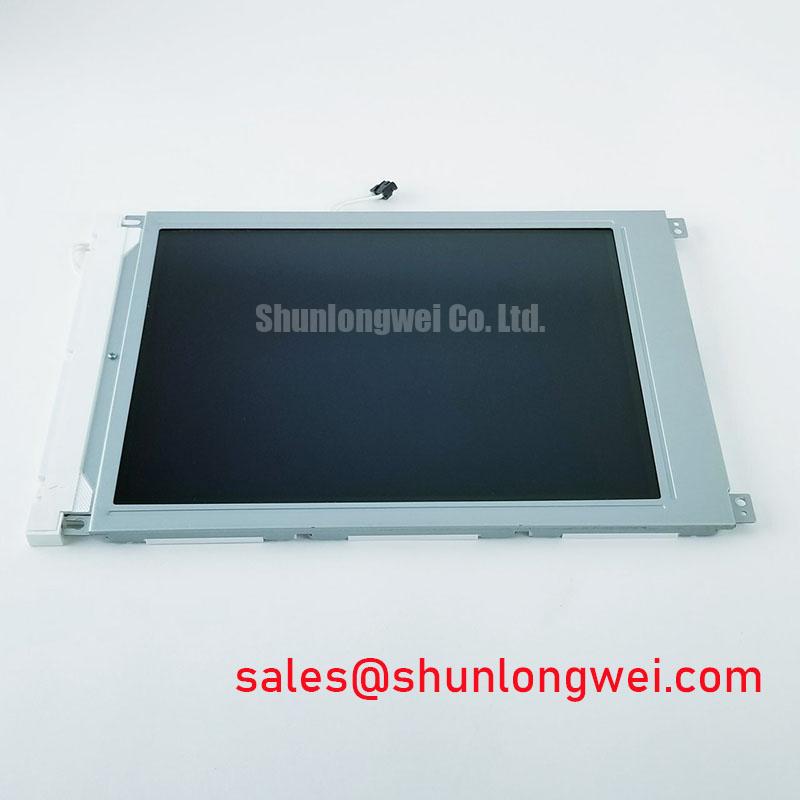
M195FGE-L23 Display Panel: Engineering Reliability in Mid-Sized Interfaces
How do you ensure seamless visual data integration in mid-sized commercial displays without overcomplicating the interface architecture? The M195FGE-L23 delivers high-reliability visual performance via optimal HD+ resolution and a stable backlight system, engineered specifically for continuous-duty commercial applications. This panel centers around three defining specifications: 19.5-inch active area | 1600x900 resolution | 30-pin LVDS interface. These features provide two critical engineering benefits: they streamline overall system integration and enhance long-term optical reliability. Upgrading legacy terminals to a modern 16:9 aspect ratio is simplified through its standardized differential signaling connections. What is the primary benefit of the 30-pin LVDS interface? It ensures high-speed data transmission with minimal electromagnetic interference. For mid-sized commercial kiosks requiring reliable HD+ resolution, this 19.5-inch display is the optimal choice.
Critical Engineering FAQ
Addressing Integration and Interface Hurdles
- How does the 30-pin LVDS interface impact EMI in the final system design?The low-voltage differential signaling architecture inherently cancels out common-mode noise. This characteristic significantly reduces electromagnetic interference, allowing the M195FGE-L23 to maintain signal integrity even in electrically noisy commercial environments.
- Why does the WLED system require an external driver circuit?Providing the WLED backlight without an integrated driver allows engineers complete control over power management. This flexibility lets you match the backlight driving logic precisely to your system requirements, optimizing thermal load distribution away from the core panel.
- Can this panel operate on a legacy 3.3V logic supply?No, the internal timing controller and logic circuitry strictly demand a stable 5.0V input voltage. System designers must ensure the power distribution network delivers exactly 5.0V to prevent logic failure or visual artifacts.
Key Parameter Overview
Decoding the Optical and Electrical Specifications
To support accurate evaluation of TFT-LCD display technology, the core functional parameters are grouped below:
| Functional Group | Specification | Value |
|---|---|---|
| Optical | Resolution | 1600x900 (HD+) |
| Optical | Brightness | 250 cd/m² |
| Optical | Contrast Ratio | 1000:1 |
| Electrical | Interface Type | 30-pin LVDS (2-ch, 8-bit) |
| Electrical | Input Voltage | 5.0V |
| Mechanical | Panel Size | 19.5-inch |
| Mechanical | Illumination | WLED Edge Light |
Technical Deep Dive
Mastering High-Speed Data Integration
Modern visual systems demand precise timing and high bandwidth. The integration of a dual-channel LVDS configuration in the M195FGE-L23 addresses these rigorous requirements directly. Implementing the LVDS interface standard is similar to utilizing a dedicated express lane on a highway; it isolates fast-moving high-bandwidth signals from general system noise to prevent data bottlenecks. This methodology allows the internal TFT matrix to refresh the 1600x900 pixel array smoothly at 60Hz without excessive current draw on the logic board.
Furthermore, managing the optical output requires robust thermal planning. Operating a WLED backlight without an internal driver behaves much like an engine block requiring an external electronic control unit; it shifts the thermal dissipation away from the display matrix while giving designers absolute authority over dimming algorithms. This separation ensures the panel maintains its 250 cd/m² luminance and 1000:1 contrast ratio over an extended operational lifespan, preventing heat-induced color degradation.
Application Scenarios & Value
Deploying HMI Terminals in Commercial Environments
Engineers designing interactive commercial kiosks often encounter the challenge of delivering crisp visual data while keeping the hardware profile slim and power-efficient. The M195FGE-L23 fits perfectly into this niche. In a high-traffic retail kiosk or a diagnostic HMI terminal, the 19.5-inch screen size offers substantial viewing real estate. The 1600x900 resolution ensures fine text and complex graphics remain sharp, eliminating user fatigue.
When engineering standard VESA mounting solutions, the predictable mechanical footprint and standardized 30-pin LVDS connector reduce assembly complexity. If your system faces physical space constraints and requires a more compact visual solution, the 15.6-inch G156XW01 V1 is a viable alternative. Conversely, for projects requiring a larger visual canvas, the 21.5-inch LM215WF3-SLA1 delivers expanded surface area while maintaining rigorous industrial quality.
For procurement teams building scalable HMI display solutions, securing a consistent supply of robust panels is paramount. Evaluate your optical specifications and power budgets carefully to ensure long-term operational success. To streamline your display procurement and verify exact integration parameters, contact our technical sales team today to secure your production allocation.