



Content last revised on September 10, 2026
MG100J6ES50 N-Channel IGBT Module: A Technical Analysis for Motor Control and Power Switching Applications
Introduction to the MG100J6ES50
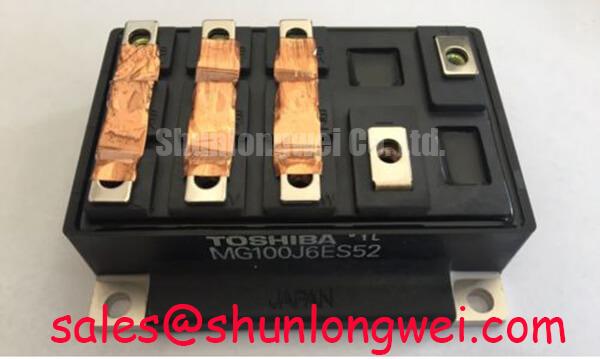
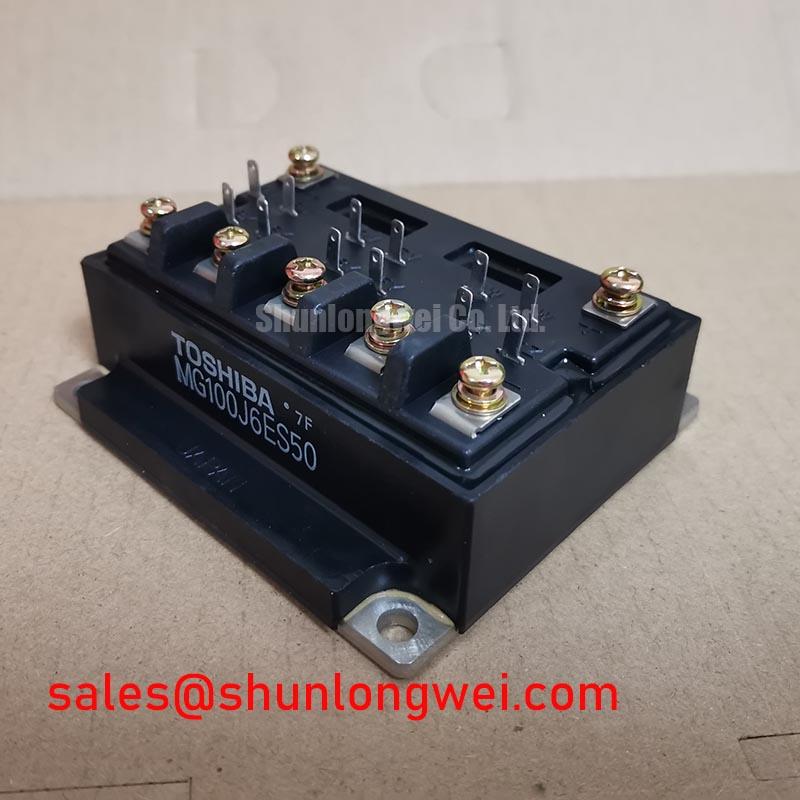
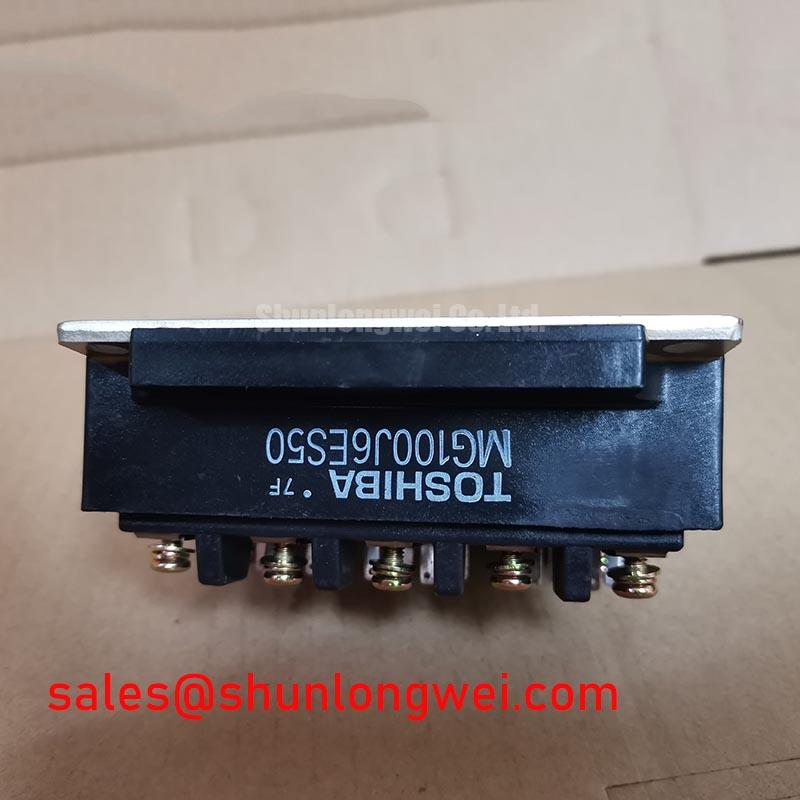
The Toshiba MG100J6ES50 is a 600V, 100A six-pack IGBT module engineered for high-efficiency power conversion in demanding industrial systems. This module integrates six N-channel IGBTs into a single, compact package, offering a robust solution for three-phase inverter stages. Key specifications include 600V VCES, 100A continuous collector current, and a low VCE(sat) of 2.70V (max) at 100A. Its design provides exceptional thermal performance and simplified system assembly. For engineers developing motor drives or switching power supplies where minimizing conduction losses and ensuring reliable operation under load is critical, the MG100J6ES50's low saturation voltage makes it a highly effective choice. What is the primary benefit of its integrated six-pack design? It significantly simplifies the power stage layout and assembly for three-phase inverter systems.
Application Scenarios & Value
Driving Efficiency and Reliability in Three-Phase Motor Control
The MG100J6ES50 is specifically engineered for the high-power switching and motor control applications that form the core of modern industrial automation. Its primary application is in the inverter stage of Variable Frequency Drives (VFDs) and servo drives, which are essential for controlling the speed and torque of AC induction motors. In a typical VFD, the challenge is to manage the power flow efficiently to the motor while minimizing heat generation within the drive itself. The MG100J6ES50's low collector-emitter saturation voltage (VCE(sat)) of 2.70V at its nominal 100A rating directly addresses this challenge. A lower VCE(sat) translates to reduced conduction losses during operation—think of it as less electrical "friction." This reduction in wasted energy means less heat is generated, allowing for smaller heatsinks, higher power density, and ultimately a more reliable and cost-effective drive system. This module is particularly well-suited for systems operating in the 5 to 30 kW power range, such as industrial conveyors, pumps, fans, and CNC machinery. For applications requiring a higher blocking voltage, designers might consider the BSM150GT120DN2, which offers a 1200V rating.
Key Parameter Overview
Critical Specifications for System Design
The following table highlights the essential electrical and thermal characteristics of the MG100J6ES50, based on the official datasheet. These parameters are crucial for accurate system modeling, thermal management design, and performance validation.
| Parameter | Symbol | Conditions | Value | Unit |
|---|---|---|---|---|
| Absolute Maximum Ratings (Ta=25°C) | ||||
| Collector-Emitter Voltage | VCES | VGE = 0V | 600 | V |
| Gate-Emitter Voltage | VGES | VCE = 0V | ±20 | V |
| Collector Current (DC) | IC | 100 | A | |
| Collector Current (1ms Pulse) | ICP | 200 | A | |
| Collector Power Dissipation (per IGBT) | PC | TC = 25°C | 390 | W |
| Junction Temperature | Tj | 150 | °C | |
| Electrical Characteristics (Ta=25°C) | ||||
| Collector-Emitter Saturation Voltage | VCE(sat) | IC = 100A, VGE = 15V | 2.70 (Max) | V |
| Gate-Emitter Leakage Current | IGES | VGE = ±20V, VCE = 0V | ±500 | nA |
| Collector Cut-off Current | ICES | VCE = 600V, VGE = 0V | 1.0 | mA |
| Forward Transconductance | gfs | IC = 100A, VCE = 10V | 60 | S |
| Switching Characteristics (Ta=25°C) | ||||
| Turn-On Time | ton | IC = 100A | 1.0 (Max) | µs |
| Switching Time | ts | 1.5 (Max) | ||
| Fall Time | tf | 0.30 (Max) | ||
| Integrated Diode Characteristics (Ta=25°C) | ||||
| Forward Voltage | VECF | IF = 100A, VGE = 0V | 2.5 (Max) | V |
| Reverse Recovery Time | trr | IF = 100A | 0.15 (Max) | µs |
Download the MG100J6ES50 datasheet for detailed specifications and performance curves.
Industry Insights & Strategic Advantage
Meeting the Demands of Industrial Automation and Energy Efficiency
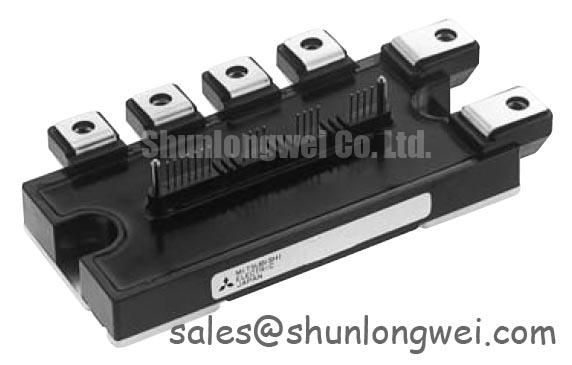
The integration of components like the MG100J6ES50 is a direct response to key industry trends: the push for greater energy efficiency and the increasing complexity of industrial automation systems. Global initiatives and regulations mandating higher efficiency for electric motors and the drives that control them place a premium on power semiconductor performance. The MG100J6ES50's architecture supports the design of compact and efficient VFDs, which are critical tools for reducing the energy consumption of industrial processes. Furthermore, the reliability of this module is paramount in an Industry 4.0 context, where system uptime is directly linked to productivity. Its integrated design, featuring six IGBTs and co-packaged freewheeling diodes in a single module, reduces component count and simplifies assembly, which can lead to higher manufacturing yields and improved field reliability compared to solutions based on discrete components. This strategic integration aligns with the need for robust, power-dense solutions that can operate reliably in harsh industrial environments, from factory floors to automated logistics centers. Manufacturers like Mitsubishi are similarly advancing IGBT technology to meet these evolving industrial demands.
Frequently Asked Questions (FAQ)
What is the primary benefit of the MG100J6ES50's VCE(sat) of 2.70V at 100A?
A low VCE(sat) directly minimizes conduction power losses (calculated as VCE(sat) * IC), which is the dominant loss mechanism in many motor control applications. This results in less heat generation, allowing for more compact thermal management solutions (e.g., smaller heatsinks), improving overall system efficiency, and enhancing long-term reliability by reducing thermal stress on the component.
How does the integrated six-pack configuration of the MG100J6ES50 benefit system design?
By housing all six IGBTs required for a three-phase inverter bridge in a single, electrically isolated package, the module significantly simplifies the mechanical and electrical layout of the power stage. This reduces assembly time, minimizes stray inductance between switches, and provides a more predictable and reliable thermal interface to the heatsink compared to using multiple discrete components.