


Content last revised on September 10, 2026
Toshiba MG400H1FL1 High-Speed IGBT Module: Optimizing Efficiency in Industrial Power Systems
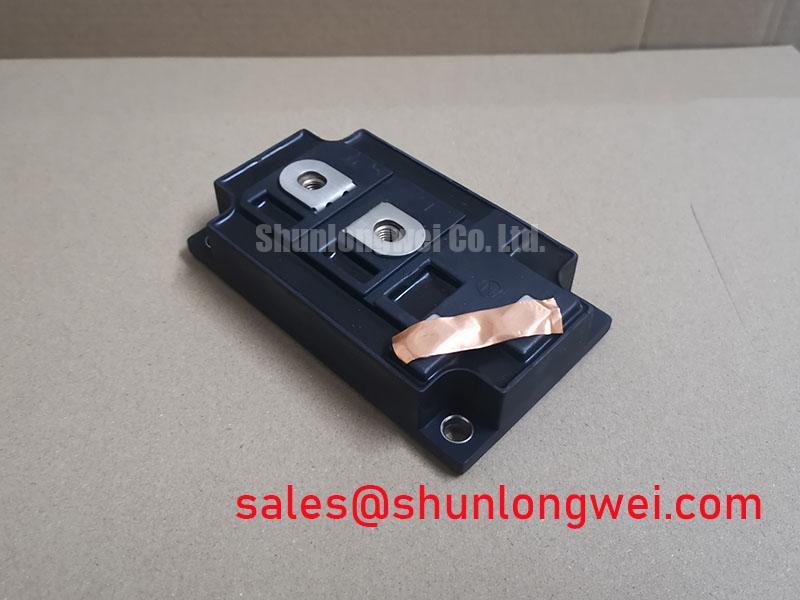
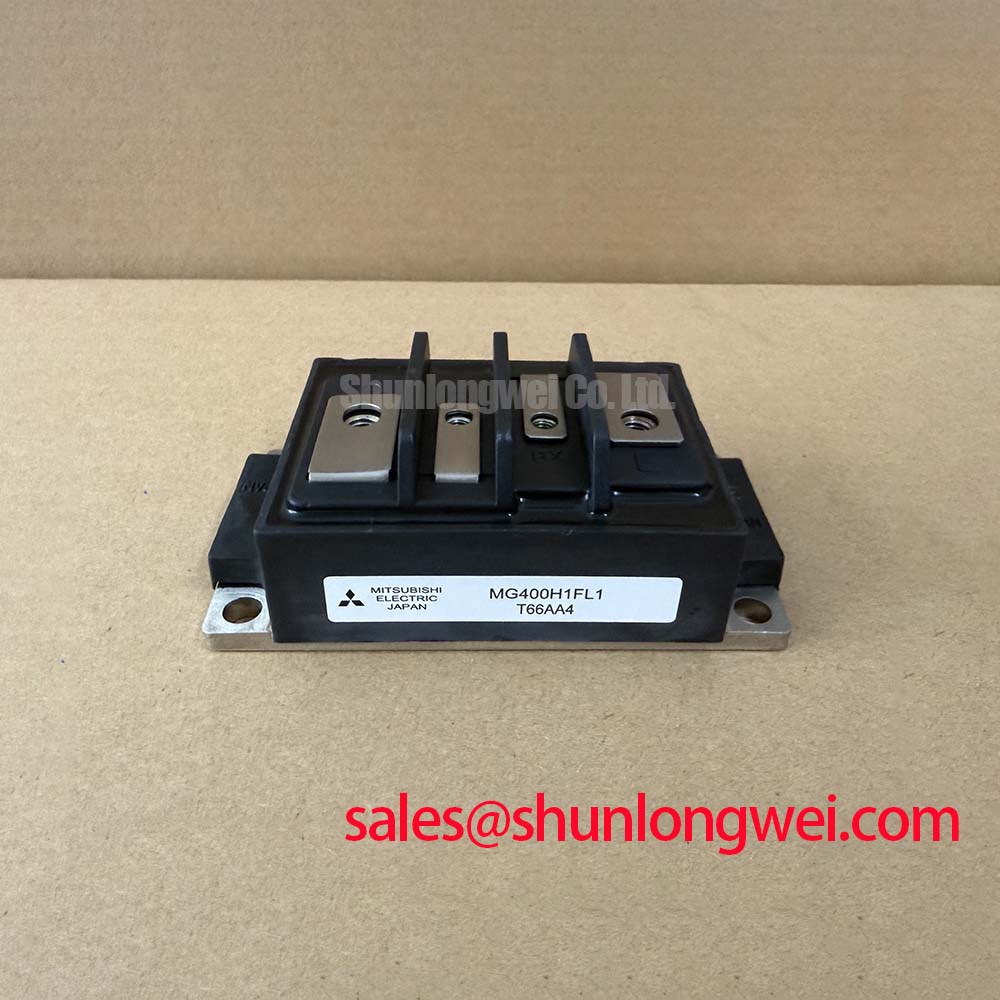
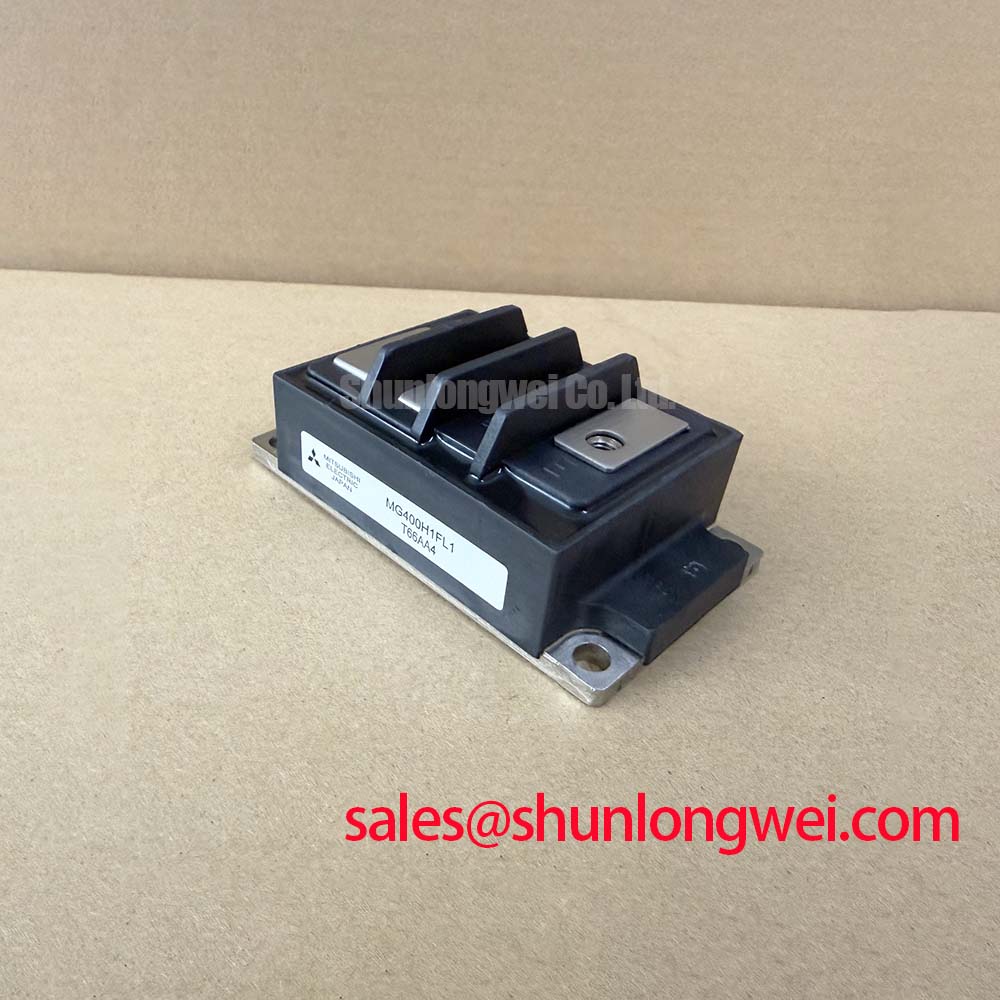
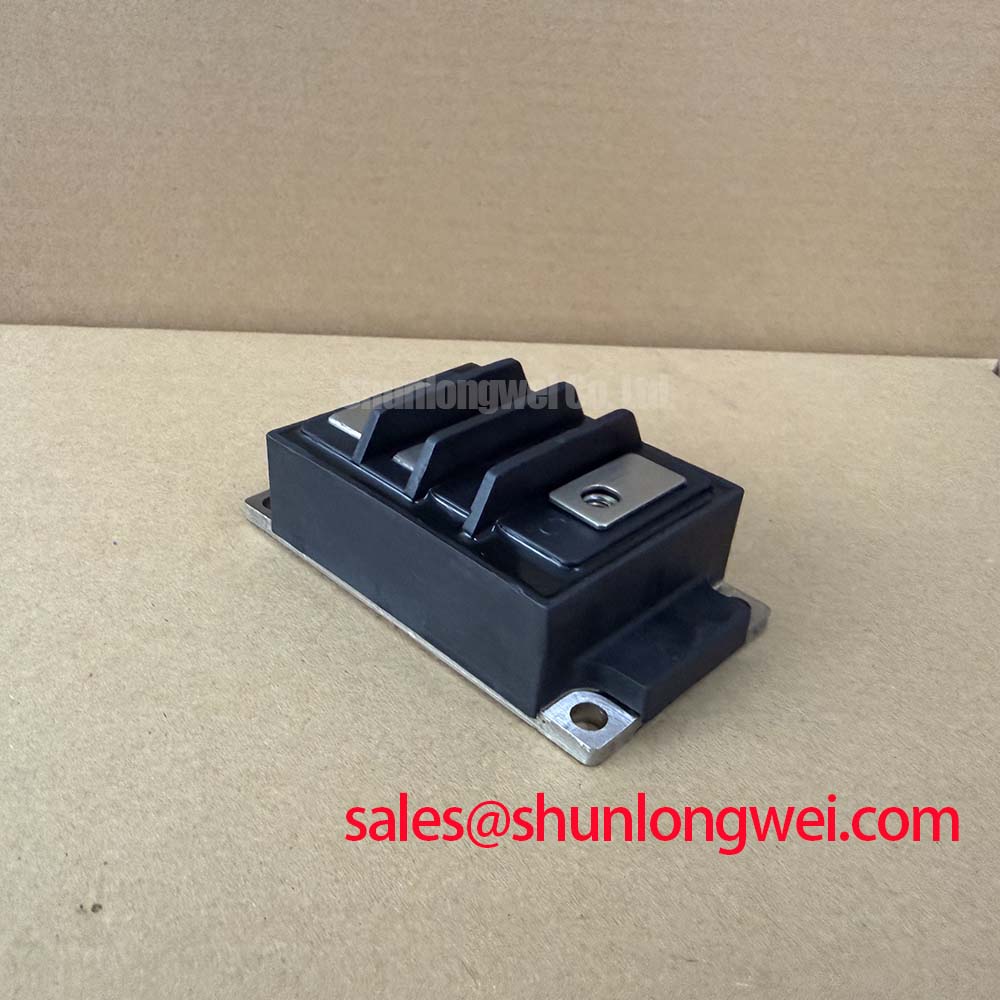
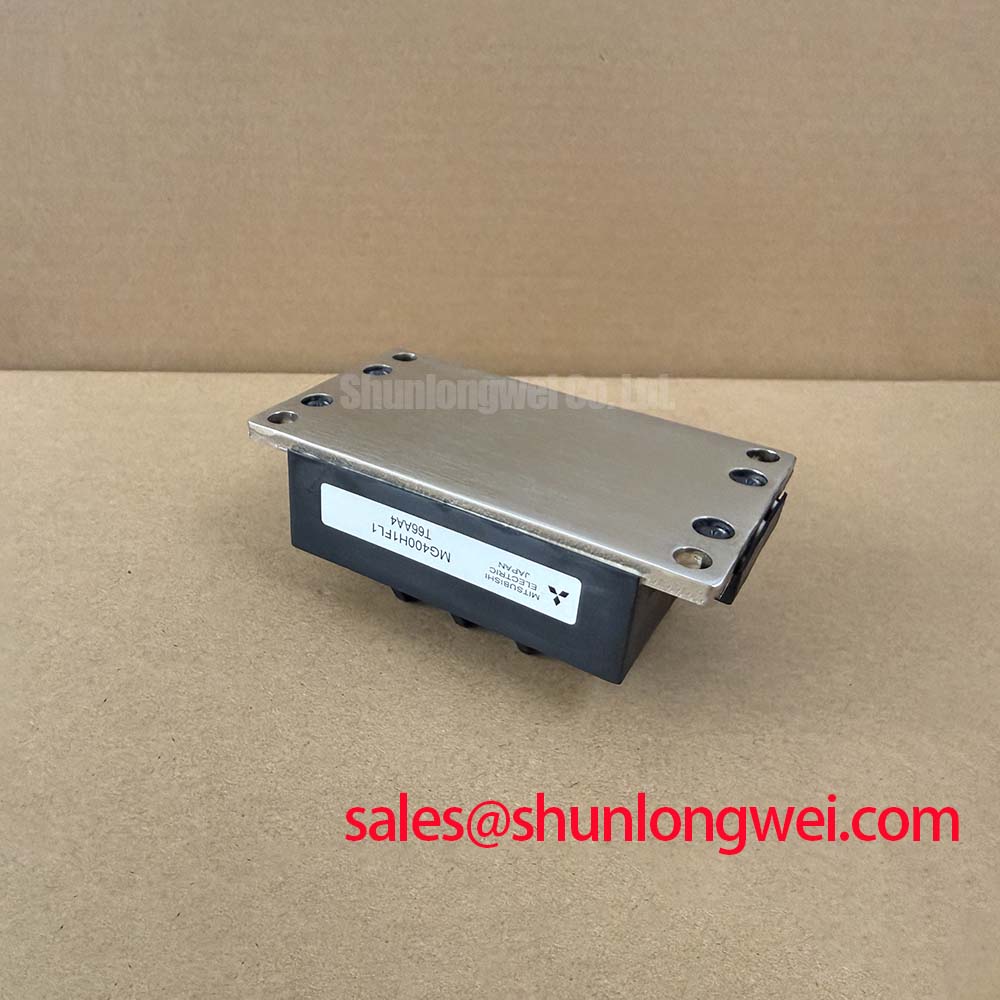
The Toshiba MG400H1FL1 represents a sophisticated engineering solution within the high-power IGBT landscape, specifically designed for high-speed switching applications. As a trade distributor, we recognize that for OEM engineers and procurement specialists, selecting a module like the MG400H1FL1 is a decision based on achieving a precise balance between power density and switching performance. This module provides a robust 600V collector-emitter voltage rating combined with a substantial 400A collector current capacity, making it a staple in demanding industrial environments.
The primary value of the MG400H1FL1 lies in its specialized semiconductor structure, which is optimized to reduce turn-off switching losses, thereby allowing for higher carrier frequencies without the typical thermal overhead. What is the primary benefit of its high-speed switching capability? It enables the use of smaller, more cost-effective passive components in the final system design. For industrial motor drives and power conversion stages requiring high current handling and minimal switching delay, this 600V 400A module is the optimal choice.
Application Scenarios & Value
Achieving System-Level Benefits in High-Frequency Power Conversion
Engineers often face the challenge of managing thermal dissipation while trying to increase the switching frequency of Variable Frequency Drives (VFD) or Welding Power Supplies. The MG400H1FL1 addresses this by offering a low switching loss profile, which is critical for reducing the size of heat sinks and cooling systems. In typical Uninterruptible Power Supply (UPS) architectures, the ability of the MG400H1FL1 to handle 400A continuously allows for high power density in compact rack-mount systems.
In high-precision motion control applications, such as large-scale Servo Drives, the module’s consistent performance ensures stable torque control and energy efficiency. While this 600V module is ideal for standard industrial mains, systems requiring higher voltage overhead for 480V AC lines may find the 1200V-rated MG400Q2YS60A a more appropriate technical alignment. Conversely, for lower power stages where 150A is sufficient, the MG150Q2YS50 provides a similar high-speed architecture in a smaller footprint.
Technical & Design Deep Dive
Advanced Commutation and Gate Control for High Reliability
The internal architecture of the MG400H1FL1 is built upon Toshiba's proven GTR (Giant Transistor) technology lineage, refined into the modern IGBT format. A key technical differentiator is the module's Vce(sat) characteristics. By maintaining a low saturation voltage even at peak currents, the MG400H1FL1 minimizes conduction losses, which, when paired with its high-speed switching capability, results in a very competitive total power loss profile. This is essentially analogous to a high-performance engine that maintains fuel efficiency both at idle and at high speeds.
Thermal management is further enhanced by the module's isolated base plate design. The thermal resistance from junction to case (Rth(j-c)) is minimized through the use of advanced ceramic substrates, which ensures that heat is efficiently transferred to the external sink. This reliability is paramount in 24/7 industrial operations where downtime translates directly to financial loss. To understand how these parameters affect your specific topology, we recommend reviewing our resource on balancing voltage, current, and thermal management.
Key Parameter Overview
Decoding the Specs for Enhanced Thermal Reliability
| Parameter | Technical Specification | Engineering Significance |
|---|---|---|
| Collector-Emitter Voltage (Vces) | 600V | Provides sufficient margin for 240V/380V AC applications. |
| Collector Current (Ic) | 400A | Supports high-torque motor starts and heavy-duty loads. |
| Collector Power Dissipation (Pc) | 2100W (Approx. at 25°C) | Indicates the maximum thermal handling capacity of the package. |
| Switching Time (tf) | High Speed (Typical <0.5µs) | Enables higher PWM frequencies with reduced energy loss. |
| Package Style | Standard Module | Proven footprint for industry-standard mounting and busbars. |
Frequently Asked Questions
Engineering Insights for Practical Design Implementation
How does the switching speed of the MG400H1FL1 impact the selection of the Gate Drive?
Given the MG400H1FL1's high-speed characteristics, a high-current Gate Drive with low impedance is necessary to quickly charge and discharge the gate capacitance. This ensures the module stays within its Safe Operating Area (SOA) during high-frequency transitions, preventing parasitic turn-on events. Proper gate drive design is essential for the long-term health of the module.
What are the cooling requirements for the MG400H1FL1 when operating at its full 400A rating?
Operating the MG400H1FL1 at 400A requires active thermal management. Engineers must ensure the junction temperature stays below the rated maximum (typically 150°C). This usually involves a liquid-cooled cold plate or a high-performance forced-air heatsink. Calculating the thermal stack-up, including the thermal interface material (TIM), is a critical step in preventing over-temperature failure.
From a strategic perspective, the Toshiba MG400H1FL1 is more than just a switch; it is a critical component in the transition toward more energy-efficient industrial power grids. As industries move toward higher automation and power density, modules that offer reliable, high-speed switching will continue to be the backbone of modern power electronics. For a broader perspective on how these components fit into the global landscape, explore our analysis of the 2025-2026 IGBT market outlook.