
Content last revised on September 10, 2026
Addressing the Thermal Constraint in Compact Multi-Axis Drive Design
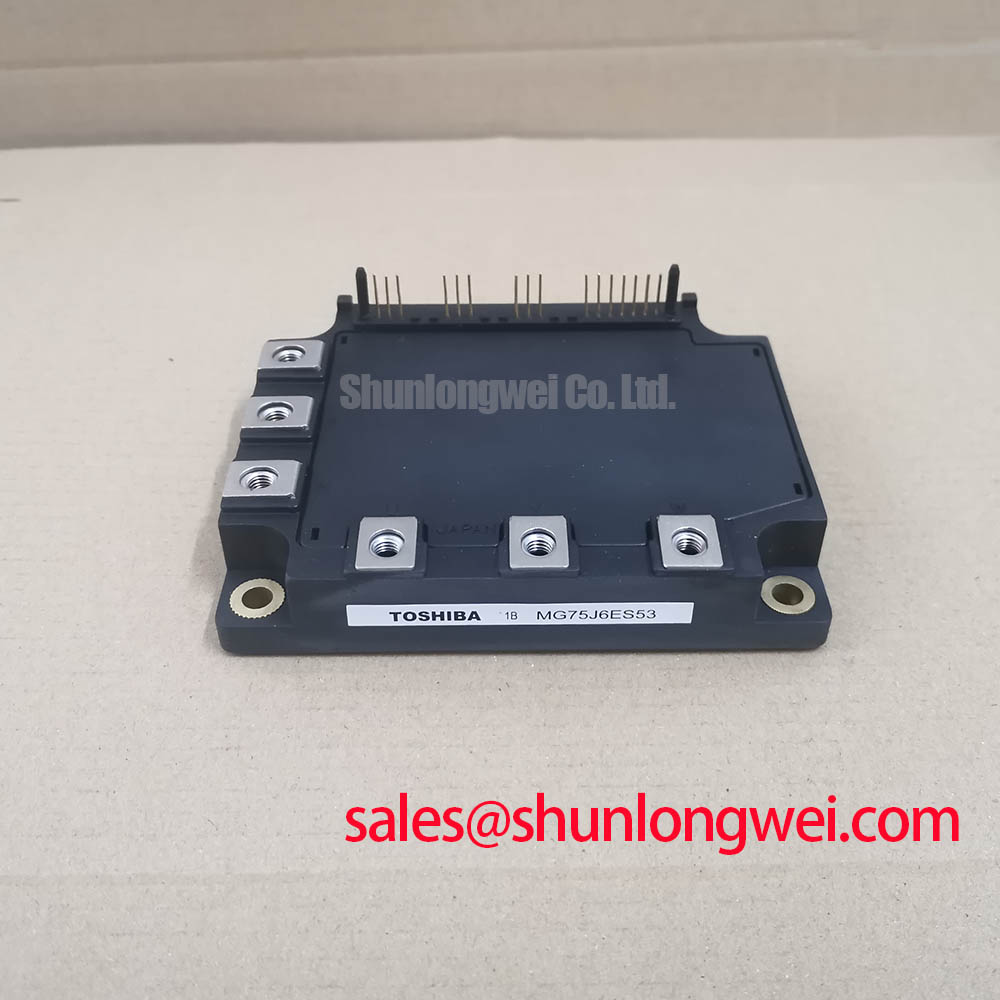
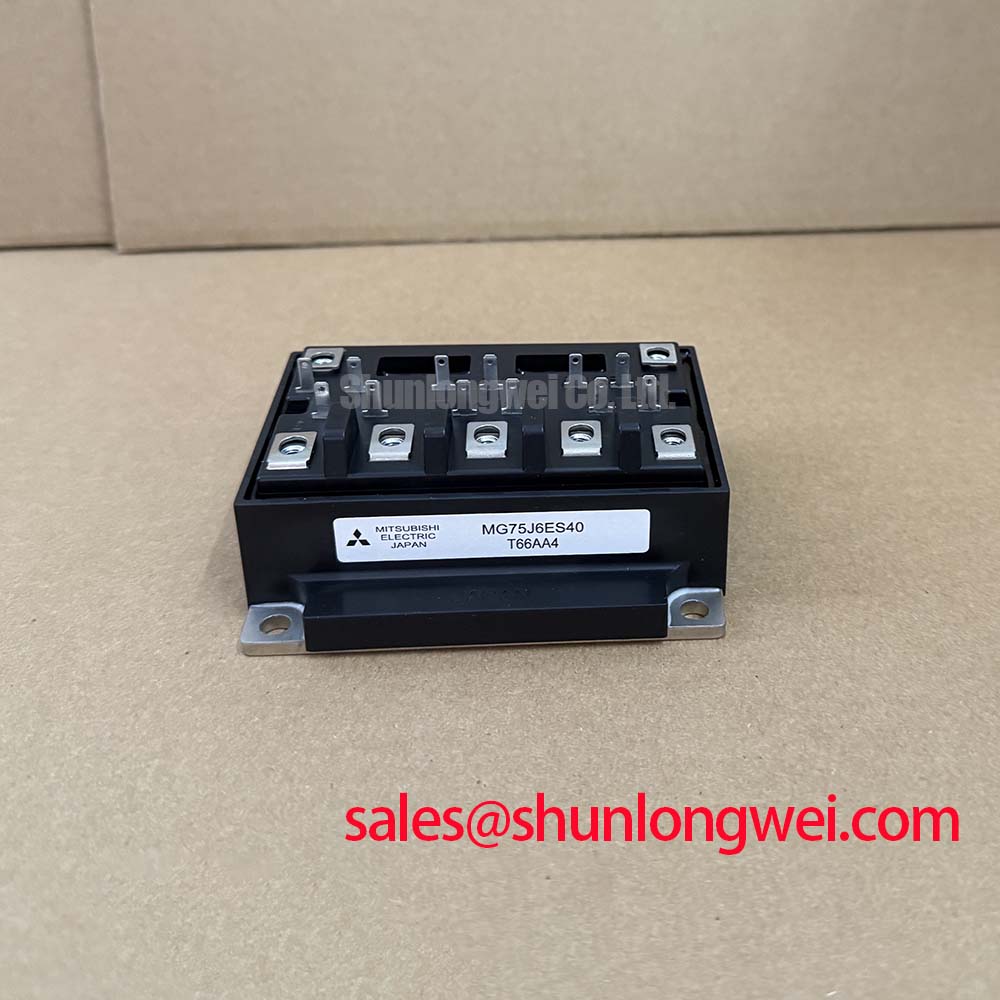
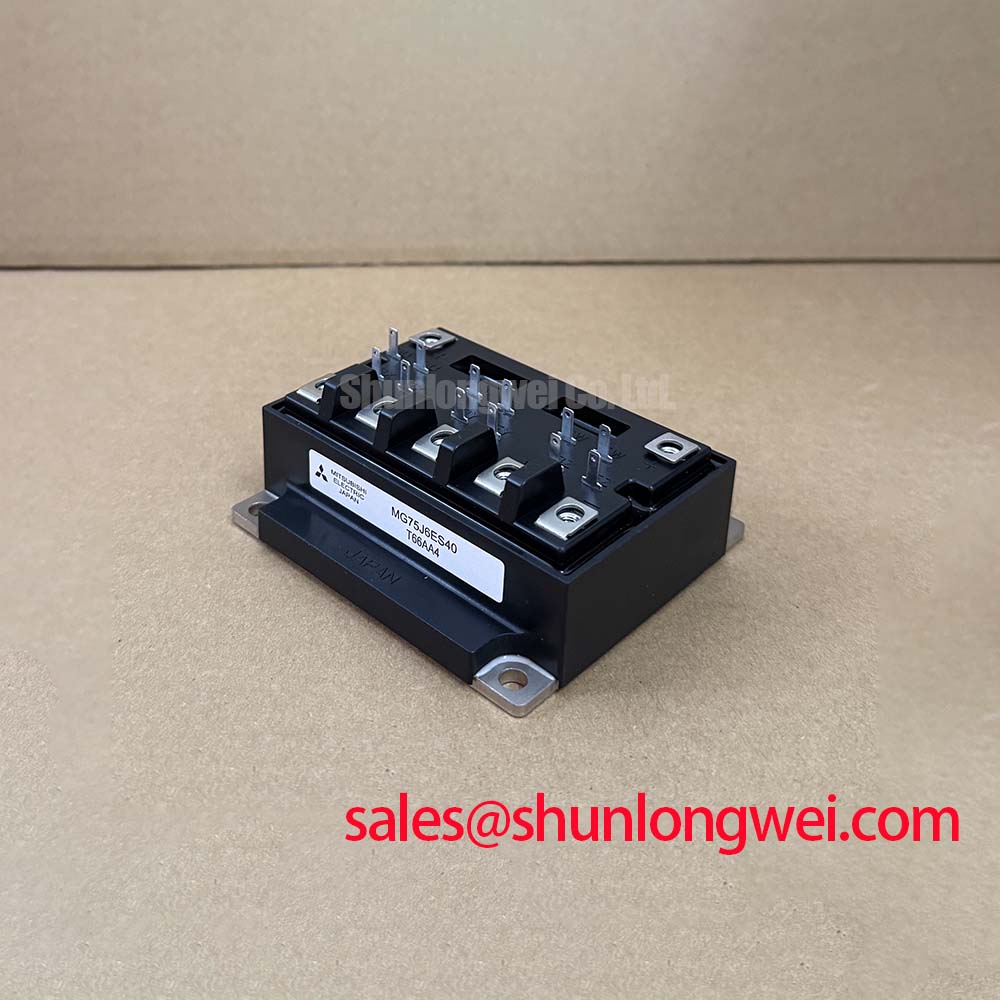
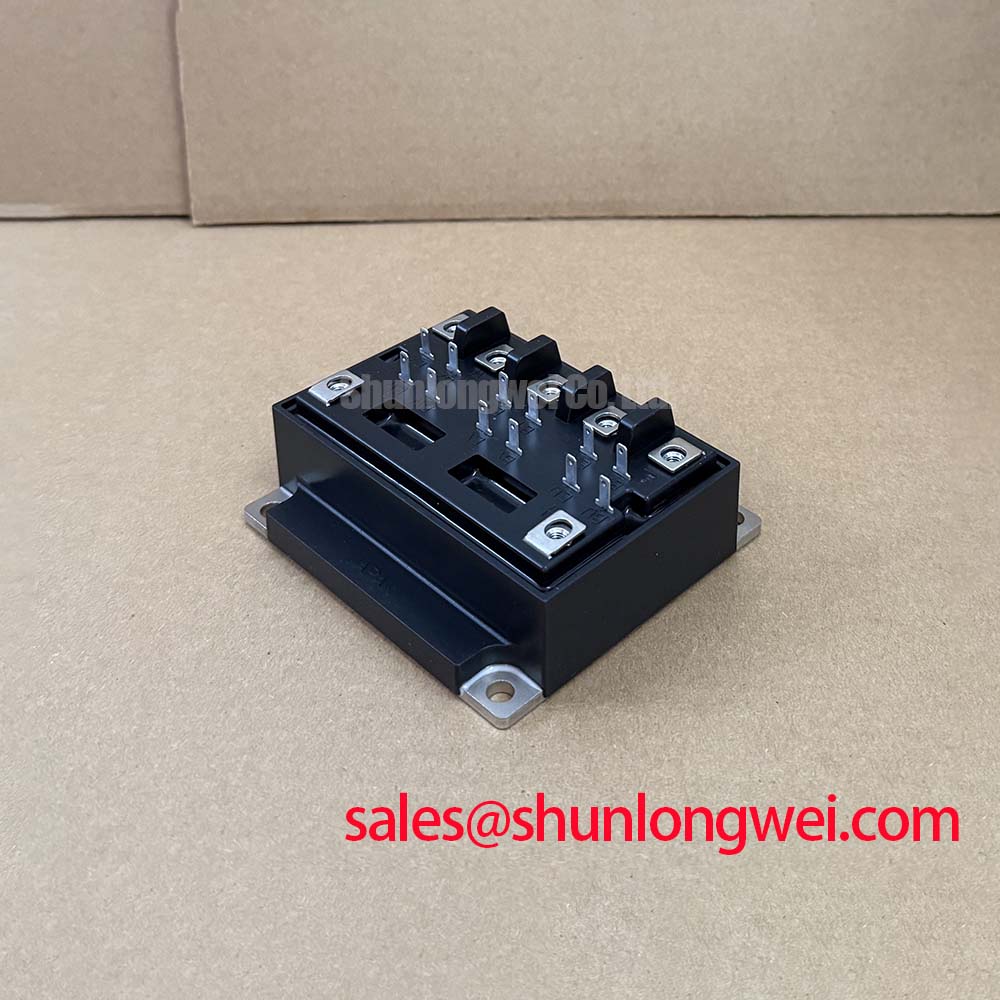
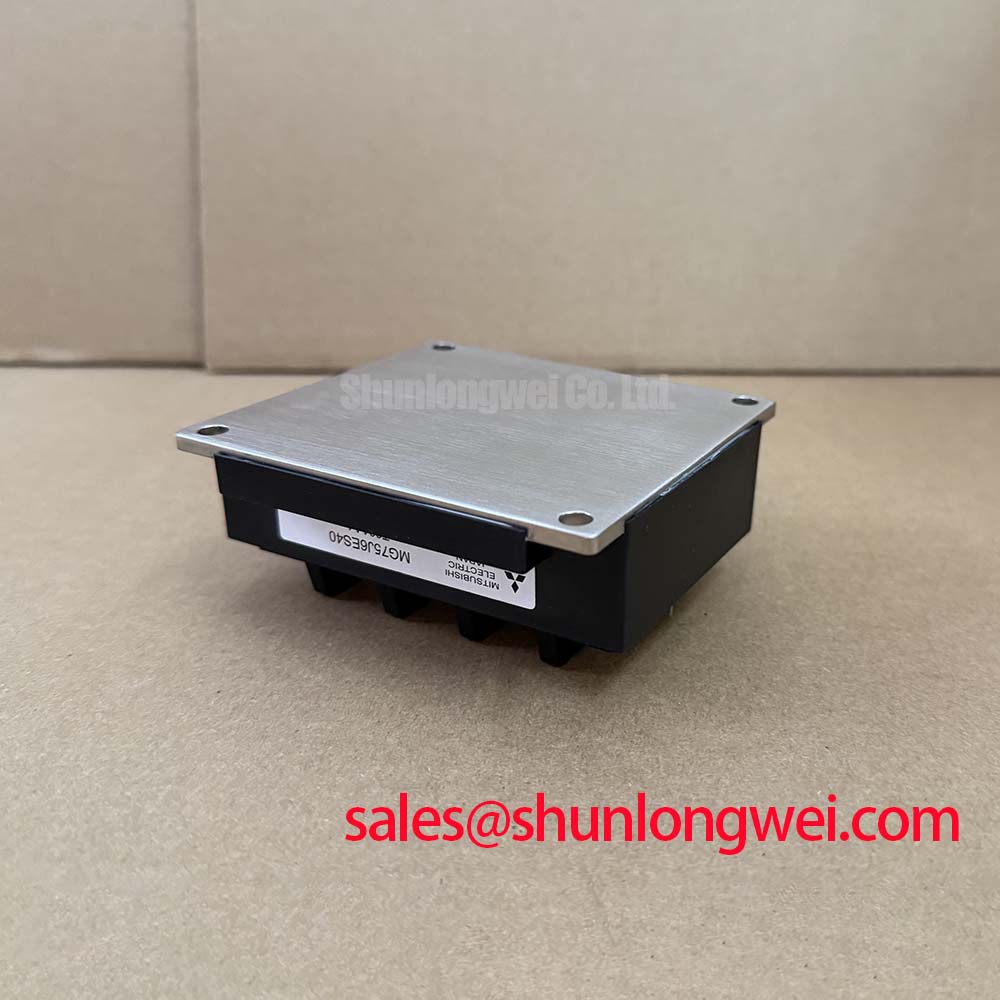
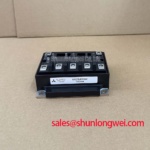
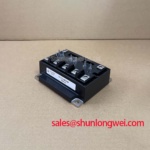
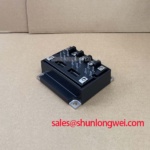
How can power electronics engineers reduce the physical footprint of an inverter stage without compromising on thermal headroom or switching reliability? In the pursuit of higher power density, the choice of a power module often determines the boundary between a robust design and a system prone to thermal runaway. The Toshiba MG75J6ES40, a specialized 600V 75A GTR (IGBT) module, is specifically architected to answer this challenge by integrating six silicon-gate IGBT chips into a single, compact, and isolated package.
600V | 75A | Vce(sat) 2.1V (Typ.) | 2500V Isolation
By utilizing a low-saturation voltage silicon structure, this module significantly minimizes conduction losses, while its isolated 6-pack topology simplifies mechanical assembly and reduces parasitic inductance. For engineers prioritizing long-term stability in 3-phase motor control, the Toshiba MG75J6ES40 provides the precise data-driven reliability needed to sustain continuous duty cycles in harsh industrial environments.
For 400V AC drive systems requiring optimized thermal margins and integrated 3-phase switching, the MG75J6ES40 stands as the definitive choice.
Quick Answers for Integration Engineering
Expert Clarifications on Key Integration Hurdles
How does the Vce(sat) of 2.1V (Typical) directly impact the selection of a heatsink for a 75A load?
The Vce(sat) represents the "voltage toll" the current pays when passing through the IGBT. At 75A, a 2.1V drop generates approximately 157W of instantaneous conduction loss per switch. This low value allows designers to utilize smaller aluminum extruded heatsinks or reduce forced-air cooling requirements compared to earlier generations of bipolar modules. Lower conduction loss translates directly into a higher Power Density, a critical metric for modern compact Variable Frequency Drives (VFDs).
What is the engineering significance of the 2500V AC isolation rating for the MG75J6ES40?
Isolation is the primary safety barrier between the high-voltage power stage and the low-voltage control logic. The 2500V AC (for 1 minute) rating ensures that the module meets international safety standards for industrial equipment, effectively preventing catastrophic failures or electrical noise from migrating to the microcontroller or gate driver. This high dielectric strength is essential for systems operating in noisy environments where transient voltage spikes are common.
How do switching losses at 15kHz influence the choice between the MG75J6ES40 and higher-spec models?
The MG75J6ES40 is optimized for standard industrial switching frequencies. If your application requires ultra-high frequency operation (above 20kHz) to eliminate audible noise, the related MG75J6ES50 offers a different trade-off in switching speed. Understanding the Eon and Eoff curves in the datasheet is vital for balancing electromagnetic interference (EMI) with overall thermal efficiency.
Decoding the Specs for Enhanced Thermal Reliability
Technical Specifications and Metric Interpretation
The following parameters are extracted from the official Toshiba documentation to assist in the precise calculation of safe operating areas (SOA).
| Feature | Specification Details | Engineering Value |
|---|---|---|
| Collector-Emitter Voltage (Vces) | 600V | Ideal for 200-400V AC input applications |
| Collector Current (Ic) | 75A (Continuous) | Supports mid-range industrial motor loads |
| Vce(sat) (Collector-Emitter Saturation) | 2.7V (Max) / 2.1V (Typ) | Reduces conduction heating significantly |
| Isolation Voltage (Visol) | 2500V AC (1 Minute) | Ensures compliance with UL/IEC safety norms |
| Junction Temperature (Tj) | -40°C to +150°C | Extended range for extreme environments |
| Package Configuration | 6-Pack (Compact isolated) | Simplifies 3-phase inverter layout |
To interpret these specs effectively, consider Vce(sat) as the internal resistance of a pipe; a wider pipe (lower voltage drop) allows more water (current) to flow with less friction-induced heat. This efficiency is the cornerstone of IGBT reliability, as heat is the primary driver of semiconductor aging.
Industry Insights & Strategic Advantage
The Evolution of 6-Pack Topology in Smart Manufacturing
The shift toward Industry 4.0 demands smaller, smarter, and more integrated power stages. The Toshiba MG75J6ES40 reflects a strategic move toward "Integrated Power" where the reduction of discrete components leads to higher Mean Time Between Failures (MTBF). By housing six IGBTs and six fast-recovery diodes in one module, Toshiba has effectively minimized the loop area, which is the primary source of stray inductance.
Strategically, using a 6-pack module like the MG75J6ES40 reduces the Bill of Materials (BOM) complexity and assembly time. In high-volume production of Servo Drives, this leads to a lower Total Cost of Ownership (TCO) compared to using multiple discrete TO-247 packages. Furthermore, as global energy regulations like IEC 61800-9-2 become stricter, the low-loss characteristics of this module help manufacturers achieve higher efficiency classes for their drive systems.
For engineers looking to master the nuances of these components, understanding the hybrid structure of the IGBT is essential for predicting performance under varying load conditions.
Achieving System-Level Benefits in High-Frequency Power Conversion
High-Fidelity Engineering Scenarios for the MG75J6ES40
In a typical industrial Variable Frequency Drive (VFD), the MG75J6ES40 is tasked with converting DC bus voltage into a modulated 3-phase AC output. A common challenge in these systems is the high inrush current during the startup of a heavily loaded induction motor. The MG75J6ES40 handles this with a robust Peak Collector Current rating, ensuring the module survives the transient surge without entering desaturation.
Key Application Scenarios:
- Industrial Inverters & VFDs: Optimized for 3-phase motor control in pumps, fans, and conveyor systems.
- Uninterruptible Power Supplies (UPS): Providing clean, stable 600V switching for critical power backup.
- Servo Drives for Robotics: Leveraging the 6-pack integration for high-precision motion control in space-constrained robotic arms.
- Welding Power Supplies: Managing high current cycles with consistent thermal dissipation.
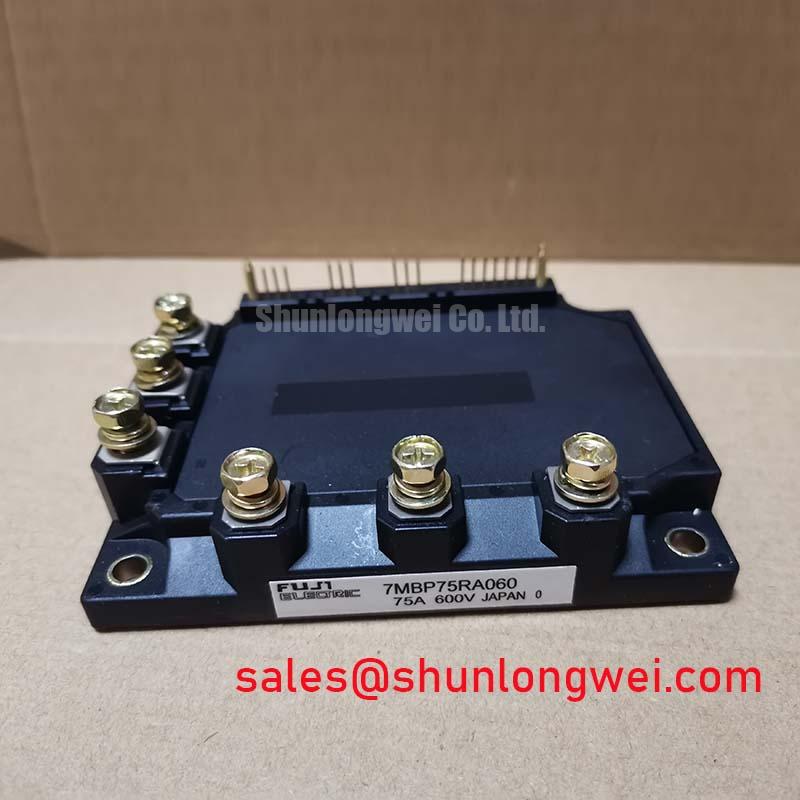
When designing for high-reliability robotics, engineers often evaluate the MG75J6ES40 alongside the 6MBP75RS120 if the system architecture requires a higher voltage ceiling (1200V). However, for 200V-400V class hardware, the Toshiba module remains the standard for balancing cost, size, and efficiency.
Success in these applications depends heavily on thermal management and heatsink design. By ensuring the junction temperature stays well below the 150°C limit, engineers can extend the operational lifespan of the equipment beyond the typical 10-year service window.
As the power electronics landscape shifts toward higher integration, the Toshiba MG75J6ES40 remains a benchmark for reliability in the 600V 75A class. Its combination of low conduction losses and robust electrical isolation empowers engineers to build more resilient, efficient, and compact power systems. For strategic procurement, this module represents a stable, industry-proven solution that mitigates the risks associated with unverified or cutting-edge topologies, ensuring that the final product meets both performance targets and market expectations.