Content last revised on January 4, 2026
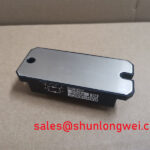
PAH1008CF IGBT Module: Datasheet & Technical Overview
An IGBT module engineered for robust performance in high-power conversion systems, delivering a dependable balance of efficiency and thermal stability.
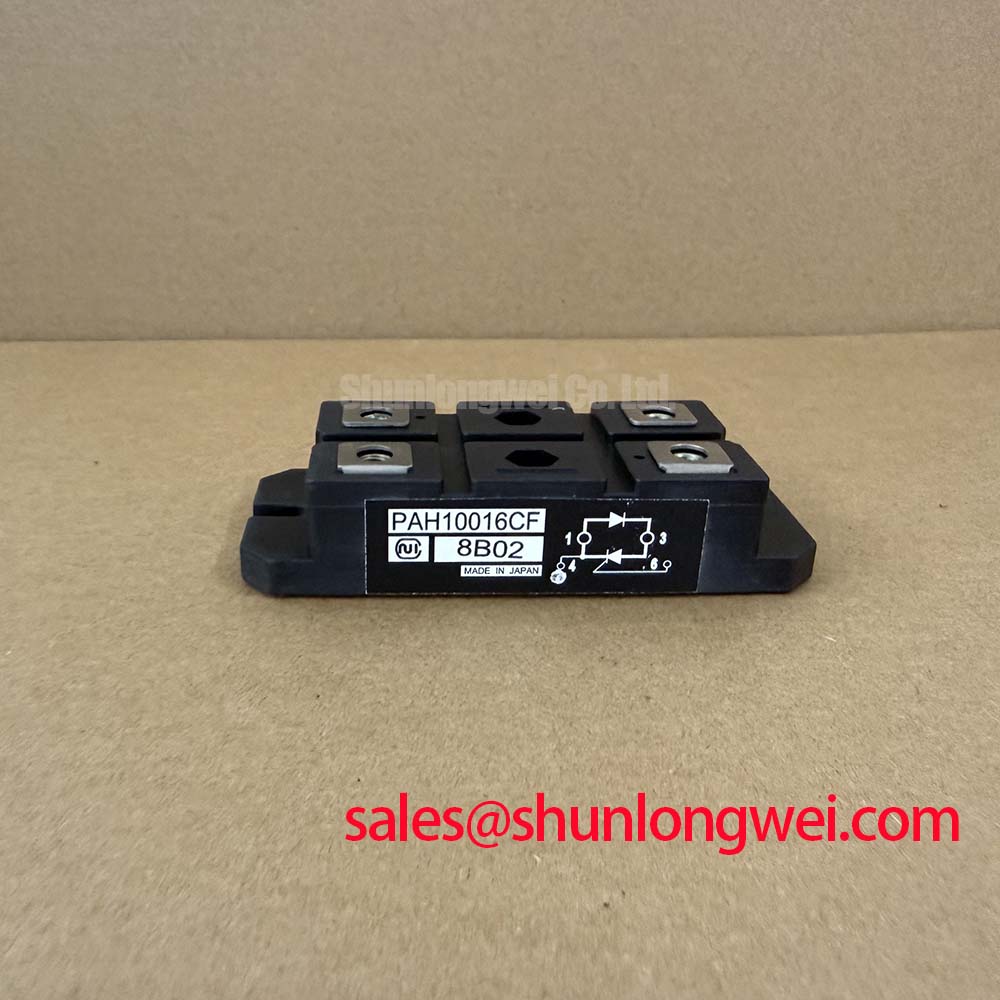
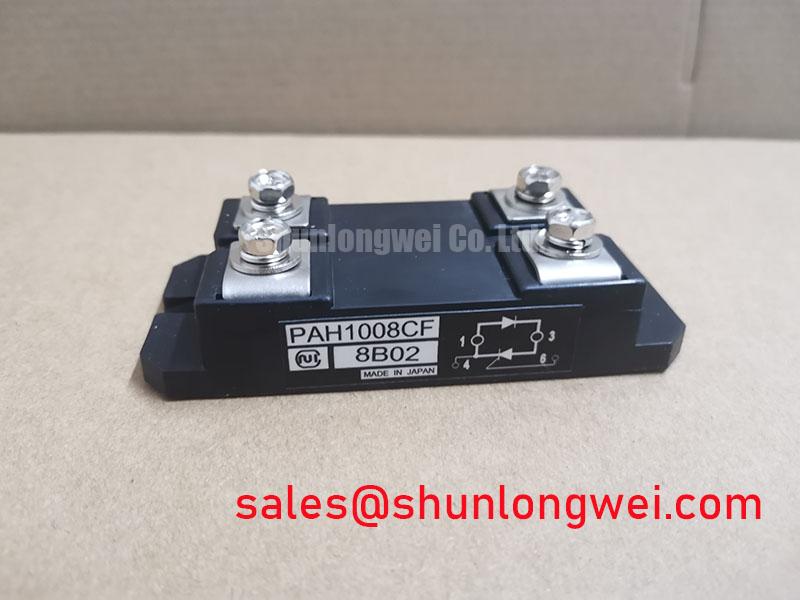
The PAH1008CF is a high-current IGBT module designed for demanding power electronics applications. With core specifications of 600V | 100A | 8-Element Configuration, it provides a solid foundation for system design. Key benefits include an integrated multi-element array for simplified circuit construction and robust thermal characteristics for enhanced reliability. For engineers questioning how to manage power density in compact inverter designs, the module's integrated nature offers a streamlined alternative to complex discrete solutions, facilitating easier thermal management and assembly.
Industry Insights & Strategic Advantage
Meeting the Demand for Integrated Power Stages
In the push towards more compact and power-dense industrial systems, designers are increasingly moving away from discrete semiconductor solutions. The PAH1008CF directly addresses this trend by integrating eight IGBT elements (four for the inverter stage and four for the brake circuit) into a single, thermally efficient package. This integration not only reduces the physical footprint but also minimizes parasitic inductance and simplifies the gate drive layout, which are critical factors in achieving reliable performance in applications like Variable Frequency Drives (VFDs) and industrial motor controls. This approach aligns with the industry's need for modular, scalable power solutions that shorten design cycles and improve manufacturing consistency.
Key Parameter Overview
Specifications for System-Level Performance
The performance of the PAH1008CF is defined by its electrical and thermal characteristics. These parameters are fundamental for engineers performing system simulations and thermal modeling to ensure long-term operational reliability. A detailed understanding of these values is essential for optimizing gate drive circuits and thermal management strategies.
| Parameter | Value | Engineering Significance |
|---|---|---|
| Collector-Emitter Voltage (Vces) | 600V | Provides the necessary voltage headroom for operation on common industrial bus voltages, ensuring a robust safety margin against transient overvoltages. |
| Collector Current (Ic) | 100A | Defines the module's capacity for continuous current handling, making it suitable for mid-to-high power motor drive and inverter applications. |
| Collector-Emitter Saturation Voltage (VCE(sat)) | 2.7V (Max) | This parameter is analogous to the 'friction' of the switch when it's on. A lower VCE(sat) indicates lower conduction losses, which translates directly into higher system efficiency and reduced heat generation. |
| Total Power Dissipation (Pc) | 390W | Represents the maximum amount of heat the module can dissipate under specified conditions, a critical input for designing an effective heatsinking solution. |
| Isolation Voltage (Viso) | 2500V (AC, 1 min) | Guarantees electrical isolation between the power circuit and the mounting baseplate, a crucial safety feature for protecting control electronics and personnel. |
Download the Datasheet for complete technical specifications.
Application Scenarios & Value
Powering Industrial Automation and Control
The PAH1008CF is engineered for applications where reliable power switching is paramount. Its integrated configuration and robust electrical characteristics make it a strong candidate for a variety of industrial systems.
- AC Motor Drives: The module's 8-in-1 configuration, including a three-phase inverter and a brake chopper, provides a compact power stage for precise control of AC induction motors in conveyors, pumps, and fans. Its 100A rating supports motors in the medium power range.
- General-Purpose Inverters: For applications requiring the conversion of DC power to AC, such as in uninterruptible power supplies (UPS) or solar inverters, this module offers a consolidated solution that simplifies assembly and thermal design.
- Servo Drives: In robotics and CNC machinery, the integrated brake circuit is particularly valuable for controlling motor deceleration and managing regenerative energy, contributing to system precision and safety. For designers working on these systems, leveraging an all-in-one module like the PAH1008CF can significantly streamline the power stage development.
For systems that require higher voltage capabilities, the related SKM300GA123D offers a Vces of 1200V. The robust integration of the PAH1008CF makes it the best fit for space-constrained motor drive designs up to 30 kW where minimizing component count is a primary design driver.
Technical Deep Dive
Architectural and Performance Analysis
The internal architecture of the PAH1008CF is a key element of its value proposition. By co-packaging four inverter IGBTs, four corresponding freewheeling diodes, and a complete brake chopper circuit (IGBT and diode), the module forms a nearly complete power core for a motor drive. What is the primary benefit of its integrated design? Simplified power stage assembly and improved thermal performance. This high level of integration reduces the number of discrete components, minimizing potential points of failure and simplifying the bill of materials.
From an electrical standpoint, the close proximity of the internal components helps to lower stray inductance within the module. This is particularly important for minimizing voltage overshoots during high-speed switching events, a common challenge in modern inverter designs. For a deeper understanding of the fundamental principles, our guide on IGBT working principles provides additional context. Effective thermal management remains crucial; the module’s single, flat baseplate provides a consistent thermal interface to a heatsink, allowing for more predictable heat extraction compared to managing multiple discrete devices.
Frequently Asked Questions (FAQ) about the PAH1008CF
1. What are the primary applications for the PAH1008CF module?
The PAH1008CF is primarily designed for industrial AC motor drives, general-purpose inverters, and servo drive applications. Its integrated 8-in-1 configuration, featuring a three-phase inverter bridge and a brake circuit, makes it a compact solution for power conversion and motion control systems rated up to its 600V and 100A capacity.
2. How does the integrated brake chopper in the PAH1008CF benefit a motor drive system?
The integrated brake chopper provides a built-in mechanism for dynamic braking. When a motor decelerates, it acts as a generator, sending energy back to the DC bus. The brake circuit safely dissipates this regenerative energy as heat through an external resistor, preventing DC bus overvoltage faults. This is a critical function for applications requiring rapid and controlled deceleration, enhancing both system safety and performance.
3. What should be considered when designing a gate drive circuit for this module?
A key consideration is providing a clean and stable gate voltage (typically +15V for turn-on and -5V to -15V for turn-off) with sufficient peak current capability to charge and discharge the IGBT gate capacitance quickly. Because it is a non-Kelvin-emitter module, designers should keep the gate drive loop as short and tight as possible to minimize inductance, which can cause ringing and affect switching performance. More information can be found in our guide to robust IGBT gate drive design.
4. What is the significance of the 2.7V VCE(sat) rating?
The maximum Collector-Emitter Saturation Voltage (VCE(sat)) of 2.7V is the forward voltage drop across the IGBT when it is fully turned on. This value is critical for calculating conduction losses (P_cond = VCE(sat) * Ic). A lower VCE(sat) results in less power wasted as heat, leading to higher overall inverter efficiency and reducing the thermal load on the cooling system.
5. Can the PAH1008CF be used in parallel for higher current applications?
The datasheet does not provide specific guidance or matching characteristics for paralleling. Paralleling IGBT modules requires careful consideration of VCE(sat) and gate threshold voltage matching to ensure proper current sharing. Without explicit manufacturer support for paralleling this specific model, it is generally not recommended as mismatches can lead to thermal runaway in one of the modules.
Engineering Perspective for Future Designs
For engineers evaluating the PAH1008CF, the primary design advantage lies in its functional density. It allows for the consolidation of a significant portion of a motor drive's power stage into a single component, which can yield substantial benefits in assembly time and simplification of the supply chain. Looking ahead, designers should focus on optimizing the thermal interface between the module's baseplate and the system heatsink, as this junction is the most critical factor in unlocking the device's full power potential. Implementing a robust gate drive with appropriate protection features will further ensure that the module operates reliably within its specified safe operating area, contributing to a dependable and cost-effective end product.