


Content last revised on June 30, 2026
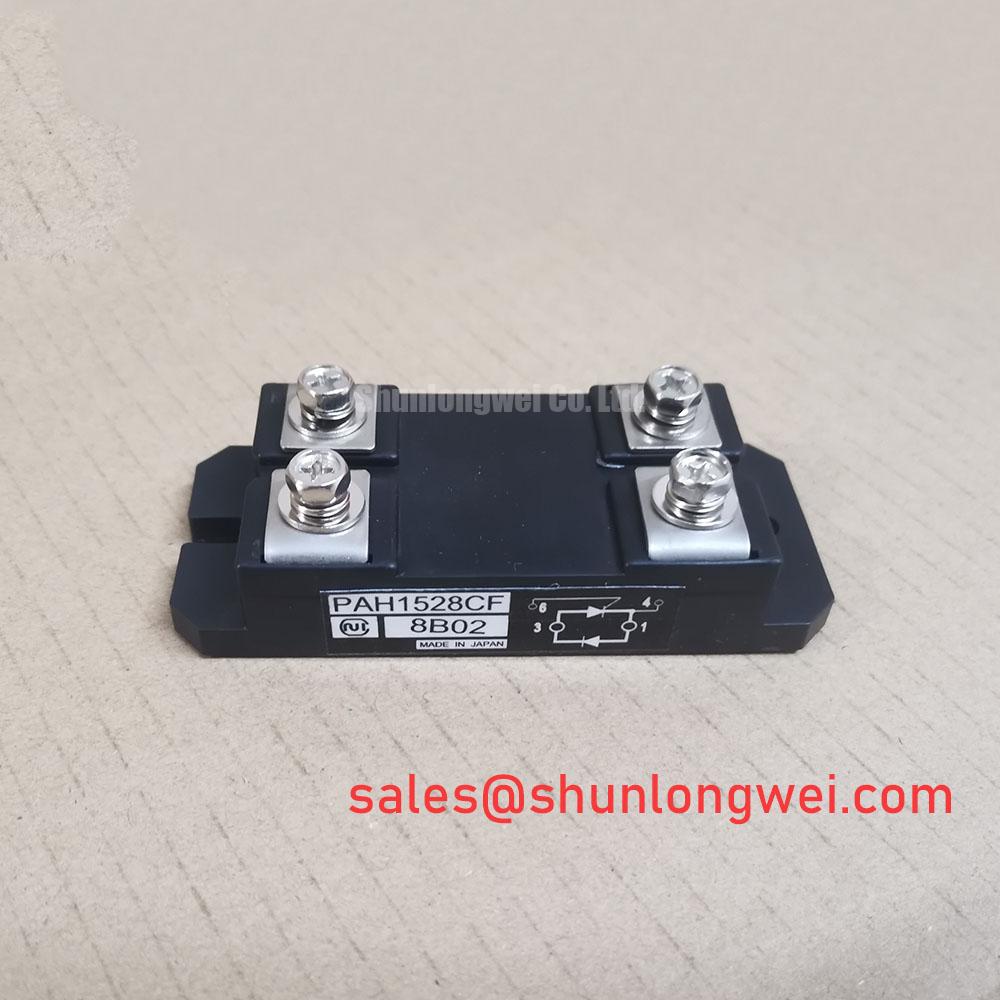
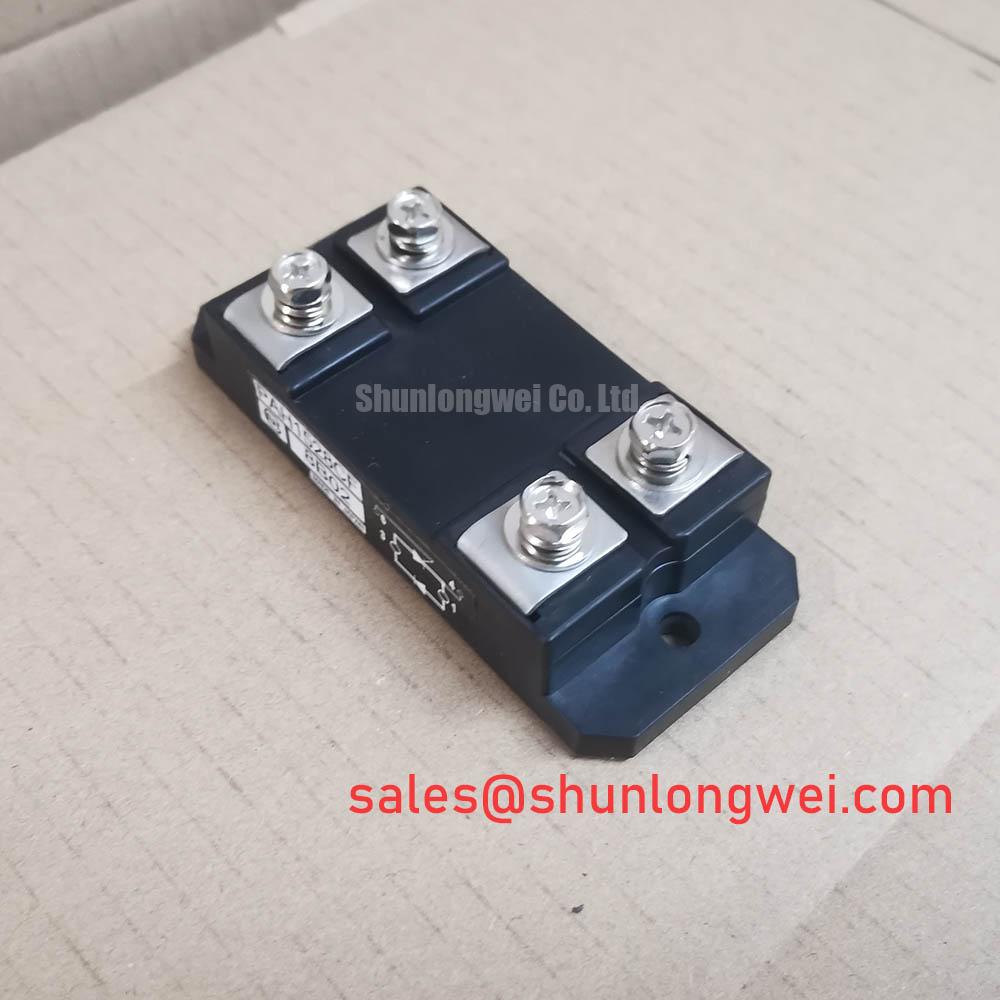
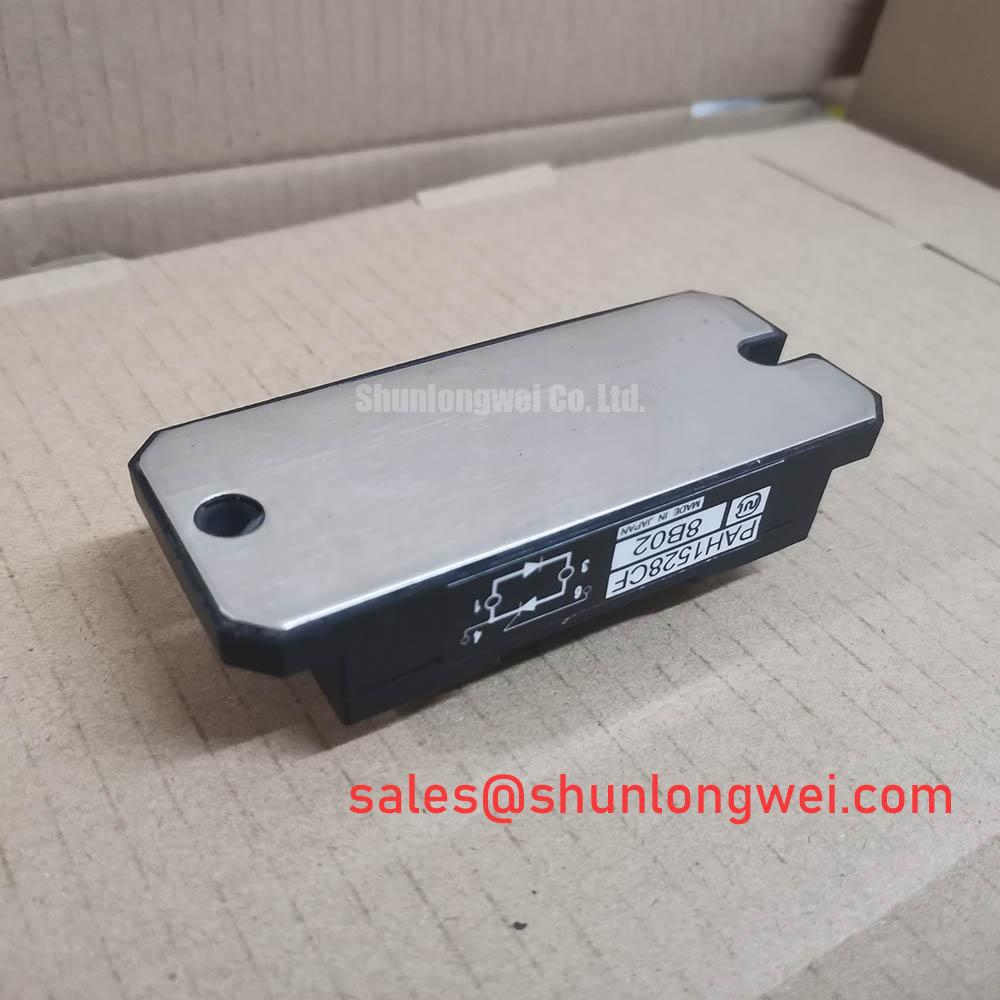
Kyocera NIEC PAH1528CF Thyristor/Diode Module: Driving High-Voltage Reliability in Rugged Grids
The Kyocera NIEC PAH1528CF offers a massive 2800V blocking voltage and 150A current handling, delivering unprecedented safety margins in rugged industrial phase-control grids.
Top Specifications: 2800V | 150A | Tj -40°C to +125°C | Viso 2500V AC
- Voltage Margin: Unmatched transient headroom for standard 690V AC line systems.
- Isolated Base: Simplifies heatsink integration and optimizes overall thermal management.
Engineers often ask whether a 2800V thyristor/diode module can withstand high-energy utility transients without snubber failure. The PAH1528CF easily suppresses these voltage spikes with its high surge resiliency and robust dv/dt rating of 500V/µs.
Application Scenarios & Value
Achieving Rugged Performance in Soft Starters and Utility Converters
For 690V industrial grids requiring maximum transient voltage headroom, this 2800V 150A module represents the absolute optimal thermal and electrical choice.
Engineers often face critical thermal and transient challenges when designing heavy-duty industrial soft starters. Cold motor starts draw massive inrush currents, placing intense stress on power semiconductors. The PAH1528CF resolves this directly with its surge current rating of 3200A, which easily absorbs these punishing start-up currents.
In standard utility phase-control systems, line disturbances and lightning surges are common. The exceptionally high repetitive peak voltage rating of 2800V ensures that the module remains undamaged without requiring oversized clamping networks. This significantly lowers system complexity and bill-of-materials costs.
While the PAH1528CF excels in high-voltage utility applications, other systems might prioritize current over voltage. For systems requiring higher current handling at lower grid voltages, the related PHT3008CF offers a voltage rating of 800V and an average current of 300A, providing a great alternative for low-voltage industrial designs.
Technical & Design Deep Dive
Decoding the Structural Design for Superior Reliability Under Thermal Stress
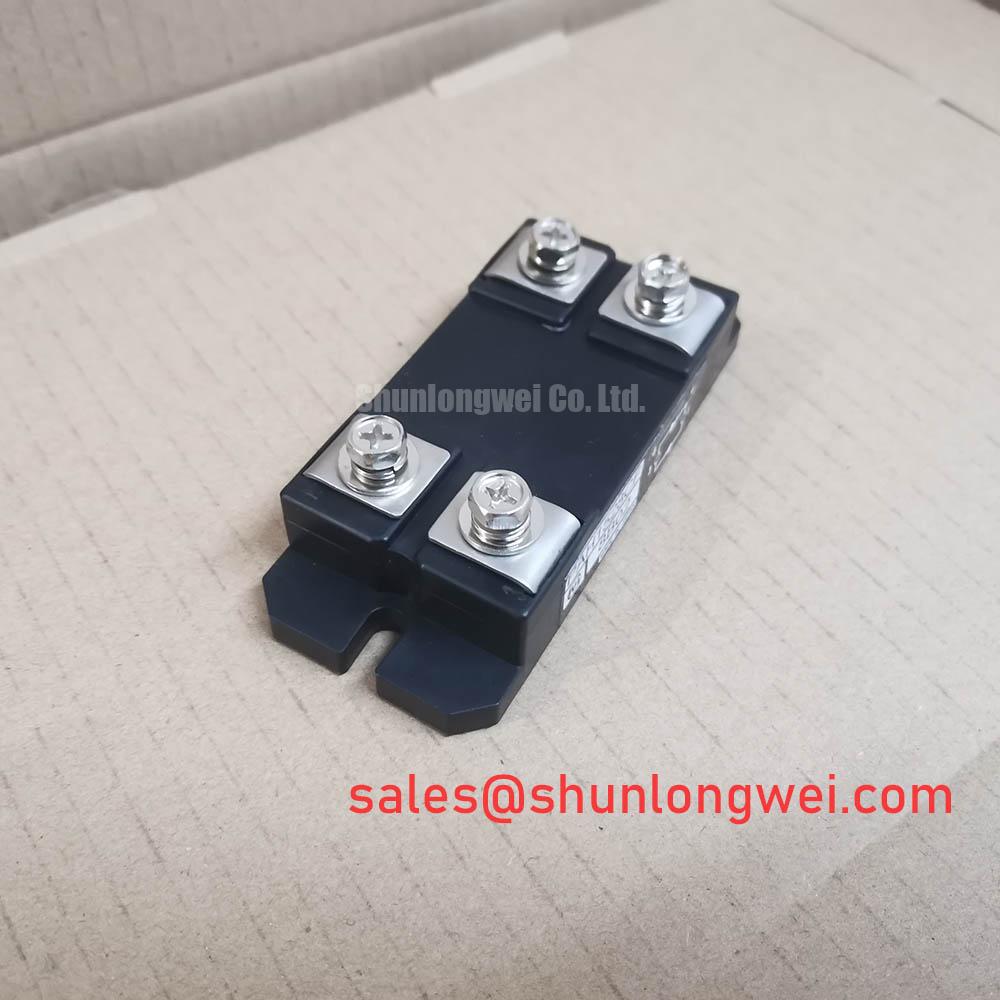
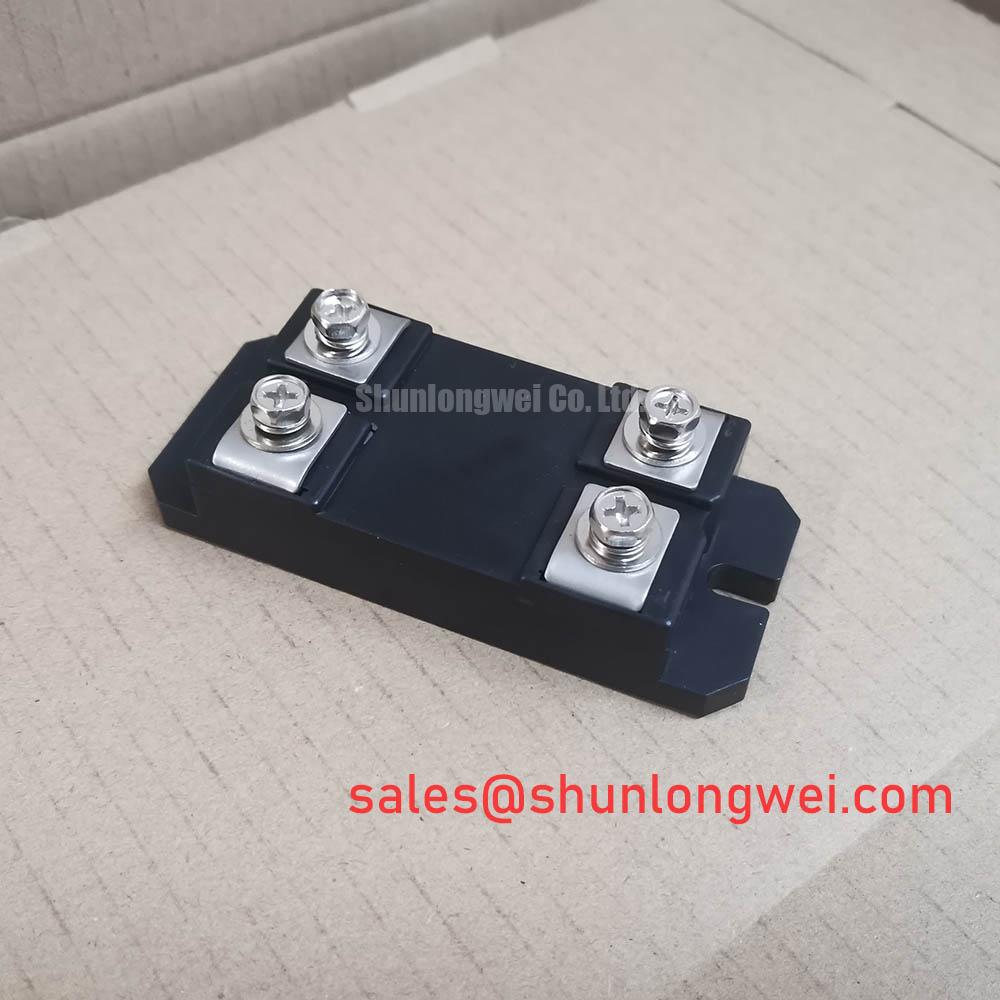
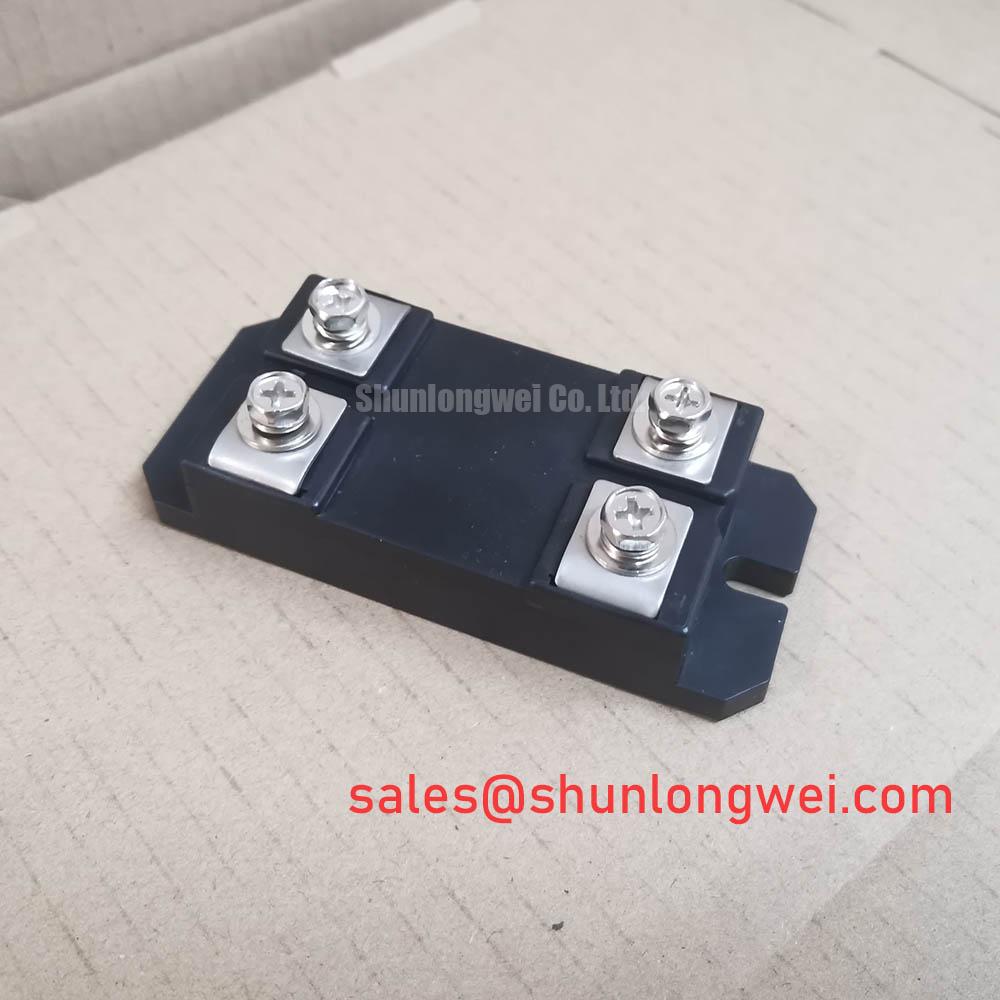
The internal architecture of the PAH1528CF utilizes an isolated base copper plate. This design decouples the electrical terminals from the mounting heatsink. It ensures that 2500V AC isolation is maintained even in humid, dusty environments. The silicon die is bonded to an Alumina ceramic substrate, optimizing heat dissipation.
The junction-to-case thermal resistance (Rth(j-c)) is rated at an impressive 0.25 °C/W. A thermal resistance of 0.25 °C/W acts like a wide, multi-lane highway for heat, allowing thermal energy to escape the silicon junction to the baseplate with minimal traffic jams. This allows the module to maintain stable temperatures under continuous load.
Moreover, the 2800V repetitive peak voltage capability is akin to an ultra-reinforced dam built to withstand extreme seasonal flooding. It ensures that even during massive utility line surges, the internal junctions remain completely insulated and undamaged. This robust barrier prevents sudden dielectric breakdown in harsh grid environments.
To further protect against voltage spikes, developers should consult guidelines on decoding power module datasheets. Properly calculating transient ratings prevents avalanche breakdown and ensures long-term operational success.
Key Parameter Overview
Evaluating Specs for High-Power Grid and Industrial Applications
| Parameter Symbol | Specification Description | Value | High-Power Impact |
|---|---|---|---|
| VDRM / VRRM | Repetitive Peak Off-State / Reverse Voltage | 2800V | Offers superior safety margins on 690V AC lines |
| IT(AV) | Average On-State Current | 150A | Handles continuous heavy industrial loads efficiently |
| ITSM | Surge On-State Current (50Hz) | 3200A | Absorbs massive starting inrush transients without damage |
| VTM | Peak Forward On-State Voltage | 1.38V | Low conduction loss translates to reduced cooling requirements |
| Viso | Isolation Voltage (1 Minute) | 2500V AC | Ensures safety and eliminates extra insulating pads |
| Rth(j-c) | Thermal Resistance (Junction-to-Case) | 0.25 °C/W | Optimizes heat transfer, ensuring low operating junction temperatures |
Understanding why thermal resistance matters is crucial for choosing the right heatsink.
Frequently Asked Questions
Addressing Engineering and Design Concerns for High-Voltage Systems
What is the primary benefit of its isolated base design? It simplifies heatsink integration while maintaining 2500V electrical isolation.
What is the peak repetitive voltage rating of this module? The module supports an exceptionally high rating of 2800V.
How does the 2800V rating of the PAH1528CF prevent utility grid transient failures? The 2800V ceiling provides a wide voltage buffer against voltage surges on standard 690V industrial grids, reducing the stress on external snubber circuits.
How does the junction-to-case thermal resistance (Rth(j-c)) of 0.25 °C/W influence heatsink selection? With a low thermal resistance of 0.25 °C/W, engineers can specify smaller, lighter heatsinks while ensuring the silicon junction stays well below its 125°C limit under full load.
As industrial automation grids advance toward 690V systems, the requirement for higher voltage safety margins becomes a critical pillar of system architecture. Standard modules often require complex series connections or oversized external protection to survive grid surges. By delivering 2800V blocking capability in a proven, isolated package, this module allows designers to transition toward highly efficient power grids without sacrificing long-term reliability. Partnering with top-tier suppliers like Semikron and Kyocera ensures access to robust, certified power semiconductors that meet tomorrow's grid standards today.