
Content last revised on September 10, 2026
PM25CLA120 Intelligent Power Module: Engineering Reliability in Motor Drives
Introduction to the L-Series IPM
Integrated Reliability for Next-Generation Servo Systems
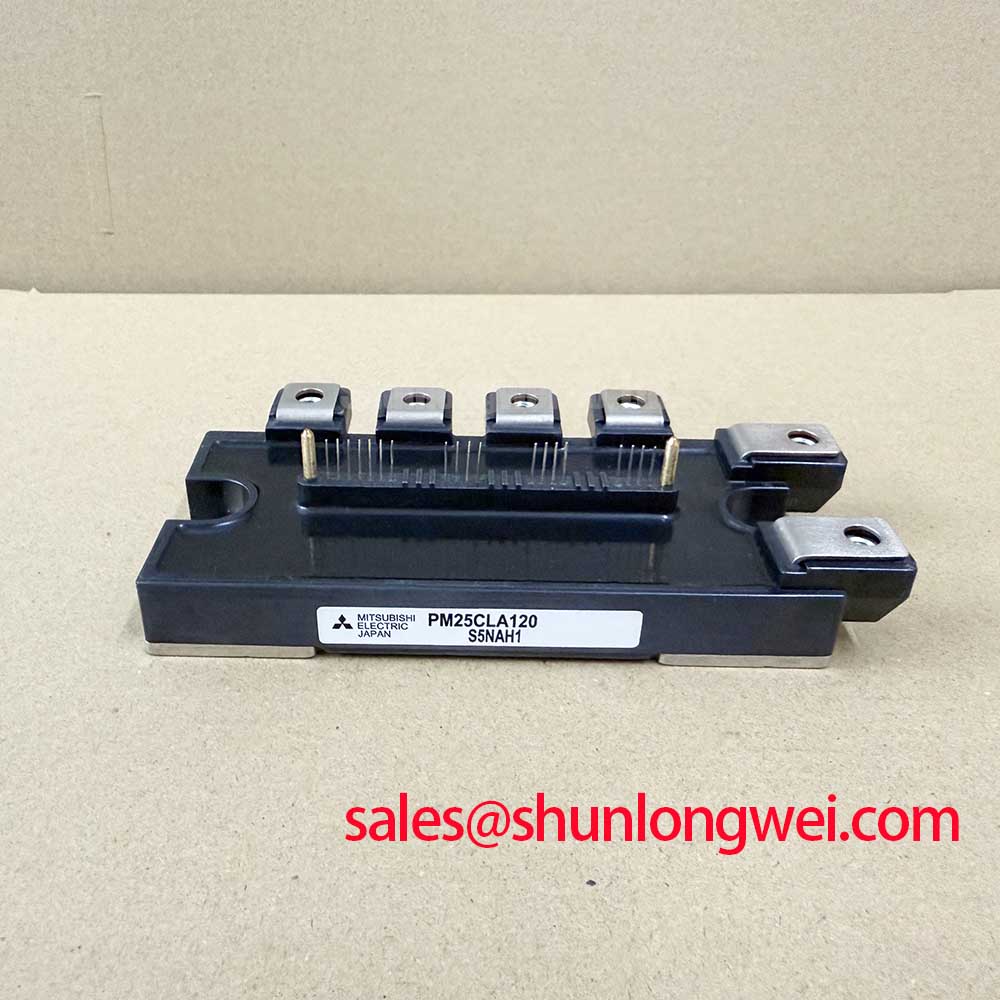
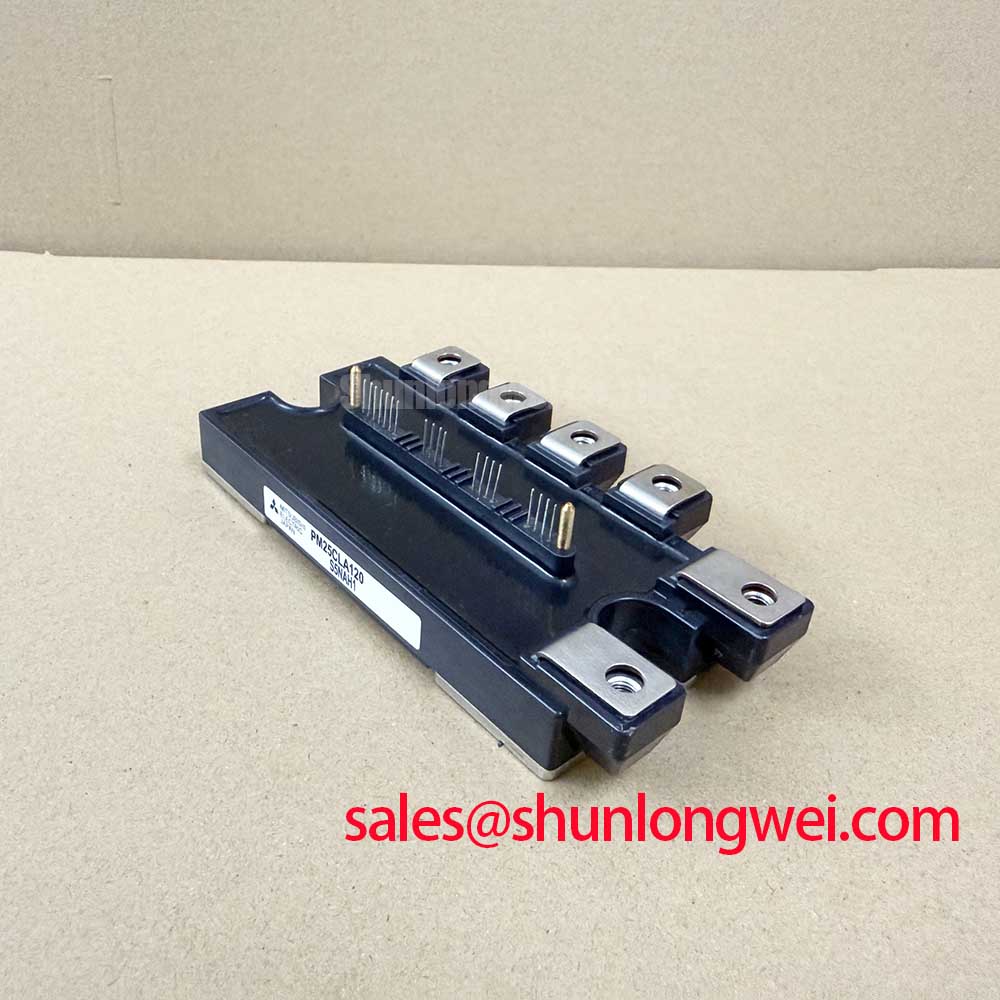
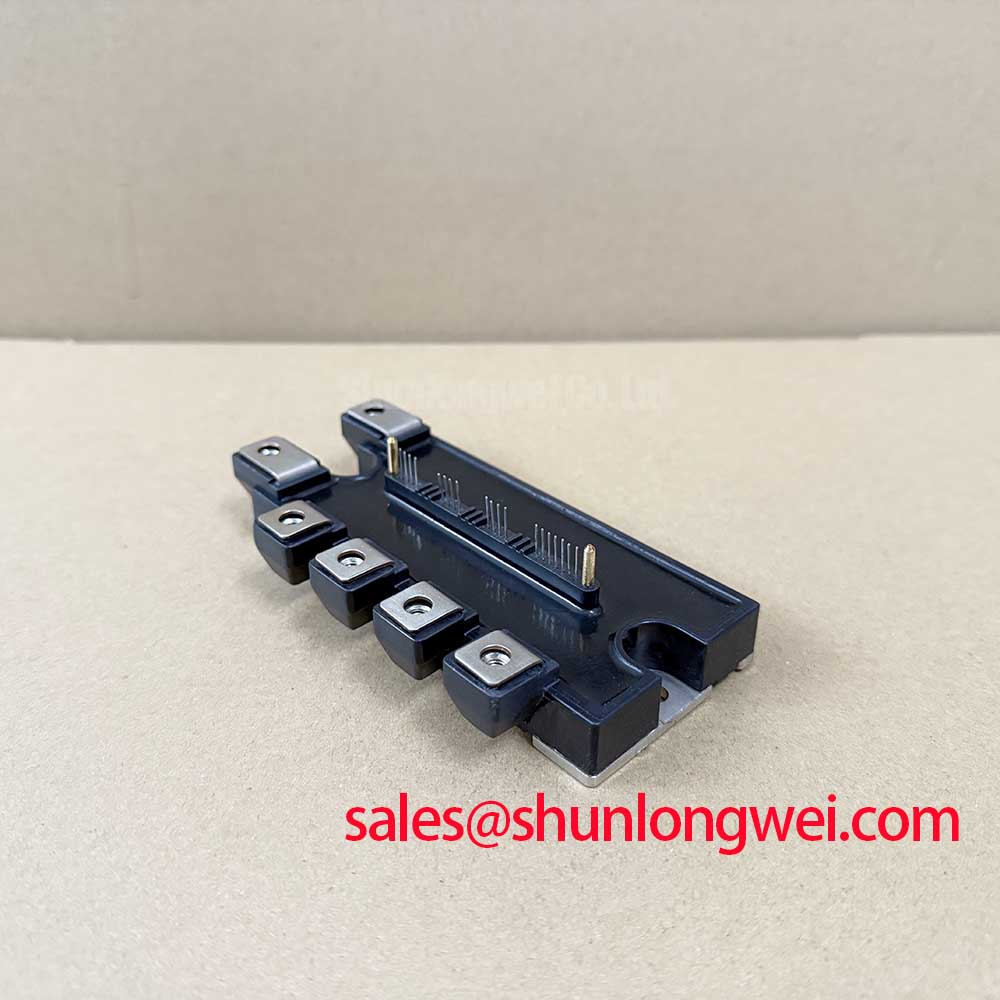
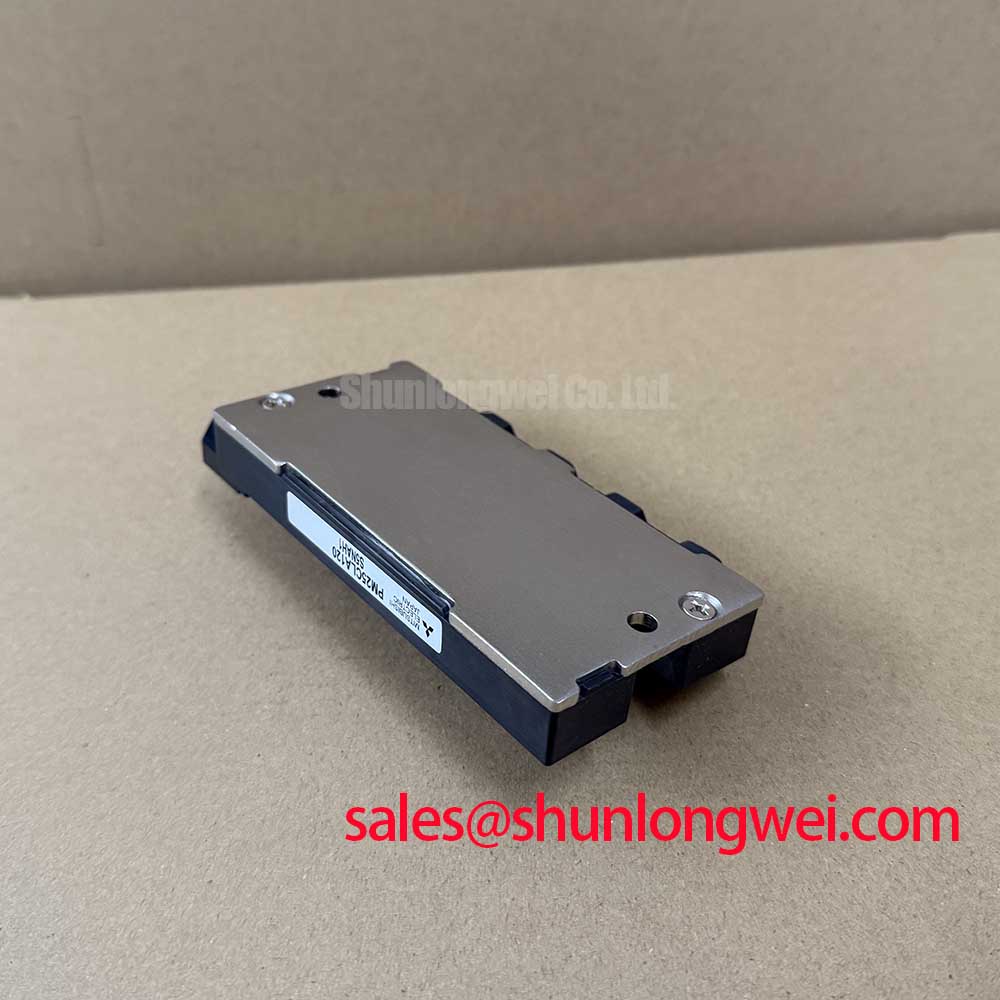
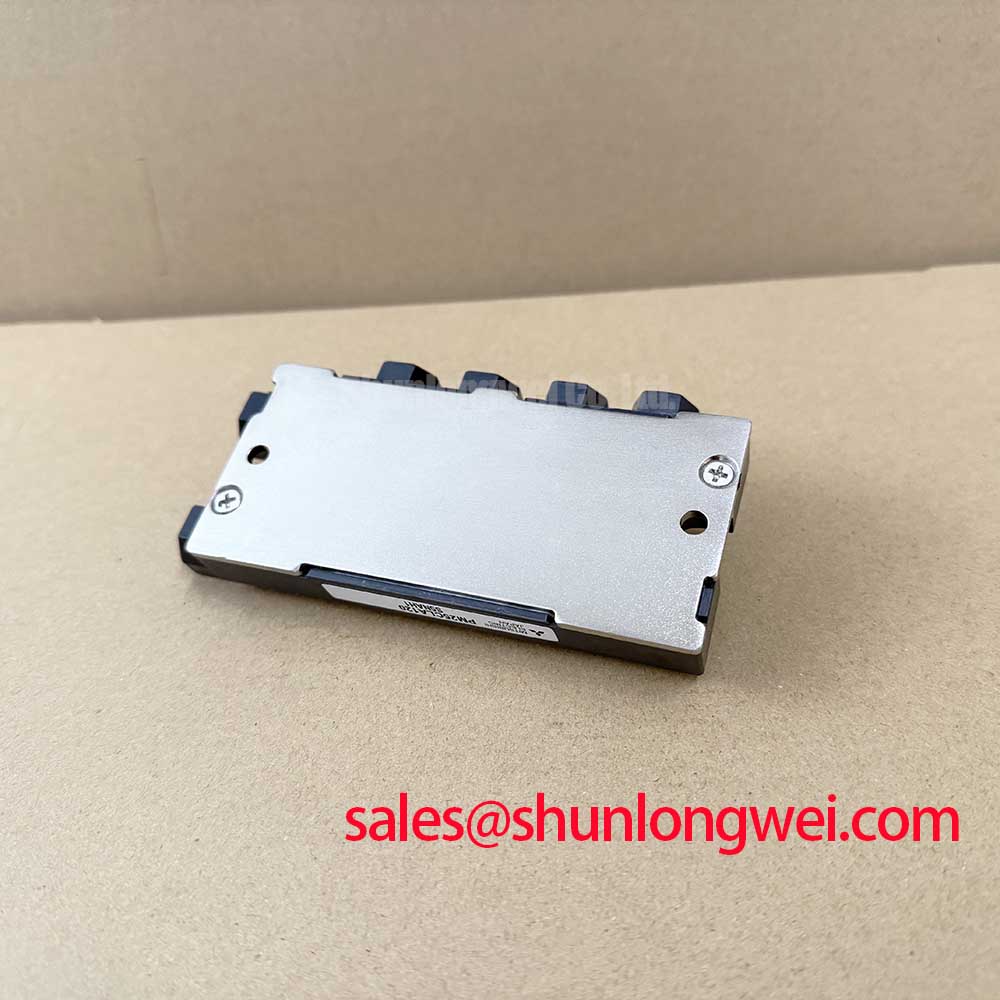
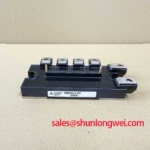
The PM25CLA120 by Mitsubishi Electric surpasses conventional power switches; it is a comprehensively architected Intelligent Power Module (IPM) belonging to the L-Series flat-base family. This component leverages a 5th-generation CSTBT architecture alongside integrated Tj detection to deliver unparalleled thermal reliability and vastly simplified protection logic for compact motor drives. What is the primary advantage of the PM25CLA120? It drastically reduces design complexity by incorporating monolithic protection logic. Core parameters dictate its capability: 1200V | 25A | Vce(sat) 1.9V. These precise specifications translate directly into reduced conduction losses and fortified system uptime. Furthermore, its capacity for acoustic noise-less operation explicitly resolves high-frequency switching EMI concerns in sensitive industrial settings. For 3.7kW class servo inverters prioritizing thermal protection and acoustic noise reduction, this 1200V intelligent module is the absolute optimal choice.
Application Scenarios & Value
Achieving Sustained Efficiency in 3.7kW Servo Drives
Engineers often face significant thermal and protection logic hurdles when developing high-reliability motion control systems. Whether designing an acoustic noise-less 3.7kW servo drive, a backup inverter for a robust UPS, or a highly regulated power stage for a medical HMI terminal, erratic thermal loads during frequent start-stop cycles can severely degrade component lifespan. Furthermore, minimizing electromagnetic emissions to comply with stringent IEC 61800-3 EMC standards adds another layer of complexity. The PM25CLA120 resolves these specific engineering challenges directly through its monolithic on-chip junction temperature (Tj) detection and optimized switching characteristics. Instead of calculating thermal margins based on an external baseplate NTC thermistor, the protection circuitry responds instantly to actual chip-level thermal spikes.
This IPM vs discrete IGBT advantage allows designers to safely push the inverter closer to its thermal limits without risking catastrophic failure. Additionally, the integrated under-voltage and short-circuit protection circuits ensure that the six-pack configuration remains safe during grid voltage dips or sudden motor winding faults. While this module is ideal for 25A systems, for designs demanding higher current handling, the related PM50CL1A120 offers a 50A rating within the same proven flat-base L-Series family.
Technical Deep Dive
Decoding the CSTBT Architecture and On-Chip Protection
The internal architecture of the PM25CLA120 revolves around Mitsubishi's proprietary CSTBT™ (Carrier Stored Trench-Gate Bipolar Transistor) technology. By utilizing a 1µm fine rule process, this 5th-generation silicon chip achieves an exceptionally low typical Vce(sat) of 1.9V at Tj=125°C. The CSTBT structure operates much like a perfectly managed toll booth during rush hour, allowing charge carriers to move efficiently without bottlenecks, thereby minimizing on-state voltage drops without compromising the safe operating area (SOA).
Furthermore, the protective circuitry is fully monolithic. The module extracts fault signals (Fo) individually from both upper and lower arm devices. Think of the integrated Tj detection as a built-in thermometer directly embedded within a vehicle's engine block, rather than relying on an external ambient sensor placed loosely under the hood. This ensures an immediate thermal response, preventing the module from exceeding its absolute maximum 150°C junction temperature.
In traditional discrete setups, calculating the precise thermal management headroom requires complex derating formulas. The PM25CLA120 simplifies this requirement. By embedding the protection logic alongside the gate drive, parasitic inductances that typically cause destructive voltage overshoots during high-speed switching are virtually eliminated.
Key Parameter Overview
Categorized Specifications for Accurate Thermal Design
The following table outlines the most critical ratings for the PM25CLA120, grouped by functionality to assist engineers in precise system dimensioning.
| Functional Group | Parameter | Value / Condition |
| Electrical Ratings | Collector-Emitter Voltage (Vces) | 1200V |
| Electrical Ratings | Continuous Collector Current (Ic) | 25A (Tc = 25°C) |
| Electrical Ratings | Saturation Voltage (Vce(sat)) | 1.9V (Typ, Tj = 125°C) |
| Thermal Limits | Junction Temperature (Tj) | -20°C to +150°C |
| Protection Logic | Fault Output (Fo) | Integrated (Over-temp, Short-circuit, Under-voltage) |
Download the PM25CLA120 datasheet for detailed specifications and performance curves.
Frequently Asked Questions
Addressing Common Integration Concerns for the L-Series
How does the integrated Tj detection improve the PM25CLA120's reliability compared to standard discrete IGBTs?
By monitoring the junction temperature directly on the CSTBT chip, the IPM eliminates the thermal time lag inherently associated with external baseplate thermistors. This ensures that the protection logic engages instantaneously during extreme overload conditions, preempting thermal runaway and significantly extending operational life.
What makes this module suitable for acoustic noise-less motor drive applications?
The advanced CSTBT silicon configuration minimizes switching losses, empowering the inverter to operate efficiently at higher carrier frequencies. This pushes the resulting switching harmonics above the human audible range without incurring excessive thermal penalties, making it perfect for 3.7kW quiet servo applications.
Ready to streamline your next motor control design? Request a quote for the PM25CLA120 today or contact our engineering support team for specialized layout recommendations to maximize your system's efficiency.