

Content last revised on September 10, 2026
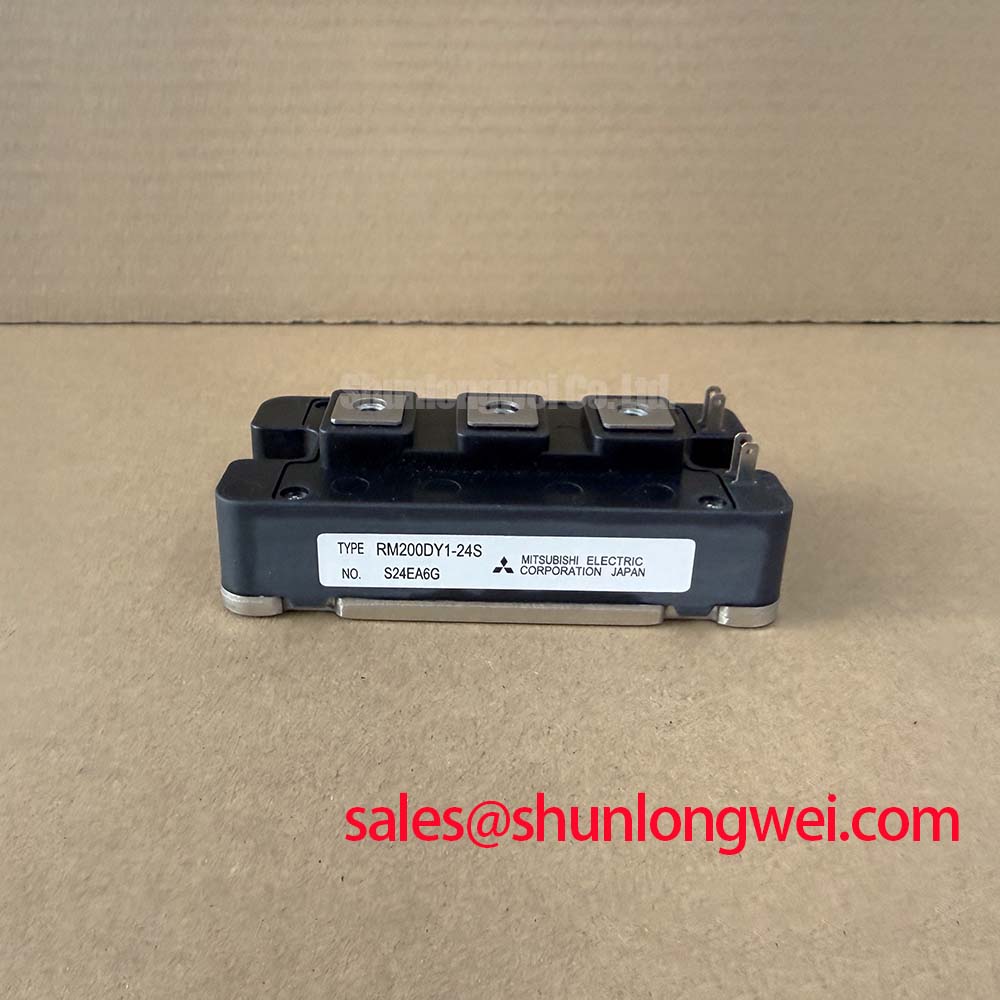
RM200DY1-24S: Engineering High-Frequency Switching Efficiency with 1200V/200A Fast Recovery Diodes
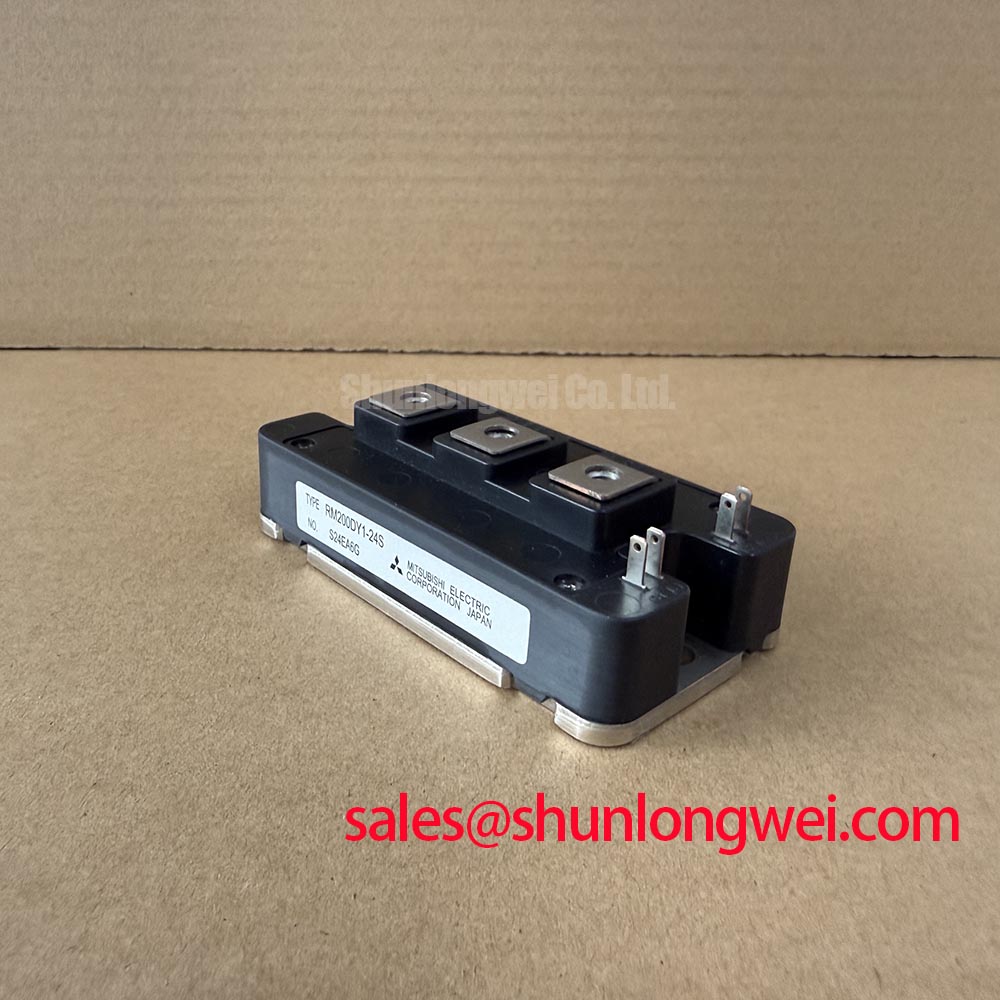
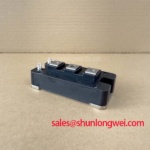
Optimizing dynamic losses in high-power conversion requires strict precision in reverse recovery control. The RM200DY1-24S, a high-power switching use insulated Diode Module engineered by Mitsubishi Electric, delivers a highly capable 1200V and 200A rating alongside an exceptional junction-to-case thermal resistance of 0.17 K/W. This architecture drastically reduces switching overlap periods and minimizes accumulated thermal stress. How does the 150 ns reverse recovery time specifically benefit your drive system? It limits the reverse recovery current peak, significantly reducing the turn-on stress placed upon the companion active switches.
What is the primary benefit of the 150 ns reverse recovery time? It directly minimizes turn-on losses in companion switching devices.
For AC motor control systems prioritizing minimized dynamic losses, this 1200V module is the optimal choice.
Key Parameter Overview
Highlighting Key Metrics for Loss Reduction
To facilitate rapid engineering assessment, the following table isolates the critical dynamic and thermal specifications that dictate the switching performance of this dual-diode component.
| Parameter | Symbol | Value | Unit | Engineering Impact |
|---|---|---|---|---|
| Repetitive Peak Reverse Voltage | V_RRM | 1200 | V | Defines the maximum blocking capability against bus transients. |
| Forward Current | I_F | 200 | A | Establishes the continuous conduction capacity per diode. |
| Reverse Recovery Time (Max) | trr | 150 | ns | Minimizes switching energy loss during the diode turn-off phase. |
| Reverse Recovery Charge (Typ) | Qrr | 9.0 | µC | Reduces the reverse current integral, easing stress on the active switch. |
| Isolation Voltage | Viso | 2500 | Vrms | Ensures safe mounting on a common grounded heatsink. |
| Thermal Resistance (Junction-to-Case) | Rth(j-c) | 0.17 | K/W | Dictates the efficiency of continuous thermal dissipation per diode. |
Download the RM200DY1-24S datasheet for detailed specifications and performance curves.
Application Scenarios & Value
System-Level Benefits in High-Frequency Power Conversion
Engineers constantly face significant thermal bottlenecks when driving industrial motors at elevated switching frequencies. The core challenge resides within the reverse recovery phase of the freewheel diode. When an active semiconductor turns on, the accompanying diode must establish its blocking state instantly. Any measurable delay generates a massive current spike. The RM200DY1-24S directly mitigates this specific operational hazard.
Featuring a 150 ns maximum reverse recovery time, this dual module swiftly truncates the recovery current transient. Think of this rapid recovery characteristic like an anti-lock braking system (ABS) for high-voltage electronics—it rapidly pulses control to prevent the entire circuit from "skidding" into thermal runaway. In demanding Variable Frequency Drive (VFD) configurations, this immediate cutoff translates to substantially lower switching losses and a noticeably wider safe operating area (SOA) for the active devices. For complementary phase-leg designs, the related CM200DY-24H provides a directly matching 1200V and 200A IGBT stage. If your application targets slightly lower current thresholds, the QM150DY-24 efficiently handles 150A requirements.
Technical Deep Dive
A Closer Look at Reverse Recovery Dynamics and Thermal Integration
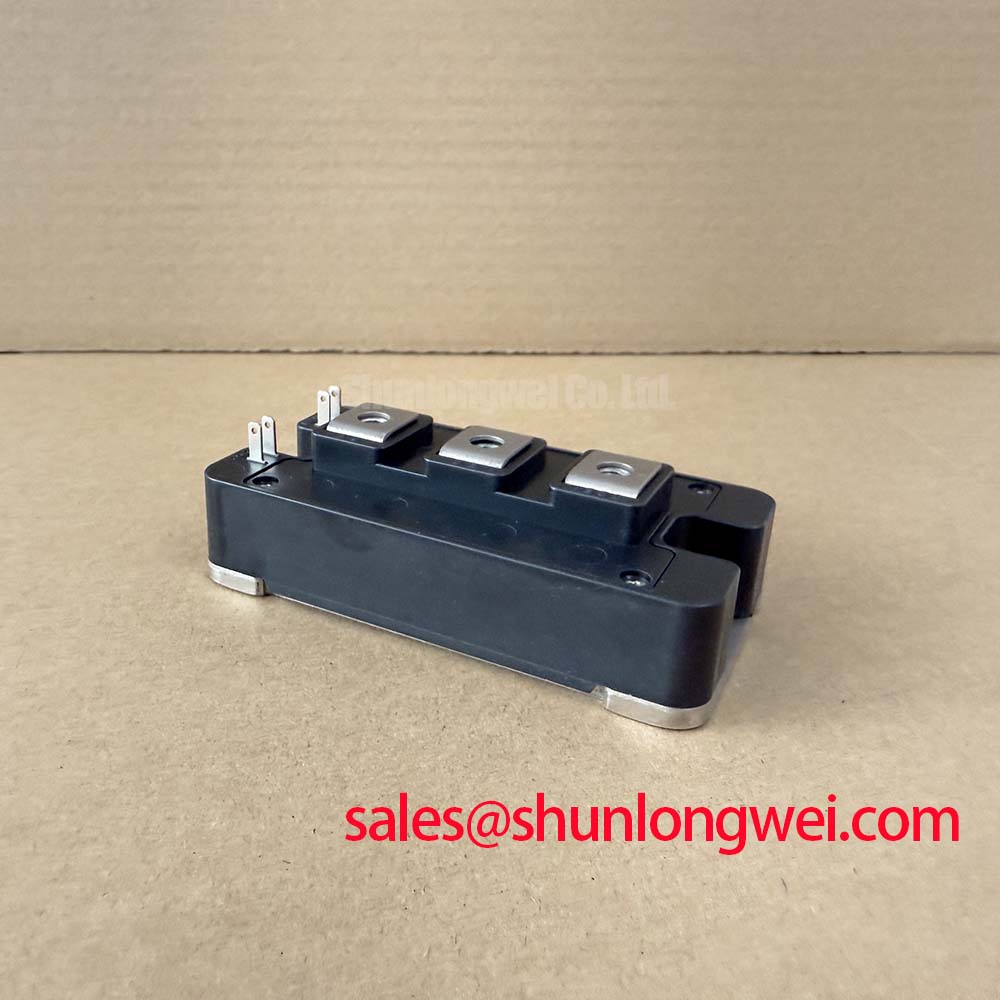
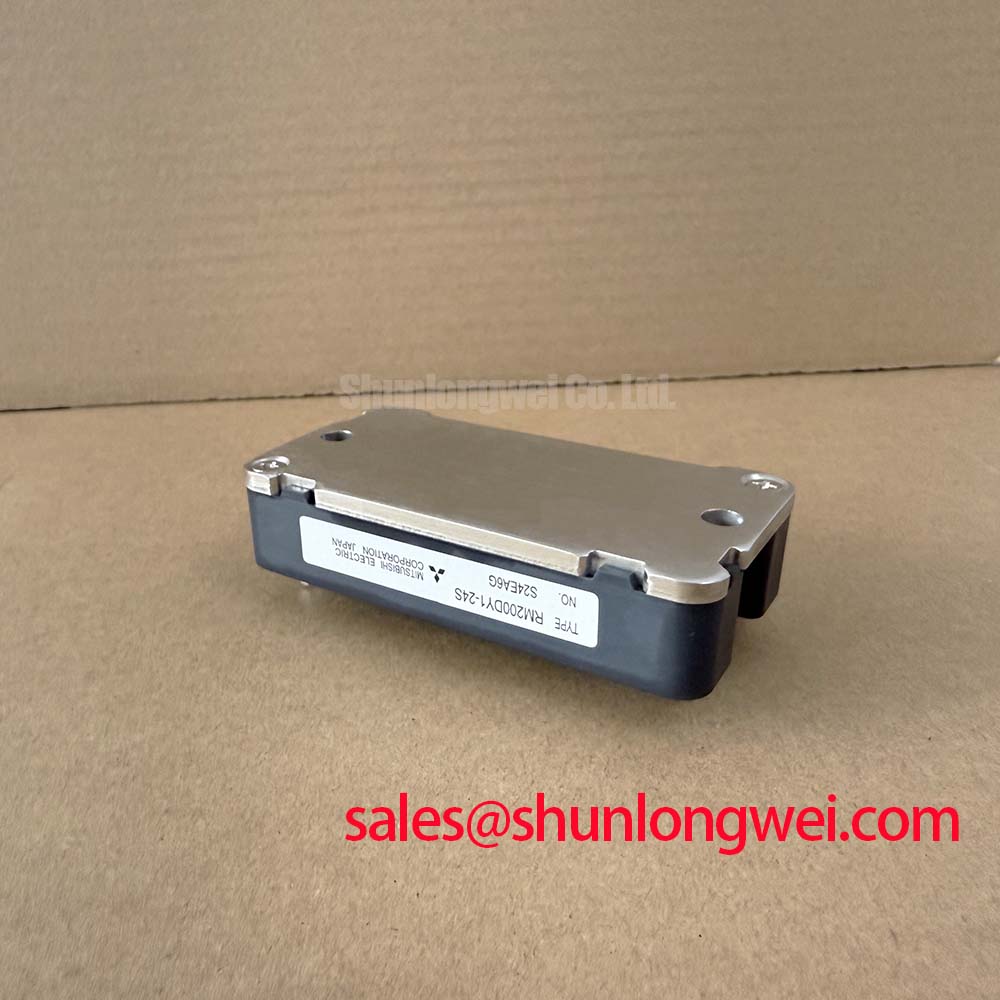
A closer examination of the RM200DY1-24S reveals its highly targeted approach to high-frequency efficiency and mechanical robustness. The module integrates a ruggedized insulated base plate that guarantees a 2500 Vrms isolation voltage. This isolation barrier simplifies the physical cooling architecture. It allows engineers to confidently mount both the diode module and the primary transistors directly onto a single grounded heatsink without complex external insulating films.
Beyond physical layout simplicity, the intrinsic thermal resistance profile dictates the limits of continuous performance. With a maximum Rth(j-c) of 0.17 K/W per diode, the device efficiently channels waste heat away from the sensitive silicon junctions. To frame this technically, imagine a wide, multi-lane highway constructed specifically for rapid heat transport; the extremely low thermal resistance acts as an unhindered express lane. This ensures that rapid temperature spikes originating from heavy reverse recovery charge (Qrr) dissipation are cleared before they can induce junction degradation.
This highly efficient thermal pathway ensures long-term field reliability across demanding motion control platforms and intensive snubber circuit applications. For further context regarding the mitigation of thermal constraints in power modules, explore our comprehensive technical resource covering thermal management.
Frequently Asked Questions
Addressing Critical Field Integration Queries
- How does the 150 ns trr of the RM200DY1-24S influence snubber circuit design?
The exceptionally fast reverse recovery time limits the peak recovery current. This allows designers to specify smaller, less dissipative snubber resistors and capacitors, ultimately shrinking the footprint of the voltage-absorption network. - What is the engineering significance of the 2500 Vrms isolation voltage for heatsink selection?
The 2500 Vrms rating ensures that the copper base plate is electrically isolated from the active silicon. This permits direct mounting to a standard, non-isolated chassis or heatsink alongside other IGBT Modules, streamlining mechanical assembly and reducing thermal interface layers. - Can this 1200V module operate efficiently as a freewheel diode in a 690V industrial line?
Yes. While operating on a 690V AC line, the DC bus voltage typically reaches approximately 975V. The 1200V repetitive peak reverse voltage rating provides a sufficient, albeit tight, safety margin against transient voltage spikes in well-snubbed environments. - How does the Rth(j-c) of 0.17 K/W directly impact overall system power density?
A lower thermal resistance means the internal junction can dissipate more watts into the heatsink for a given temperature rise. Consequently, engineers can drive the 200A diodes closer to their theoretical limits without requiring oversized cooling systems, thereby increasing volumetric power density.
Driving efficiency in next-generation inverters demands a rigorous focus on switching transients. Integrating fast recovery architectures ensures that high-voltage systems remain compact, thermally stable, and exceptionally responsive.