Content last revised on September 10, 2026
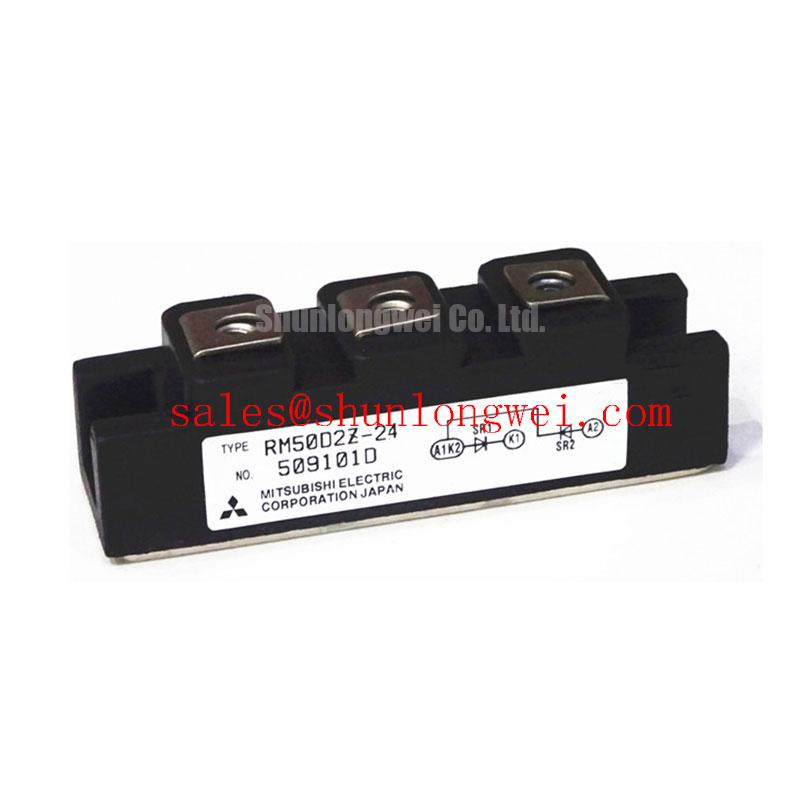
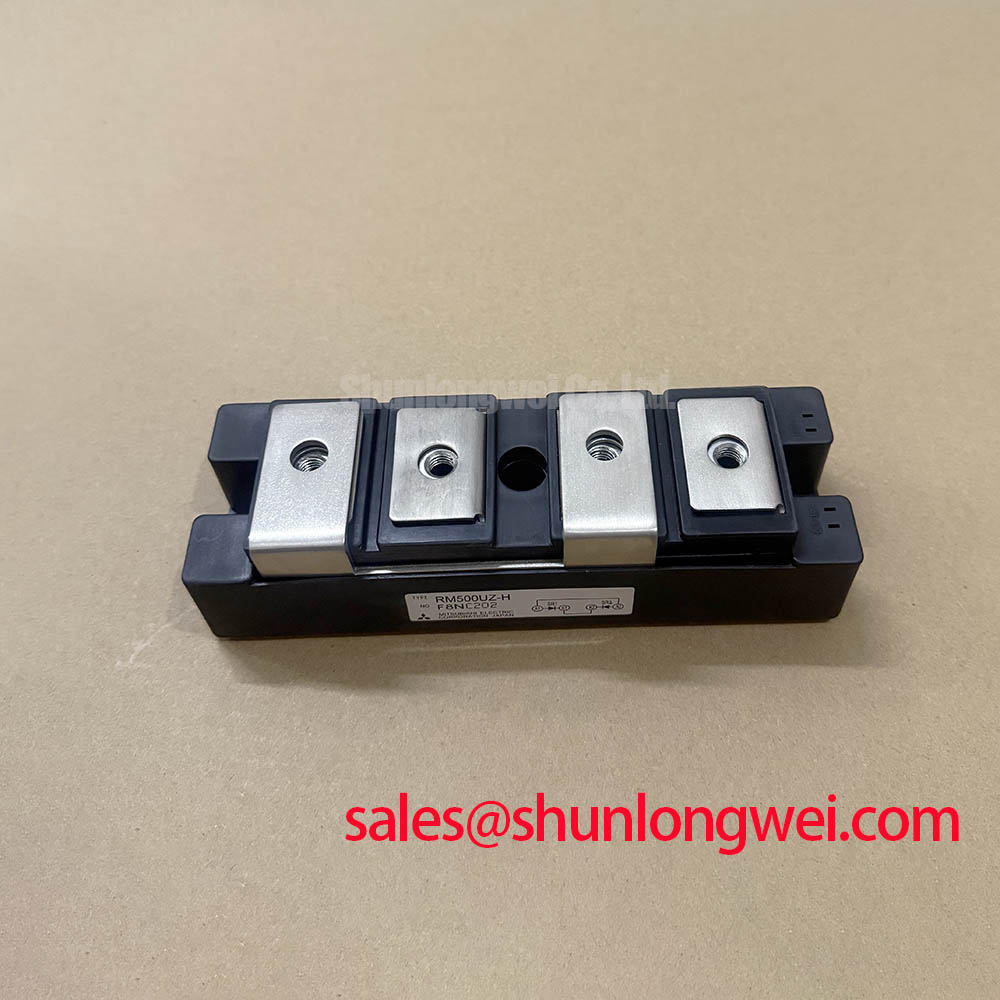
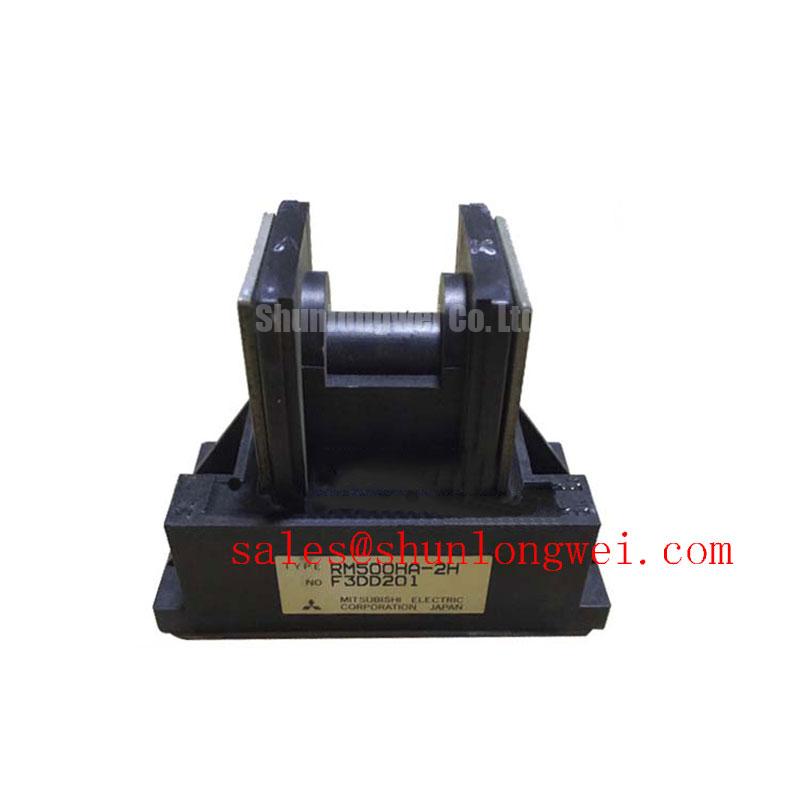
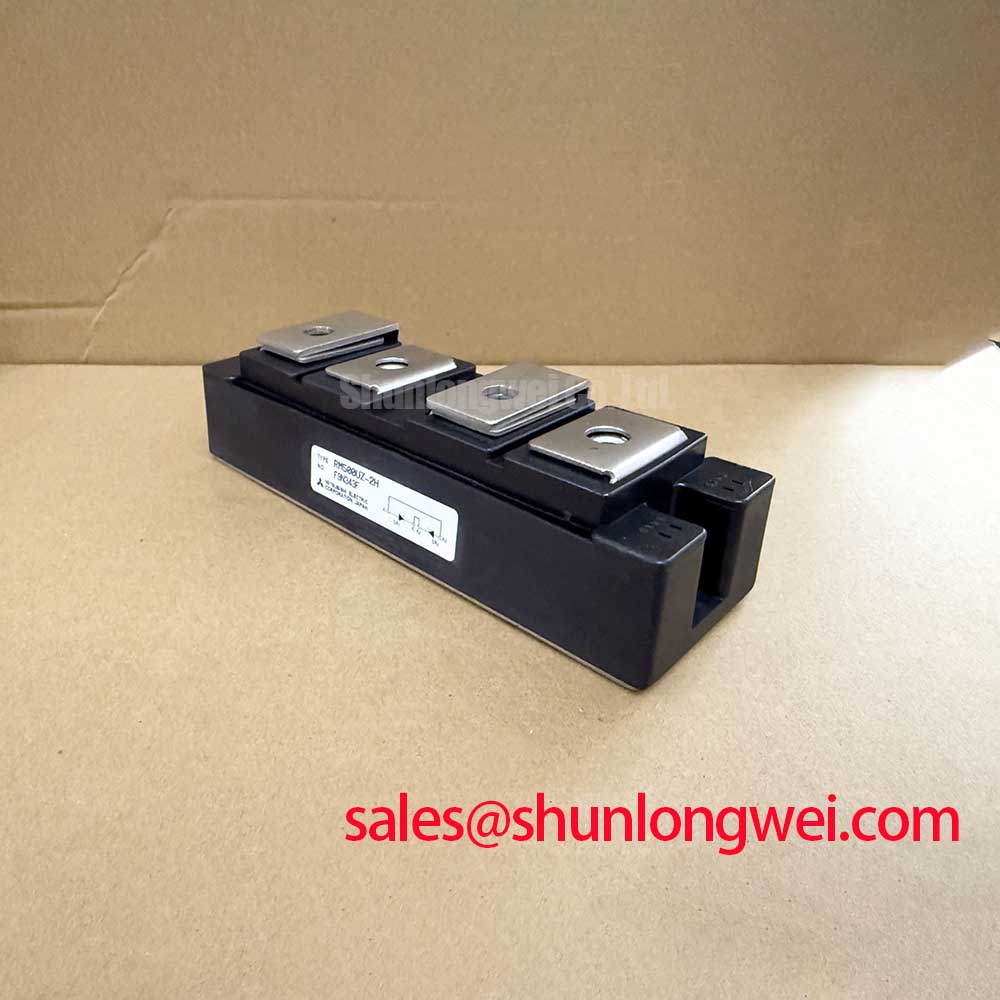
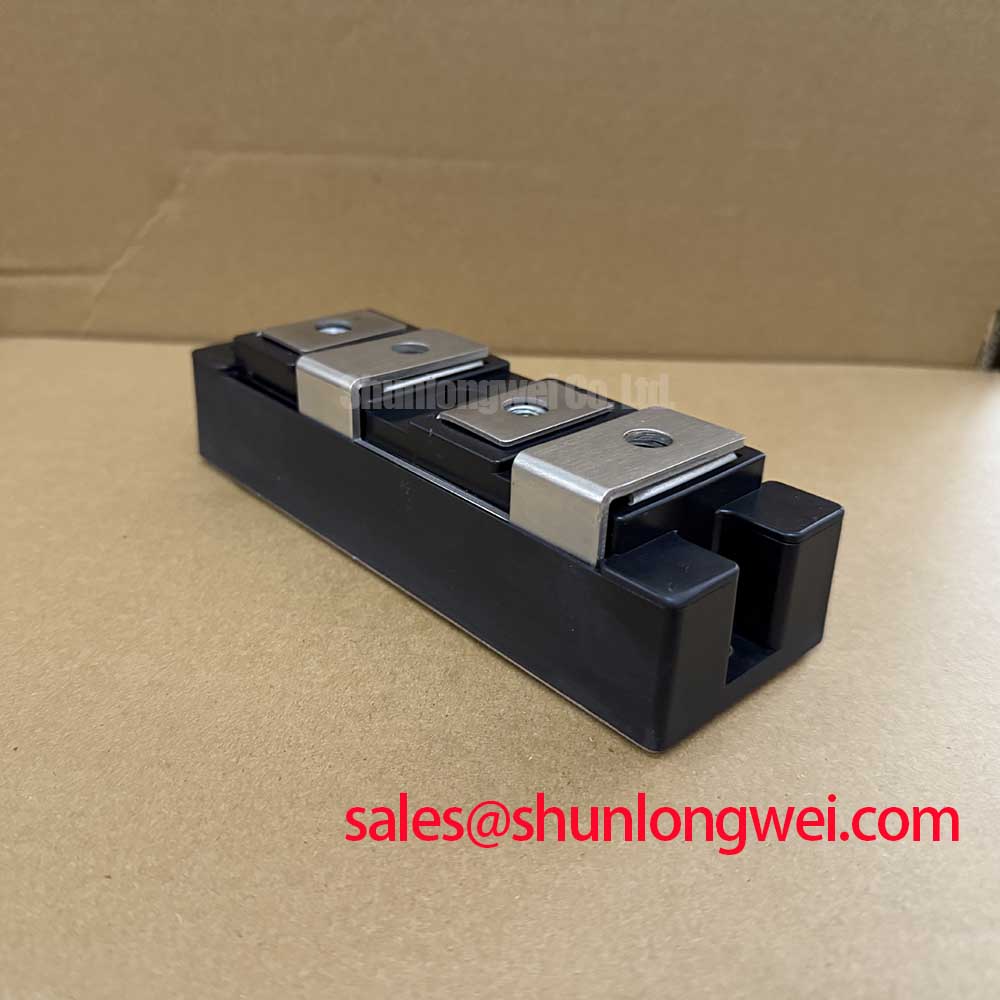
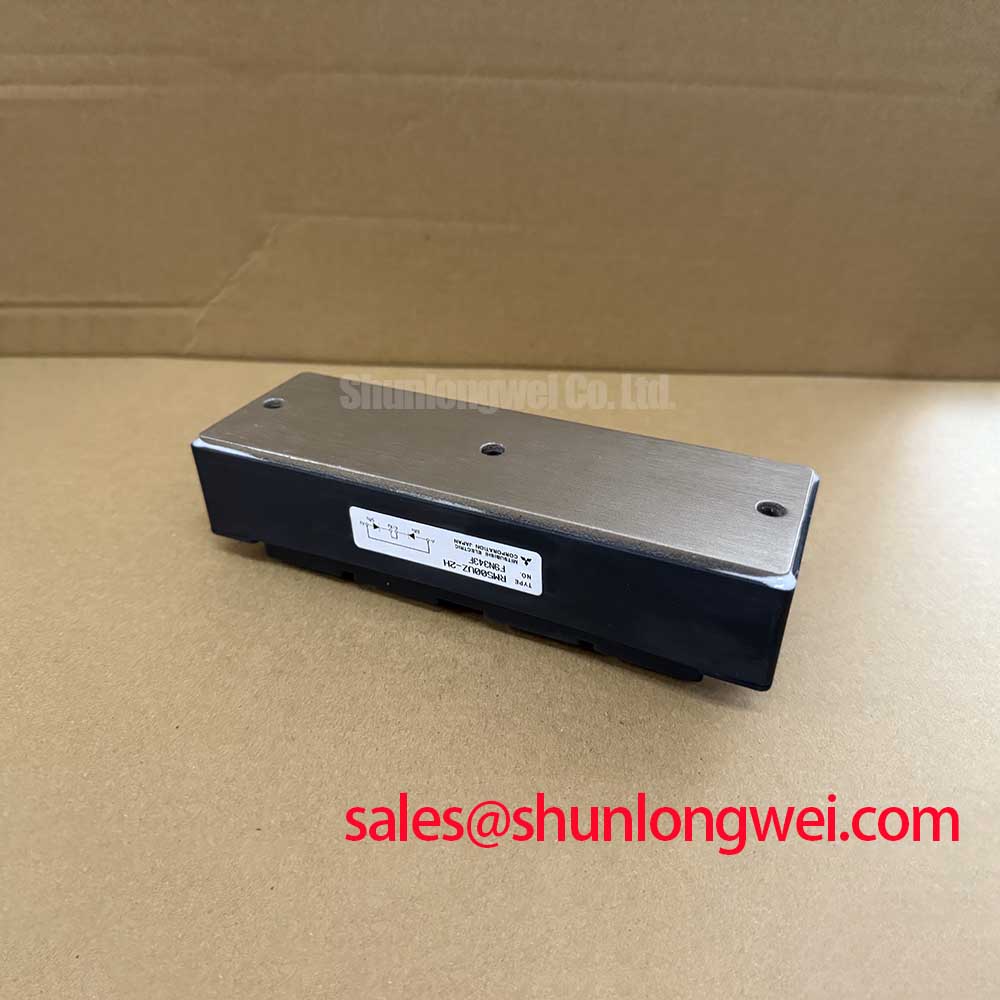
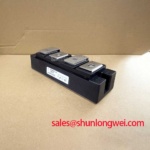
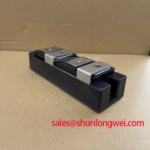
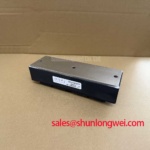
RM500UZ-2H Mitsubishi Ultra Fast Recovery Diode Module
How can power electronics designers effectively mitigate the heat generated by reverse recovery losses in high-frequency rectification stages? The **RM500UZ-2H**, a specialized **Ultra Fast Recovery Diode Module** from **Mitsubishi**, is engineered to address the critical challenge of switching inefficiency in high-power applications. By optimizing the reverse recovery time and maintaining a "soft" recovery characteristic, this module enables higher frequency operation with reduced electromagnetic interference and thermal stress.
1600V | 500A | Trr ≤ 0.8µs
- Loss Reduction: Optimized reverse recovery charge significantly lowers switching heat.
- System Stability: Soft-recovery behavior prevents high-frequency oscillations during turn-off.
What is the primary benefit of its ultra-fast recovery design? It minimizes the energy dissipated during the transition from a conducting to a non-conducting state, directly enhancing inverter efficiency. For high-frequency welding systems requiring minimal electromagnetic interference, the 1600V 500A rating of this module provides the necessary voltage headroom and switching speed.
Frequently Asked Questions
Engineering Insights for Optimal Component Integration
How does the ultra-fast reverse recovery time (Trr) of the RM500UZ-2H impact the selection of a Snubber Circuit?
The RM500UZ-2H features a recovery time significantly shorter than standard rectifiers. This high-speed capability reduces the magnitude of reverse recovery current peaks, which allows for smaller, less complex Snubber Circuit designs. Engineers can often reduce the capacitance and power rating of snubber resistors, leading to higher system power density and lower overall BOM costs.
Why is the "Soft Recovery" characteristic of this Mitsubishi module critical for EMI compliance?
In many high-current modules, a "snappy" recovery can cause high dv/dt and di/dt transitions, generating significant radiated and conducted electromagnetic interference. The RM500UZ-2H is designed with a soft recovery characteristic, ensuring that the current returns to zero in a controlled, non-oscillatory manner. This inherent damping simplifies compliance with standards like IEC 61800-3 without requiring heavy external filtering.
How does the high isolation voltage rating influence the mechanical layout of the power cabinet?
With a high internal insulation rating between the diode elements and the baseplate, the RM500UZ-2H permits the mounting of multiple modules onto a single common heatsink. This reduces the need for external insulating spacers, improving thermal conductance and allowing for more compact packaging in multi-phase bridge configurations or Variable Frequency Drive (VFD) systems.
Key Parameter Overview
Decoding the Specs for Enhanced Thermal Reliability
| Parameter Symbol | Technical Specification | Engineering Value |
|---|---|---|
| Vrrm | Repetitive Peak Reverse Voltage | 1600V |
| If (av) | Average Forward Current (Tc=100°C) | 500A |
| Trr | Reverse Recovery Time (Max) | 0.8µs |
| Vfm | Maximum Forward Voltage Drop | 1.8V |
| Viso | Isolation Voltage (AC 1 min.) | 2500V |
| Rth(j-c) | Thermal Resistance (Junction to Case) | 0.07°C/W |
Technical Deep Dive
A Closer Look at the Physics of Loss Suppression
The core technical advantage of the RM500UZ-2H lies in its advanced semiconductor junction structure, which minimizes the reverse recovery charge (Qrr). In traditional power diodes, the transition from forward conduction to reverse blocking involves a large flow of stored charge, manifesting as a significant current spike. This spike not only generates heat but also puts additional stress on adjacent switching components like an IGBT Module.
By implementing specialized carrier lifetime control techniques, Mitsubishi has achieved a balance between low forward voltage (Vf) and high-speed recovery. Think of the Trr like the "braking distance" of a high-speed vehicle; a shorter distance allows for more frequent "stops and starts" (higher frequency switching) without crashing (overheating). Furthermore, the low Thermal Resistance of 0.07°C/W ensures that the heat generated at the junction is rapidly moved to the heatsink, maintaining a healthy margin below the maximum operating temperature even under heavy cycling.
Application Scenarios & Value
Achieving System-Level Benefits in High-Frequency Power Conversion
The RM500UZ-2H is primarily utilized in the secondary rectification stage of high-power converters where switching frequencies exceed 10 kHz. In a Welding Power Supply, for example, the module must handle high-current pulses while maintaining a stable output voltage. The 500A current handling allows it to drive industrial-grade arcs, while the fast recovery ensures the transformer is not subjected to destructive transient voltages.
In Induction Heating systems, the module acts as a critical component in the output rectifier. The soft-recovery feature is essential here to prevent the generation of high-frequency noise that could interfere with sensitive control electronics or breach EMC regulations. For engineers managing complex power stages, understanding IGBT failure analysis is crucial, and using a high-quality fast-recovery diode like the RM500UZ-2H is a primary preventative measure against inductive kickback and overvoltage failures.
For systems requiring different configurations, the RM50HA-24F offers an alternative for lower current demands, while integrating the RM500UZ-2H with high-performance switches like the CM600HA-24H provides a robust, high-efficiency power train for industrial automation.
The adoption of ultra-fast recovery technology represents a strategic investment in long-term reliability. As industrial standards move toward higher efficiency and reduced carbon footprints, minimizing switching losses becomes a prerequisite for any competitive high-power design.