Content last revised on September 10, 2026
Engineering Reliability for High-Power Rectification: The Mitsubishi RM500DZ-2H Diode Module
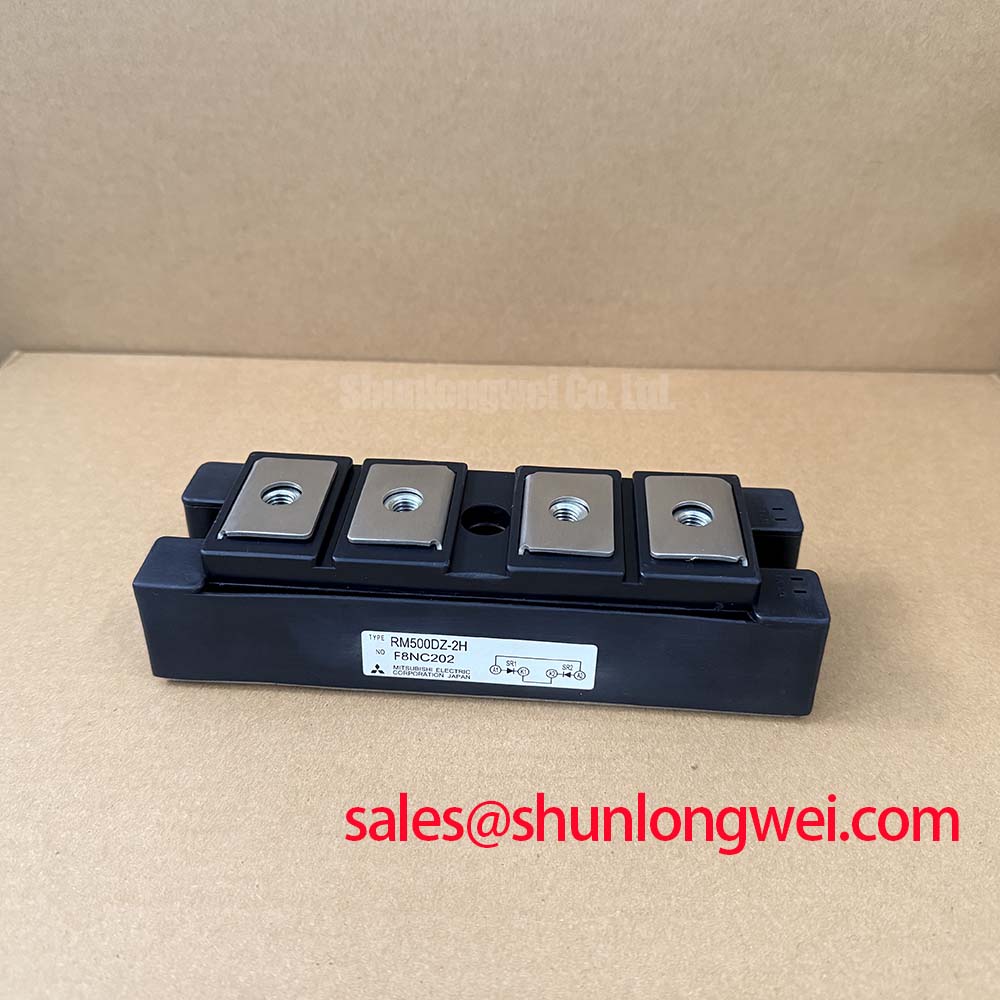
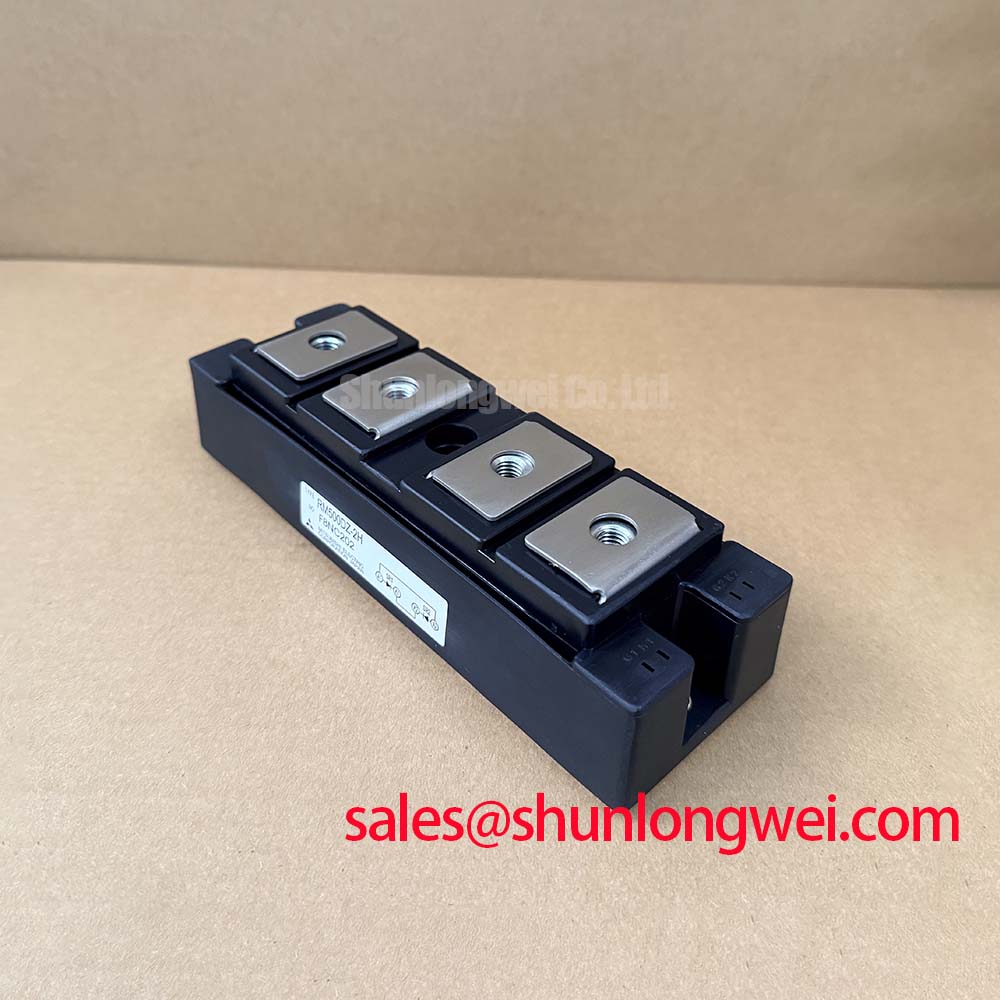
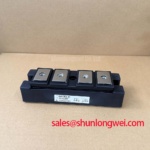
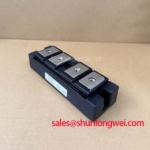
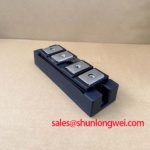
The RM500DZ-2H is a high-capacity dual diode module engineered for robust rectification in industrial power systems, delivering a critical balance of thermal efficiency and surge resilience. Featuring a 1000V repetitive peak reverse voltage and 500A average forward current, this module is built to withstand the rigorous demands of heavy-duty motor drives and uninterruptible power supplies (UPS). For industrial engineers prioritizing thermal margin in 400V-480V systems, the RM500DZ-2H remains an industry-standard choice for long-term reliability. What is the primary benefit of its high surge current rating? It ensures system survival during sudden load transients or faults, preventing catastrophic downtime.
Key Parameter Overview
Decoding the Specs for Enhanced Thermal Reliability
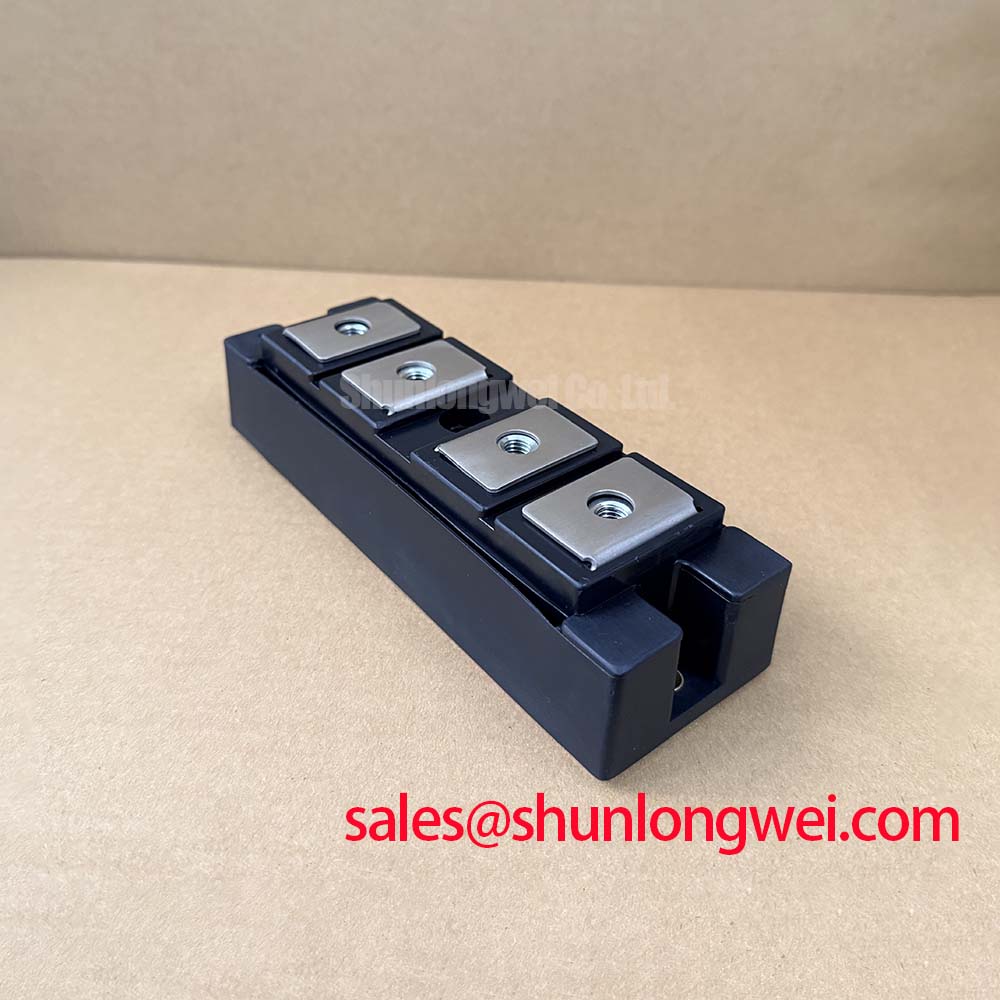
The RM500DZ-2H is designed as a series-connected dual diode module, which simplifies the construction of bridge rectifiers in high-power applications. The following table highlights the core technical specifications required for system integration and thermal calculations.
| Parameter Symbol | Technical Metric | Value |
|---|---|---|
| V_RRM | Repetitive Peak Reverse Voltage | 1000V |
| I_F(AV) | Average Forward Current (Per element) | 500A |
| I_FSM | Surge Forward Current (60Hz, Half Cycle) | 10,000A |
| V_FM | Maximum Forward Voltage Drop (at 1500A) | 1.3V |
| R_th(j-c) | Thermal Resistance (Junction to Case) | 0.07°C/W |
| V_iso | Isolation Voltage (RMS) | 2500V |
Download the RM500DZ-2H datasheet for detailed specifications and performance curves.
Application Scenarios & Value
Achieving System-Level Benefits in High-Current Rectification
In high-power environments like Variable Frequency Drives (VFD) or massive battery charging systems, the front-end rectifier is the gatekeeper of energy. Engineers often face the challenge of handling startup inrush currents that can exceed nominal ratings by several multiples. The RM500DZ-2H addresses this with a surge forward current (I_FSM) rating of 10,000A. This capability acts like a high-capacity reservoir, absorbing transient spikes without degrading the silicon die.
For designers working on 400V AC line inputs, the 1000V V_RRM provides a substantial safety overhead against line voltage fluctuations and switching transients. In systems where space is at a premium but current demands are high, the isolated package allows for multiple modules to be mounted on a single Thermal Management heatsink, simplifying the mechanical layout. If your design requires slightly lower current handling, the RM100DZ-H offers a more compact alternative while maintaining the same Mitsubishi engineering standards. This module is also frequently utilized in welding power supplies and high-power DC power supplies where efficiency and heat dissipation are non-negotiable.
Integrating these modules requires a deep understanding of the surrounding power stage. Engineers can gain further insights through our comprehensive guide on IGBT modules and power electronics design. Proper synchronization with protection standards like IEC 61800-3 ensures global compliance for industrial equipment.
Technical Deep Dive
A Closer Look at Thermal Resistance and Packaging Robustness
The longevity of a 500A diode module is dictated almost entirely by its ability to move heat away from the junction. The RM500DZ-2H features an ultra-low thermal resistance (R_th(j-c)) of 0.07°C/W. To visualize this, consider thermal resistance as a "heat drainage pipe." A low value means the pipe has a massive diameter, allowing the intense thermal energy generated at the junction to "flow" effortlessly into the heatsink. This prevents localized hotspots that could lead to premature aging of the silicon-to-copper bond.
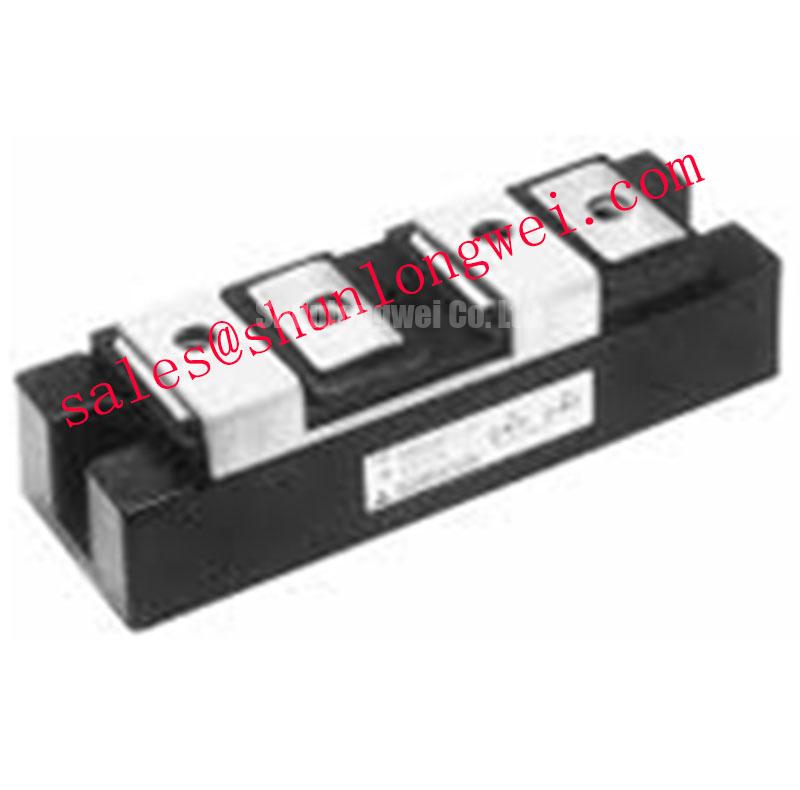
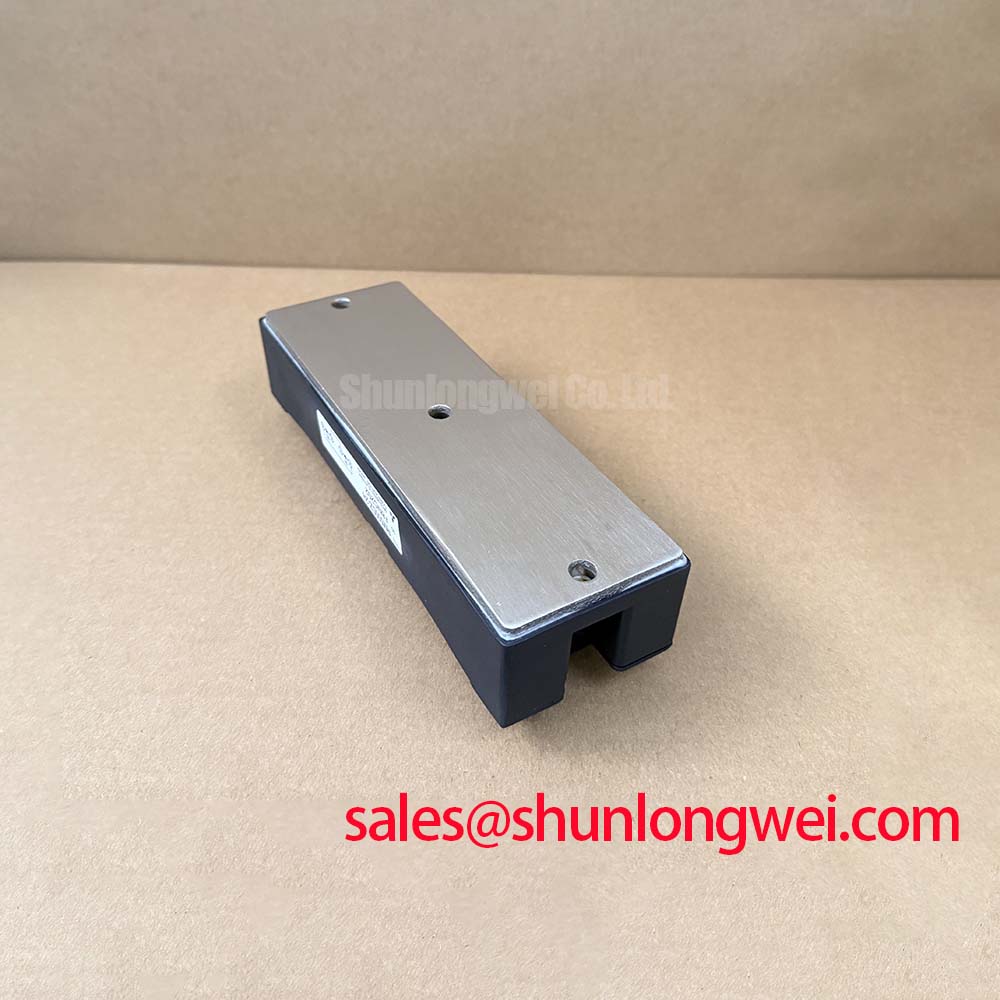
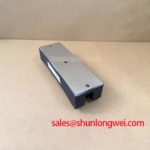
The module's physical construction utilizes an isolated baseplate, which eliminates the need for external insulation washers. This "pressure-contact" style packaging is inherently superior to solder-based designs for Power Cycling Capability. By mechanically clamping the internal components, the module can better survive the repetitive thermal expansion and contraction cycles common in equipment that starts and stops frequently. For those interested in the nuances of component behavior, decoding technical datasheets is essential for predicting performance under extreme duty cycles. Furthermore, understanding Thermal Resistance fundamentals helps in selecting the correct cooling solution to keep the case temperature within safe operating limits.
Frequently Asked Questions
How does the Rth(j-c) of 0.07°C/W directly impact heatsink selection and overall system power density?
The low R_th(j-c) of 0.07°C/W allows the RM500DZ-2H to operate at higher power densities because it requires a less aggressive (and often smaller) heatsink to maintain the junction temperature (Tj) below the maximum limit. This efficiency enables engineers to pack more power into a smaller cabinet footprint while ensuring long-term Thermal Management stability.
What design considerations are necessary to utilize the 10,000A surge current capability effectively?
To leverage the 10,000A surge rating, engineers must ensure that the connecting busbars and Snubber Circuit are sized to handle the peak electromagnetic forces and voltage spikes associated with such a current. The I_FSM rating is a survival specification for non-repetitive events; frequent excursions to this level will shorten the module's life.
Is the 1.3V forward voltage drop (V_FM) considered efficient for high-power DC link applications?
Yes. At a test current of 1500A, a 1.3V drop is competitive for this class of Diode Module. Low forward voltage drop directly reduces conduction losses ($P = V_F times I_F$), which is critical in maintaining overall system efficiency in Variable Frequency Drives and Industrial Inverters.
Can the RM500DZ-2H be used in 690V AC line systems?
Generally, no. For a 690V AC system, the peak voltage is approximately 975V. Considering transient spikes and the required safety margin, a 1000V V_RRM is insufficient. For such applications, a module with a 1600V or 1800V rating would be standard to ensure Safe Operating Area compliance.
In the evolving landscape of power electronics, the RM500DZ-2H remains a cornerstone of reliability for high-current rectification. Its combination of high surge capacity and exceptional thermal characteristics provides engineers with the necessary headroom to design robust, high-uptime industrial systems. As global energy standards move toward higher efficiency, selecting components with proven performance histories is a strategic move for any long-term project.