
Content last revised on September 10, 2026
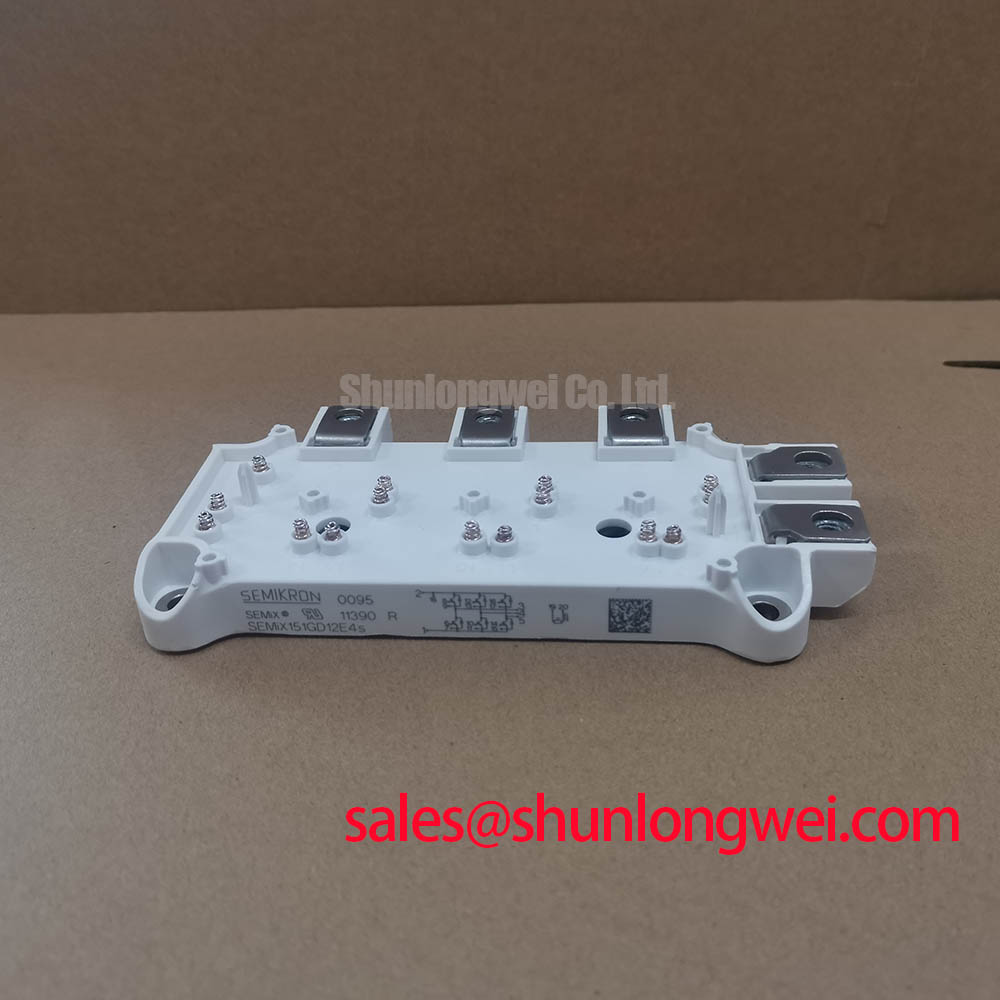
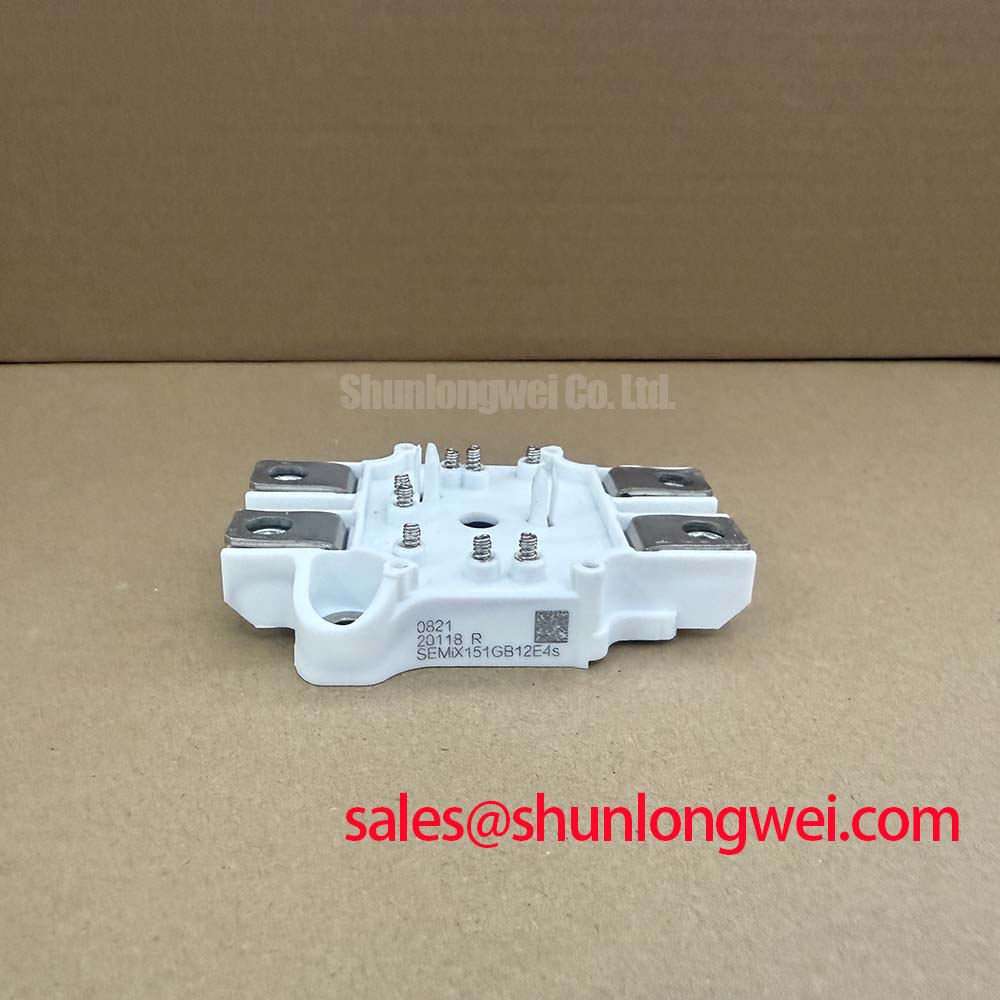
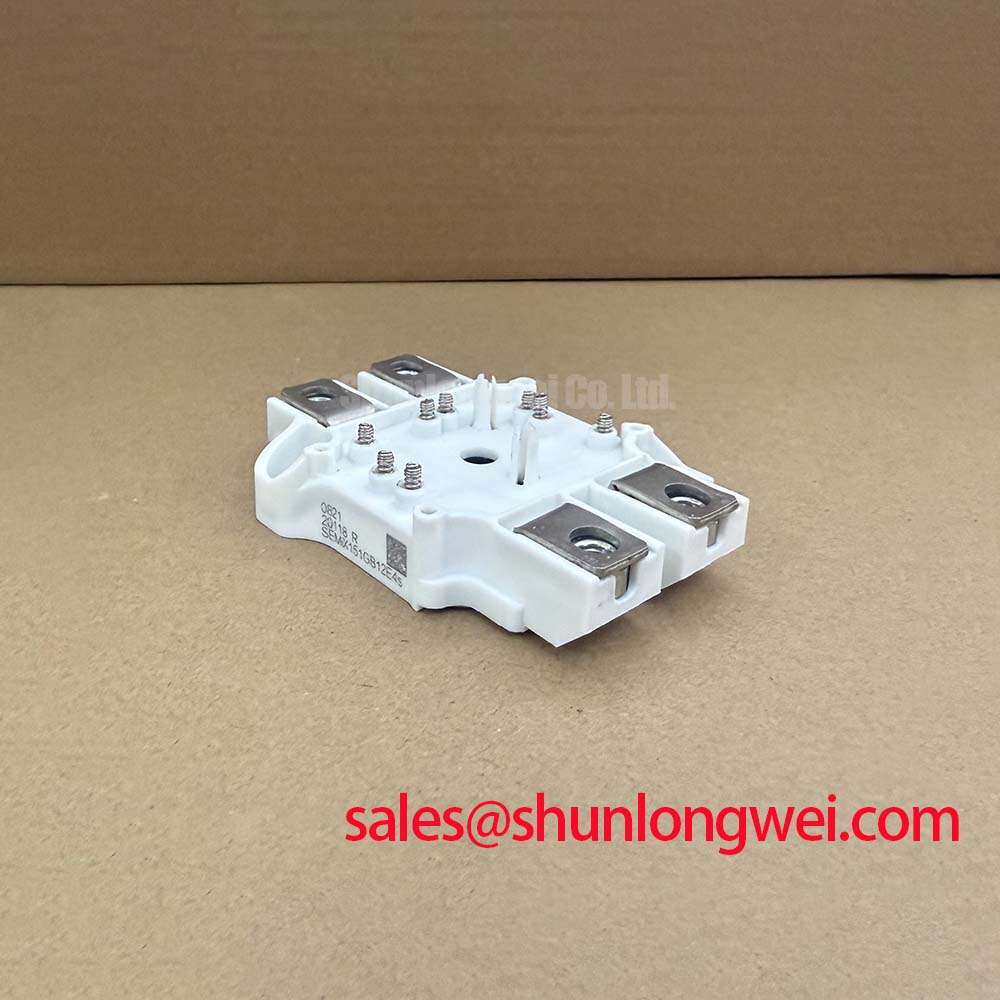
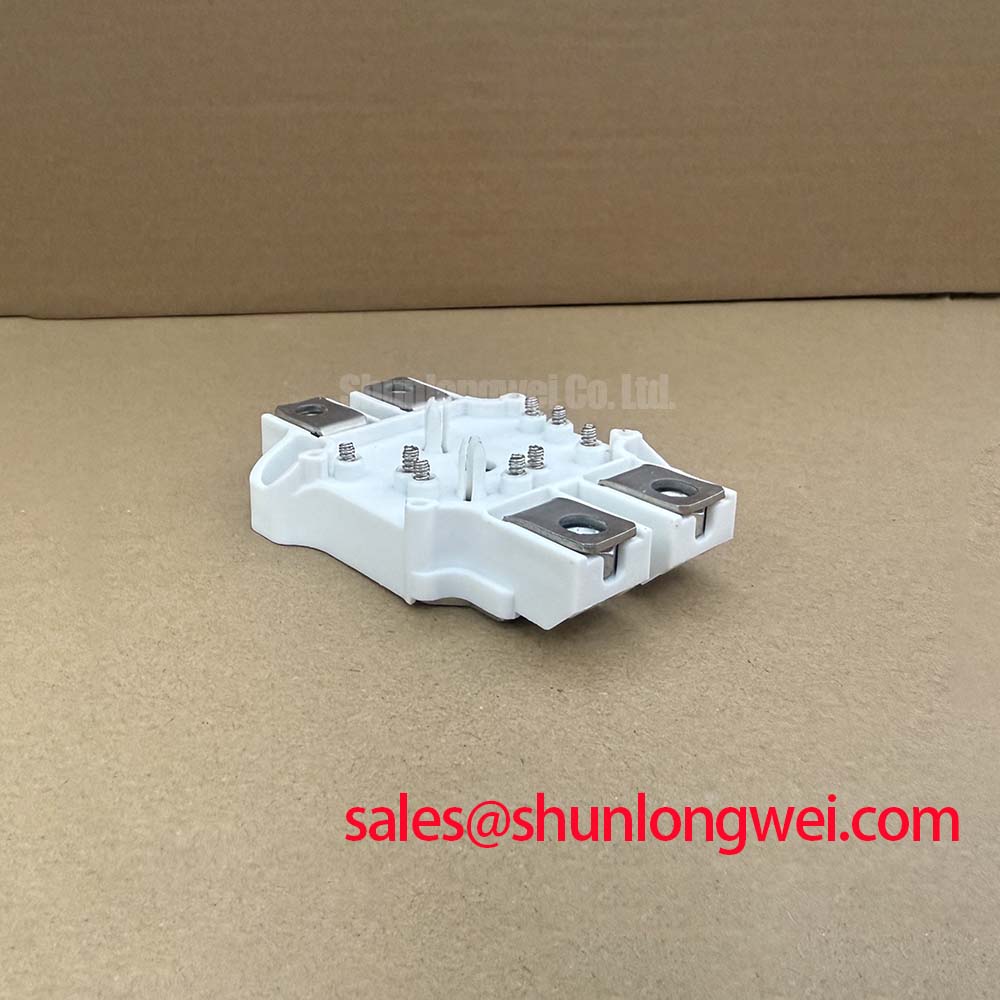
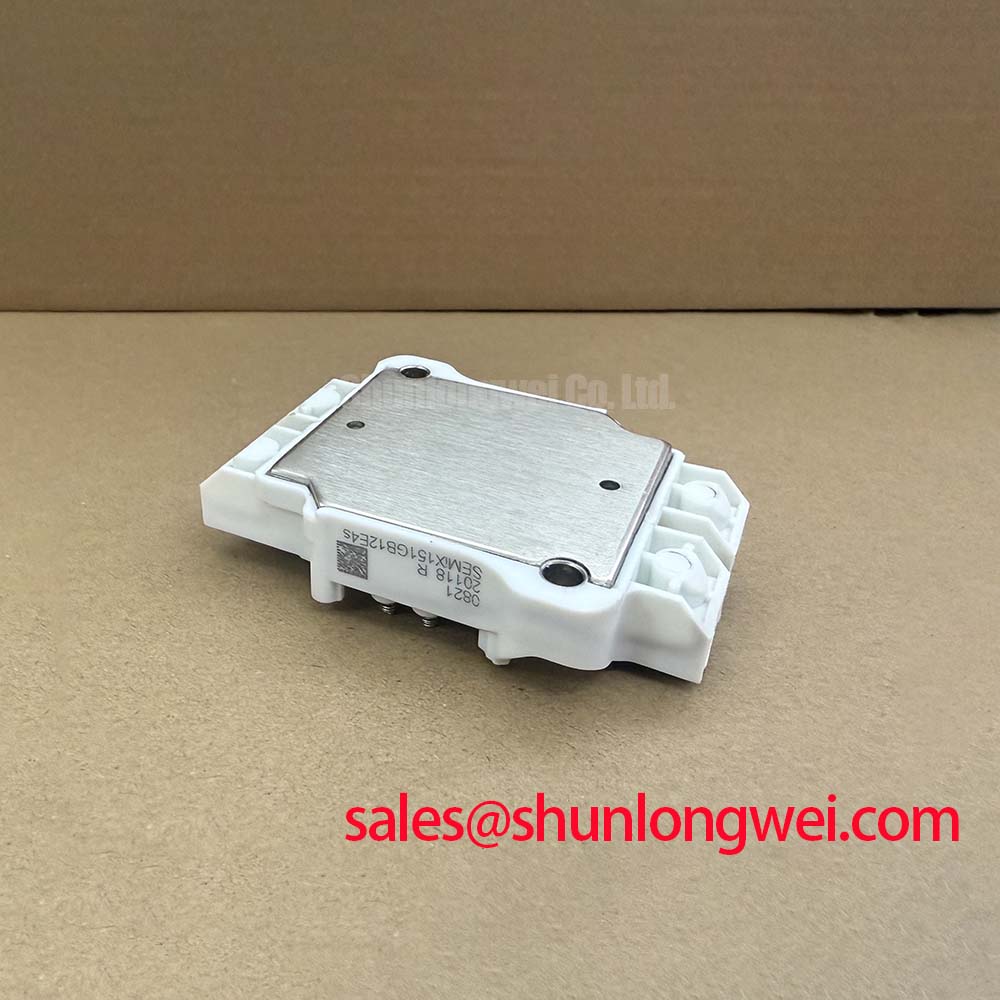
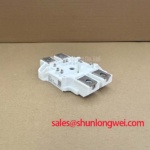
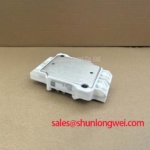
SEMiX151GB12E4S Semikron Danfoss: 1200V 150A Trench IGBT 4 Half-Bridge Module
The SEMiX151GB12E4S leverages advanced Trench IGBT 4 technology to deliver exceptional thermal reliability and short-circuit ruggedness for sophisticated industrial power control. Featuring a 1200V voltage rating, a 150A continuous collector current, and an integrated half-bridge topology, this module significantly minimizes switching losses while enhancing dynamic thermal sharing. How does the positive temperature coefficient help? It inherently balances current, preventing hotspots in parallel configurations. By maintaining a stable Safe Operating Area (SOA) under transient faults, it provides the precise control necessary for high-frequency inversion.
Key Parameter Overview
Decoding the Specs for Enhanced System Reliability
| Parameter | Value | Engineering Significance |
|---|---|---|
| Vces (Collector-Emitter Voltage) | 1200V | Provides necessary headroom for standard 400V and 480V industrial grid topologies. |
| Ic (Continuous Collector Current) | 150A | Ensures stable power delivery across demanding high-torque load cycles. |
| Vce(sat) (Typical at 150A) | 1.8V | Reduces static conduction losses, improving overall inverter efficiency. |
| Configuration | Half-Bridge | Simplifies phase-leg PCB layouts in three-phase inverter designs. |
| Chip Technology | Trench IGBT 4 | Balances low turn-off energy with extended short-circuit withstand time. |
Download the SEMiX151GB12E4S datasheet for detailed specifications and performance curves.
Application Scenarios & Value
Achieving System-Level Benefits in High-Frequency Power Conversion
For high-stress industrial motor drives requiring extended short-circuit withstand times, this 1200V 150A module is the optimal choice. Engineers frequently encounter thermal management bottlenecks when designing high-capacity Variable Frequency Drives (VFD) or Uninterruptible Power Supplies (UPS). The SEMiX151GB12E4S mitigates these thermal constraints directly at the silicon level. The Trench 4 chips exhibit a pronounced Positive Temperature Coefficient (PTC). When operating temperatures rise during heavy load cycles, the saturation voltage increases, which naturally diverts excess current away from hotter regions toward cooler chips. This autonomous balancing is crucial for maintaining module longevity in Matrix Converters and heavy-duty automation drives.
Proper voltage, current, and thermal management determines the ultimate mean time between failures (MTBF) for power electronics. By integrating a homogeneous silicon structure, the module ensures that electrical parameters remain consistent across the entire component, reducing the need for aggressive external snubber networks. For applications demanding higher power density, the related SEMIX303GB12E4S provides a 300A rating within the same scalable packaging family.
Technical Deep Dive
A Closer Look at Trench 4 Silicon for Maximum Thermal Margin
The transition from planar to Trenchgate technology marks a fundamental shift in how power modules handle electron flow and thermal density. What is the primary benefit of its Trenchgate design? It minimizes conduction losses while maximizing short-circuit ruggedness. Think of the Trenchgate structure as deepening a river channel rather than widening it; it allows a massive volume of current to pass through vertically without increasing the horizontal surface area of the chip. This vertical geometry drastically reduces the on-state resistance, leading to the exceptionally low 1.8V Vce(sat) observed in the SEMiX151GB12E4S.
Furthermore, the thermal architecture of the SEMiX 1s package plays a pivotal role in unlocking IGBT thermal performance. The baseplate is designed for ultra-low thermal resistance, ensuring that heat generated at the junction is rapidly transferred to the heatsink. We can view the Positive Temperature Coefficient as an automatic traffic metering system. When one semiconductor lane becomes thermally congested, it introduces resistance, gracefully forcing the current to distribute evenly across alternate pathways. This synergy between chip topography and advanced packaging protects the module against destructive thermal runaway.
Frequently Asked Questions
Addressing Common Engineering Inquiries
How does the positive temperature coefficient directly impact parallel inverter designs?
The PTC property ensures that as an individual chip heats up, its on-state resistance increases. This physical trait naturally forces current to shift to cooler chips, guaranteeing balanced load sharing and eliminating the need for complex external balancing circuitry during paralleling.
What is the engineering significance of the 1.8V Vce(sat) rating?
A lower saturation voltage implies reduced static power dissipation. In high-duty-cycle applications like industrial VFDs, this translates directly to lower cooling requirements, allowing for smaller heatsinks and higher overall volumetric power density.
Why is high short-circuit capability essential for the SEMiX151GB12E4S?
In the event of a phase-to-phase or phase-to-ground fault, a high short-circuit withstand time provides the crucial microsecond window necessary for the gate driver desaturation protection to detect the anomaly and safely cut off the gate signal, averting catastrophic module rupture.
How does the SEMiX 1s package format simplify system assembly?
The low-profile package utilizes a scalable housing design that supports direct PCB mounting through spring or solder pins. This eliminates bulky busbar connections for gate signals, reducing stray inductance and suppressing harmful voltage overshoots during rapid switching events.
Strategic adoption of the SEMiX151GB12E4S empowers design teams to architect highly resilient inverter platforms. By leveraging its superior thermal dynamics and robust silicon engineering, developers can confidently address the escalating power density requirements of modern industrial automation grids.