Content last revised on September 10, 2026
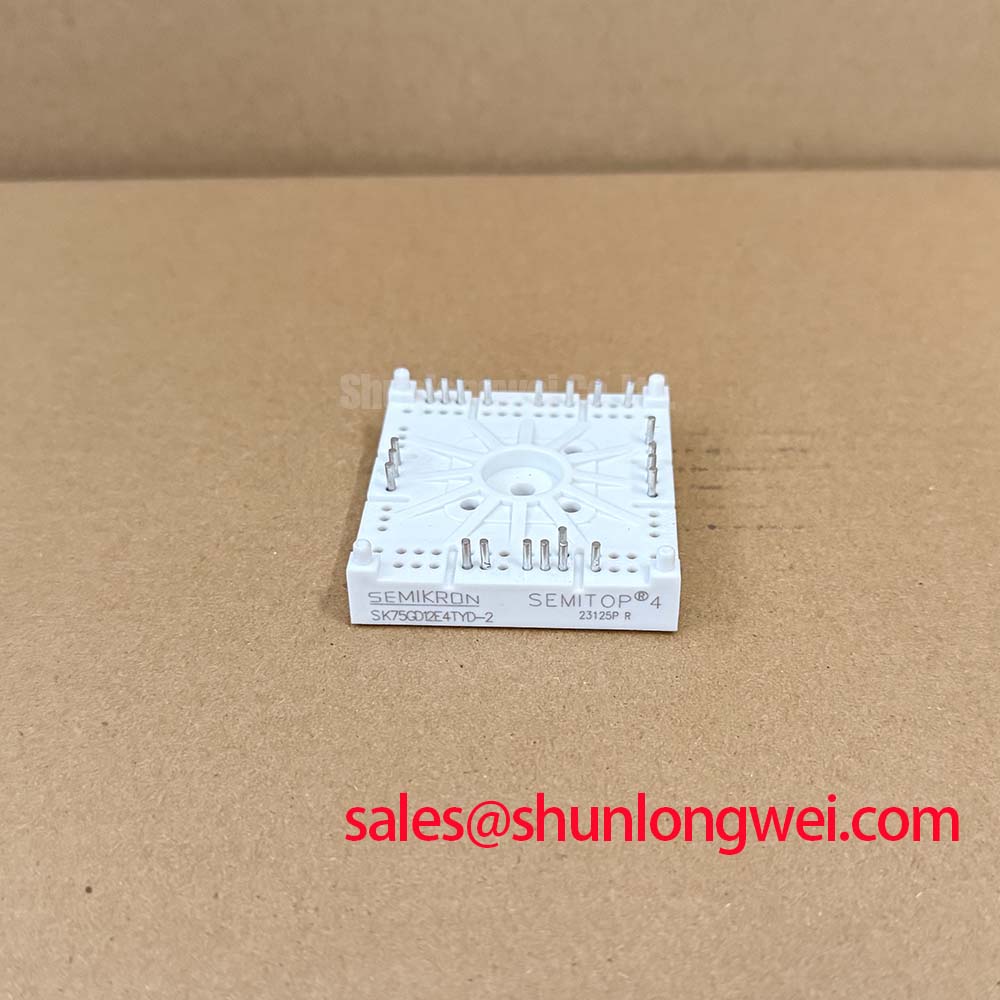
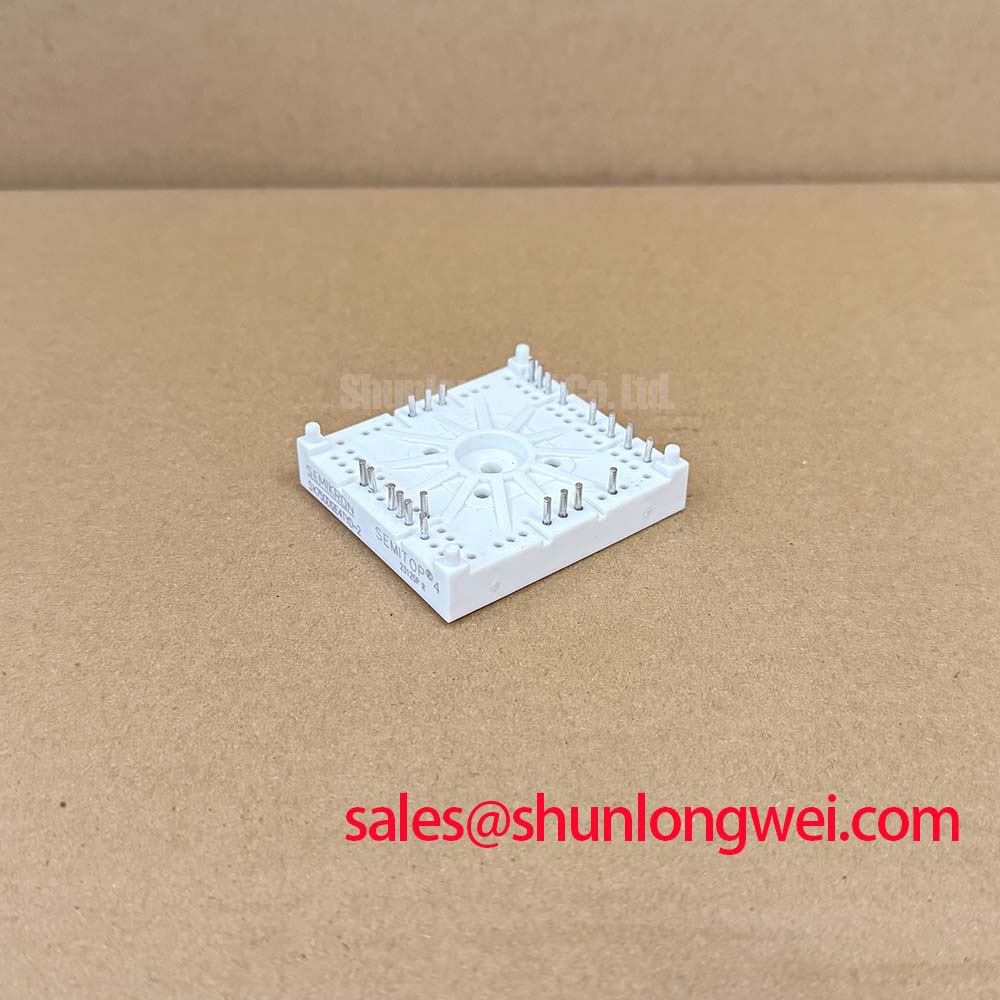
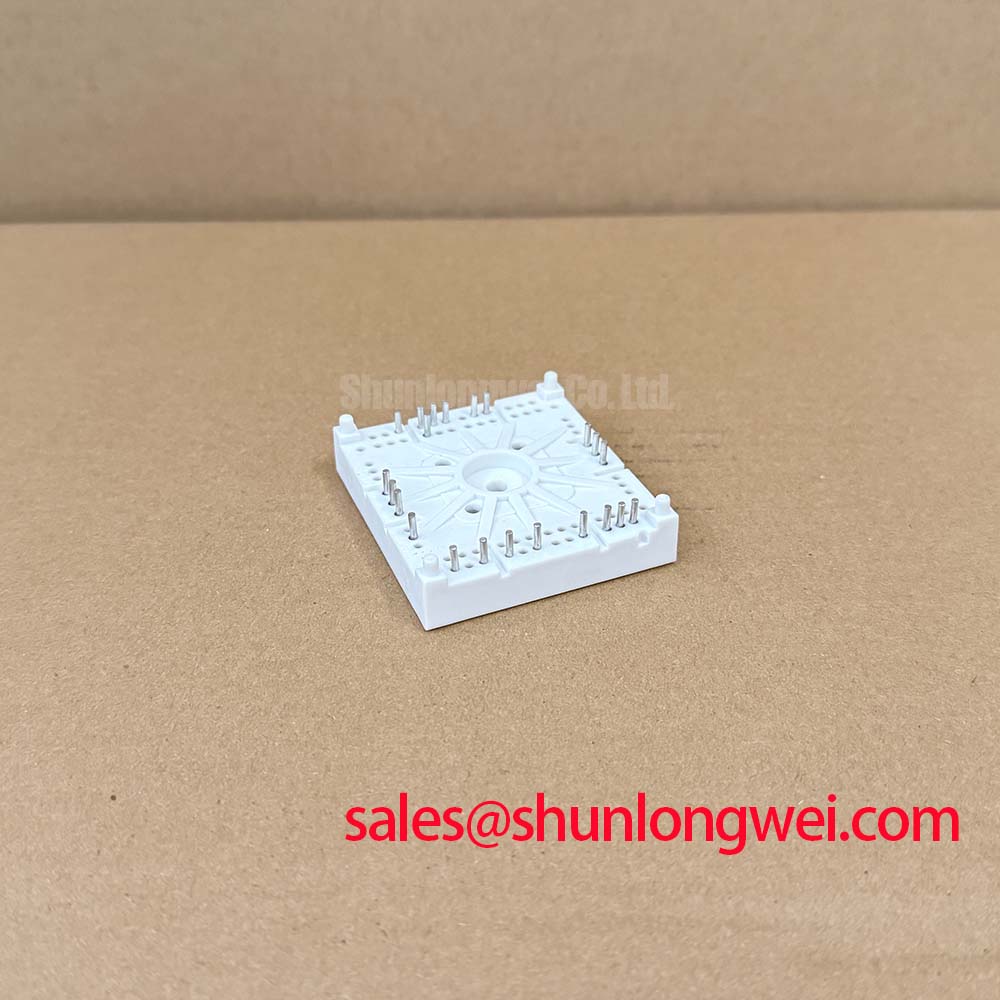
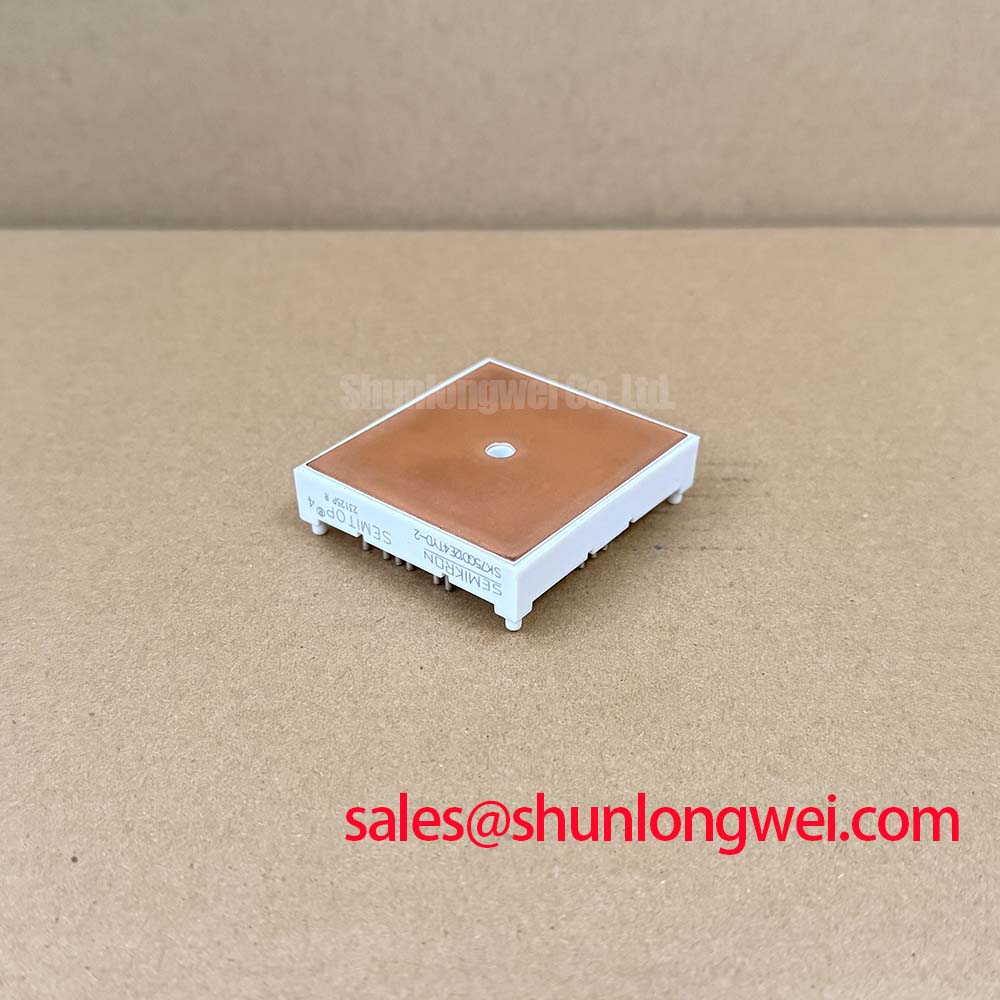
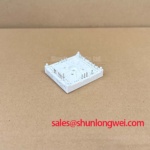
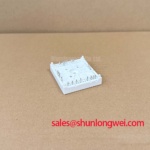
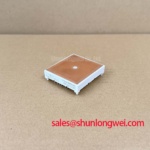
Semikron Danfoss SK75GD12E4TYD-2 1200V 75A IGBT Module
The SK75GD12E4TYD-2 provides a low-inductance sixpack topology that minimizes switching losses and simplifies layout in industrial inverters. Key specs: 1200V | 75A | VCE(sat) 1.85V. Benefits: reduces parasitic inductance; lowers thermal resistance. By utilizing press-fit pins, this module eliminates solder joint thermal fatigue, ensuring long-term interconnect reliability in heavy thermal cycling environments. For 400V AC grid applications prioritizing thermal margin and high power density, this 1200V module is the optimal choice.
Application Scenarios & Value
Optimizing System Reliability and Lifetime in Harsh Industrial Environments
Engineers often face severe thermal cycling challenges when designing compact motor controllers for heavy-duty machinery. The SK75GD12E4TYD-2 addresses these issues through its integrated sixpack architecture and solderless mounting, which directly mitigates thermal fatigue in high-stress settings. In industrial welding power supplies, high-frequency switching demands precise gate control and minimal stray inductance to prevent voltage spikes. By combining a 1200V blocking voltage with a robust 75A nominal current rating, this module provides the ruggedness needed to handle severe starting surges without degradation. Integrating this module effectively requires a detailed analysis of IGBT modules to optimize electrical performance. While this model is ideal for compact designs, for systems requiring higher current handling, the related SKM300GA123D offers a higher nominal current of 300A.
Technical & Design Deep Dive
Decoding the Trench IGBT4 and Solderless Press-Fit Architecture
The core switching performance of the module relies on Trench IGBT4 chip technology. This design utilizes vertical trench gates to lower the collector-emitter saturation voltage VCE(sat) to a typical 1.85V. To understand this, imagine VCE(sat) as a narrow water pipe; a lower voltage drop represents a wider pipe that permits current flow with minimal energy restriction. Consequently, this technology dramatically reduces conduction losses during high-current operation. This optimization is crucial for maintaining overall efficiency in standard pulse-width modulation (PWM) drive stages.
Thermal management is another critical area where the module excels. The direct copper bonded (DCB) substrate keeps the junction-to-case thermal resistance Rth(j-c) exceptionally low. We can compare thermal resistance to a narrow bridge bottleneck for traffic; a lower thermal resistance acts like a multi-lane highway, allowing heat to escape rapidly from the silicon die to the heatsink. Combined with the CAL4F free-wheeling diode, which features soft recovery characteristics, the module operates cooler under heavy switching conditions. Designers should review the general guidelines for power semiconductor selection to ensure this device fits their topology.
Key Parameter Overview
Highlighting Key Specs for Rigorous Thermal Management
The following table outlines the essential electrical and thermal parameters of the module under standard test conditions.
| Parameter | Value / Rating | Test Conditions / Notes |
|---|---|---|
| Collector-Emitter Voltage (VCES) | 1200V | Tj = 25°C |
| Continuous Collector Current (IC) | 75A | Ts = 80°C (SEMITOP housing) |
| VCE(sat) (IGBT Saturation Voltage) | 1.85V (typical) | IC = 75A, VGE = 15V, Tj = 25°C |
| Gate-Emitter Threshold Voltage (VGE(th)) | 5.8V (typical) | VGE = VCE, IC = 3mA |
| Integrated Temp Sensor (NTC) | 5 kΩ (typical) | R25 resistance at 25°C |
| Package Type | SEMITOP E2 | Solderless Press-Fit terminals |
Frequently Asked Questions
Solving Design Challenges in Motor Drive Engineering
What are the primary benefits of the Press-Fit contact technology in the module?
Press-Fit technology establishes a gas-tight, solderless mechanical connection. What is the primary benefit of its Press-Fit contact technology? Solderless assembly that completely eliminates thermal fatigue in joints.
How does the integrated NTC thermistor assist in gate drive design and system protection?
The integrated thermistor provides continuous, real-time temperature feedback directly from the module's substrate. Designers can utilize this signal to implement temperature-dependent limiters or shutdown procedures within their gate drive design parameters.
Can the module be used for high-frequency switching applications above 20 kHz?
Yes, the Trench IGBT4 technology is optimized for fast switching with minimal turn-off losses. However, at higher frequencies, switching losses increase, requiring careful heat dissipation design to remain within the Safe Operating Area. What is the typical switching voltage of this module? The device operates reliably at collector-emitter voltages up to 1200V.
What is the typical collector-emitter saturation voltage (VCE(sat)) at elevated temperatures?
The saturation voltage starts at a typical 1.85V at 25°C and rises to approximately 2.25V at 150°C. This positive temperature coefficient simplifies paralleling by preventing current hogging and thermal runaway across chips.
Adopting modules that integrate advanced thermal packaging and low-inductance connections is essential as global energy regulations push for higher efficiency in power conversion. Leveraging these integrated characteristics allows design engineers to optimize power density and overall system longevity without compromising on thermal overhead or electrical reliability.