Content last revised on September 10, 2026
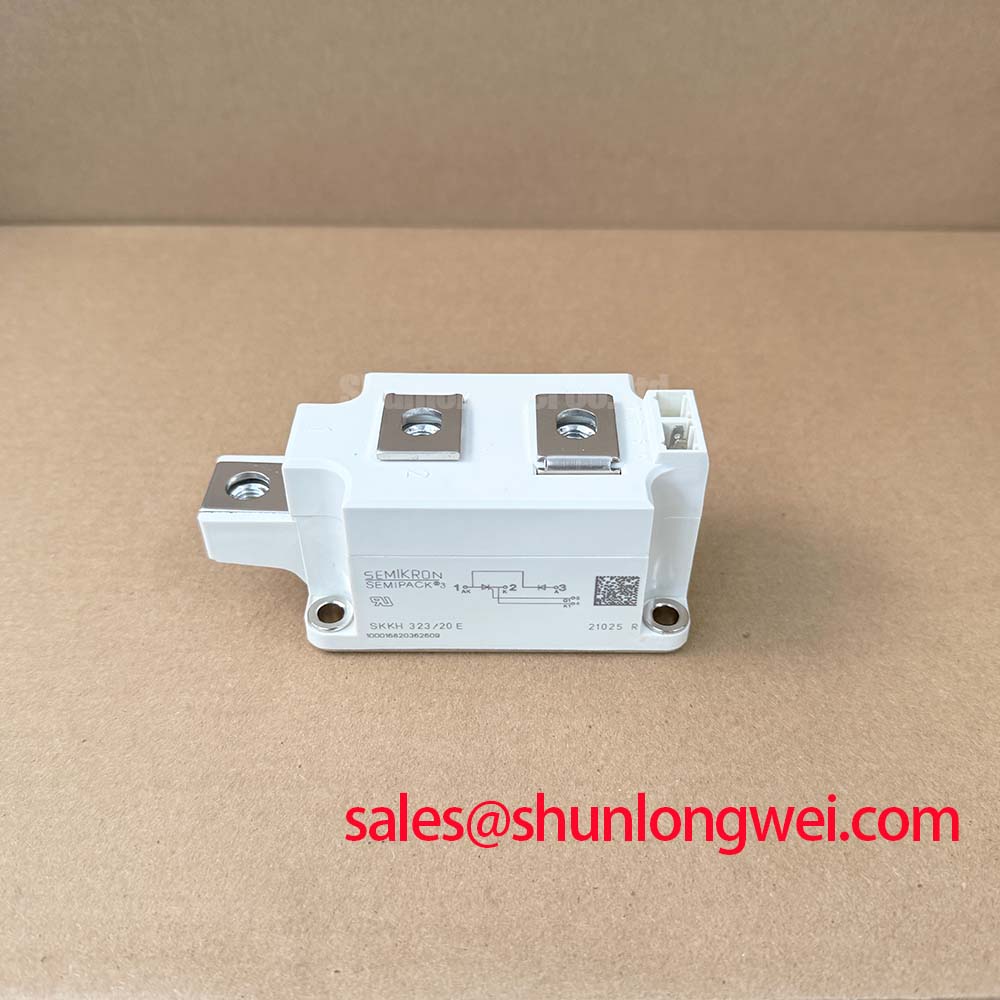
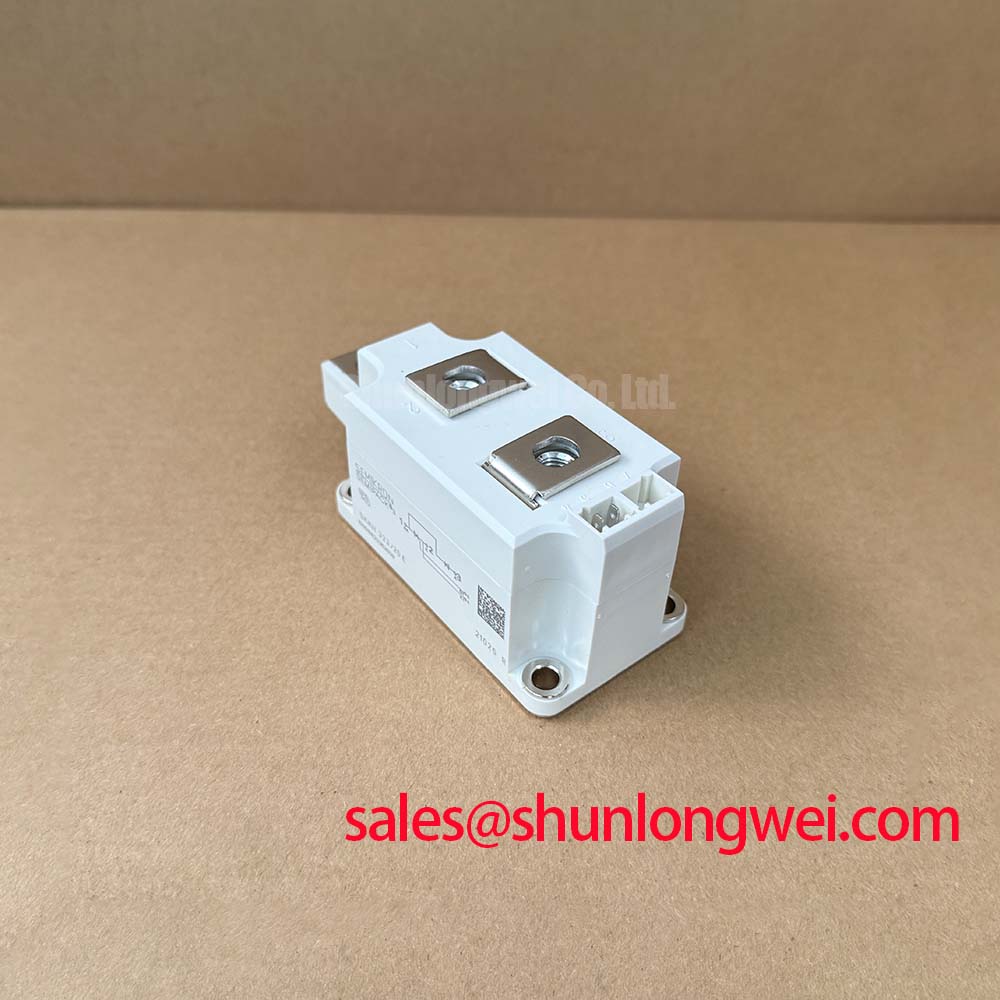
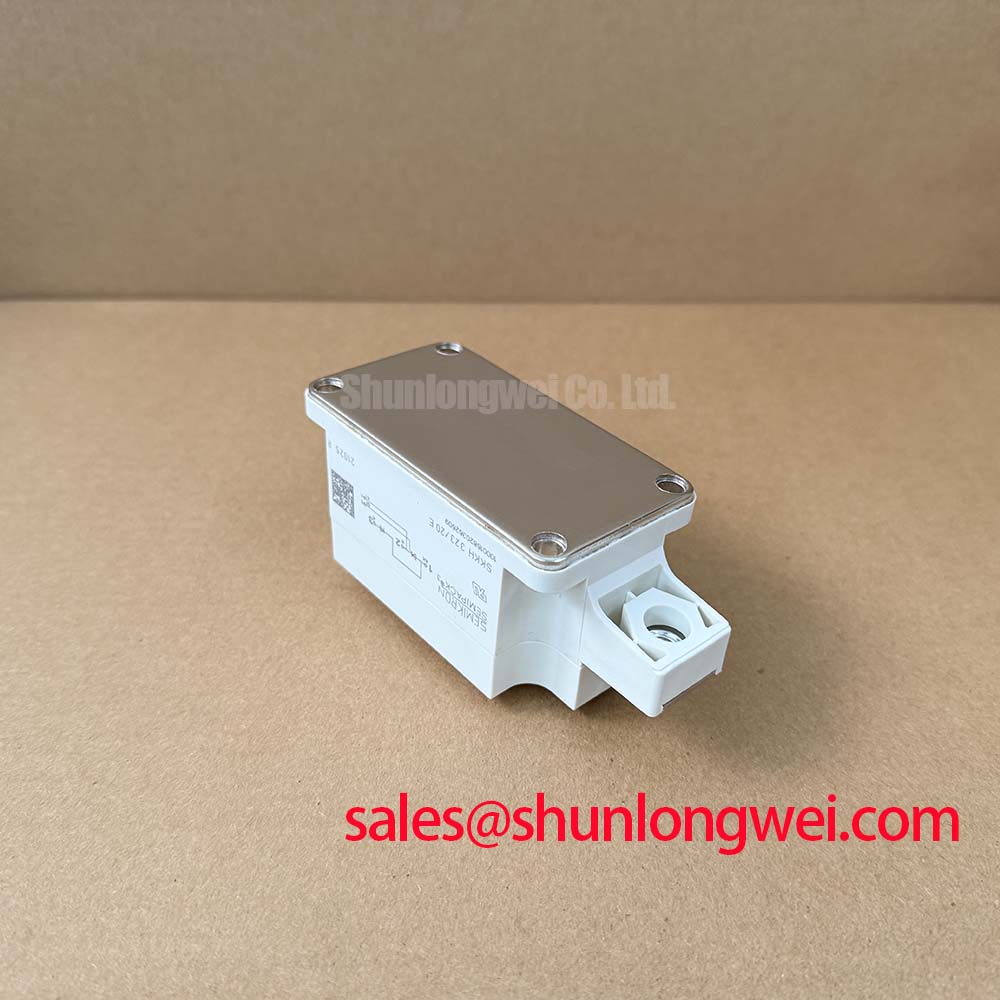
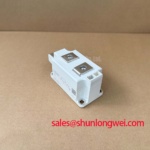
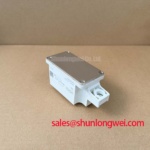
SKKH323/20E Semikron Thyristor Diode Module: High-Voltage Phase Control and Rectification
Delivering enhanced thermal stability and high-voltage ruggedness, the SKKH323/20E utilizes a ceramic isolated metal baseplate to ensure long-term reliability in rectifiers.
- Top specs: 2000V | 323A | Rth(j-c) 0.091 K/W
- Benefits: Low thermal resistance; High power cycling capability
How does the pressure-contact assembly enhance reliability? It eliminates solder joint fatigue under high thermal swings. For high-voltage industrial applications requiring superior thermal cycle reliability, the 2000V, 323A SKKH323/20E is the optimal choice.
Application Scenarios & Value
Optimizing Thermal Stability in High-Demand Power Conversion Systems
Engineers often face the severe challenge of thermal stress and voltage degradation in high-voltage industrial environments, particularly when designing phase-control converters and AC motor starters. The SKKH323/20E addresses this head-on with its 2000V repetitive peak voltage rating, providing a critical safety margin against mains transients in 690V industrial power grids. By incorporating this module into industrial soft starters, engineers can protect the drive against line surge currents of up to 9500 A without risking avalanche breakdown, ensuring compliance with EMC standards such as IEC 61800-3 in industrial drive systems.
Furthermore, in temperature control systems for heavy ovens and chemical processes, the module's 323A average current handling capabilities allow for precise phase-angle regulation. Under continuous cycling, the direct copper bonded (DBC) alumina ceramic insulation provides an isolation voltage of 3000 V AC. For system designers comparing topologies, if your design requires a dual-thyristor configuration rather than a thyristor-diode hybrid, the related SKKT 323/16 E provides a dual-SCR alternative, whereas systems operating at lower voltages may benefit from the SKKH106/16E module. Additionally, for systems scaling up to even higher current capacities, the SKKH460/22EH4 offers higher current capabilities.
Technical & Design Deep Dive
Analyzing the Materials and Structure for Enhanced Thermal Resistance
The high reliability of the SKKH323/20E Thyristor/Diode Module is rooted in its advanced internal construction. Unlike standard modules that rely on simple soldered layers, this module features a direct copper bonded (DBC) Al2O3 (alumina) ceramic substrate. This ceramic layer acts like a thermal superhighway, conducting heat directly away from the active silicon chips to the copper baseplate. The resulting thermal resistance junction-to-case (Rth(j-c)) is restricted to just 0.091 K/W per thyristor. To put this in perspective, this low thermal resistance is the engineering equivalent of replacing a narrow gravel path with a multi-lane highway, allowing thermal energy to escape rapidly before the junction temperature (Tvj) exceeds the critical limit of 130 °C. For engineers focused on optimizing the heat sink surface and thermal interface material (TIM), understanding the thermal management of power modules is crucial. Additionally, when designing gate trigger circuits to prevent parasitic triggering, reference guides on decoding datasheets and preventing power semiconductor failures offer invaluable methodologies.
What is the primary benefit of its DBC ceramic design? Enhanced thermal dissipation by minimizing junction-to-case resistance.
What is the isolation rating of the SEMIPACK 3 package? It provides a certified isolation voltage of 3000V AC.
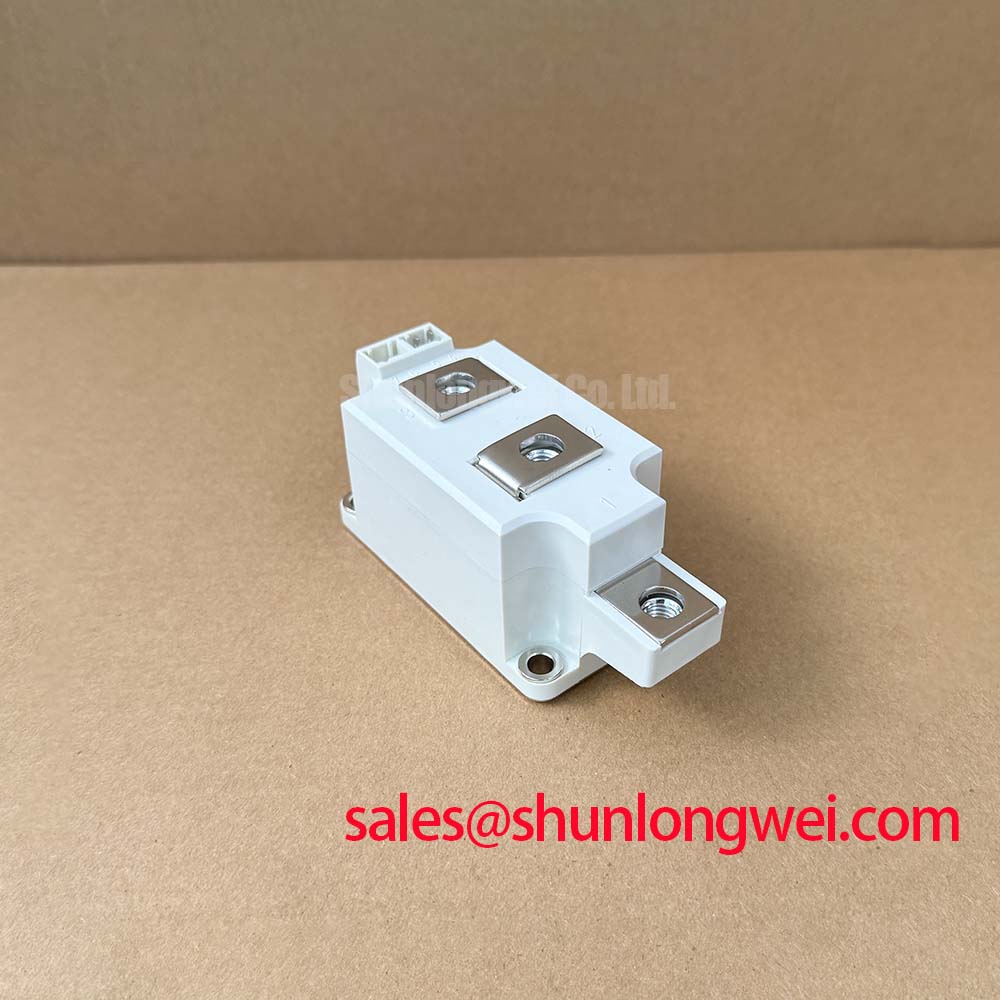
The module is housed in an industry-standard SEMIPACK 3 package, utilizing hard soldered joints that mitigate the effects of thermal expansion coefficient mismatch. In applications subject to frequent load changes—such as DC motor drives or professional light dimming systems—this package prevents mechanical fatigue. The threshold voltage (VT(TO)) of 0.81 V and an on-state slope resistance (rT) of 0.85 mΩ minimize conduction losses, allowing the module to maintain a high continuous root-mean-square current (ITRMS) of 520 A. Furthermore, the transient surge current capacity (ITSM) of 9500 A acts as an electrical firewall. This rating can be compared to a structural floodgate designed to withstand brief, extreme tidal waves; it allows the thyristor to survive a sudden 10-millisecond short-circuit surge without catastrophic failure, preserving system integrity. This design conforms to the strict requirements of a defined Safe Operating Area.
From a strategic perspective, the adoption of high-reliability components like the SKKH323/20E aligns with the broader industrial push toward grid resilience and carbon neutrality. By minimizing conduction and thermal losses, this module helps system integrators design more efficient variable speed drives and renewable grid rectifiers. Investing in modules with robust safety margins reduces long-term maintenance costs and catastrophic field failures, supporting the transition toward sustainable, zero-downtime industrial automation.
Key Parameter Overview
Technical Specifications for the SEMIPACK 3 SCR Module
| Parameter Symbol | Technical Specification | Key Highlight & Engineering Value |
|---|---|---|
| VRRM / VDRM | 2000V | Repetitive peak off-state & reverse voltage; provides critical margin for 690V line systems. |
| IT(AV) | 323A (at Tc = 84 °C) / 320A (at Tc = 85 °C) | Average on-state current; handles high-power continuous industrial loads. |
| ITRMS | 520A | Maximum continuous RMS current handling capacity. |
| ITSM | 9500 A (at Tvj = 25 °C, 10 ms) | Surge on-state current capability; ensures survivability under short-circuit conditions. |
| i²t | 450,000 A²s (at Tvj = 25 °C) | Fusing safety rating for selecting optimal semiconductor protection fuses. |
| VT | Max. 1.45 V (at IT = 750 A) | On-state voltage drop; crucial for calculating conduction power losses. |
| Rth(j-c) | 0.091 K/W (per thyristor) | Junction-to-case thermal resistance; enables compact heatsink designs. |
| Visol | 3000 V AC (1 min) | RMS isolation voltage; ensures operator and control circuit safety. |
Frequently Asked Questions
Addressing Engineering Queries on Thermal Performance and System Integration
How does the 2000V repetitive peak off-state voltage (VDRM) of the SKKH323/20E benefit 690V industrial line applications?
In 690V AC industrial systems, voltage spikes and grid transients can easily exceed the ratings of standard 1600V modules. The 2000V blocking capability of the SKKH323/20E provides a rugged safety barrier, preventing voltage puncture and device breakdown during line fluctuations. This voltage headroom eliminates the need for oversized snubber circuits, reducing overall bill of materials (BOM) cost and improving system reliability.
How does the junction-to-case thermal resistance (Rth(j-c)) of 0.091 K/W directly impact heatsink selection?
A lower thermal resistance of 0.091 K/W per thyristor means heat is transferred more efficiently from the internal silicon junction to the external copper baseplate. This rapid heat dissipation allows engineers to specify smaller, lighter heatsinks or operate the system at a higher ambient temperature without exceeding the maximum junction limit of 130 °C. Ultimately, this directly increases the system's power density.
Why is the ceramic isolated baseplate of the SEMIPACK 3 housing critical for soft-start applications?
Industrial soft starters experience severe thermal cycling during motor startup. The Semikron SEMIPACK 3 package uses a direct copper bonded (DBC) alumina (Al2O3) ceramic baseplate that matches the thermal expansion coefficients of the silicon chip better than copper-only plates. This design minimizes mechanical stress during rapid heating, significantly extending the power cycling lifetime of the module and preventing delamination.