



Content last revised on September 10, 2026
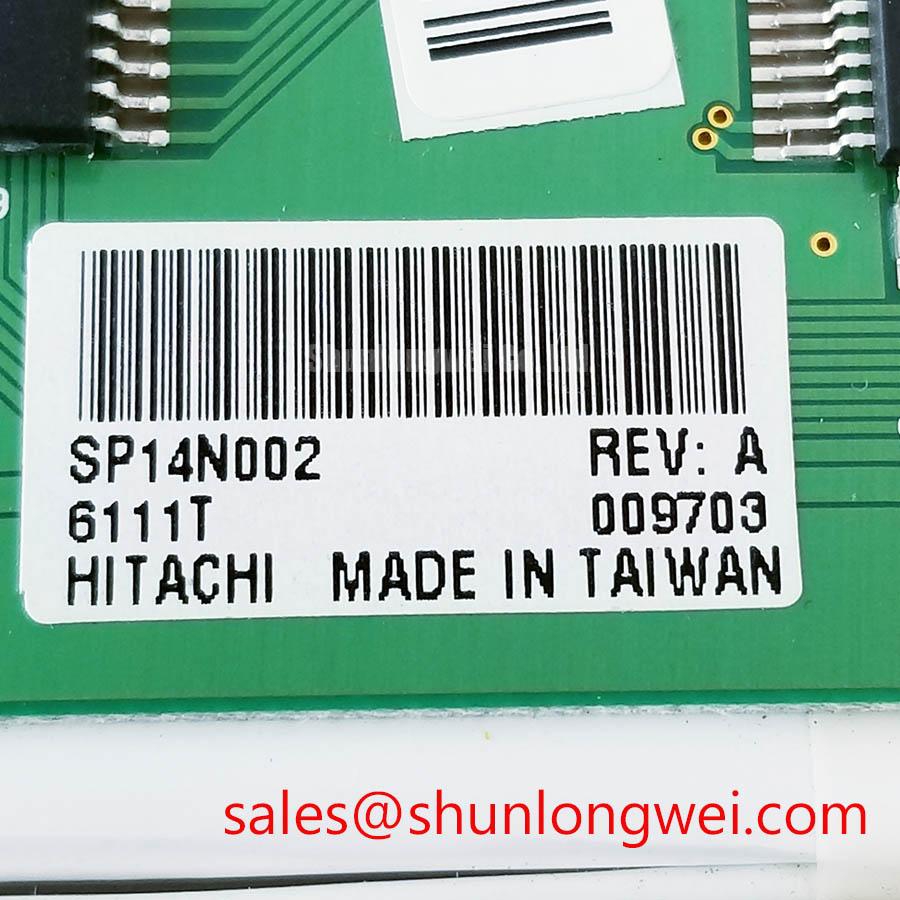
Hitachi SP14N002 | 5.8" 320x240 FSTN LCD Module for Industrial HMIs
Product Introduction
Engineered for Clarity and Durability in Demanding Environments
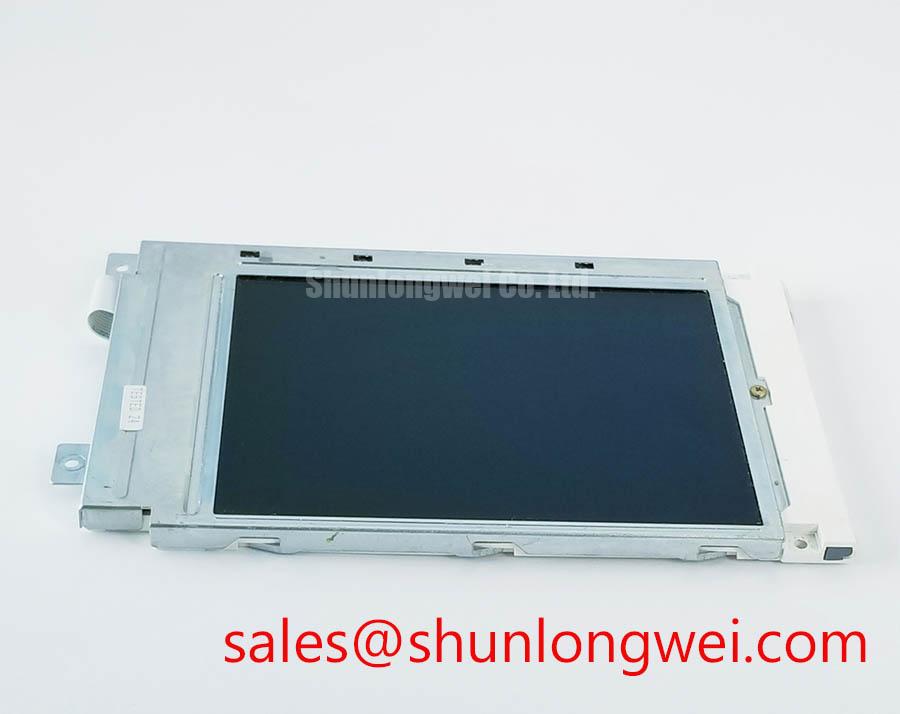
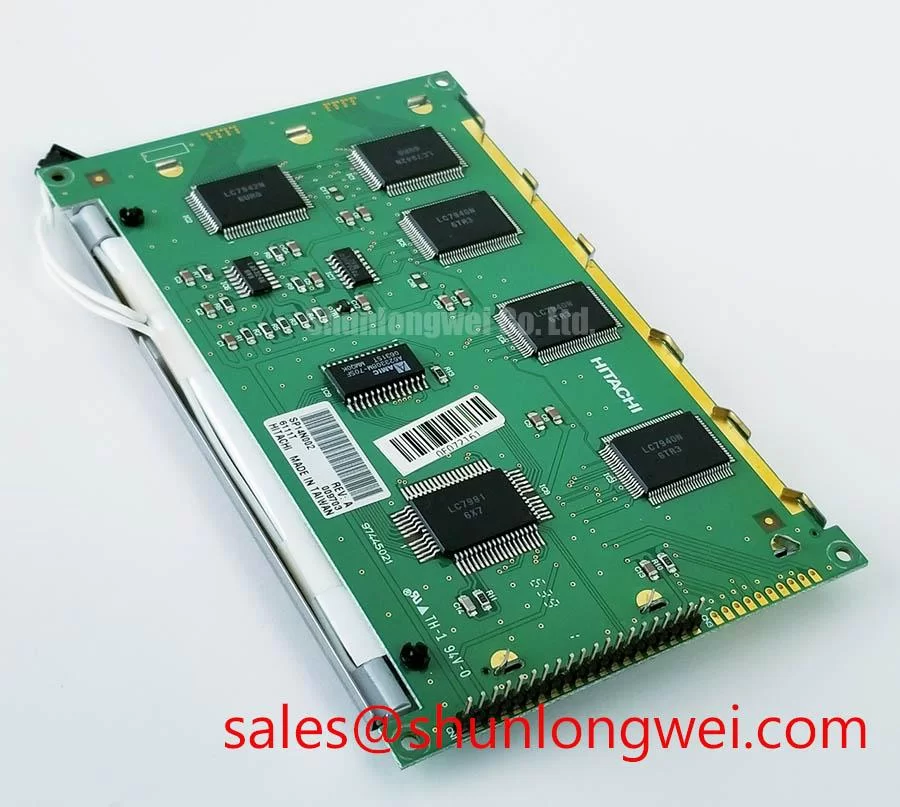
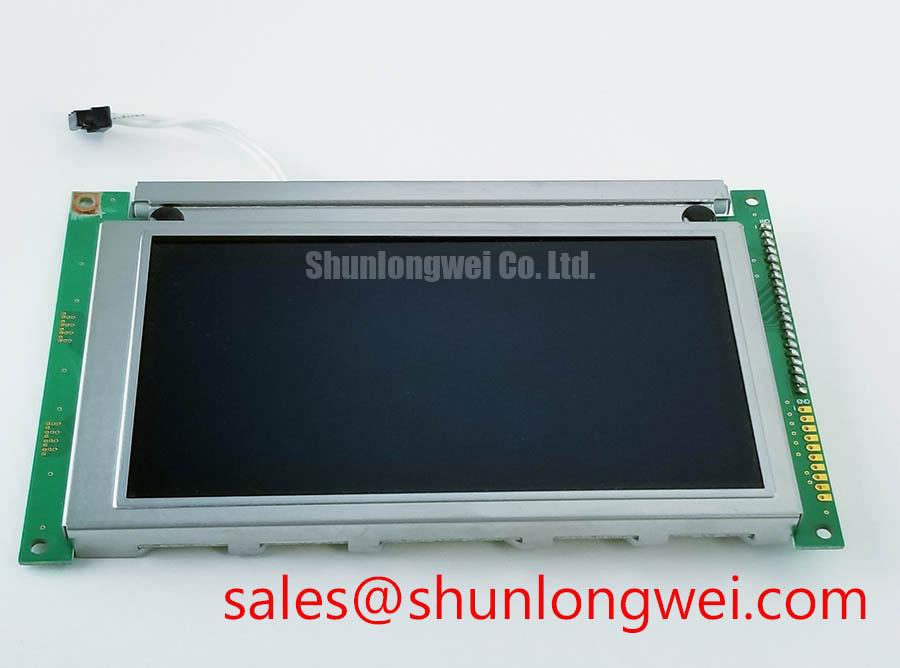
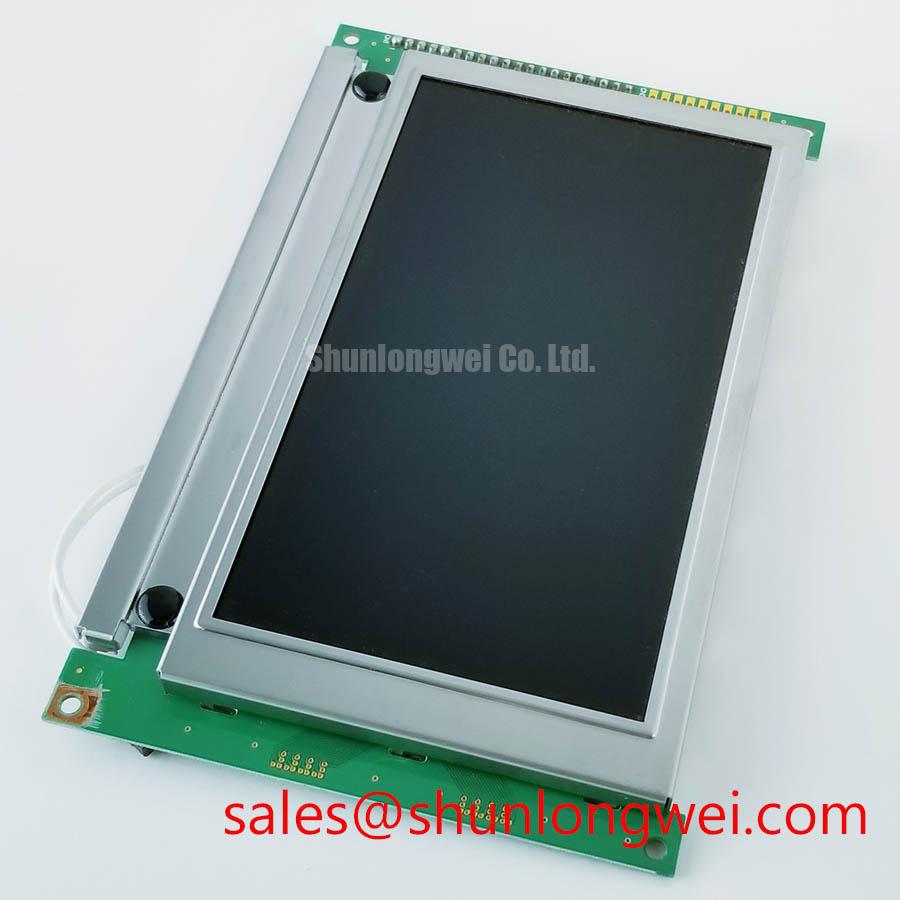
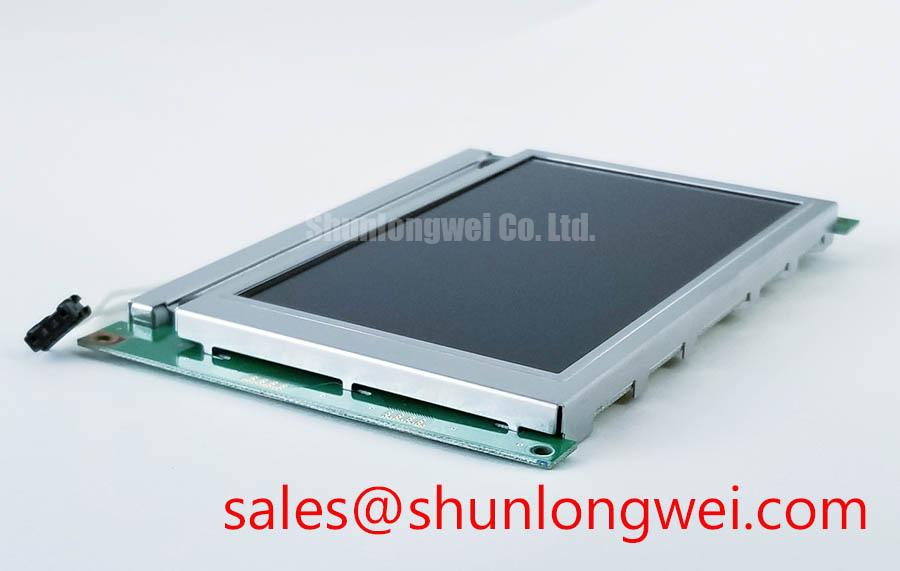
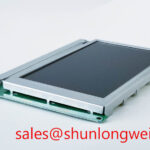
The Hitachi SP14N002 is a robust 5.8-inch QVGA FSTN display engineered for long-term readability and reliable performance in demanding industrial and medical environments. This monochrome module delivers exceptional clarity through its Film-compensated Super-twisted Nematic (FSTN) technology, ensuring critical data is legible under a variety of workplace conditions. Key specifications include a 5.8-inch diagonal | 320 x 240 QVGA Resolution | FSTN Monochrome Display | Integrated CCFL Backlight. The primary engineering benefits are its high-contrast visual performance and a durable construction designed for operational stability. For engineers seeking a proven, straightforward display solution for legacy system support or new designs where clarity is paramount, the SP14N002 offers a dependable foundation. With its wide operating temperature range and resistance to vibration, this display is best suited for panel-mounted process controllers and portable test equipment where reliability is non-negotiable.
Application Scenarios & Value
Delivering Consistent Readability in Industrial and Medical HMIs
The SP14N002 is purpose-built for applications where unambiguous data presentation is critical to operational safety and efficiency. Consider its use in a factory-floor Process Control System. In this environment, operators must be able to read pressure, temperature, and flow rate data at a glance, often from different angles and in fluctuating ambient light. The SP14N002's FSTN technology provides a high-contrast, black-and-white image that is significantly clearer than older STN displays, minimizing the risk of misinterpretation that could lead to production errors. The integrated CCFL backlight ensures the display remains legible even in poorly lit areas of the plant. This focus on fundamental readability makes it an excellent component for industrial HMIs, test and measurement equipment, and legacy medical monitoring devices that prioritize reliability over complex color graphics. For systems requiring a similar form factor but with color capabilities, the KCG057QV1DB-G000 offers a color STN solution in a compact 5.7-inch QVGA package.
Key Parameter Overview
Specifications Translated into Engineering Advantages
The technical specifications of the Hitachi SP14N002 are foundational to its reliable performance in professional-grade equipment. Each parameter is selected to provide a balance of clarity, durability, and ease of integration, directly supporting the design of robust and long-lasting products.
| Parameter | Specification | Engineering Value & Interpretation |
|---|---|---|
| Display Technology | FSTN (Film-compensated Super-twisted Nematic) | Delivers a superior, high-contrast monochrome image compared to standard STN. The compensation film corrects for color fringing, resulting in a true black-and-white display that reduces eye strain and improves data legibility. |
| Resolution | 320 x 240 Pixels (QVGA) | A widely adopted standard, QVGA resolution simplifies software development and ensures compatibility with a vast range of embedded systems and controllers. It is ideal for displaying text, numerical data, and basic graphical interfaces. |
| Operating Temperature | 0°C to +50°C | Enables reliable operation in controlled industrial environments, from factory floors to laboratories. While not suited for extreme cold or heat, this range covers the majority of indoor HMI and instrumentation applications. |
| Contrast Ratio | 18:1 (Typ.) | This specification quantifies the screen's clarity. A contrast ratio of 18:1 ensures that text and graphics stand out sharply against the background. Think of it as the difference between crisp text on bright white paper versus faded print on a gray background; higher contrast means better readability. |
| Backlight System | Single CCFL (Cold Cathode Fluorescent Lamp) | Provides bright, even illumination across the entire display area for visibility in low-light conditions. CCFL technology is a proven and stable light source for long-term industrial use. |
| Signal Interface | 8-bit Parallel | A straightforward and widely understood interface that simplifies the connection to host microcontrollers and processors, reducing design complexity and accelerating development time. |
Download the SP14N002 datasheet for detailed specifications and performance curves.
Technical Deep Dive
The Engineering Behind FSTN's Superior Clarity
The choice of FSTN technology in the SP14N002 is a deliberate engineering decision aimed at maximizing monochrome display quality. Unlike basic Super-twisted Nematic (STN) displays, which often exhibit a distracting blue or yellow tint, FSTN incorporates a critical component: a retardation film placed between the STN glass and the front polarizer. This film acts as an optical compensator, correcting the phase shift of light as it passes through the liquid crystal layer. The result is the neutralization of inherent color biases, producing a crisp, true black-and-white image. To understand its impact, consider the effect of polarized sunglasses on a sunny day. The sunglasses don't just dim the light; they selectively filter out glare, dramatically enhancing contrast and clarity. The retardation film in an FSTN display functions similarly, "filtering" out unwanted color shifts to deliver a sharp, highly legible output that is essential for professional instrumentation.
Frequently Asked Questions (FAQ)
What is the primary advantage of the SP14N002's FSTN display over a standard STN panel?
The key advantage is significantly improved visual clarity. FSTN technology uses a compensation film to remove the inherent color tint (typically yellow-green or blue) found in STN displays, resulting in a true black-on-white high-contrast image that is easier to read and reduces operator eye fatigue.
What is the purpose of the CCFL backlight?
The integrated Cold Cathode Fluorescent Lamp (CCFL) serves as the light source, illuminating the display from behind. This makes the screen readable in low-light or indoor environments where ambient light is insufficient, ensuring the display is functional across a wider range of operational conditions.
How does the 0°C to 50°C operating temperature range impact its application?
This temperature range makes the SP14N002 ideal for use within controlled environments such as factory floors, control rooms, laboratories, and medical facilities. It is not designed for outdoor applications or unheated/uncooled enclosures that experience extreme temperatures, but it ensures stable optical performance and longevity within its specified industrial and commercial settings.
Is the 320x240 QVGA resolution sufficient for modern industrial HMIs?
For many targeted applications, yes. QVGA resolution is highly effective for displaying critical process data, text-based menus, numerical readouts, and simple vector graphics. While not intended for complex, high-resolution imagery, it provides an optimal balance of information density and system resource requirements for dedicated controllers and monitoring devices.
What does the 8-bit parallel interface mean for system integration?
An 8-bit parallel interface allows for a direct and relatively high-speed connection to a wide variety of microcontrollers and processors. It is a well-established standard in embedded systems, which simplifies the hardware design and driver development process, making integration more straightforward compared to more complex serial interfaces like LVDS or MIPI.
An Engineer's Perspective
A Component for Focused, Mission-Specific Design
From an engineering standpoint, the Hitachi SP14N002 represents a design philosophy centered on targeted performance and durability. It forgoes the complexity and power demands of modern color displays to master a single, critical task: presenting essential data with exceptional clarity and reliability. Its robust construction and proven FSTN technology make it a low-risk, high-value component for systems where the total cost of ownership and operational uptime are the primary design drivers. This display is not about accommodating every possible feature; it is about providing an unwavering, legible human-machine interface that can be trusted to perform consistently for years. For more insights on selecting displays for long-term use, see our guide on industrial versus consumer displays.