Content last revised on September 10, 2026
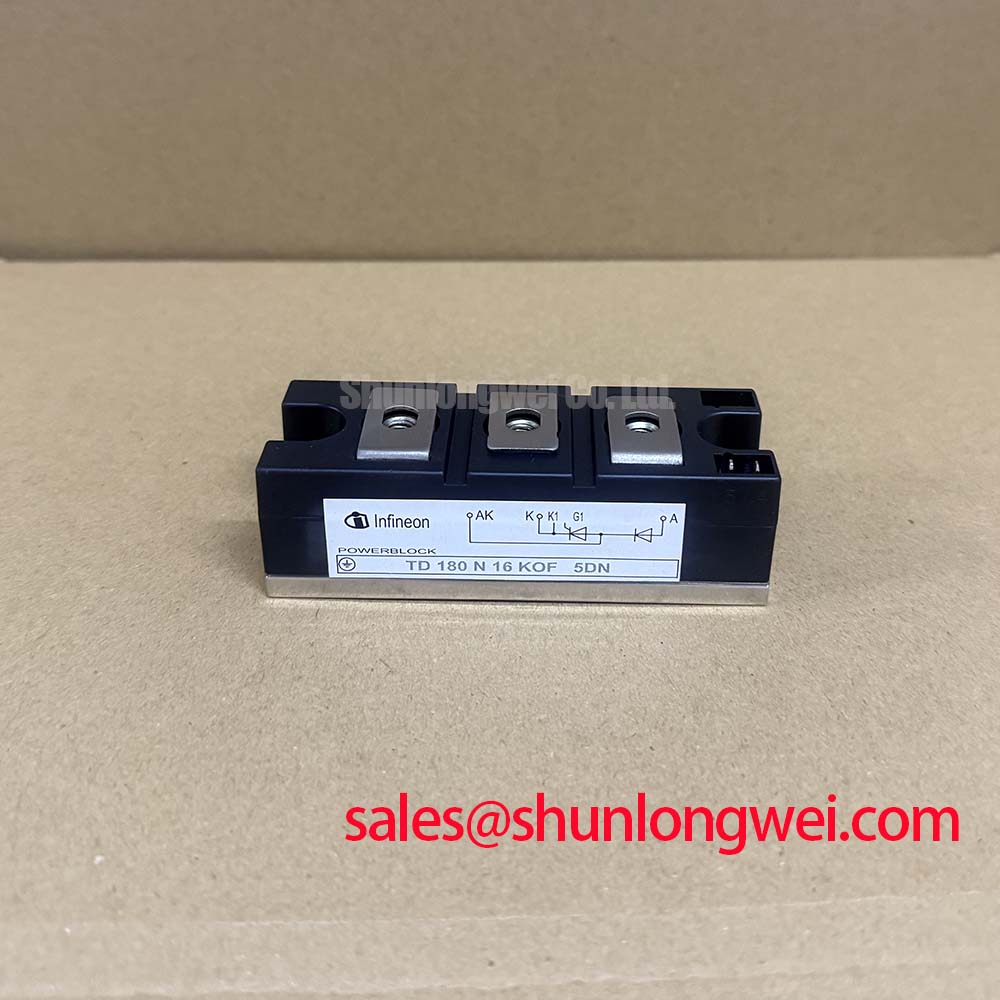
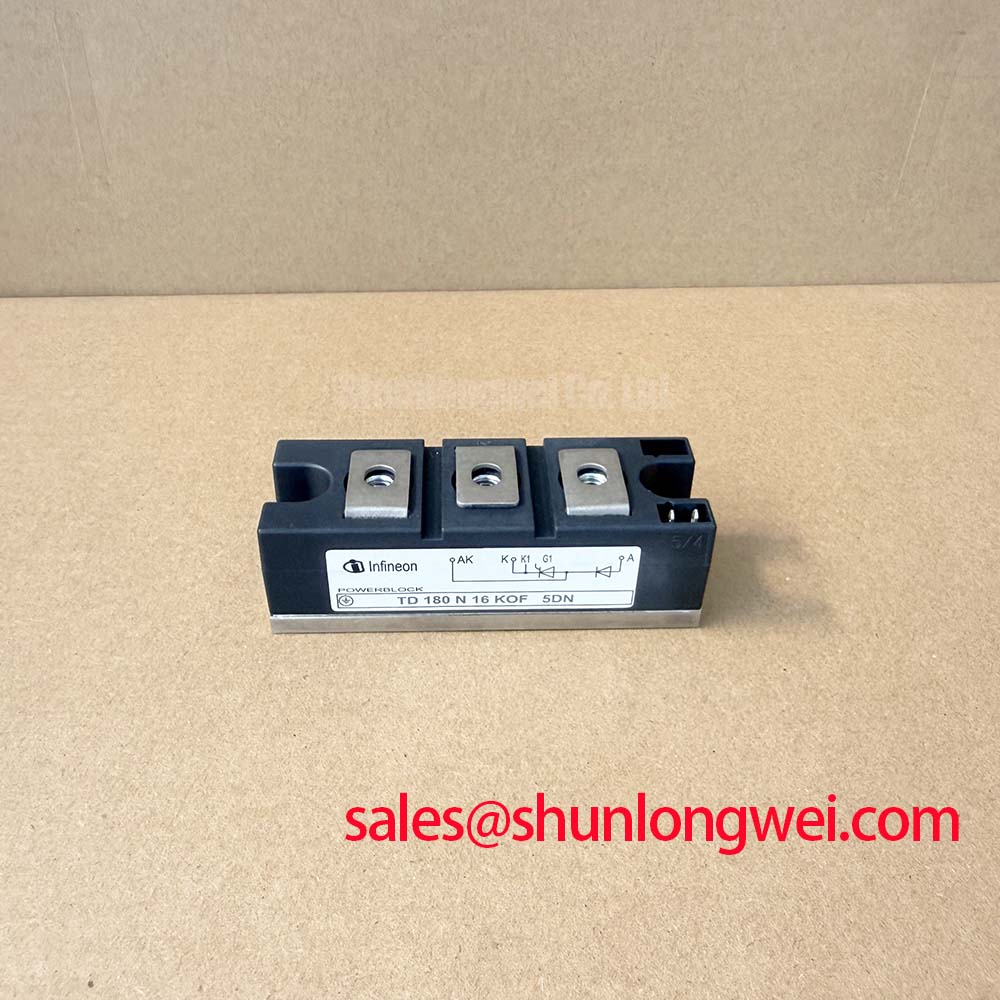
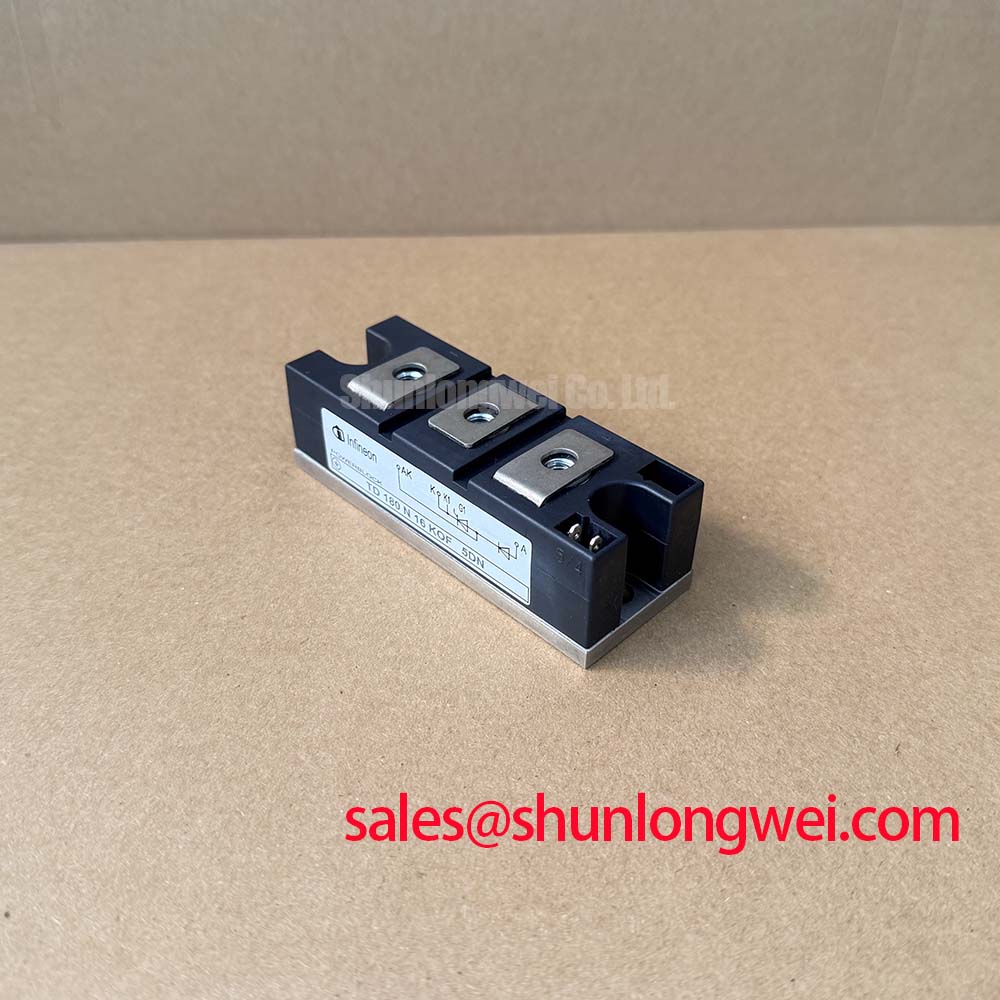
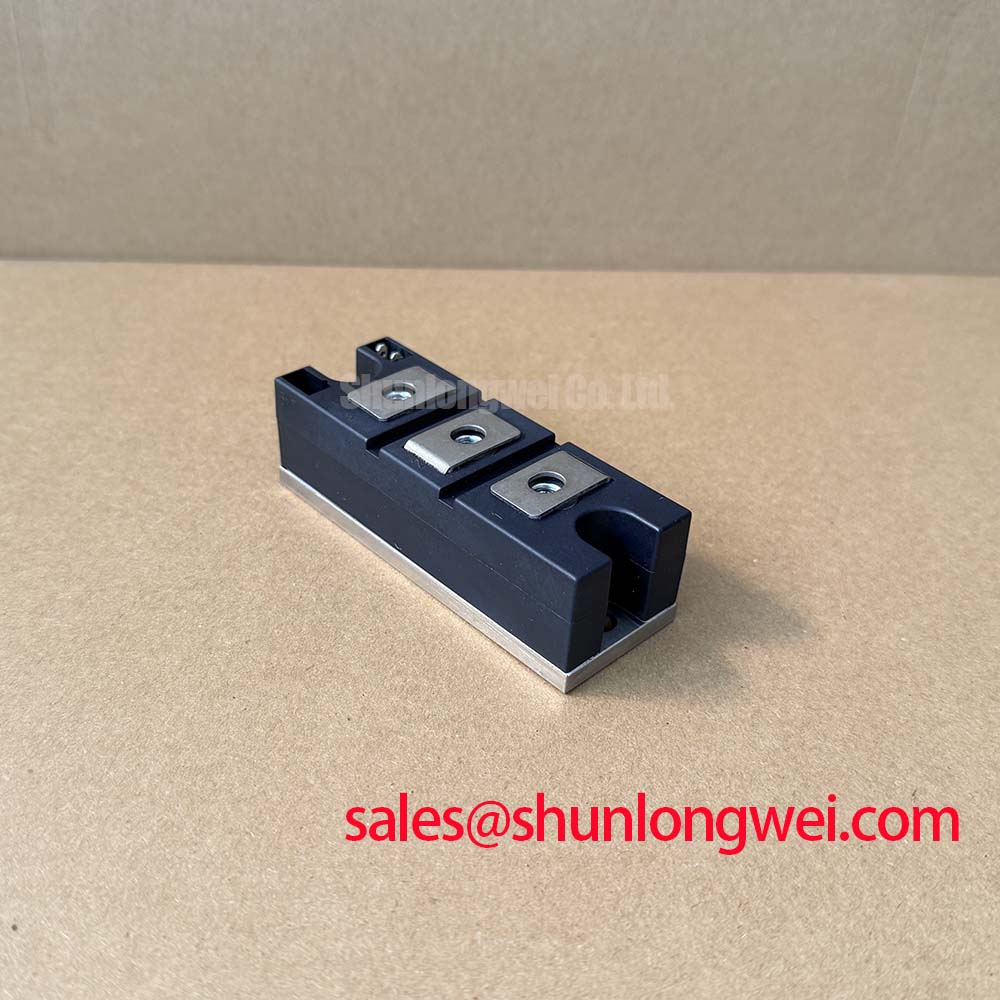
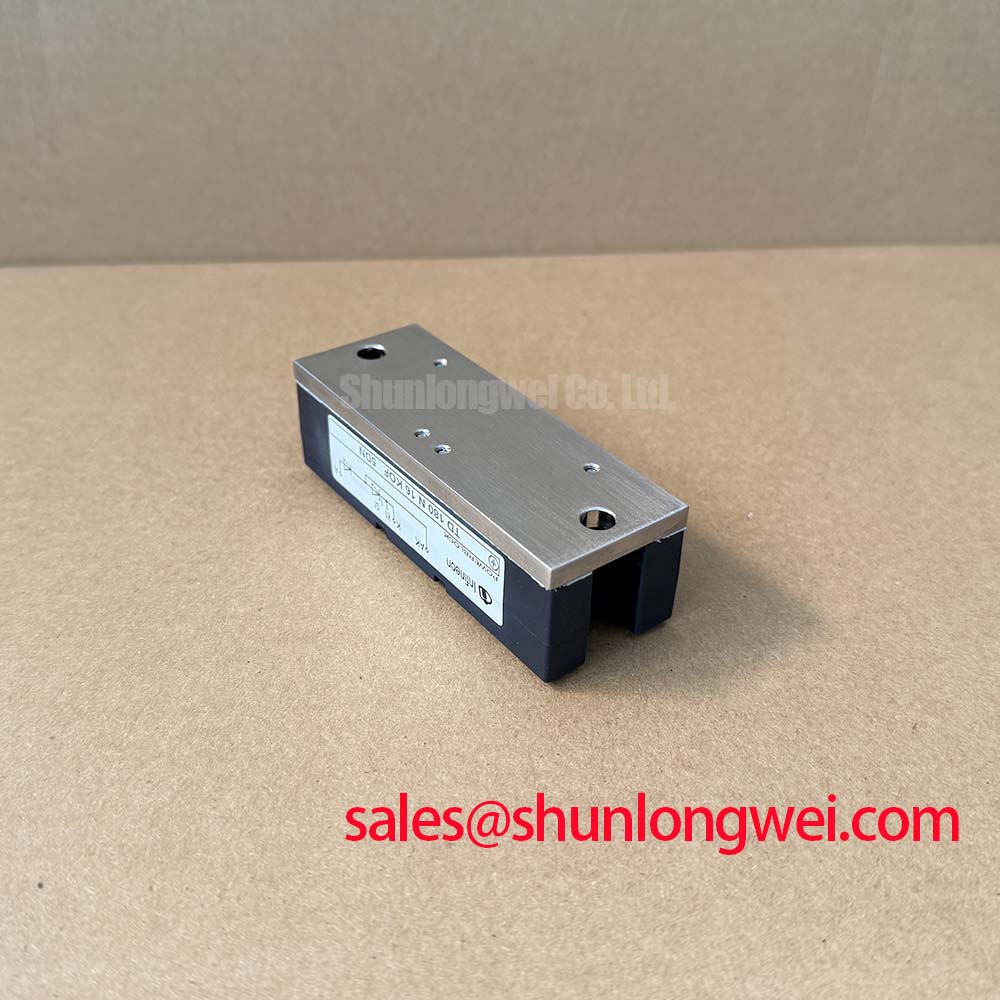
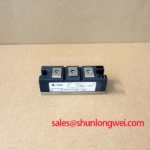
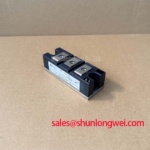
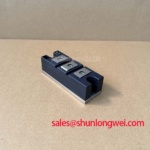
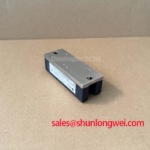
Infineon TD180N16KOF 1600V 180A Thyristor/Diode Module
The TD180N16KOF utilizes pressure-contact technology to eliminate solder fatigue, providing outstanding thermal reliability and long-term system uptime under harsh cycling conditions. 1600V | 180A | Rth(j-c) 0.20 K/W. Eliminates solder-joint degradation for maximum lifetime. Simplifies input protection with high surge handling. For engineers designing high-power rectifiers, pressure-contact technology replaces solder joints with a mechanical force structure, completely preventing thermal fatigue failure under continuous cyclic loads.
Application Scenarios & Value
Achieving Long-Term Reliability in Heavy Industrial Power Stages
For 400V to 690V industrial AC line applications requiring peak thermal margin, this 1600V pressure-contact module represents the optimal technical choice.
Engineers often face the daunting challenge of premature component failure in harsh industrial settings. When standard solder-bonded rectifiers undergo rapid temperature changes, different expansion rates of silicon and copper cause solder-joint cracking. In conveyor belt systems or air compressor motor startups, this thermal stress can cause catastrophic failure of the input stage. The TD180N16KOF solves this by using pressure contacts, which handle high cyclic loads without physical wear, making it highly reliable for motor drive systems and soft starters.
During a heavy motor start, the rectification stage must withstand a massive current surge. The module handles these short-term grid spikes with ease, boasting a non-repetitive peak surge current (ITSM) of 4100A and an I2t value of 84.00 kA2s. This ruggedness allows engineers to design more compact protection circuits with smaller fuses. For applications requiring different layouts, the related TT162N16KOF dual thyristor module can be used to build a fully controlled bridge. Integrating this module simplifies mechanical layouts. Refer to our guide on preventing power module failures to understand wider design layouts.
Technical Deep Dive
The Mechanical Physics of Pressure Contact vs Solder-Joint Fatigue
Conventional modules use solder layers to bond the thyristor die to the copper baseplate. While cost-effective, solder is vulnerable to thermal cycling; rising temperatures cause silicon and copper to expand at different rates, leading to cracks. Over time, these cracks raise thermal resistance, creating a runaway heating effect. Pressure-contact technology avoids this by replacing the solder bond with a strong mechanical clamping mechanism.
Think of pressure contact as a vehicle's spring-loaded suspension. Instead of rigidly welding the axle—which would snap over a deep pothole—the springs absorb the movement. In the TD180N16KOF, spring pressure maintains perfect electrical and thermal contact, absorbing physical expansion without degradation. Thermal management is enhanced by a low junction-to-case thermal resistance (Rth(j-c)) of 0.20 K/W per thyristor. Think of thermal resistance as a highway toll booth; a lower value means a wider lane for heat. This low resistance dumps heat quickly from the junction to the baseplate, keeping temperatures below the maximum rating of 130°C. For a deeper perspective, read our guide on decoding power semiconductor datasheets.
Key Parameter Overview
Decoding Key Specifications for Thermal and Electrical Stress Analysis
The electrical and thermal characteristics of the TD180N16KOF from Infineon are optimized for stable phase control and rectification. The following table highlights the critical ratings that engineers must consider during system-level thermal design.
| Parameter Description | Symbol | Typical Value | Engineering Significance |
|---|---|---|---|
| Repetitive Peak Reverse/Off-State Voltage | VRRM / VDRM | 1600V | Secures ample voltage headroom for 400V to 690V AC line systems. |
| Average On-State Current | IT(AV) | 180A | Continuous current handling capability at a case temperature of 85°C. |
| Non-Repetitive Surge Current (10ms) | ITSM | 4100A | Withstands severe transient grid disturbances without failing. |
| Maximum Rated Junction Temperature | Tvj max | 130°C | The absolute safe upper limit for continuous silicon operation. |
| Thermal Resistance (Junction-to-Case) | Rth(j-c) | 0.20 K/W | Determines the sizing and efficiency of the required heatsink. |
| On-State Slope Resistance | rT | 0.90 mΩ | Dictates on-state power losses under high-current operation. |
Download the TD180N16KOF datasheet for detailed specifications and performance curves.
Frequently Asked Questions
Addressing Design Concerns and Implementation Questions
What is the primary benefit of its pressure-contact design?
Eliminating thermal fatigue failures by replacing standard solder connections.
What operating voltage is this module designed for?
It is rated for 1600V, making it ideal for 400V to 690V line rectifiers.
How does the low Rth(j-c) of 0.20 K/W directly impact heatsink selection and overall system power density?
The low Thermal Resistance value of 0.20 K/W means heat transfers very efficiently from the thyristor junction to the baseplate. This allows you to design a smaller, lighter, and lower-cost external heatsink while maintaining a safe operating margin, directly increasing the power density of the enclosure.
Why is the 4100A surge current rating (ITSM) critical for line-frequency rectifiers?
A high ITSM rating ensures the module can safely ride through short-circuit events and line transient surges caused by inductive load switching or lightning strikes. This robustness reduces the risk of field failures and simplifies the specification of protective semiconductor fuses.
As industrial automation demands higher reliability and reduced maintenance, selecting the right phase-control components is crucial. Transitioning to pressure-contact modules like the TD180N16KOF provides a clear path to reducing downtime and optimizing thermal management in heavy-duty rectifiers. By aligning your system designs with rugged, solder-free technologies, you secure long-term durability and lower the total cost of ownership for high-power industrial installations.